





Mexico City is gigantic — there are over 21 million people in the greater metropolitan area. There are endless districts and neighborhoods to explore, sprawled across miles of city. The historic center, however, is relatively compact, and easily walkable. There are layers upon layers of history here, as the Spanish built on the site of the Aztec capital, and there’s something interesting to discover pretty much everywhere you look.

The focal point of the historic center is the Zócalo — a large plaza with an even larger flag.
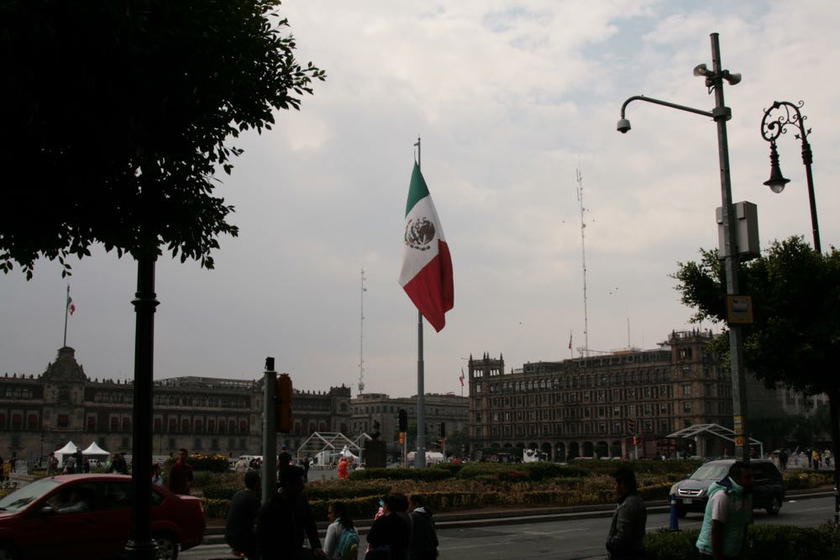
Mexico City center
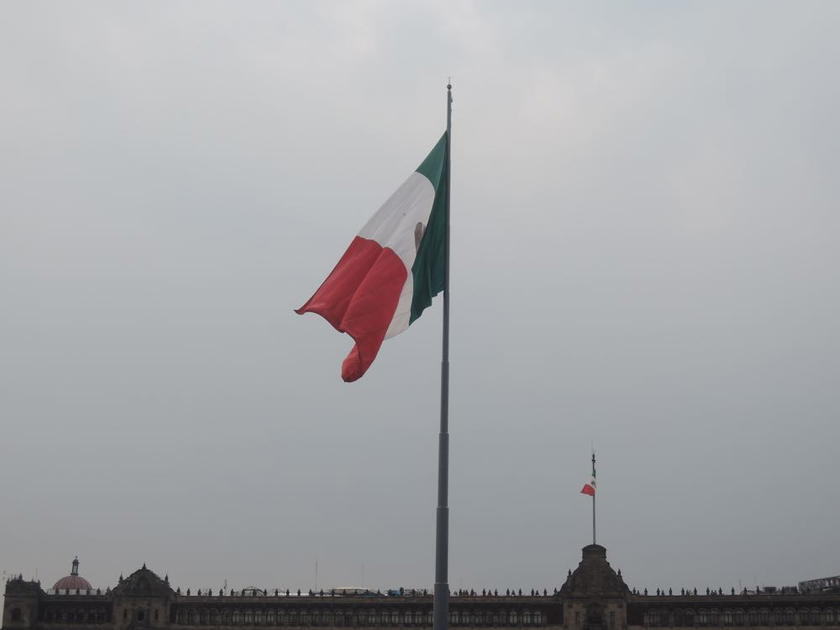
Mexican flag
Some of the most important buildings flank this plaza, which also features the usual compliment of street performers and tour-bus hawkers.
Mexico City Metropolitan Cathedral
The Mexico City cathedral is the largest in the Americas, and flanks one entire side of the zócalo. Construction took place over a period of about 150 years, leading to an interesting mixture of styles. We happened to wander in during Mass, which wasn’t great for photography, but was fantastic for getting to hear all the bells!
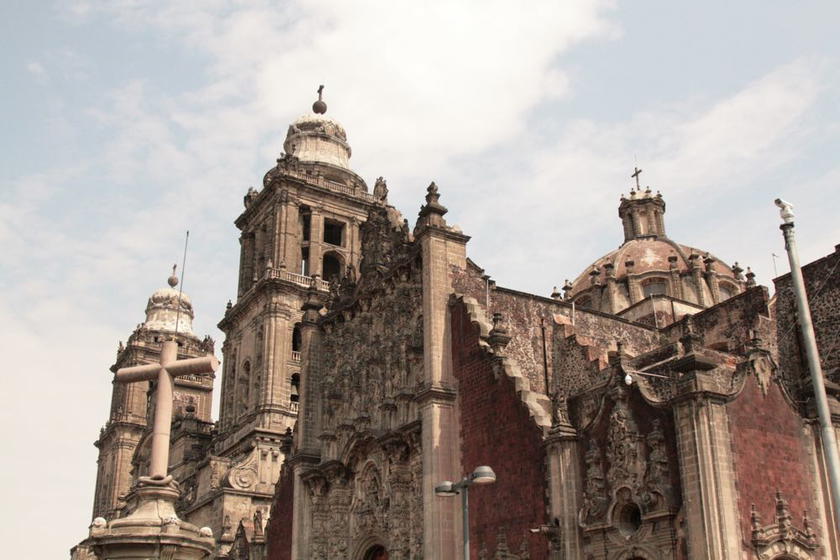
Mexico City cathedral
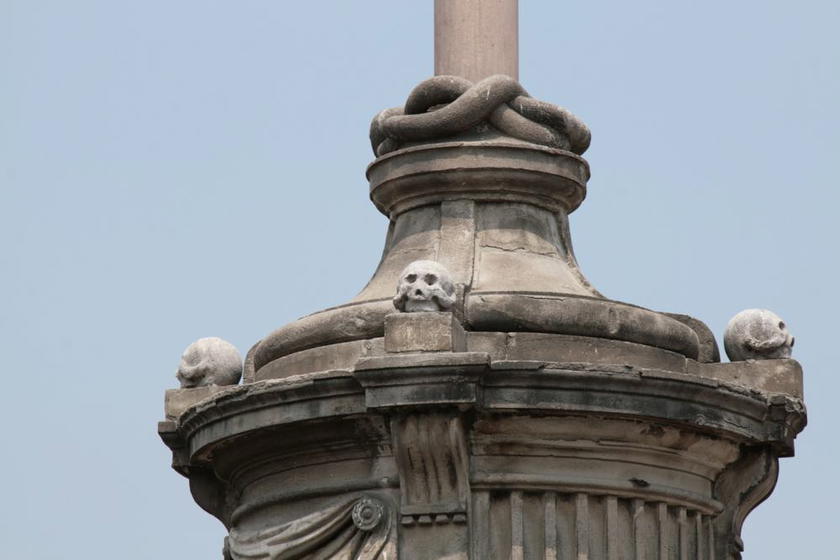
Mexico City cathedral exterior
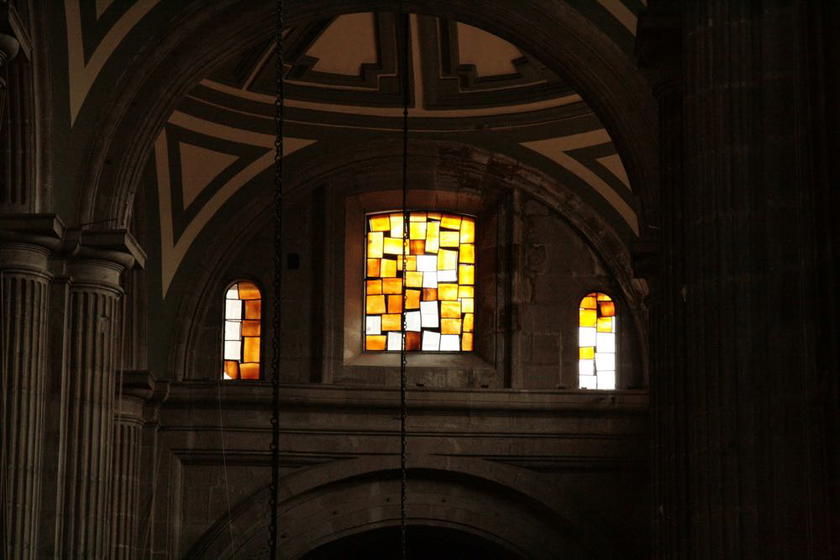
Mexico City cathedral
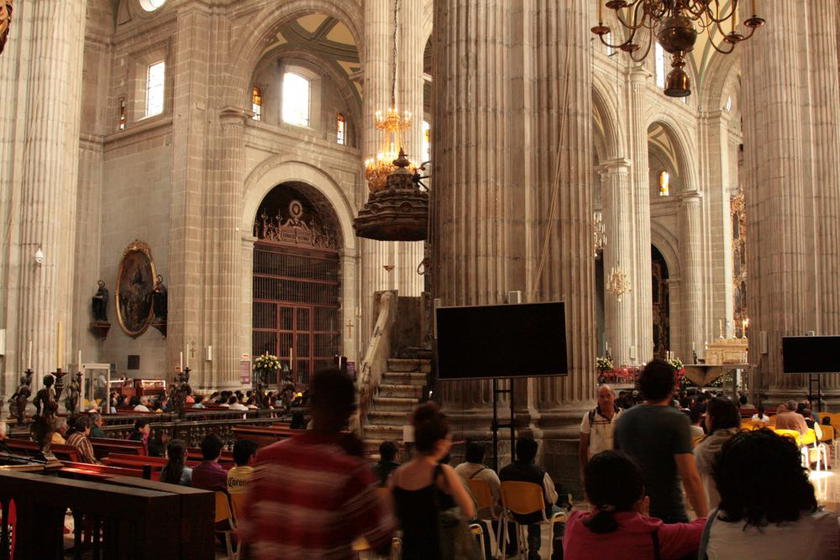
Mexico City cathedral
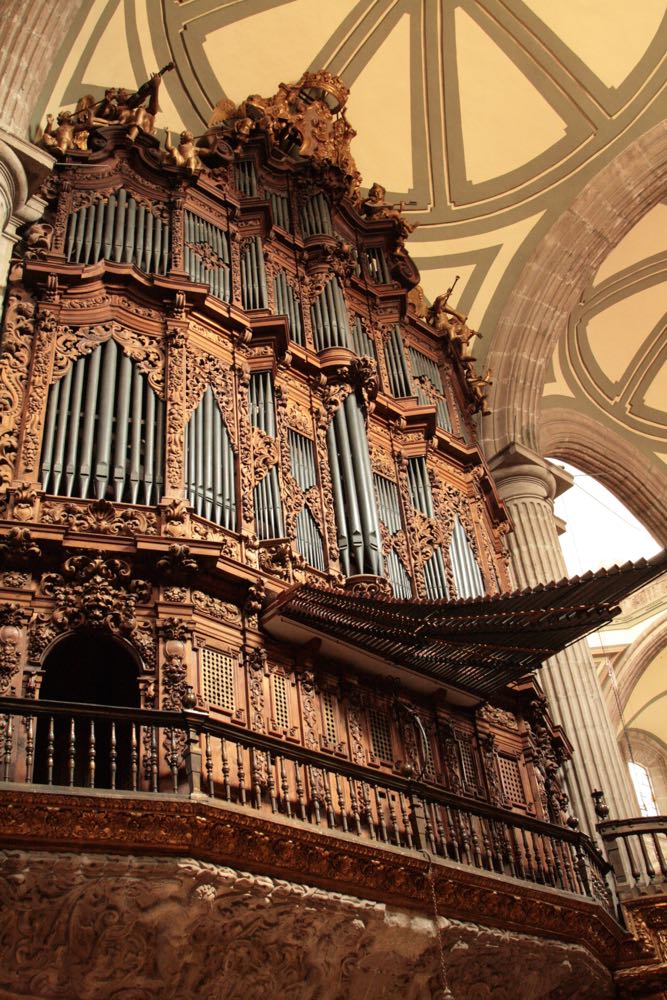
Mexico City cathedral organ
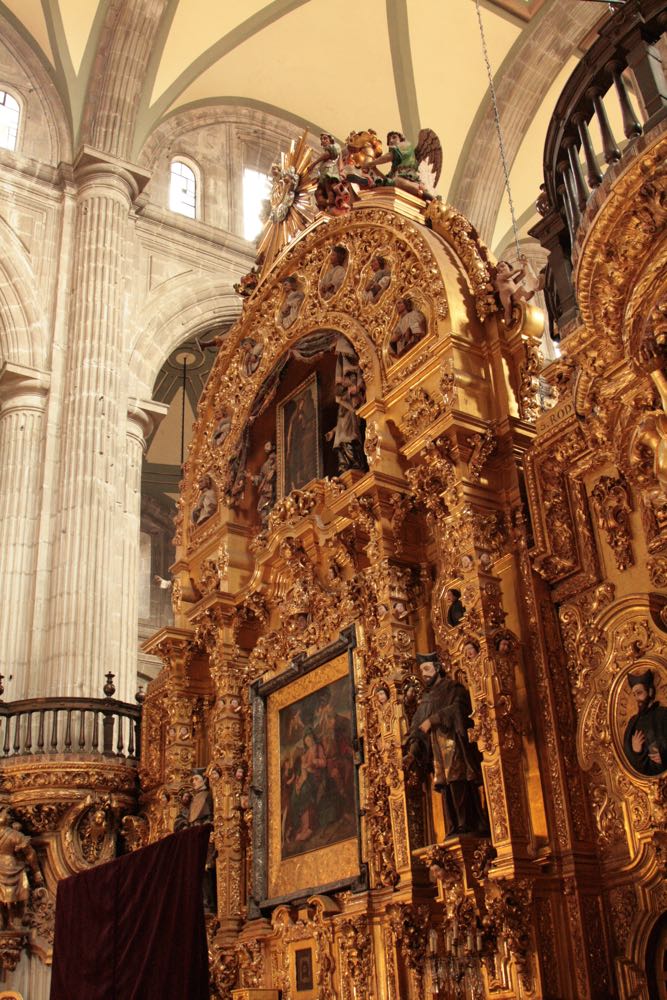
Mexico City cathedral
The cathedral was beautiful, and incredibly disorienting. Mexico City is built on a dry(ish) lakebed. The more groundwater has been removed over the centuries, the more the terrain has shifted. Combine that with a few earthquakes, and I’m sorta amazed the older buildings are still standing!
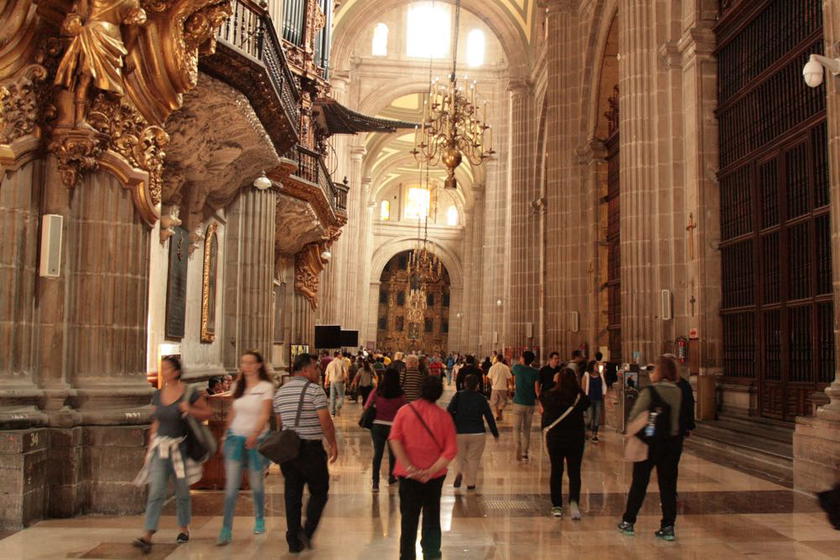
The camera is level with the floor, the walls are no longer plumb
The National Palace
Just beyond the cathedral is the Palacio Nacional. This is an active government building, but tourists are welcome in many areas. We had to leave our ID and large bags with the security team, but they had no problem with us bringing in cameras and such. There’s no cost to visit.
The palace is expansive. The complex is comprised of buildings from several different architectural periods, interspersed with gardens of native plants.
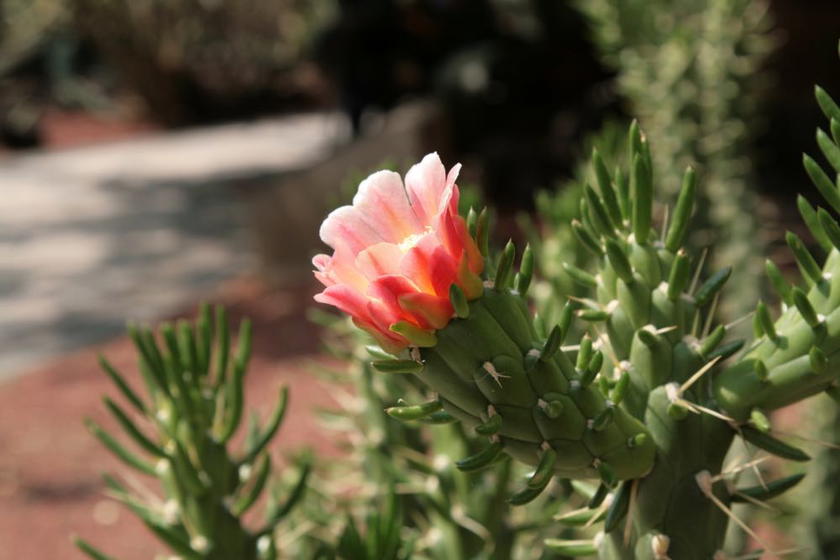
National Palace gardens
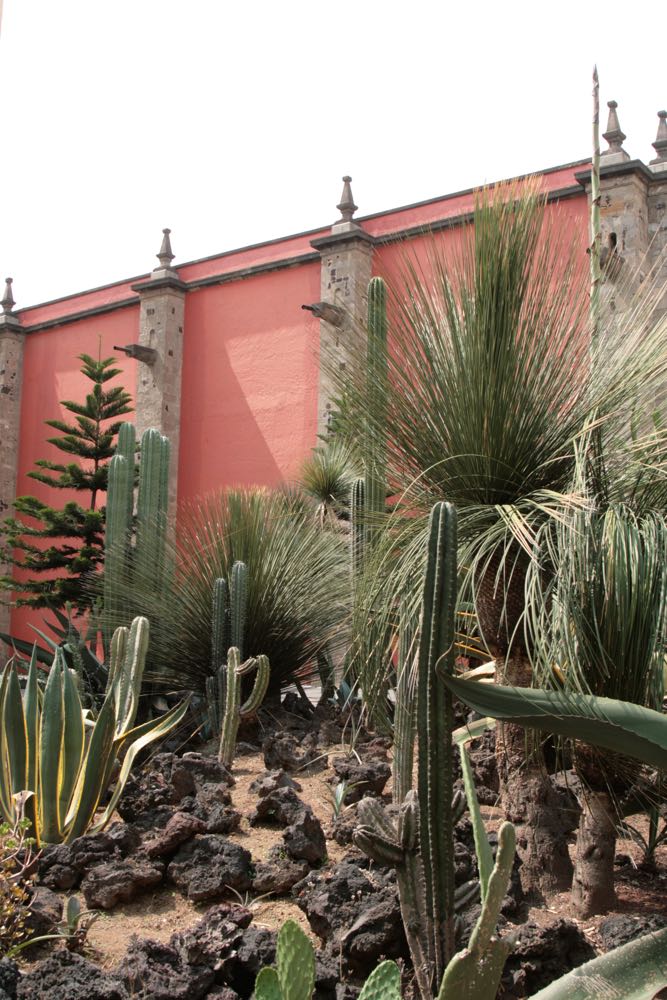
National Palace gardens
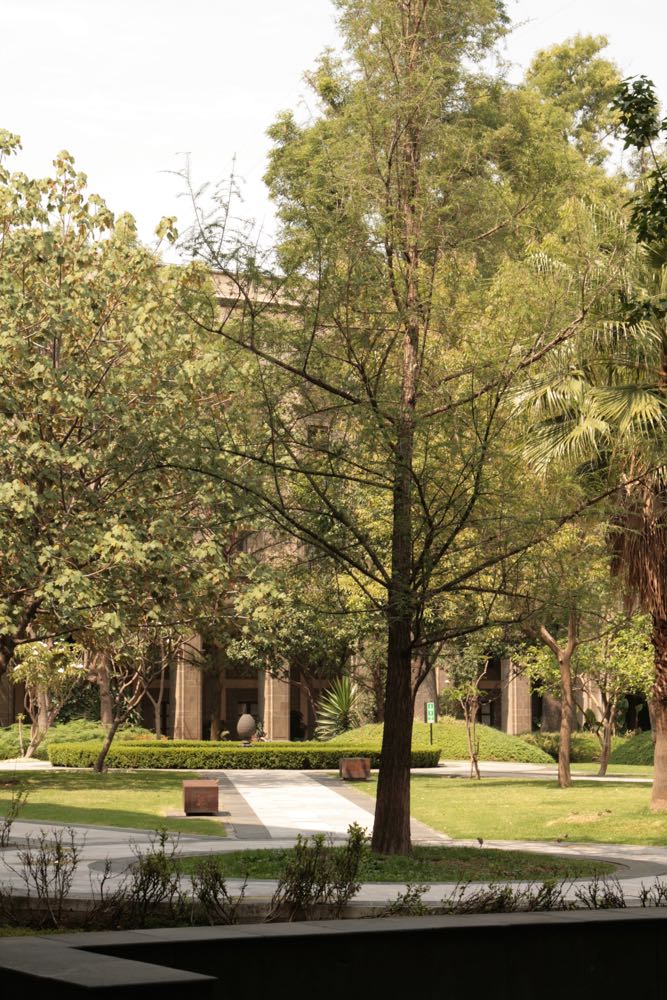
National Palace gardens
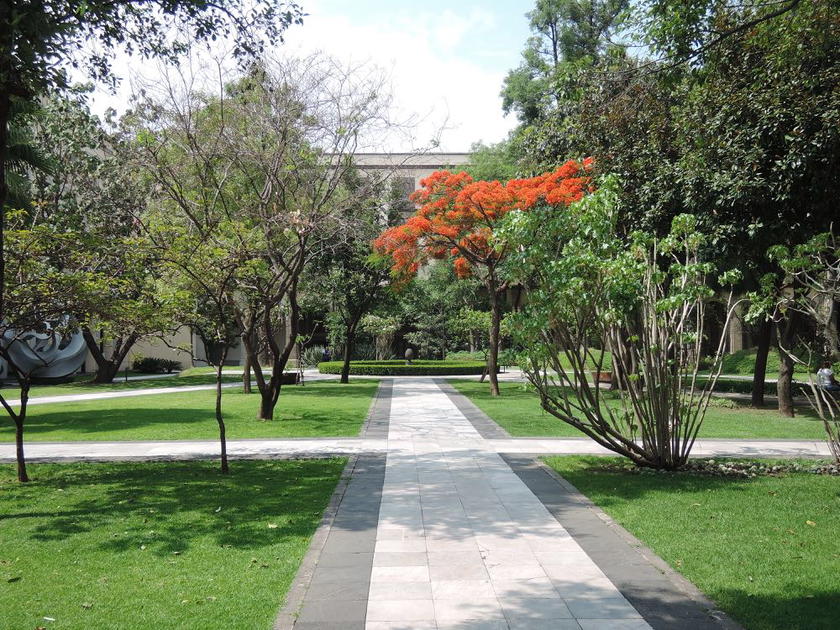
National Palace gardens
The assortment of buildings means there are some pretty fabulous entrances and hallways too.
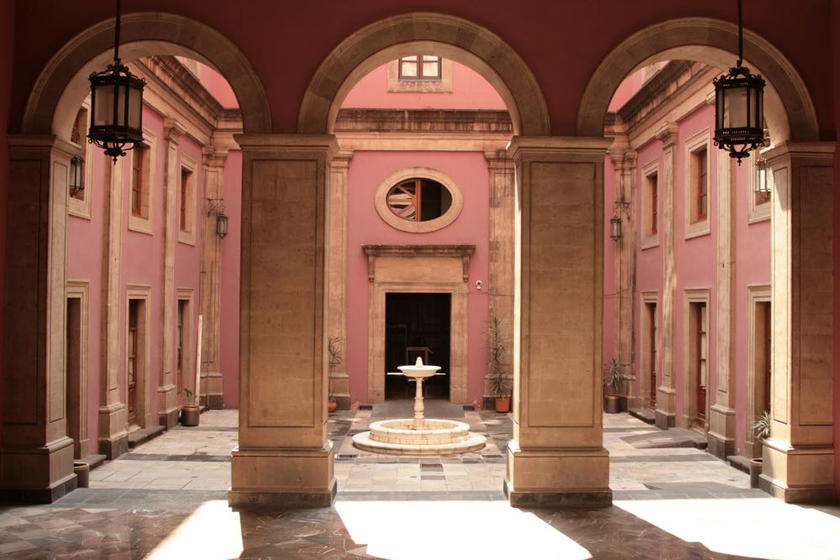
National Palace
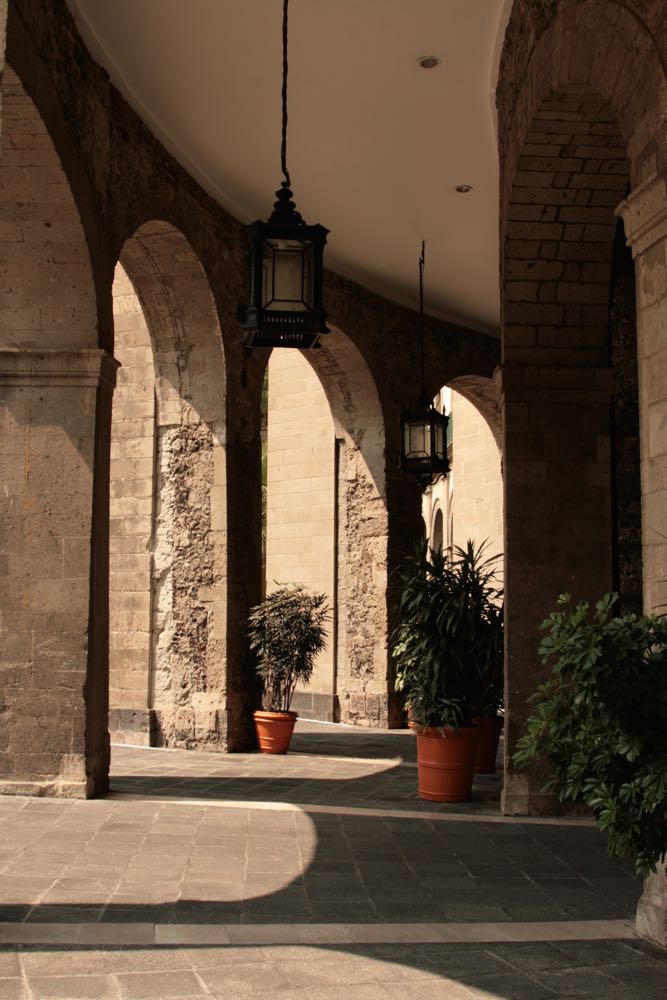
National Palace
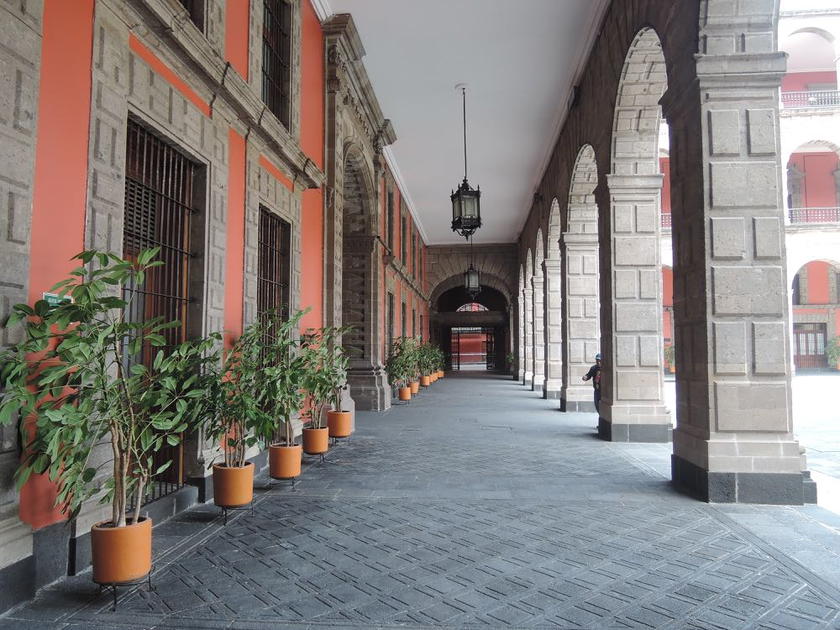
National Palace
Most people seem to come to the palace to see the murals by Diego Rivera, which fill the staircase and colonnade of the main courtyard:
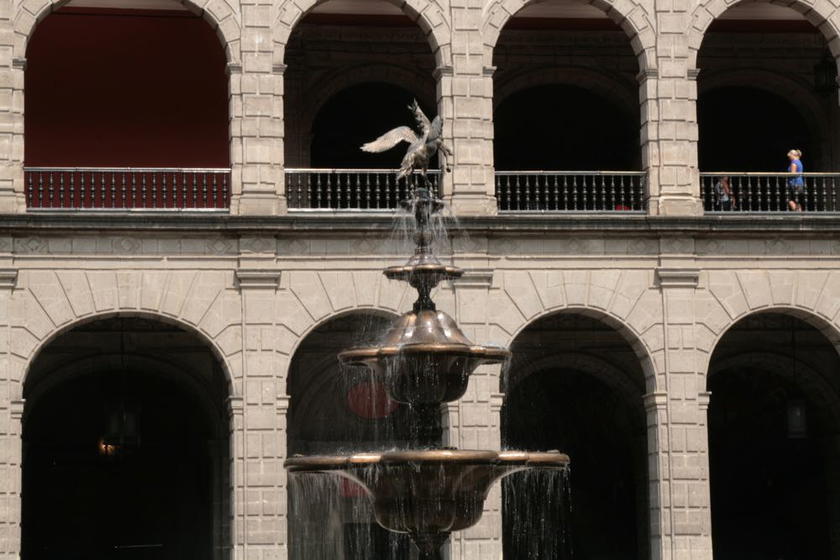
National Palace fountain
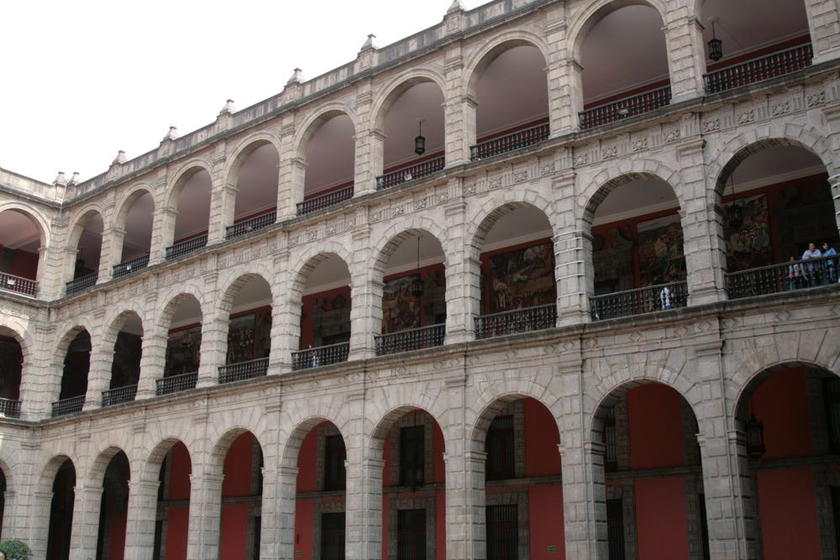
National Palace colonnade
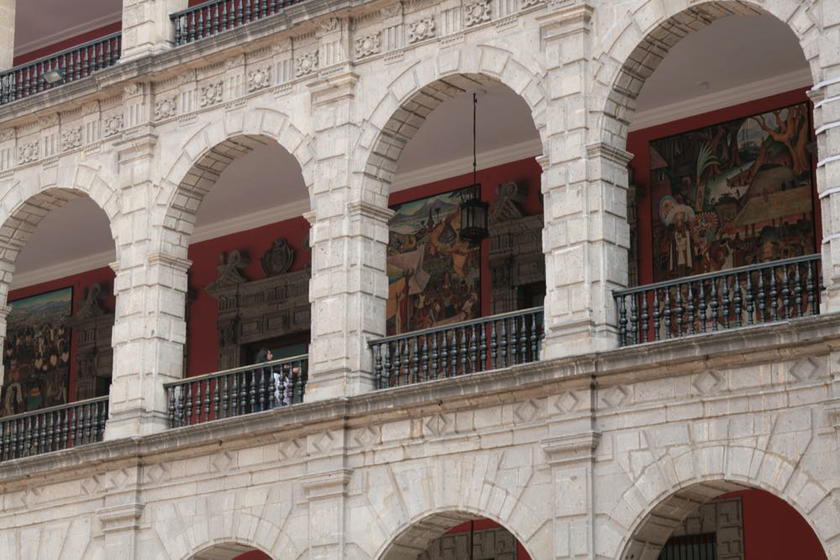
National Palace colonnade
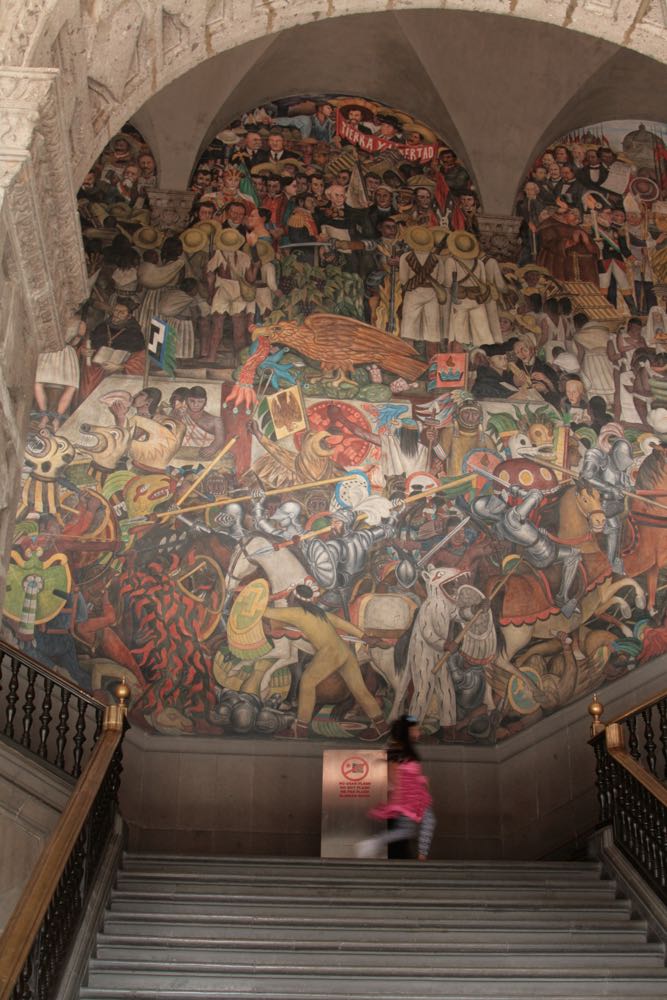
Main staircase mural
Some areas of the palace are closed to the public, but the guards were all very friendly in pointing us back to the public areas. Great way to spend an hour or so.
The Post Office
I know. Few people think of a post office as a sightseeing whistle-stop, but look at how cool this is!
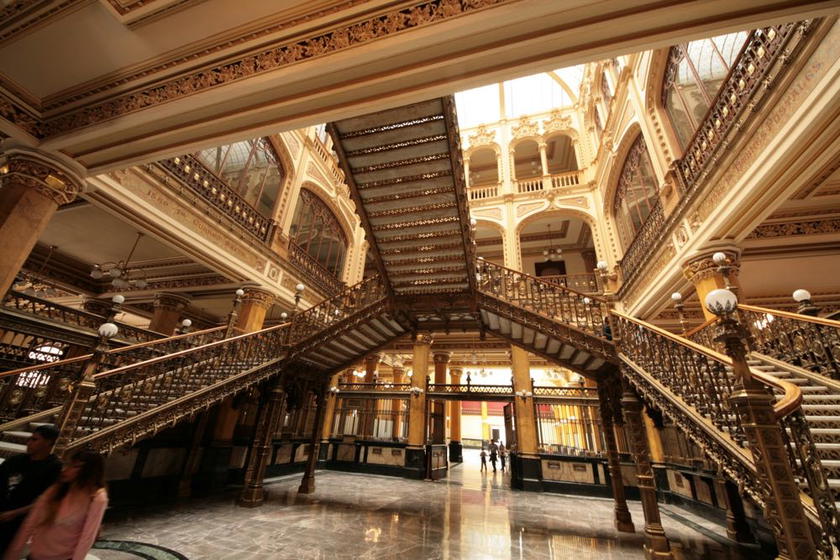
Mexico City post office
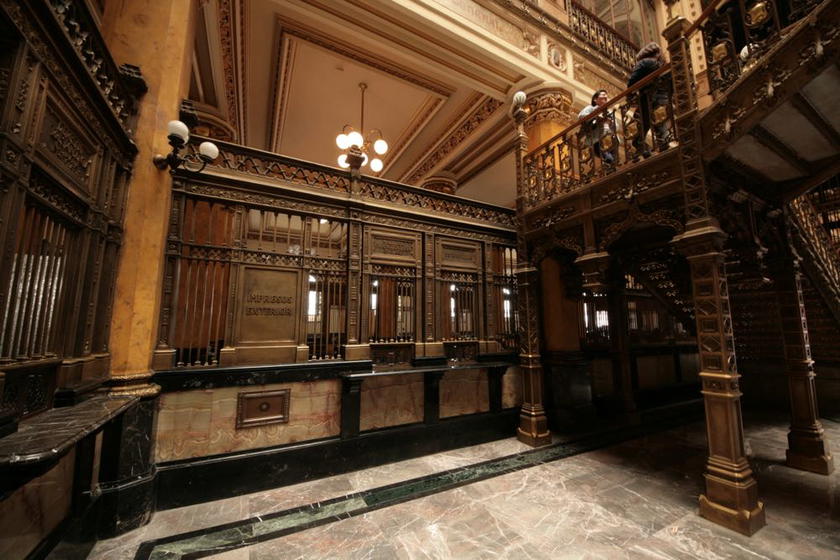
Mexico City post office
The office was very lightly staffed on the day we were there, so we didn’t see much “post office action,” but the Hogwarts stairs and general art-deco awesomeness made up for it.
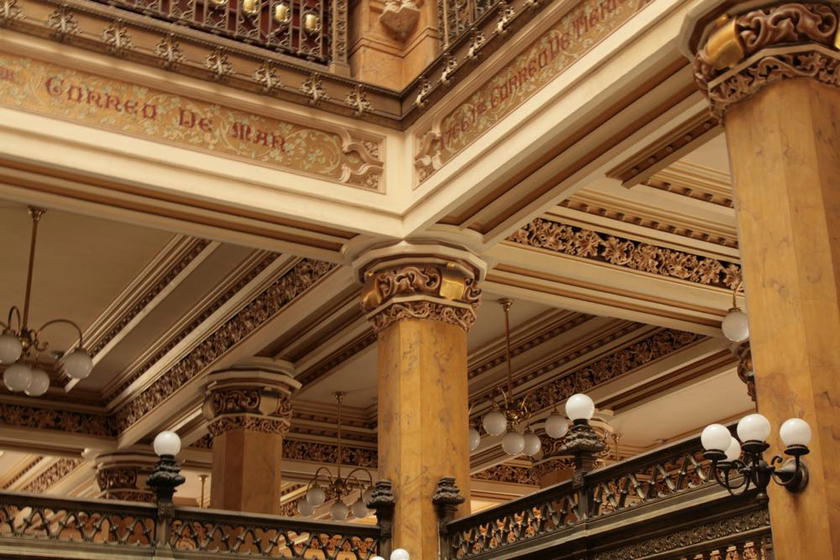
Mexico City post office
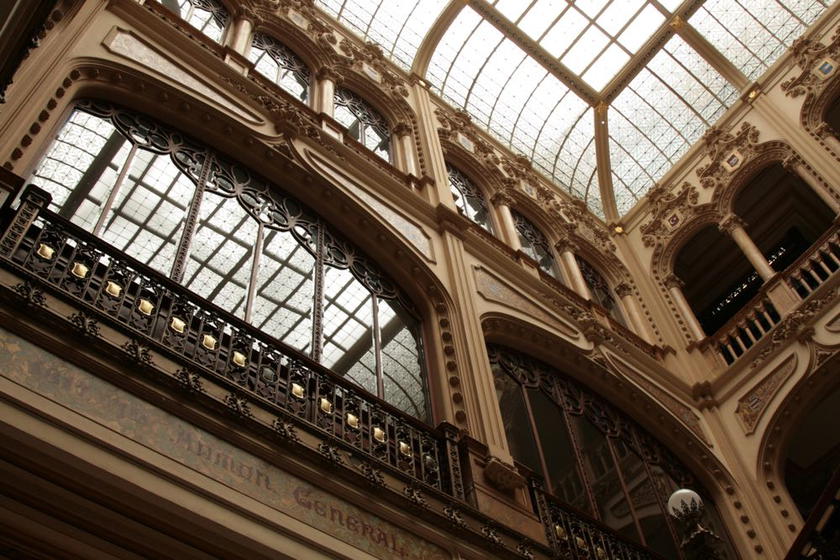
Mexico City post office
Beautiful streets
Mainly, we spent our time meandering the streets. The center core has tremendous diversity, both in terms of the architecture and the people spending time there. Tourists, business people, families — the city center is bustling.
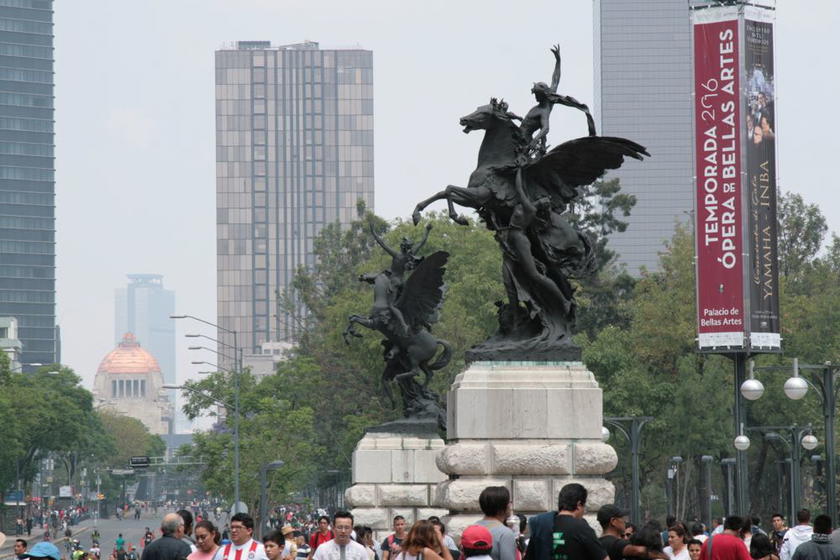
Mexico City street
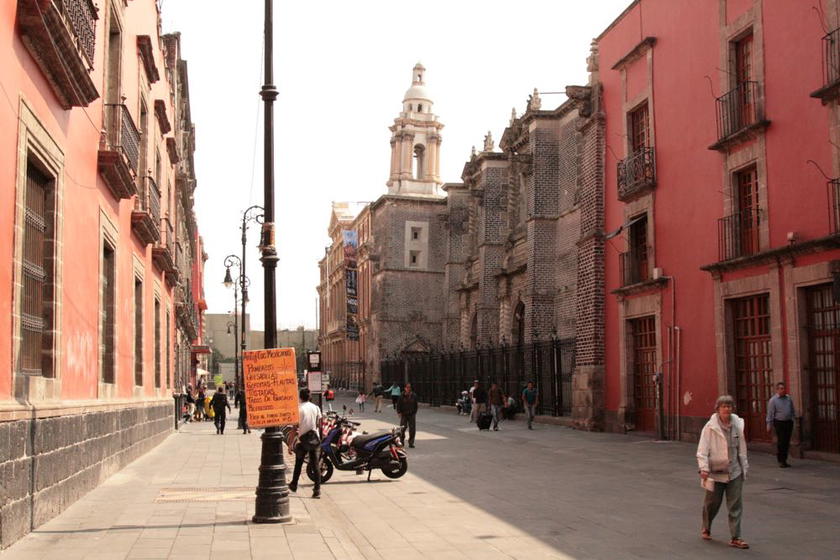
Mexico City street
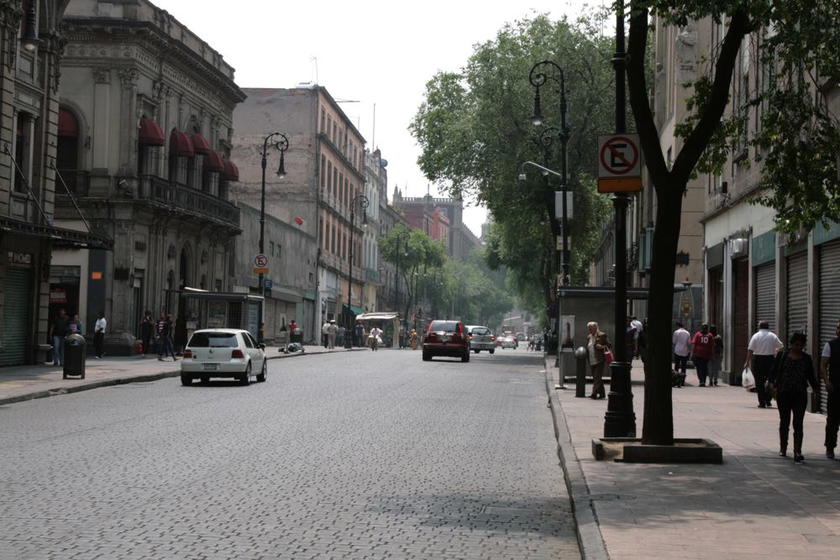
Mexico City street
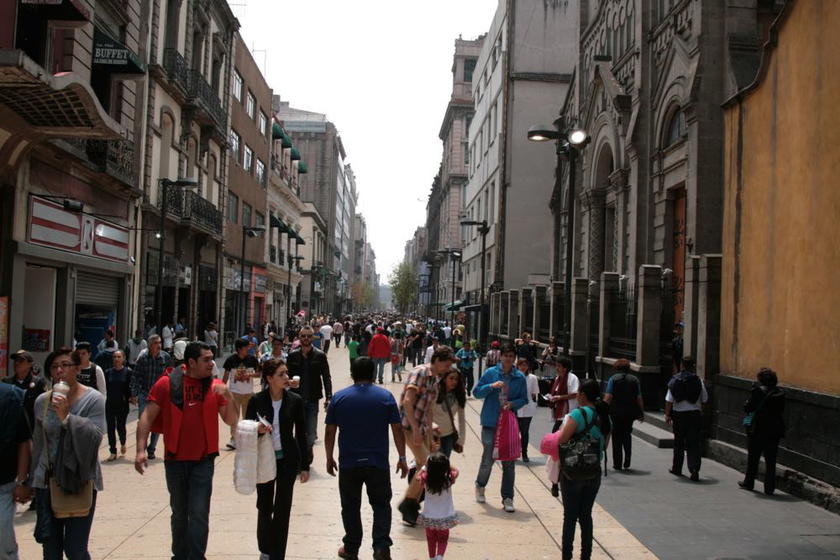
Mexico City street
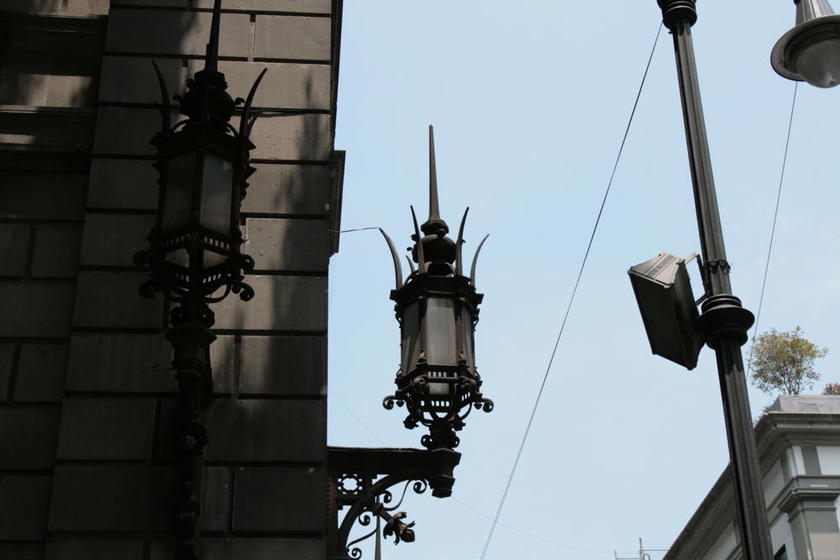
Mexico City street
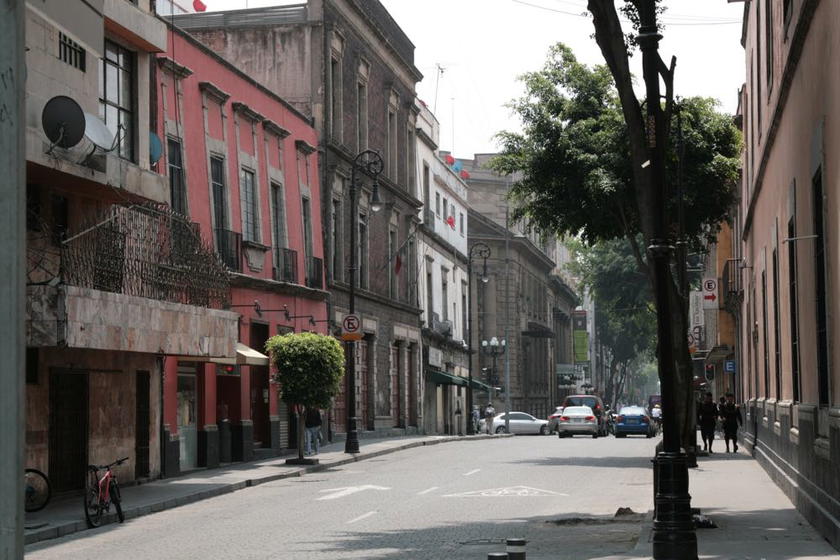
Mexico City street
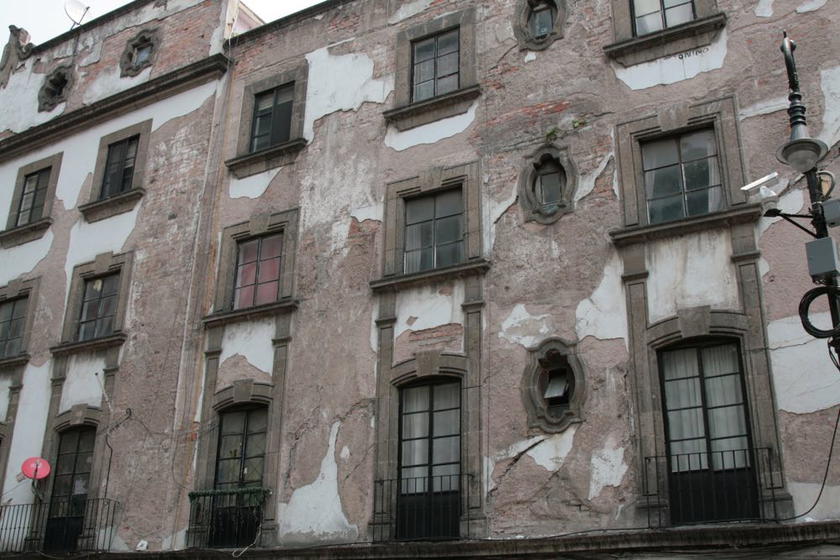
Mexico City street
The Metro
Hands-down, the Metro system in Mexico City is one of the easiest I’ve ever encountered. This is definitely the way to get through and across town. The cars and stations can be extremely crowded, but are safe.
It’s worth noting to the ladies, however, that groping/general harassment seems to either be considered acceptable or is just reluctantly tolerated, so you’ll want to stay aware.
The various lines are color-coded, and everything related to that line features that color prominently. Each stop has a pictogram in addition to the name, so even if you don’t read Spanish you can still find your way. Look at the “Rosario” station on the far right, as an example. There’s a picture of a rosary (which you’ll see throughout the system), and both the red and orange lines stop there.
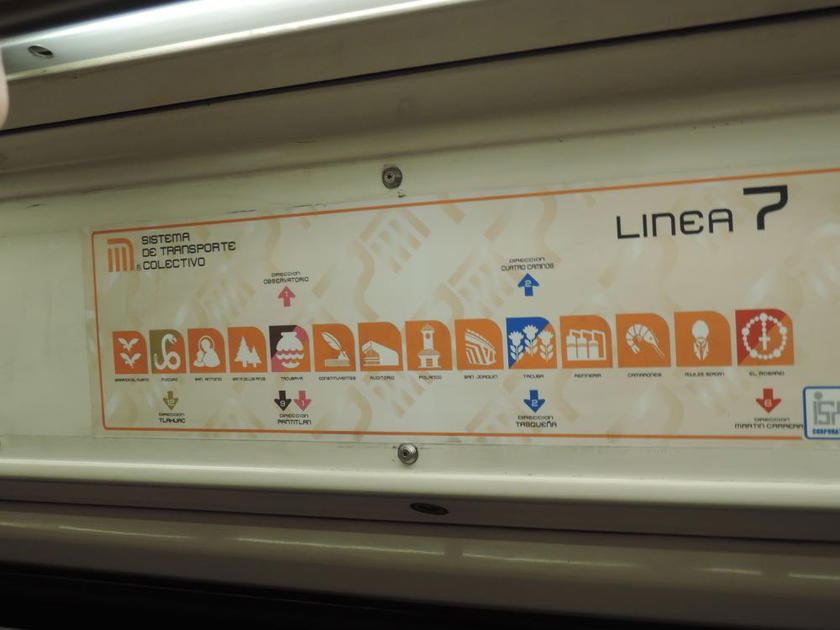
Mexico City Metro
Some of the station names are obvious for English-speakers (Rosario and Auditorio aren’t that hard), while others strain the standard vocabulary, so the pictures really come in handy.
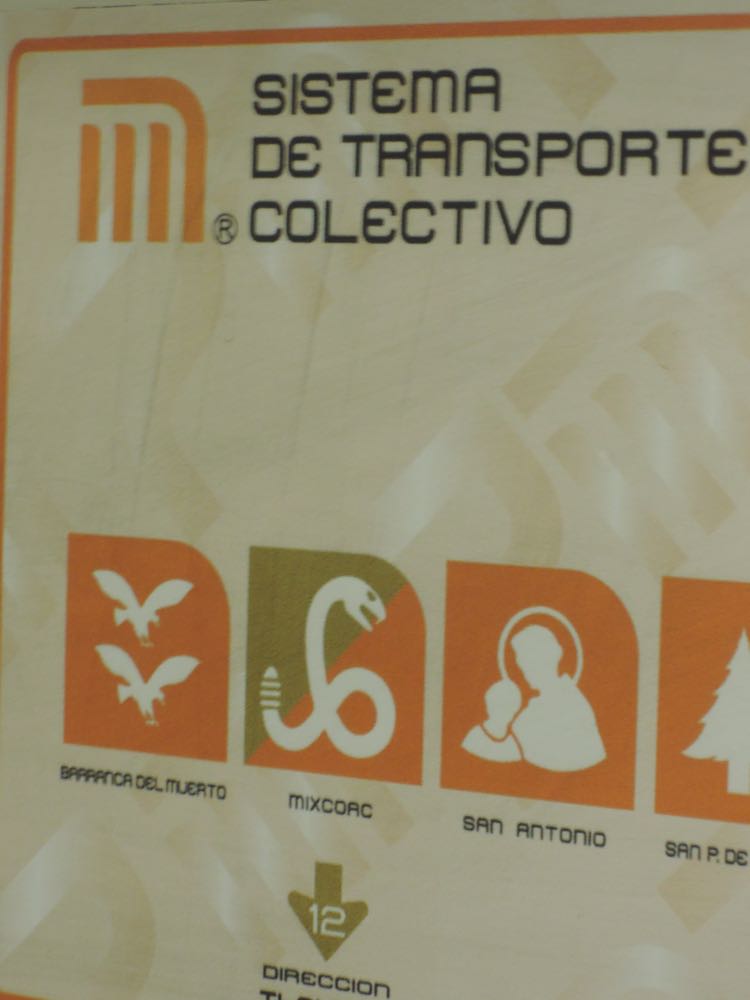
“Gorge of Death” and “Nest of Cloudy Serpents” would not have been my first pics for names
Andrew was quick to notice that the trains run on rubber wheels, which made them super quiet!
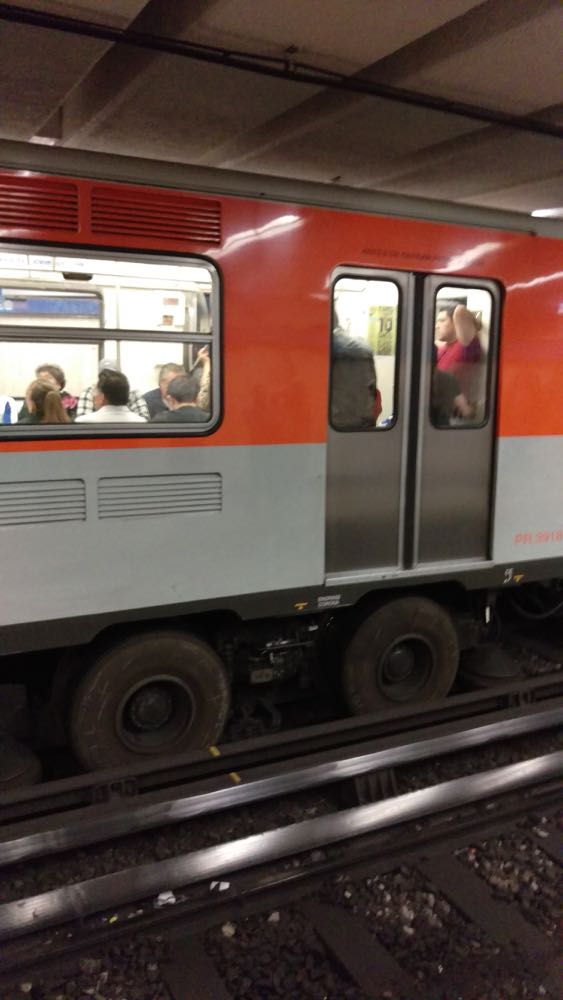
Mexico City Metro
Bottom line
There are so many things to do in Mexico City, and the city itself has a very fun vibe. We really enjoyed moseying around the historic center, and while I’m not sure if I’d want to stay in this neighborhood (not for any bad reasons, just my preference), there’s plenty to see and do.
You guys have been great with suggestions for others — tips for the centro historico?


Membership is free and takes no more information than commenting as a guest. Earn status points for good contributions, and see fewer ads as your status grows.