
I want to throw this question out there and hear what you guys think, because it’s something I’ve been thinking about quite a bit the past few days.
Delta is extremely well run
Let me start by saying that I have the utmost respect for the way Delta Air Lines is run. On balance they’re the best of the “big three” US airlines — employees and management are on the same page, the airline consistently innovates the passenger experience, the airline is the most profitable, etc.
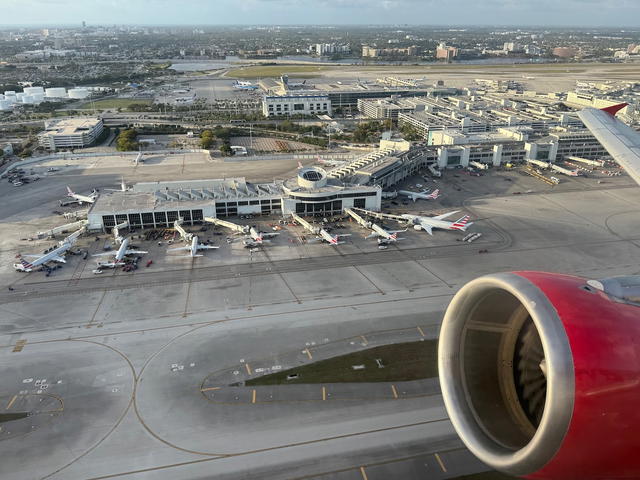
Obviously the current situation is unprecedented, though I think I’m not alone in assuming — at least on the surface — that Delta is best positioned to come out of this situation the strongest.
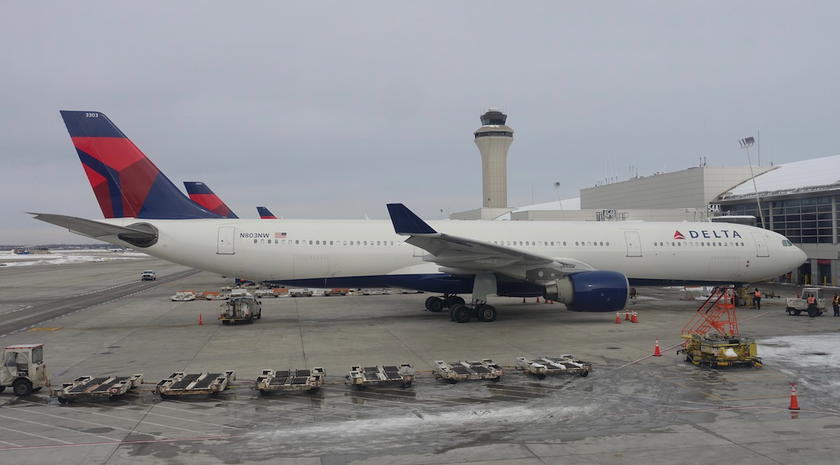 Delta is the best of the “big three” US carriers
Delta is best positioned to shrink
In addition to just generally being well run, Delta has one other major strength during this time. We’ve repeatedly heard US airline executives state that demand for travel won’t fully rebound anytime soon, and they expect that the airlines will shrink.
In that regard, Delta has an advantage — they have the oldest average fleet age, so it’s also easiest for them to retire planes early. Delta’s strategy has long been to keep older planes and just maintain them well, because from a passenger’s perspective that’s better than getting a new plane and configuring it uncomfortably (as American Airlines has done).
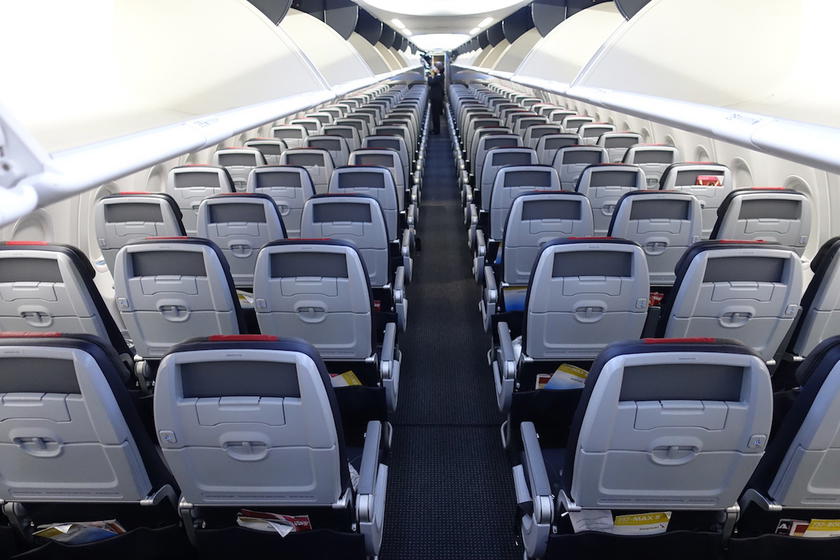 American’s brand new 737s — nothing to get excited about
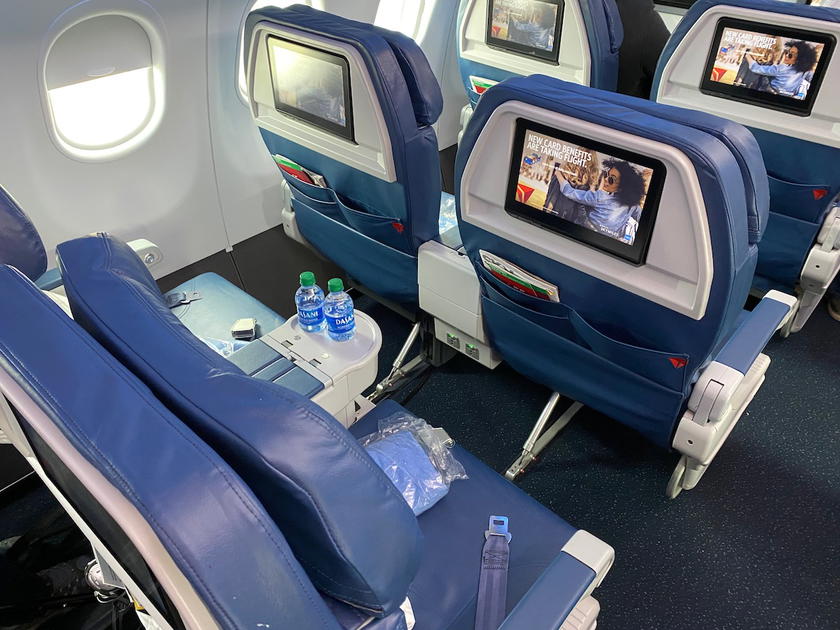 You wouldn’t know that this Delta A320 is 29 years old
Delta can easily shrink:
- They have nearly 80 MD-80s/90s, which are an average of over 26 years old
- They have over 80 717s, which are an average of over 18 years old
- They have nearly 60 A319s, which are an average of almost 18 years old
- They have nearly 130 757s, which are an average of over 22 years old
- They have nearly 80 767s, which are an average of over 22 years old
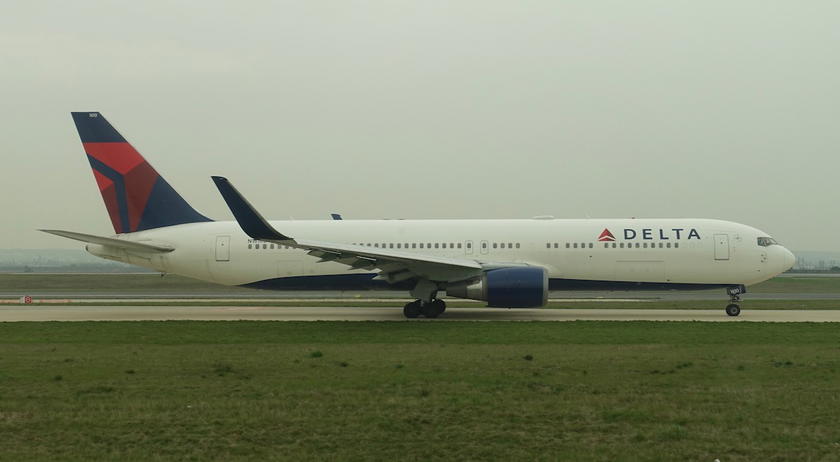 Delta has a huge fleet of 767s
The point is, they have a lot of room to shrink without it being too costly. These are planes that were going to be retired at some point anyway, so they can just push forward that timeline a bit.
Compare that to American, which has by far the youngest fleet age of the “big three” US carriers, and doesn’t have much room to efficiently shrink at this point, beyond the nearly 150 planes they plan on getting rid of.
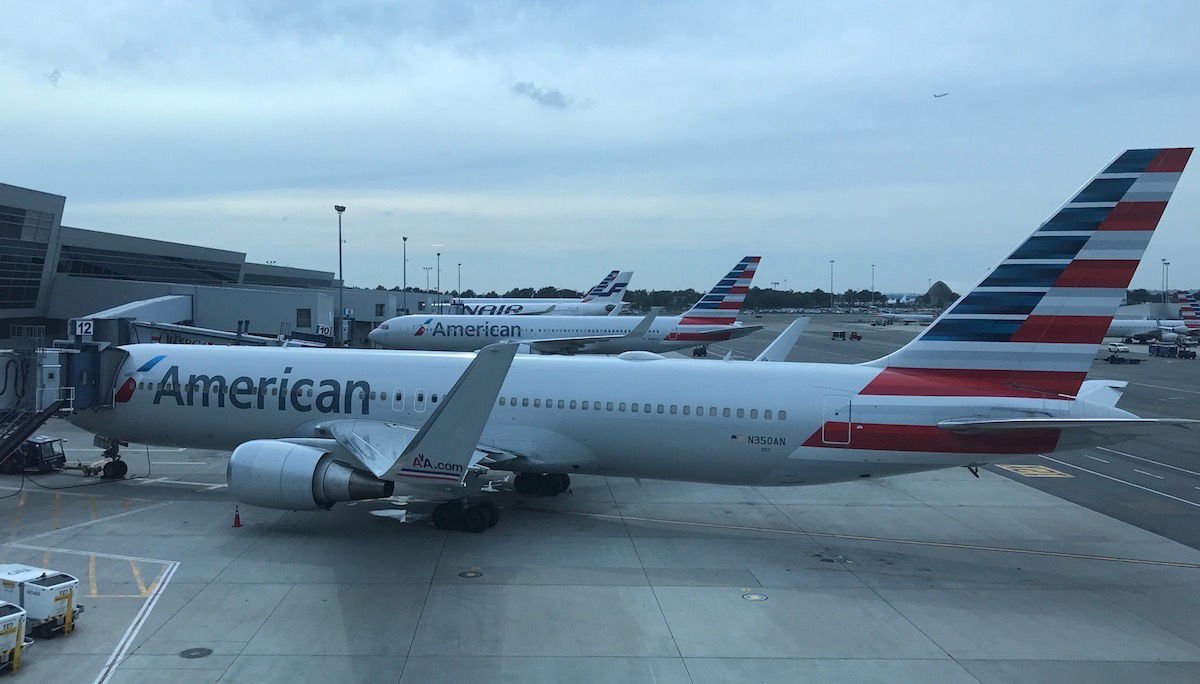 American has now retired all 767s
Delta’s unique investment strategy
Delta has essentially been pursuing global aviation dominance through equity investments in foreign carriers, joint ventures, and in many cases, both.
They’ve essentially written off the concept of the global alliances, realizing the value in instead strategically working with airlines that complement their network.
During good times that strategy could make sense, but if you ask me, Delta is in a really tough position right now. Let’s just briefly look at the current state of this strategy:
- Delta just spent $1.9 billion buying a 20% stake in LATAM; the deal closed weeks ago, and based on current stock prices, the whole company isn’t even worth $1.9 billion at this point (of course all airline stocks are depressed at this point)
- Delta owns a 49% stake in Virgin Atlantic, which is fighting for survival
- Delta has a transpacific joint venture with Virgin Australia, which is also fighting for survival
- Delta owns an 11% stake in Korean Air, and they also have a joint venture with them, as the airline fights for survival; perhaps the biggest issue is that Delta has completely adjusted their Asia strategy around Korean Air, so they’re pretty reliant on the airline (Delta doesn’t even fly to Hong Kong anymore, but rather routes passengers through Seoul)
- Delta owns a 49% stake in Aeromexico, which is struggling just like any other airline, but isn’t in the same position as Virgin Atlantic, Virgin Australia, etc.
- Delta owns a 10% stake in Air France-KLM; they’re handling the situation as well as they can, so I don’t view this as a huge issue
- Delta owns a 4% stake in China Eastern; again, I don’t view this as being particularly bad, as China is a huge market, and most of the Chinese aviation industry is likely to survive, given government intervention
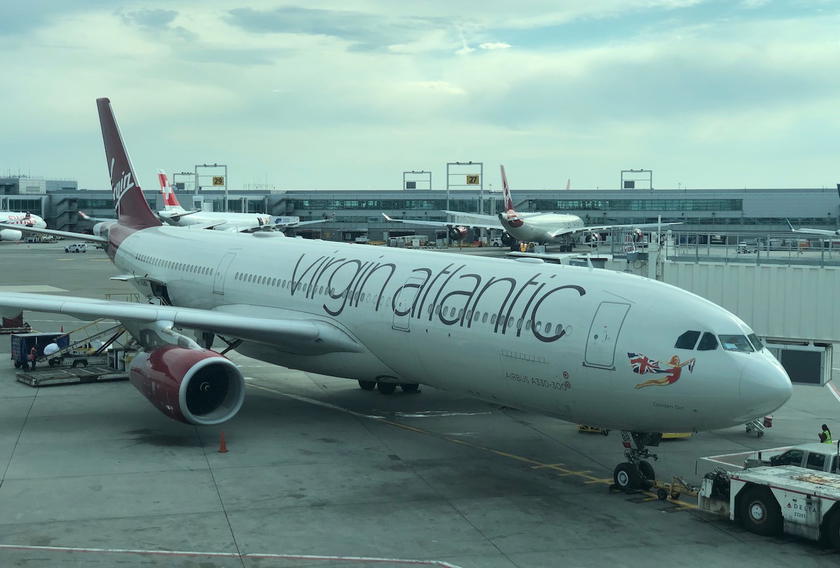 Delta owns a 49% stake in Virgin Atlantic
To be polite, for the most part Delta’s global strategy has been around investing in airlines that aren’t particularly profitable. During good times maybe that works, while during bad times it’s a different story, especially as there are questions around how many of these airlines will survive.
Compare this to American’s strategy
As stated above, on the surface American seems like they’re potentially in the worst position to weather the current storm, given their new fleet and the fact that they’re generally lagging among the US airlines when it comes to important metrics.
However, when you look at their global strategy, I’d say it’s a different story. American “only” owns a stake in China Southern, and otherwise their partnerships are pretty strong:
- British Airways is well positioned to make it through this situation (better than Virgin Atlantic), and American has a lucrative transatlantic joint venture with them
- Qantas is well positioned to make it through this situation (better than Virgin Australia), and American has a lucrative transpacific joint venture with them
- Japan Airlines is well positioned to make it through this situation (better than Korean Air), and American has a lucrative transpacific joint venture with them
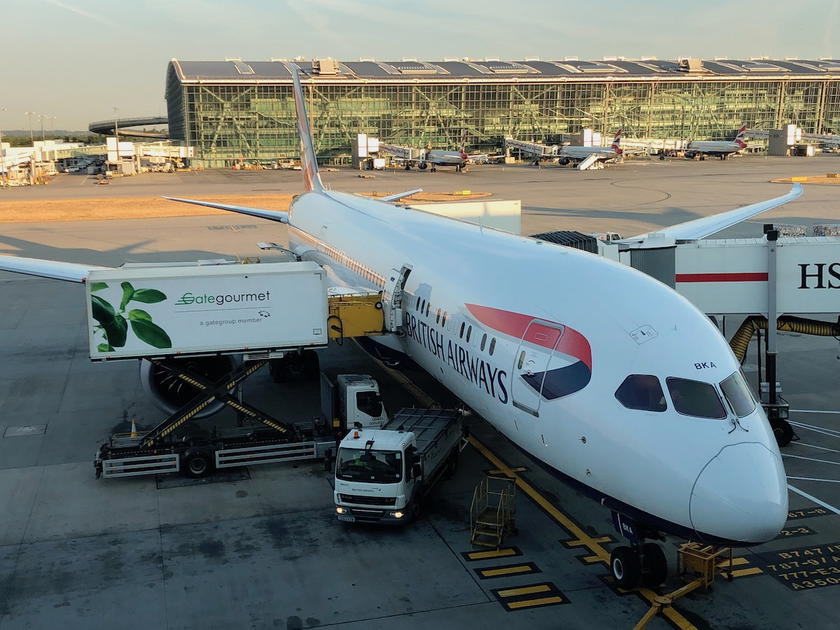 British Airways isn’t even requesting government aid at this point
Just to substantiate that a bit further, British Airways and Qantas both aren’t asking for government aid (unlike Virgin Atlantic and Virgin Australia), while Japan Airlines had been very profitable prior to this situation, while Korean Air wasn’t.
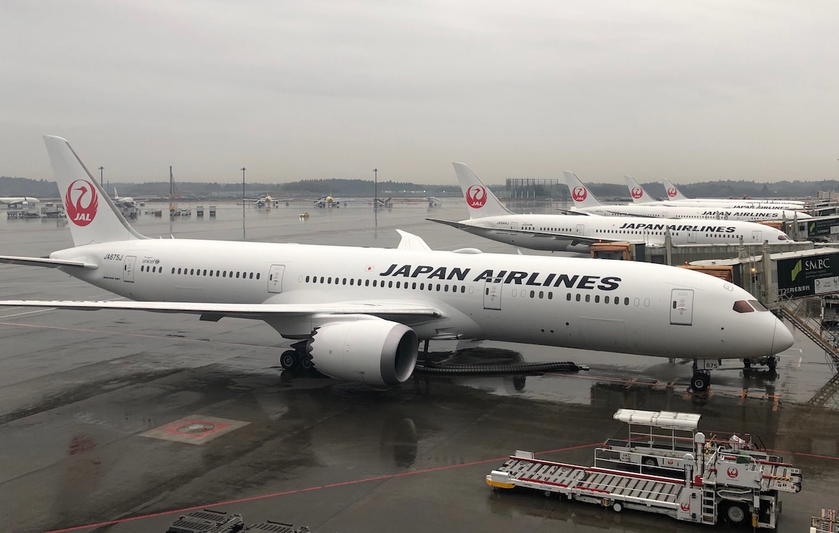 Japan Airlines has been much more profitable than Korean Air
Bottom line
My point with this post is to start a conversation and hear what you guys think, rather than suggest that Delta is in big trouble and American will sail through this without issue. I don’t at all think that’s the case.
However, as airlines fight for survival, it does make you wonder if Delta has any regrets about the strategy they’ve taken the past few years. They’ve been so focused on investing in global airlines, and that works great when times are good.
But when times aren’t good, it’s a different story. Simply put, many of the airlines that Delta has invested in are among the most vulnerable in the current climate.
It’s hard enough for an individual airline to recover from this situation, but when you have stakes in airlines around the globe, it seems like it makes the situation even more complicated.
Obviously the current circumstances are extraordinary, though even in a “normal” recession, one would have to wonder how this strategy would play out.
What do you think — does Delta’s global investment strategy work as well in light of the current circumstances, or is Delta now at a significant disadvantage?


Membership is free and takes no more information than commenting as a guest. Earn status points for good contributions, and see fewer ads as your status grows.