


Before I get into our flights home, I wanted to take some time to go over travel tips for Jordan. I really loved our trip to Jordan, and it’s a destination I’ve received many questions about.

While it takes some planning, I think Jordan is a pretty approachable country, with warm and welcoming people, so hopefully having extra details are helpful to some of you.
Plotting your itinerary
Jordan is a small country, with a rich and varied cultural landscape, that I think sometimes encourages overly-aggressive schedules. We packed as much as we could into our seven-day trip, but having another 3-4 days would have allowed us to break up the driving a bit more, have some down time, or see any of the other dozens of things we missed, like the Desert Castles, Jerash, and the Dead Sea.
It really depends on what you want to do, but I think at least outlining the trip is mandatory. I was discussing logistics with Stefan of Rapid Travel Chai ahead of time, and he summarized it as:
“For Jordan one way to look at it is if this will be Dead Sea corridor trip and or a history trip. The routes down to Petra run parallel and there’s too much on each.”
He’s right about there being too much, as you’d have to spend weeks to cover everything fully. Having now been there, I can see three general ways to “theme” the itinerary:
- A relaxing/more luxury trip, with the bulk of time spent at the resorts on the Dead and Red seas
- An archaeological/historical trip, incorporating the Roman City at Jerash (which I’m bummed to have missed), and the crusader-era castles
- A nature-focused trip, dividing time between the Reserves at Mujib, Dana, and Wadi Rum
You’ll have to see Petra regardless, of course, but it’s centrally located enough that it should be easy to incorporate.
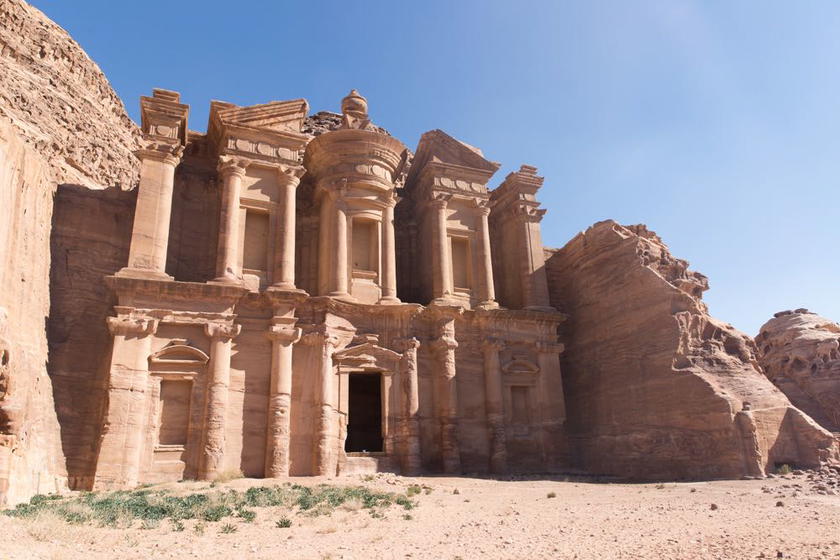
You can also spend as much or as little time at Petra as you’d like. We felt like one full day was plenty, especially in conjunction with the other things we were doing in Jordan, but some people happily spend 2-3 days. I think it depends on your pacing.
Jordan Pass
Most “tourist passes” tend to offer poor value unless you’re going to visit every site on the list, so I honestly didn’t even research the Jordan Pass ahead of our trip.
I should have though, as depending on the length of your visit it’s a complete no-brainer. That’s because the price of the pass is based around how many days you’re visiting Petra, and includes a waiver of the tourist visa fee.
For example, if you were taking a three-day trip to Jordan, with one day in Petra, you’d typically pay:
- 40 JOD Visa
- 50 JOD Petra Admission
Meanwhile, a Jordan Pass with one-day admission to Petra is just 70 JOD, so you’re saving ~$30 right off the top. If you go to any other included sites, that’s a bonus.
Seriously, get this pass. They’ll email it to you. Don’t overpay like I did.
Turkish Airlines Discounts
If you’re not staying in Jordan for long enough to qualify for the visa waiver with the Jordan Pass, you can still save 15% on admission to Petra if you’re flying Turkish Airlines to or from Amman.
I had’t seen this advertised anywhere but outside the ticket office in Petra, which seems like bad marketing, but it’s a legitimate promotion (though I don’t know how long it will last). Our Aeroplan-issued award tickets for Turkish worked just fine – I just showed our eTickets at the ticket office.
And you’ll want any discounts you can find for Petra, because that place is just horrifically expensive.
Staying Connected
I love Google Fi, but when we were there they only offered cell service in Jordan, not data (T-mobile didn’t offer either). It seems like this may have improved in the past month or so, so check for updates before your trip.
Even though I was committed to staying away from work email as much as possible on this trip, we still wanted to be able to easily look things up, stay in touch with our nervous parents, etc., so we decided to buy a SIM card for my MiFi device as well.
We spent $12 for I think 10GB of data on an Umniah 3G SIM, which worked flawlessly (there were so many special exceptions where we’d apparently get more data, and it was honestly more than I could be bothered to care about at midnight, so there are probably cheaper packages too).
We had service pretty much everywhere, even on the outskirts of Wadi Rum, and didn’t have to jump through any hoops to get the connection working. The Umniah shop is next to the Starbucks in the arrivals hall of Amman Airport, and the employees were super helpful.
Driving in Jordan
We drove over a thousand kilometers during our week in Jordan, and outside of Amman, driving was relatively easy. Navigating is the real challenge, as spellings aren’t consistent, and the driving is “active” enough that you can’t really drive and look at the map at the same time. It’s a two-person task, with one person doing the eyes-up driving, and the other matching up the map instructions with the roads.
Google Maps worked much better than our rental car GPS, with caveats. In the cities, Google Maps references street names that aren’t signed (sometimes not even in Arabic), and has no qualms sending you through alleys, camps, or the wrong way down a street. You really have to pay attention, but the driving itself isn’t bad at all.
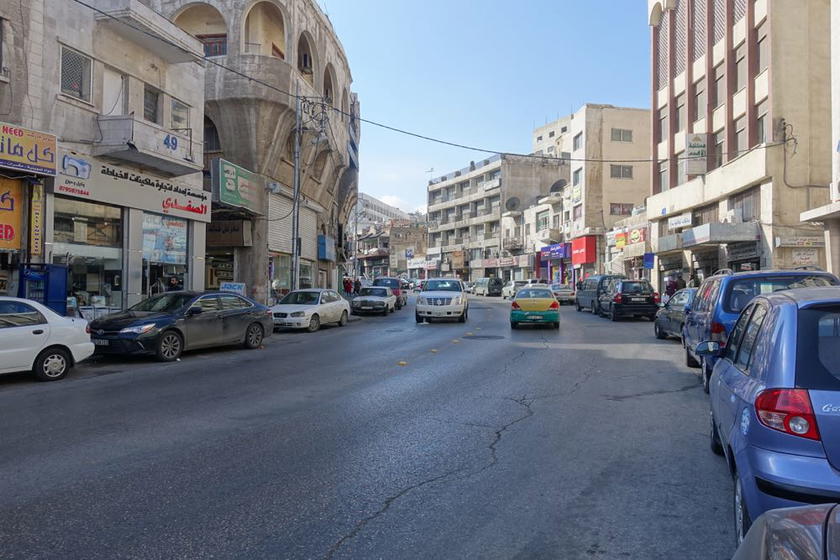
In general it was very safe, and easier than driving in the Mediterranean. We went through a dozen or so police checkpoints, which mainly consisted of looking at our blue passports and then wanting to practice English.
It’s also worth noting that distances in Jordan are short, but take a deceptively long time. Petra to the castle in Shobak is only 35km, for example, but it took us well over an hour.
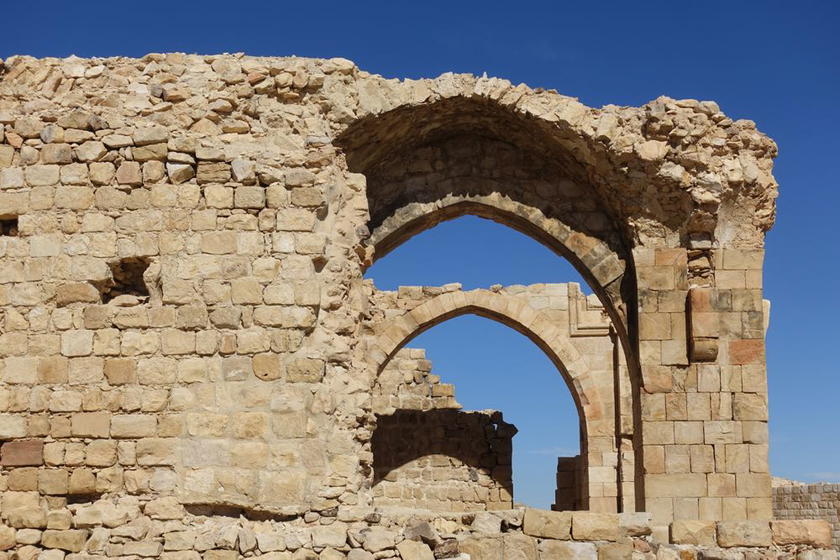
We’d seen lots of itineraries online suggesting taking the King’s Highway between Amman and Petra, and stopping at the various sites along the way as a reasonable “day’s drive”. That might be possible in spring or summer, but in winter there simply wasn’t enough daylight.
Plan on all the drives taking at least twice as long as you’d think, but I wouldn’t hesitate to recommend driving in Jordan.
Packing essentials
We were obviously traveling in winter, so our clothing list might be different than yours, so I won’t get into that other than to suggest layers. Many layers. Jordan is colder than you think it is in winter, and the mountain and desert areas are apparently windy even in summer.
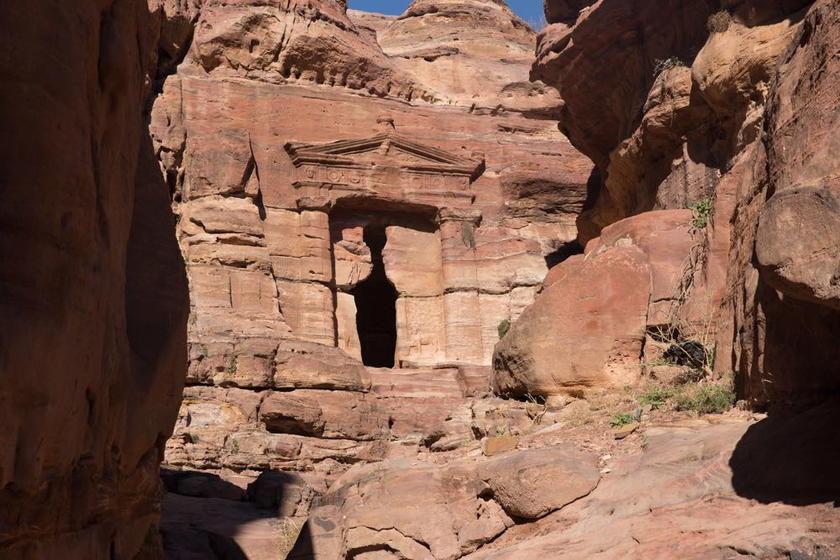
Even for Petra, however, serious footwear is strongly recommended. We packed hiking boots given all the outdoor exploration we wanted to do, and were very grateful to have them on the uneven trails at Petra.
Regardless of the time of year, you’ll also want:
- sunscreen
- water bottles (we brought cheap ones we could leave in Jordan, but in retrospect I wish we’d had something more durable that could do hot drinks as well)
- insect repellant
- cliff bars/trail mix
If you’re going to stay in any of the protected areas, you’ll also get great use out of headlamps and external battery packs. And if you’re at all prone to motion sickness, ginger chews or capsules will be a lifesaver on twisty backroads.
Tourist “stuff” is kinda expensive
This is one of the biggest contradictions in Jordan, and one that I don’t necessarily mind, given that I wanted to support the economy in Jordan as much as possible, but is good to be aware of.
Lunch at a little Lebanese restaurant on a side street of Wadi Musa featured 12 JOD ($17) entrees. The hotels were priced a bit high for what they were, and of course the prices for Petra were outrageous. We didn’t take any tours, but the posted prices we saw seemed high as well. Fuel was also a bit higher than we’d anticipated, but still reasonable enough, at about $3.70/gallon.
In contrast, amazing street food falafel in Amman was ~$5 (for both of us), and buying fruit or bottled water from local markets was often just a few cents.
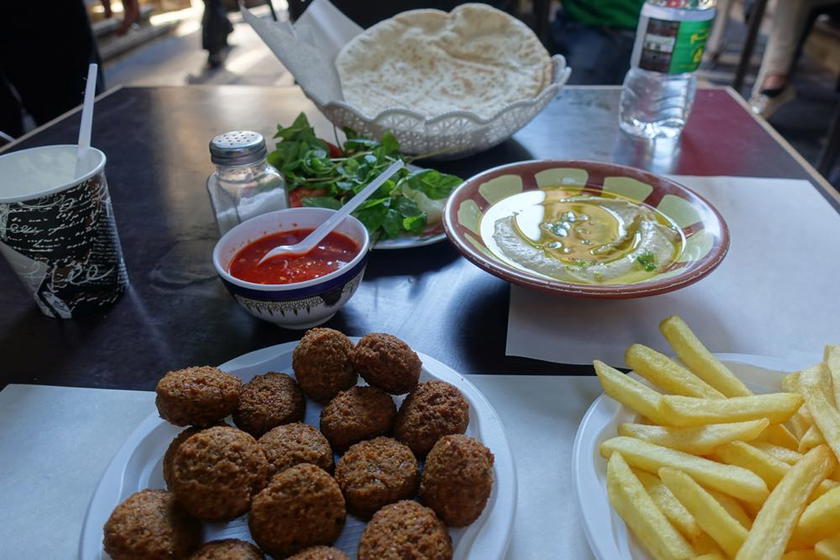
So there’s a balance.
Amman
Many sites and books recommend skipping Amman itself if you’re short on time, and that’s probably not a bad idea if you’re prioritizing.
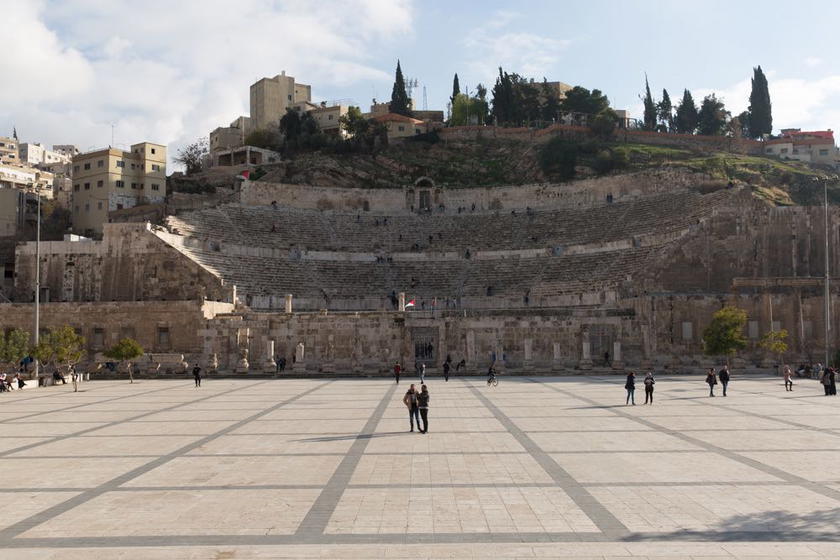
We really enjoyed our time in Amman though – I always love cities, and Amman felt like a lived-in city full of people versus some of the “show” cities you see from time to time. The food and café culture were excellent, and there were a decent amount of activities for sightseeing.
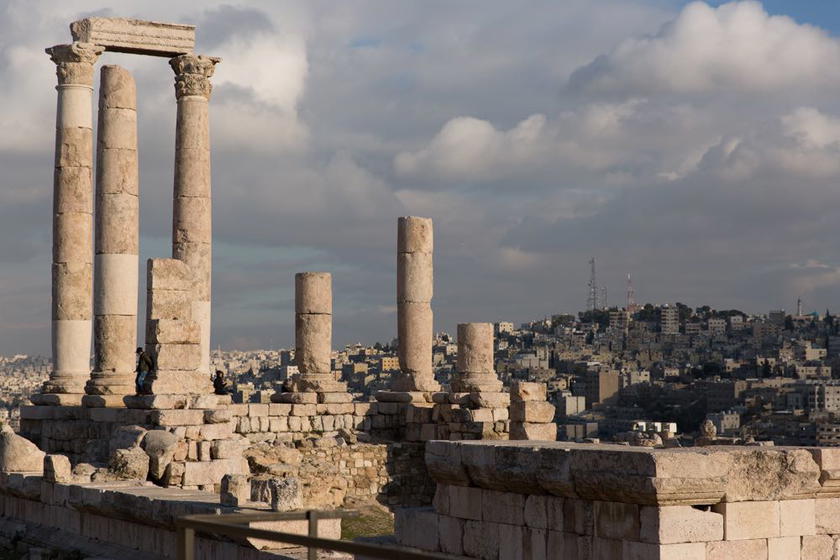
We particularly liked The Jordan Museum for a quick and digestible overview of the country and history (including Jordan’s share of the Dead Sea Scrolls).
So definitely plan on getting out of Amman to enjoy the amazing nature in the rest of the country if you can, but I think it would also be a pleasant city for a weekend break, and is certainly worth visiting.
Bottom line
With a bit of planning, Jordan is an easy country to travel in. Surprisingly, we only met one other couple the entire week that wasn’t traveling as part of a tour of some sort.
I realize some people prefer tours, but Jordan was approachable enough that there’s no reason you can’t travel independently if you’d rather. We certainly appreciated having the flexibility of our own transportation!
Any other tips for visiting Jordan?


Membership is free and takes no more information than commenting as a guest. Earn status points for good contributions, and see fewer ads as your status grows.