

I’ve been obsessed with miles & points for over 20 years. I can’t help but take a moment to reflect on just how much this hobby has changed over that time. I’ve done this in the past, but I think it’s time for an updated look, as it feels like some very clear trends are emerging.
I’ve gotta be perfectly honest, this hobby isn’t as fun as it used to be, and in some ways, getting amazing value is harder than before. But it’s not all bad news, and that negative perspective largely overlooks the ways in which this hobby has become much more lucrative than in the past.
So let’s talk about that in a bit more detail — what has actually changed, both for better and for worse? Then I’d also like to talk about the direction that things are headed, as I see it.
The miles & points hobby has gone mainstream
I got obsessed with miles & points in 2004-2005. Or put differently, I got obsessed with miles & points back when Delta SkyMiles could be redeemed for Air France first class and Singapore Airlines first class (yes, really… ugh, I miss the 747 #megatop!).
I don’t want to say that miles & points were some hobby that no one had ever heard of, but they were definitely a lot more niche than they are today. Yes, frequent flyer programs had existed for decades, and many people were members of them.
But miles & points and maximizing credit cards wasn’t a part of our society in the same way that it is today. I mean, just look at the revenue that US airlines are now generating through loyalty programs, and I think that will largely show you how mainstream things have gone.
What has contributed to these changes?
- The way we share information has changed — it used to be that miles & points and premium airline topics were discussed on internet bulletin boards made up primarily of us hardcore nerds, while now there’s endless short-form content on TikTok, Instagram, etc., making this available to a much larger audience
- What we value as a society has changed — younger generations place a heavy emphasis on travel and experiences, and are more willing to splurge on peak experiences
- The credit card landscape has become a lot more lucrative for consumers, making it easy for the average person to rack up valuable rewards, get airport lounge access, etc.
- Premium airline products have become a lot more flashy, which also increases their appeal; whether it’s an onboard shower or double bed, those features certainly make a lot more people interested
- Airlines have honestly just become much smarter businesses, and they’re better at monetizing their loyalty programs and other products, so opportunities that present outsized value often get shut down

Miles & points aren’t nearly as fun as they used to be…
Perhaps the clearest example of how much less fun miles & points have become is a look at my post with 11 amazing award redemptions from back in the day. If you haven’t been around the miles & points world for long, I don’t think you understand just got good the deals were 15 years ago.
For example, Aeroplan would allow US to Asia first class awards via Europe with two stopovers enroute for 120,000 miles roundtrip. Of course that’s an amazing price, but what was even better was the amount of award availability.
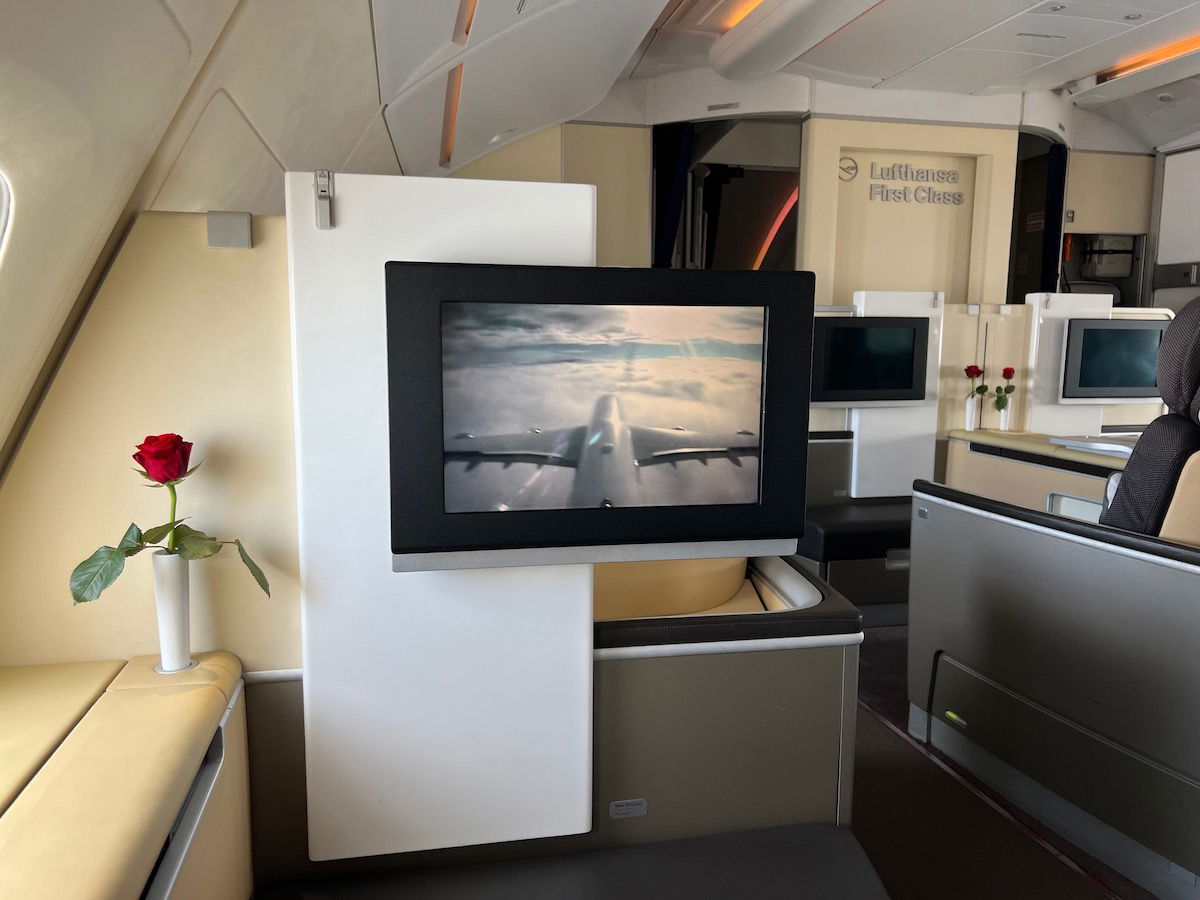
Lufthansa first class awards? They were super available, whether booking in advance or close to departure. And we’re not just talking one or two seats, but often six or seven seats. Even SWISS first class (which is now restricted to Senator level Miles & More members) could be booked with partner miles, and was super available.
There was just unlimited potential in terms of how far points could get you. Of course that’s quite a contrast to how things are nowadays, where even finding Lufthansa first class award availability within days of departure is incredibly challenging (and at the moment, availability is shut off completely).
The hotel industry was equally attractive, particularly with Hyatt Gold Passport’s Faster Free Nights promotion.
Then there was the world of mileage running, back when the concept of revenue based status qualification or mileage earning was basically unheard of. American Executive Platinum status for $3,000, while earning hundreds of thousands of miles, plus eight systemwide upgrades? Super easy!
But of course loyalty programs have gotten smarter. There are fewer opportunities to get outsized value, and there’s a lot less gamification. Loyalty programs have also changed their approach to how they open up award availability, including to partner frequent flyer programs.
Sweet spot awards are much rarer and less available, given how many airlines restrict award availability to members of their own programs. On top of that, we’re increasingly seeing airlines require members to have elite status for certain redemptions.
When I talk to a newcomer about miles & points, it can honestly be kind of hard to get them interested. Recently, a non-miles & points friend mentioned how he wanted to take his wife to the Maldives, and asked if there’s any “deal” with points.
Take the Waldorf Astoria Maldives as an example, as it’s probably the best points hotel in the Maldives. Hilton Honors massively devalued redemptions here recently, and increased the standard room cost from 150,000 points per night to 250,000 points per night. Not only that, but you still typically won’t find any standard room availability.
I think this sums up the reality at so many aspirational hotels nowadays. It used to be that hotel “no blackout date” policies basically guaranteed availability. However, nowadays finding standard room availability at many premium hotels is almost like playing the airline award availability “lottery.”

…but it’s not all bad news for miles & points
The miles & points hobby definitely isn’t as fun as it used to be, for those of us who get a thrill out of the chase. That being said, in many ways I’d say it’s more lucrative than ever before.
You know what we didn’t have in 2010? Well, all these amazing credit cards with massive welcome bonuses, bonus categories that can earn you 3-5x points per dollar spent, etc. Us savvy folks were using the Starwood Preferred Guest Amex for most of our spending, which had a modest welcome bonus, and earned one Starpoint per dollar spent (which could then be turned into one mile, with a 25% bonus for every 20,000 points transferred). That was as good as it got. And transferable points currencies? Well, they weren’t nearly a robust or flexible as they are now.
Speaking of premium cabin travel, one of the reasons that miles & points were so important back in the day is because airlines just had absolutely outrageous pricing for their premium cabins. Nowadays airlines will sell you upgrades to first class for tens of dollars. So yes, status may be harder and less fun to earn, but don’t even bother, because there’s not that much value to actually having it.
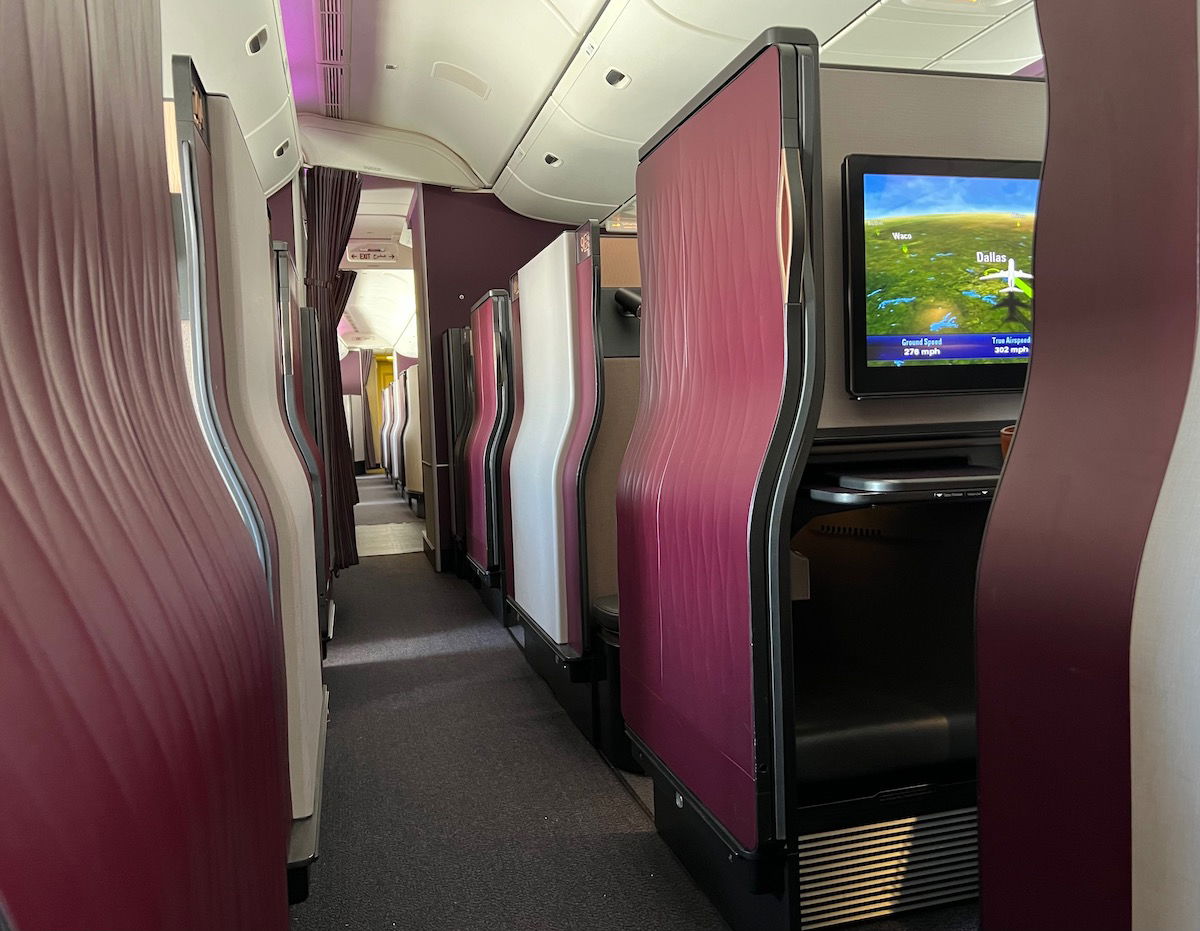
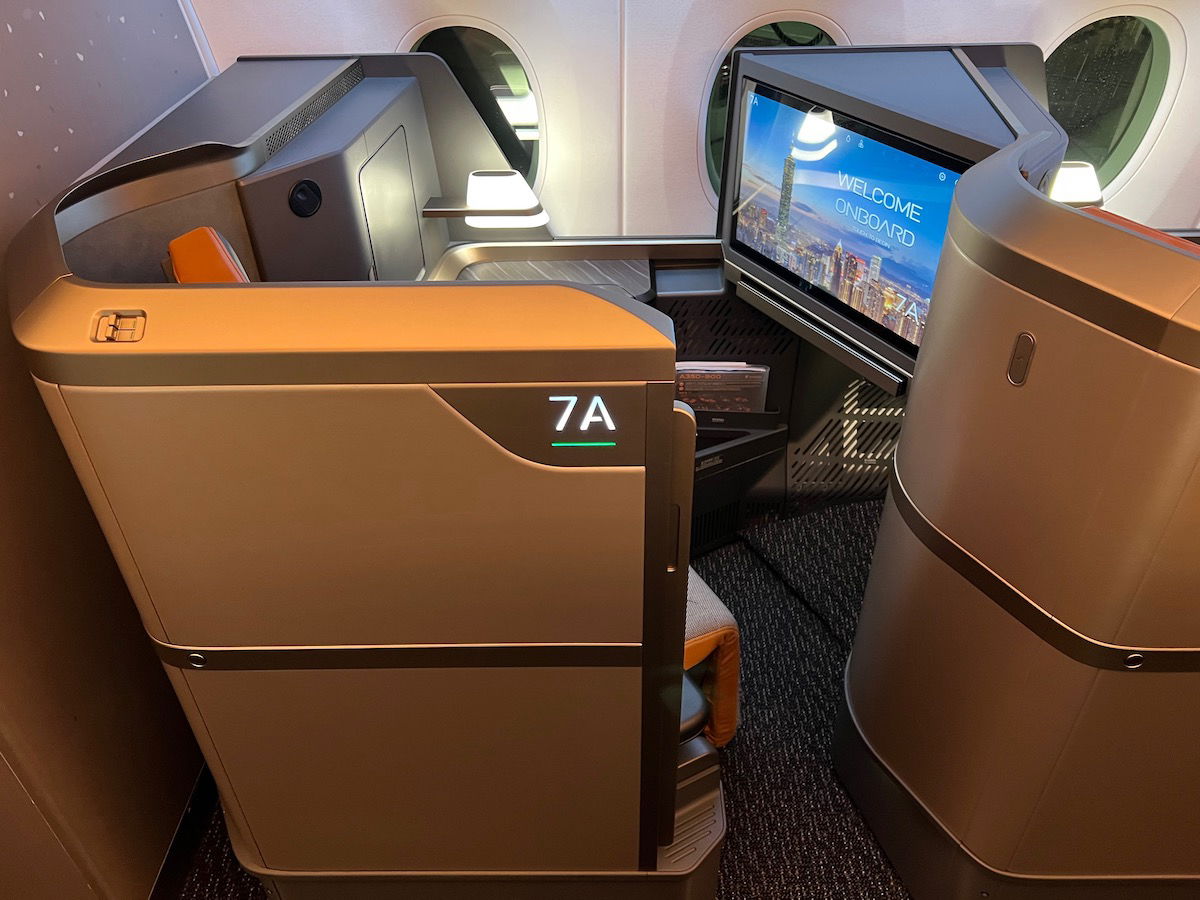
Oh, and the caliber of airline products and airline lounges we see nowadays? It’s on a completely different level than we saw when I started. Back in the day, it was exciting when an airline had angled seats in business class. Nowadays, many of us will barely settle for a product unless it has a door and dine on demand. 😉
The way I view it, the strategy for maximizing travel, and in particular miles & points, has changed:
- Airline elite status isn’t as important as it used to be, given how status has become much harder to earn (or at least comes with more opportunity cost), while offering significantly less value
- Credit cards with big bonuses and multipliers largely let people redeem points as cash toward the cost of travel, potentially offering good value
- Loyalty programs often sell points directly at a reasonable cost, which can be a way to score a deal on a premium cabin ticket or luxury hotel stay, with some effort
- There are still lots of amazing premium experiences to be had, though the key is to be ready to plan travel at any moment
I think that last point is worth emphasizing. For example, take a redemption at the Waldorf Astoria Maldives. It’s absolutely possible to book with points and get a good deal, even if there might not be availability for the entire calendar right now. Often availability opens up in spurts, and that’s the time to lock in a stay.
Similarly, people with Alaska Atmos Rewards points might be frustrated by the lack of Fiji Airways and Starlux business class award availability, yet every so often we see the floodgates of availability opened, and you can lock in some great itineraries. You just have to be ready to plan at a moment’s notice.
The miles & points hobby isn’t dying, it’s evolving
I’m not trying to sugarcoat things here for us old-timers, because as I said at the beginning of this post, the ability to maximize points is so much more difficult and less fun than it used to be.
But I think there’s a further topic here to be discussed, about what the future holds. The irony is that while miles & points are less interesting to those of us who have been in the hobby for a long time, the interest globally is at an all-time high. It’s not just that interest is high, but airlines also care about these programs more than ever before, given the profit centers they are.
How can airlines keep milking these programs for profits while having fewer “carrots” to dangle for members? I think one point to acknowledge is that most consumers aren’t necessarily rational. Like, people don’t spend on co-branded airline credit cards because they’ve crunched the numbers and decided they’re doing better than a 2% cash back card. Instead, they like a brand, they want the co-brand card perks, and they feel like spending on that card is the right thing to do. That’s the story of the Apple Card, for that matter.
My point is to say that programs don’t actually need to be that lucrative or rewarding to keep interest among members.
When it comes to award availability, I think the single biggest trend we’ll see in the coming years is reasonably priced seats increasingly being restricted to members of the “native” frequent flyer programs, and maybe some premium cabin awards increasingly being restricted to elite or credit card members in a program.
We’ve seen a ton of this already, and I think that’s only the beginning. I of course don’t like that, because it greatly limits arbitrage opportunities, the ability to book multi-partner awards, etc. At the same time, this was bound to happen, when we see programs essentially monetizing the award space of partner airlines by selling points, partnering with transfer programs, etc.
So I think some number of years down the road, most of us will be pretty limited in terms of our ability to redeem across airlines with ease. Instead, I think it’ll be all about having miles in that “native” program.
But the reality is that there’s still upside. The biggest aspirational goal people have with miles & points is to travel in premium cabins at a good value. Airlines will continue to have empty seats they are happy to have booked with miles, they’re sort of just taking a different approach to who those seats go to.
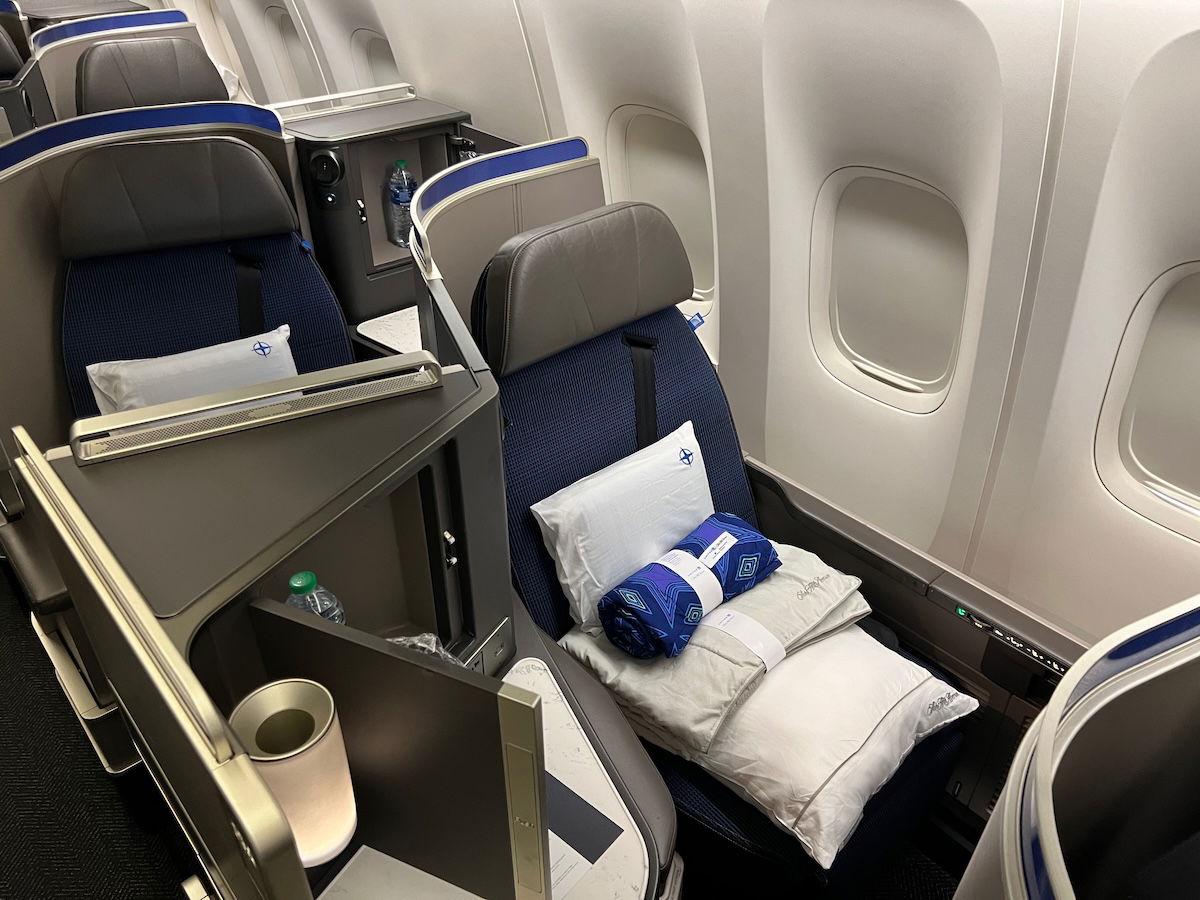
For example, while United has almost entirely cut Polaris business class award availability with partner programs, it’s pretty readily available at an okay cost if you’re booking directly through MileagePlus. So it’s not like there’s no value anymore. It’s just that there aren’t opportunities to buy 120,000 US Airways miles for $1,200, and then fly four long haul segments in Lufthansa and SWISS first class. 😉
Bottom line
The miles & points world is constantly evolving. This hobby was very different in 2006 than it is in 2026, as you’d expect (I mean, what hasn’t changed in the past 20 years?).
There are definitely a lot of things that I miss, including the opportunities for gamification, plus how available premium cabin award space was at the time. That combination made things so fun, because if you put in the effort, you could always come out way ahead.
However, a lot has also improved over the years — points are much easier to earn, in many cases premium cabins are just priced reasonably, and the caliber of airline and hotel products is on a different level than it was back then.
What’s your take on the evolution of the miles & points world?




The old game was:
* Find loophole
* Exploit loophole
* Get ridiculous value
* Fly Lufthansa First for $200 in taxes.
The new game is:
* Earn 300,000 points from Amex Biz Plat
* Spend hours figuring out credits
* Debate whether the points are worth more as travel or cash
* Feel vaguely guilty whichever option you choose
That’s not nearly as fun.
I don't know what the future holds, but for the moment miles and points remain a valuable tool for my family and I and we feel blessed and grateful to be able to experience a level of travel that goes well beyond our cash budget and well beyond what I experienced when I was growing up. I will admit to being very fortunate that a combination of my wife's small business spending and my own...
I don't know what the future holds, but for the moment miles and points remain a valuable tool for my family and I and we feel blessed and grateful to be able to experience a level of travel that goes well beyond our cash budget and well beyond what I experienced when I was growing up. I will admit to being very fortunate that a combination of my wife's small business spending and my own corporate travel has granted us points earning opportunities that not everyone has, but I also know many people with more points than I have that don't make much effort to understand their options and as a result get far less value. As a 1K I've even gotten what I consider to be quite a few good United redemptions in recent years -- for example, 2 tickets at 115K/ticket LAX-LHR earlier this year in Polaris, which I was pretty happy with, or even short trips like AUS - LAX in Y for 12.5K for an upcoming trip. Other recent examples include -- 4 Mint seats East Coast to LAX w/ Eithad (50K/ticket), short hops on AA from SoCal to PHX for 6K Eithad points + nominal taxes/fees, often available last minute for flights priced at $200-250 in Y (at those prices I will take the cancellation risk). 4 J seats LAX - NRT RT for next spring on SQ and JL (this one hurt a bit, bc it cost ~ 1M Capital One points RT but we got 4 seats in peak cherry blossom season). So while I agree there were clearly better arbitrage opportunities "back in the day" (I'm a bit older than you Ben, but not much -- although I sure wish I had had your expertise when I was in my 20s!) I'm a glass half full guy. One day (redemption) at a time :-)
My take is that airlines are basically doing what Las Vegas has been doing : maximizing profits and going for the high net pax at the cost of your other customers (that get priced out one way or another).
I predict the same outcome.
we all know that the CC part is largely a US thing, but has global consequences on award pricing and availability, this has been covered before; but i think one "negative" element, especially on the EU side, that is not covered is the huge increase in airline surcharges on the 3 major EU airlines. You actually hardly get back and forth between the US and EU anymore without adding 1000 eur on top of your...
we all know that the CC part is largely a US thing, but has global consequences on award pricing and availability, this has been covered before; but i think one "negative" element, especially on the EU side, that is not covered is the huge increase in airline surcharges on the 3 major EU airlines. You actually hardly get back and forth between the US and EU anymore without adding 1000 eur on top of your miles if you want to fly C or F. On the other side, the "native" thing is very true, but we have to be honnest. It can be your advantage as well. To be honnest, in 20 years, i have always been able to book 2 C or F seats to any destination I wanted on the exact day and flight I wanted, over 20 times on LH/LX metal (lifetime SEN here). By the way, everyone here complains that LH restricts, but accepts without complaining that AF F is actually not available (only to elite and at an unreasonable price in miles) - yes i know their hard and soft product is better, but just not really accessible with miles, whilst LH still is
Personally I know practically nothing about the “Miles and Points World” and came to this website in the expectation of learning more about the subject. When I read an article followed by the post from a Walter Mitty character, I shake my head in disbelief.
The Walter Mitty character who posts under the “Tim Dunn” login, would appear to be doing so on this thread simply to ‘cosy’ up to Ben. Its motives are simply...
Personally I know practically nothing about the “Miles and Points World” and came to this website in the expectation of learning more about the subject. When I read an article followed by the post from a Walter Mitty character, I shake my head in disbelief.
The Walter Mitty character who posts under the “Tim Dunn” login, would appear to be doing so on this thread simply to ‘cosy’ up to Ben. Its motives are simply to ingratiate itself into Ben’s favour …. one has to wonder why?
Below, 1990 summed up the Walter Mitty’s transparent post with his “Slow clap” comment. One can only echo that sentiment.
I don't get the bit about status being worth less than it used to be- if anything, things like 'business light' fares and tighter restrictions on hand luggage in Y mean a cash saving on lots of flights for people who are unable/unwilling to travel light.
I've been doing points and miles since Eastern Airlines days and the first year of American. It is harder to get awards but I agree with Ben. If you work it a little you can score great seats that couldn't be imagined back in the early eighties.
Wake me up when I don't have time to sleep on a transatlantic flight, because by the time I enjoy a glass of vintage champagne and lobster we're already landing.
And we could do that in the 70s.
I'm sure that Icelandair are perfectly capable of serving champagne and lobster!
Sure, you can earn 3x as many points now, but awards cost 6x as much. Not only have the goal posts moved, you need points in the program of each individual airline you're flying now. For hyper-optimizers, there are still a few good deals, but these are few and far between. I spend virtually all of my Aeroplan points on PYB redemptions.
Whilst things are changing, it is still pretty easy to fly transatlantic for less then 800USD oneway, and even Lufthansas new Allegris First is doable with miles.
It's not all bad. Just better hidden for people who understand the game.
But for sure - this whole thing will get harder and sooner or later rather obsolete.
Lufthansas approach of offering a pretty easy elite status, but super shitty award redemptions does seem like one of the ways to go.
I don't know how true this is today, but I think in the future, more and more of the people who fly business and first class will not be ordinary folks using miles, but only people who get their companies to pay for the flights.
Disagree. The trend seems to be the opposite. People pay for first/business and have displaced freeloader OPM elite flyers expecting an upgrade.
There are plenty of pax in first & biz who pay cash for own tickets for leisure travel. You won't find many companies paying for their staff to travel in first class these days, unless it's for the owner or very senior management.
It used to be that airlines were loyal to their FF customers, and we would reciprocate. Slowly but surely, all the airlines started saluting their customers with the middle finger when they discovered the CC. They formed alliances to gain customers on different metal. Then said F You to using partner airlines. Just give the customer a big Lillie, and they will follow anywhere.
As for me, I haven't used OPM in many years. Free...
It used to be that airlines were loyal to their FF customers, and we would reciprocate. Slowly but surely, all the airlines started saluting their customers with the middle finger when they discovered the CC. They formed alliances to gain customers on different metal. Then said F You to using partner airlines. Just give the customer a big Lillie, and they will follow anywhere.
As for me, I haven't used OPM in many years. Free agency let's me sleep at nites without worrying how I will get a FC seat on preferred airline exactly when I want it. And I don't run around screaming at my once preferred airline because they just want to monitize seats. How dare they!
The best part of miles and points in the US is flexibility. Have a trip in mind for next spring with the family? Redeem points now, can probably get some good saver fares, and then either keep the flights or cancel them - no penalties on the Big 3, points get refunded immediately.
And if you book in advance can still be great international deals, although I find that I sometimes am leaving a day...
The best part of miles and points in the US is flexibility. Have a trip in mind for next spring with the family? Redeem points now, can probably get some good saver fares, and then either keep the flights or cancel them - no penalties on the Big 3, points get refunded immediately.
And if you book in advance can still be great international deals, although I find that I sometimes am leaving a day earlier or later than ideal in order to get the "deal" especially when looking for 4x tickets each way. Sometimes that's a deal breaker, often not.
And figure out what you value - nothing wrong with flying business o/w and economy the other.
Premium economy has been meaningfully improving too, I recently had a 10-hour flight in it which was extremely comfortable.
In terms of award cancellation for big 3, Delta charges $150 for award cancellations for tickets ORIGINATING from outside US. Definitely a significant disadvantage.
Even $150 doesn't really move the needle on a redemption in the multiple tens of thousands (maybe even 100k+) of miles. Most European airlines charge €50-100, it's not quite the end of the world.
Pan Am first. Concorde. But, the fact is that seats are better today.
These are the flights I have taken and will take in 2026 (apologies for the humblebrag):
Qatar QSuites (A35K)
Emirates First (Gamechanger 777)
Turkish Airlines Business (A359)
Air France Business (A359)
Starlux Business (A35K)
Cathay Pacific First (77W)
American Airlines Flagship (321XLR - hopefully!)
This doesn’t include the 3 intra-Asia J flights I have booked. All of these (and many domestic flights) were booked with miles. Yes, I...
These are the flights I have taken and will take in 2026 (apologies for the humblebrag):
Qatar QSuites (A35K)
Emirates First (Gamechanger 777)
Turkish Airlines Business (A359)
Air France Business (A359)
Starlux Business (A35K)
Cathay Pacific First (77W)
American Airlines Flagship (321XLR - hopefully!)
This doesn’t include the 3 intra-Asia J flights I have booked. All of these (and many domestic flights) were booked with miles. Yes, I can’t book that Emirates flight anymore (really glad I did last year!) and I didn’t get the QSuites flight at saver level (and never would have if I wanted that specific date), but opportunity still abounds, as long are you’re willing to put the effort in and you’re sometimes okay with spending a little more.
Your overview and observations are spot on Ben, chasing status and that upgrade with points has for me become tiresome, the top tiers of most if not all of the loyalty programmes are completely diluted and lack the prestige and gratitude loyalty once meant to the industry. The once secret tiers and perks that a select few held in great confidence and kept from prying eyes again no longer a whisper and a wink of...
Your overview and observations are spot on Ben, chasing status and that upgrade with points has for me become tiresome, the top tiers of most if not all of the loyalty programmes are completely diluted and lack the prestige and gratitude loyalty once meant to the industry. The once secret tiers and perks that a select few held in great confidence and kept from prying eyes again no longer a whisper and a wink of the eye and frankly not worth being loyal. There are a few “super secret” tiers that you hear about and these are way beyond the means of the vast majority and as far as I can see not out there for public comment. We enjoyed the golden years for sure, it’s evolving in a way more suited to the young.
10+ years ago points were harder to come by but went much further with a plethora of solid to excellent options. SPG redemptions and an almost guaranteed upgrade at check in - ah, bless.
Not so much these days. Planning a family vacation this year I have reward seats for travel, and paid hotel stays - I could basically do one or the other but spending actual money opens up hotel options I couldn't access...
10+ years ago points were harder to come by but went much further with a plethora of solid to excellent options. SPG redemptions and an almost guaranteed upgrade at check in - ah, bless.
Not so much these days. Planning a family vacation this year I have reward seats for travel, and paid hotel stays - I could basically do one or the other but spending actual money opens up hotel options I couldn't access with any number of points regardless.
Cash is king, ultimately.
I feel like FF programs are trying to have the cake and eat it too by chopping off status perks as much as possible and, at the same time, making award availability the only meaningful benefit of said status. However, could this be their strategy to try to gain more leverage than credit cards (since airlines are the ones with the premium cabin seats everybody wants)? I'm not versed in the 'behind the scenes' aspects...
I feel like FF programs are trying to have the cake and eat it too by chopping off status perks as much as possible and, at the same time, making award availability the only meaningful benefit of said status. However, could this be their strategy to try to gain more leverage than credit cards (since airlines are the ones with the premium cabin seats everybody wants)? I'm not versed in the 'behind the scenes' aspects of credit cards, but I'm tempted to think that right now credit cards are the ones with more leverage (are they not?).
So, you finally understand. The airlines have the cake and are eating it. Capitalism at its best.
Yeah :'(
There's nothing capitalistic about a credit card duopoly/oligopoly imposing enormous costs on merchants and consumers and using that leverage to create artificial barriers to entry/competition within the air transport industry.
I've written this before - regulatory capture and market distortion are brilliantly summarised by the fact that the USA have been attacking Brazil in the WTO for the decision of its central bank to create the Pix payments system as free-to-use infrastructure for its...
There's nothing capitalistic about a credit card duopoly/oligopoly imposing enormous costs on merchants and consumers and using that leverage to create artificial barriers to entry/competition within the air transport industry.
I've written this before - regulatory capture and market distortion are brilliantly summarised by the fact that the USA have been attacking Brazil in the WTO for the decision of its central bank to create the Pix payments system as free-to-use infrastructure for its own citizens.
Except for people with almost complete flexibility on travel schedule and/or neuro-atypical enjoyment of maximizing card credits, categories, and chasing down awards, they'd be better off with the Robinhood 3% cash back card.
I'm nowhere near at the level of Lucky, and I appreciate his take. However, my take is similar. For my next Europe trip, I'm not using points. No airline points and no hotel points. I'm using Amex plat hotel credits, and various lounge access, etc. But with fuel surcharges, nerfed programs, availability games, etc., it was far cheaper to get across (and stay) across the pond with cash.
So you're flying paid Business/First on longhaul flights?
Personal question to you Tim.
Why is it for YOU that Delta is "worth pursuing loyalty".
where did I ever say that - for any airline, hotel or car company?
This all make sense if air travel remains strong... but many of our complaints (J/F availability, partner award availability, etc) can turn on a dime when demand falls. Not rooting for that by any means but its a fact of life. We'll see what the market can bear.
Exactly right. Post COVID, travel demand has been exceptionally high. The past month or so demand looks to be starting to soften if the # of hotel bonus point/bonus stay offers emerging the past few weeks is any guide. If they continue, redemption opportunities will almost certainly open up further.
Pretty much as I see it too Ben. Time to get the most value and enjoyment out of my remaining miles and points as possible. I've actually got a 5 night redemption coming up at WA Maldives. Lucky enough to book when the devaluation was only 200K. Not sure I'd bite at 250K. Hard to imagine it's worth the cash price 2K-2.5K they're asking for the room per night.
Ben's analysis is almost perfect, for US airlines. I might quibble with the assertion that status is less valuable and say it's less useful for upgrades, but more useful to unlock other benefits (like United's Polaris availability).
I think a close examination of Air Canada's program is instructive on the question of elite status, which I think is more important now than ever, even if the US airlines are behind AC in their evolution. In...
Ben's analysis is almost perfect, for US airlines. I might quibble with the assertion that status is less valuable and say it's less useful for upgrades, but more useful to unlock other benefits (like United's Polaris availability).
I think a close examination of Air Canada's program is instructive on the question of elite status, which I think is more important now than ever, even if the US airlines are behind AC in their evolution. In Aeroplan, we frogs now realizes the water is really hot. Longhaul premium cabin awards are theatrically overpriced when departing Canada, almost impossible to find departing USA, and algorithically skewed to AC metal. But Aeroplan Super Elites have access to awards at 50% off by using their Priority Rewards coupons. In effect, these redemptions are so expensive that no knowledgeable person would book them, so they're "reserved" for Aeroplan Super Elites. This approach is different from US programs and it makes high elite status very valuable.
Another way AC makes high status more valuable than US carriers is North American ("domestic") upgrades. All upgrades require spending coupons ("eUpgrades"), only elites have the coupons, higher elites have earlier access and higher waitlist priority. AC is far less aggressive with cash upgrade sales and Canadians less inclined to spend for them than their US counterparts, so most domestic front seats go to elites redeeming eUps.
The elephant in the room is that post-pandemic, worldwide, airlines are adapting to the disappearance of what used to be called "business travellers". Flights had more award seats because there were more scheduled flights, competing with each other on schedule, to accomodate business travellers paying high fares. The planes had lots of seats ("distressed inventory") which we gobbled up. Now those carriers operate fewer flights, filling them up fuller, leaving only crumbs for us. Moreover, they've figured out how to sell the crumbs. It's amazing there's anything left for us.
Expect Status to become the golden key to awards on US carriers in the coming years, as it already is on non-US carriers.
DenB, I think your take is very good re: Air Canada and what's coming.
In effect, these redemptions are so expensive that no knowledgeable person would book them
Super Elites are also the only ones who would ever spend points on crappy AC metal.
The rewards programs of the past are gone. That era is over.
What we are seeing today is a fundamental shift. These so-called rewards programs are becoming less about rewarding customers and more about customer cultivation.
The objective is simple. Companies want consumers embedded within their ecosystem of products and services where they can continuously market, cross-sell, and extract additional revenue. Loyalty is no longer the end goal but merely the mechanism.
Take United as...
The rewards programs of the past are gone. That era is over.
What we are seeing today is a fundamental shift. These so-called rewards programs are becoming less about rewarding customers and more about customer cultivation.
The objective is simple. Companies want consumers embedded within their ecosystem of products and services where they can continuously market, cross-sell, and extract additional revenue. Loyalty is no longer the end goal but merely the mechanism.
Take United as an example. Increasingly, the most meaningful benefits are tied not to flying but to holding the right credit card and participating in the broader financial ecosystem. The initial rewards can be attractive and sometimes even generous enough to draw people in and establish new habits. But once a program reaches sufficient scale and customer dependence, the incentives often become less generous, the requirements more complex, and the value proposition steadily weaker.
Then comes the next “enhancement,” the next status tier, the next card, the next spending threshold, and the next hoop to jump through. Spare a thought for Lifetime Premier Diamond members now navigating the introduction of the Diamond Reserve tier.
Meanwhile, the underlying purpose remains unchanged. It is to increase the airline’s or hotel’s bottom line. United’s CEO has already stated an ambition to double the profits generated by the loyalty program within five years. That may be excellent news for shareholders, but it hardly points toward a future of richer awards or greater customer value.
What is happening is a form of consumer cultivation. Customers are being trained to accept diminishing returns while expending more of their own time, attention, and money to maintain benefits they once received with far less effort. The burden steadily shifts from the company to the consumer.
The smart consumer recognizes this dynamic and shops comparatively, refusing to jump through corporate-set hoops. But corporations are banking on those who do not, drawing them into an endless cycle of spending, qualifying, and requalifying while steadily maximizing profits from an increasingly captive customer base in a landscape where meaningful competition is increasingly limited by oligopolistic structures.
I was talking with Lucky on another post and in my 16 years of doing this (12 professionally) it’s never been as bad as this on the redemption side. There are dates when there are no flights with bookable J seats across the Atlantic on any airline — not counting absurd rulebuster prices on DL/AC/UA/AA/VS.
The amount of flexibility and creativity required is just way, way higher than it used to be
AC is obsessed with defeating Mileage Brokers and Award Search Tools. So only a AC Super Elite can book J TATL at a reasonable price, using a Priority Reward. The typical Mileage Broker doesn't have AC Super Elite Status, so can't book at a sensible price. From AC's perspective, "problem solved". Obviously this "solution" creates a slew of problems but one can't reason with the obsessed.
Politician's logic:
Something must be done.
This...
AC is obsessed with defeating Mileage Brokers and Award Search Tools. So only a AC Super Elite can book J TATL at a reasonable price, using a Priority Reward. The typical Mileage Broker doesn't have AC Super Elite Status, so can't book at a sensible price. From AC's perspective, "problem solved". Obviously this "solution" creates a slew of problems but one can't reason with the obsessed.
Politician's logic:
Something must be done.
This is something.
Therefore we must do it.
Yeah Aeroplan is an absolute shell of its former self as far as us normies go. Thanks for explaining why!
Why do you say only AC super elites can book J TATL at a reasonable price? I just booked two of these on May 31, on Lufthansa and Swiss, for 70K points each. It wasn't hard, even though I haven't flown on AC since 2007.
And I'm all for AC defeating mileage brokers.
I haven't come across any issues finding transatlantic business class availability on ET, Air Europa, and Aerolíneas Argentinas. They might not be the most exciting airlines in the world but they do get one there. AFKL also reliably have premium cabin seats available on certain transatlantic routes (e.g. LIM).
If anything, the real pinch point nowadays seems to be between Europe and the Far East due to everyone's desire to avoid Middle Eastern connections.
Ben, this looks like a recycled post from December 22, 2025 (without "and What's Next" in the headline) that you just over-wrote....
I found the post useful, welcome and timely.
I found your comment snarky.
Ben said that he periodically revisits the topic. And, some people miss the prior version.
"You know what we didn’t have in 2010? Well, all these amazing credit cards with massive welcome bonuses, bonus categories that can earn you 3-5x points per dollar spent, etc. Us savvy folks were using the Starwood Preferred Guest Amex for most of our spending, which had a modest welcome bonus, and earned one Starpoint per dollar spent (which could then be turned into one mile, with a 25% bonus for every 20,000 points transferred)....
"You know what we didn’t have in 2010? Well, all these amazing credit cards with massive welcome bonuses, bonus categories that can earn you 3-5x points per dollar spent, etc. Us savvy folks were using the Starwood Preferred Guest Amex for most of our spending, which had a modest welcome bonus, and earned one Starpoint per dollar spent (which could then be turned into one mile, with a 25% bonus for every 20,000 points transferred). That was as good as it got. And transferable points currencies? Well, they weren’t nearly a robust or flexible as they are now."
A very US-centric take, the travel miles and points game is basically already dead outside the US where these massive sign up bonuses for credit cards and ridiculous earnings rates paid for effectively by inflating the price of goods you purchase don't exist. Trust me, it will die in the US too, it will just take longer. The reason it will die is that pretty soon the only people staying at Waldorf Astoria / Ritz-Carlton etc. hotels anywhere in the world will be those from the US with credit cards and at that point every single one will likely become a terrible points factory (what's the point spending money on actually premium service and product when everyone is already a captive guest?).
Agree we get no points earning in Australia
How dare Ben, a US-resident writing a US-focused blog, provide "A very US-centric take"!
You're right that the points/miles game is much bigger in the US. But it won't die because of the reason you will describe. It will only die when interchange rates (which fund rewards) fall in the US in line with the rest of the world.
No, it’s not just ‘much bigger in the US’, it’s that the game is now fundamentally broken everywhere that doesn’t have US style credit cards because they distort the whole market so much.
I also wasn’t criticising Ben for writing a post for a US audience (which yes, are probably the majority of readers). I was criticising for the failure to understand the world outside of the US and how the withdrawal of literally everyone...
No, it’s not just ‘much bigger in the US’, it’s that the game is now fundamentally broken everywhere that doesn’t have US style credit cards because they distort the whole market so much.
I also wasn’t criticising Ben for writing a post for a US audience (which yes, are probably the majority of readers). I was criticising for the failure to understand the world outside of the US and how the withdrawal of literally everyone else will eventually negatively impact US credit card holders too (unless you’re saying you’re happy to spend your points only in hotels that are effectively tourist traps and the same poor quality as the ones back in the, US populated only with other US guests largely paying with points).
@Tom you get far enough away from US-centric markets and there's still plenty of need to compete for premium travelers. A Ritz-Carlton in Tyson's Corner will have plenty of captive road warriors and points optimizers, but a Ritz-Carlton in Langkawi still needs to attract the local market.
Bitter, table for one?
It's also the only thing keeping the US Based airlines in business.
*slow clap* A rare, based, non-Delta comment. Niiice.
A tale of two Citibanks?
good read- it's interesting that the old ways can basically be summed up as: "the people running these businesses were really stupid, and not theyre not". Like the AA example you gave for $3k, how did anyone greenlight that as a possibility, even without the benefit of hindsight?!?!
I'm still enjoying the hobby even today, it's just different like you said. I've still flown 3 international F products, and 12 international J products in the past 5 years all on points
You dont have to call or fax airlines as much anymore either