
In light of Sunday night’s incident on a United flight between Chicago and Louisville, an interesting discussion is starting to emerge about the legality of what United did, by refusing transport to this passenger. What seems to have happened here is that the flight wasn’t actually oversold in advance (rather it was booked to capacity), but then last minute four United employees needed to be transported to Louisville, so they could work a flight from there the next day.
What’s unusual is that they were only booked on the flight last minute, and apparently everyone had already boarded. That’s what makes this exceptionally rare, and one has to wonder how exactly that happened, especially when they had already boarded a flight that was at capacity.
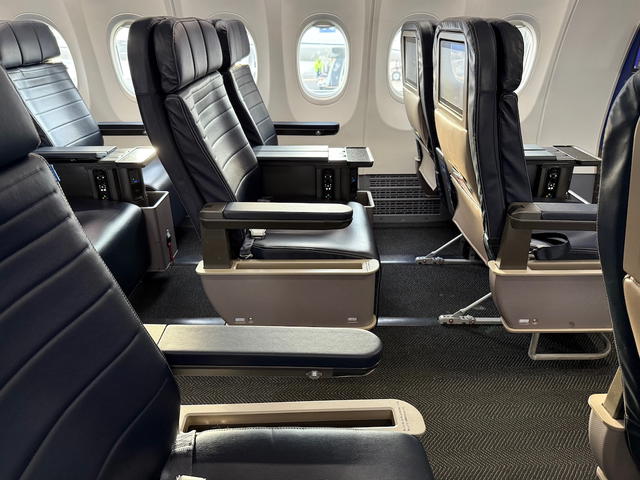
So far the conversation has centered around how this passenger was involuntarily denied boarding. The Department of Transportation has specific guidelines in place for how airlines can deny boarding to passengers. However, that may not be the case at all here. First let me say that I’m not a lawyer, so take what I say with a grain of salt (though I’ve talked to some lawyer friends about this, and they seem to have a similar perspective).
The passenger wasn’t denied boarding — he had a confirmed seat, and was allowed to board and take that seat.
Later they come onboard and asked him to get off the plane. At that point that’s no longer being denied boarding, but rather being refused transport. United’s contract of carriage addresses both of these situations:
- Here’s the contract of carriage regarding denied boarding compensation
- Here’s the contract of carriage regarding refusal to transport
The contract of carriage lists a bunch of reasons that the airline can refuse transport to someone, though a flight being oversold after a passenger has boarded isn’t one of them. In looking at the Department of Transportation regulations, I don’t see anything that clarifies how they define “denied boarding.”
In light of that, it sure seems like this was a case of refusal to transport, rather than a case of denied boarding, since the passenger wasn’t denied boarding. If this was a refusal to transport case, then United had no legal grounds on which to refuse him transport, based on the contract of carriage.
If that’s the case, did United use police force to incorrectly enforce a contract?
When this story first emerged it sure seemed to me like United may have technically been within their rights to refuse this passenger transport, but even that isn’t looking likely at this point.
It would seem to me that once passengers have boarded, the only way to have them get off the plane is through a voluntary system, by offering compensation that they agree to. Without that, this isn’t a denied boarding case, but rather a refusal to transport case.
This has been a quickly-moving story with myriad updates. The full coverage of the United incident from the One Mile at a Time team is as follows:
- Crazy Video: Passenger Forcibly Dragged Off United Flight
- What United Really Screwed Up With Their Latest Viral Incident
- The Horrible Video I Hadn’t Seen Of The Guy Being Dragged Off A United Flight….
- Why United’s Incident Is A Much Bigger Deal Than You May Think
- Pathetic: United’s CEO Makes The Denied Boarding Fiasco Even Worse
- What Are Your Rights If You Get Bumped From A Flight?
- United’s Removal Of Passengers May Not Have Been Legal
- The Root Cause Of United’s Denied Boarding Fiasco
- Wow: Emirates Throw Major (But Fair) Shade At United In New Video
- FINALLY: United’s CEO Issues A Real Apology For What Happened
- I’m Sorry: My Initial Reaction To The United Situation Was Wrong
- Fascinating: Good Morning America Interviews United’s CEO
- United Is Refunding The Fares Of All Passengers On Flight 3411


Membership is free and takes no more information than commenting as a guest. Earn status points for good contributions, and see fewer ads as your status grows.