
Spirit has just rejected JetBlue’s takeover bid once again.
Basics of the Spirit, Frontier, and JetBlue situation
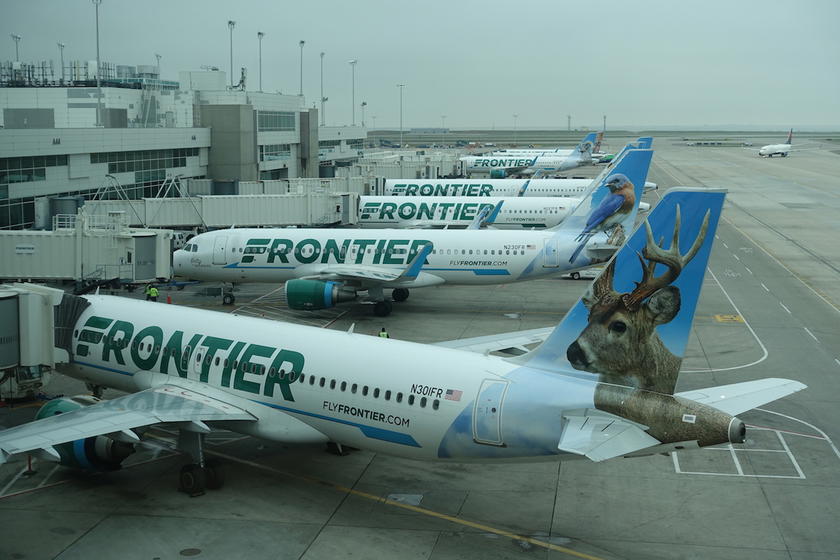
In February 2022 it was announced that Frontier Airlines intended to acquire Spirit Airlines. Then in April 2022, JetBlue Airways swooped in and also made a bid to acquire Spirit Airlines, in what the airline positioned as a superior proposal. Spirit ended up rejecting JetBlue’s takeover bid, not because the offer isn’t better (in theory), but rather because it provides more uncertainty.
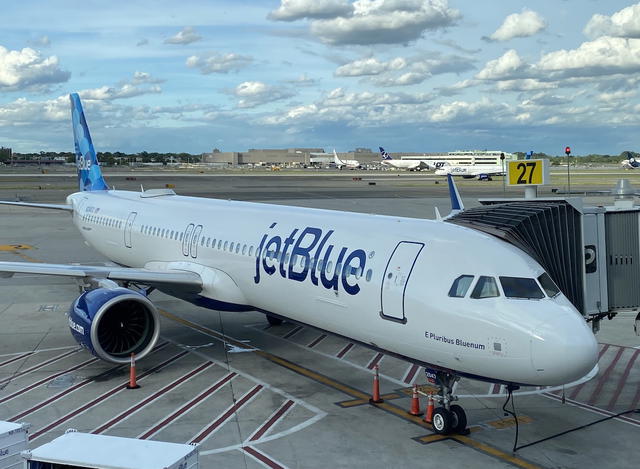
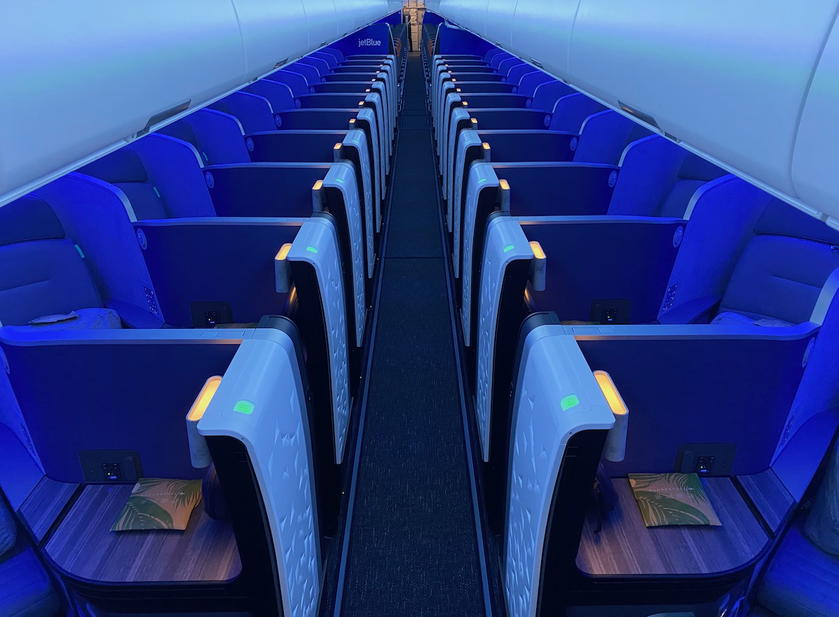
While JetBlue’s offer is almost unarguably better on paper, the catch is that Spirit has concerns about getting regulatory approval for this merger. The way Spirit views it, regulators would view these two deals differently. Two (mostly complementary) ultra low cost carriers merging is different than JetBlue taking over an ultra low cost carrier and probably raising fares. After all, many of us hope that JetBlue won’t become Spirit (not because Spirit doesn’t have an important position in the market, but rather because JetBlue offers a unique inflight experience).
JetBlue didn’t want to take no for an answer. So with Spirit’s board rejecting JetBlue’s offer, the airline instead decided on a hostile takeover approach, by writing directly to Spirit shareholders and encouraging them to vote in favor of a JetBlue takeover. There’s an update this morning from Spirit’s board of directors, and it shouldn’t come as a surprise.
Spirit board unanimously rejects JetBlue again
Spirit’s board of directors has unanimously rejected JetBlue’s updated takeover bid, arguing that this is not in the best interest of Spirit and its shareholders. As before, Spirit’s board remains opposed to this because “the JetBlue transaction faces substantial regulatory hurdles, especially while the Northeast Alliance with American Airlines remains in effect.”
Here’s how Mac Gardner, chairman of Spirit’s board of directors, describes the board’s position:
“JetBlue’s tender offer has not addressed the core issue of the significant completion risk and insufficient protections for Spirit stockholders. Based on our own research and the advice of antitrust and economic experts, our view is that the proposed combination of JetBlue and Spirit lacks any realistic likelihood of obtaining regulatory approval, while our company faces a long and bleak limbo period as we await resolution.
In that scenario, a $1.83 per share reverse break-up fee will not come close to adequately compensating Spirit stockholders for the significant business disruption Spirit will face during what JetBlue acknowledges will be a protracted regulatory process. Our pending merger with Frontier is advancing as planned, and we continue to recommend that Spirit stockholders vote FOR the merger with Frontier on June 10th, as we believe the combination of these two ULCCs is the best way to deliver maximum value to Spirit stockholders.”
Spirit’s board of directors is also going after JetBlue (given the attack in the other direction), arguing that:
- JetBlue’s proposals are a cynical attempt to disrupt Spirit’s merger with Frontier, which JetBlue views as a competitive threat; JetBlue claims it has been interested in a merger with Spirit for “many years,” yet JetBlue waited until seven weeks after the announcement of the Frontier merger to submit an offer
- JetBlue’s focus on Spirit appears to be an attempt to distract from JetBlue’s own business being in disarray; JetBlue’s stock has fallen 34% since the date of JetBlue’s initial offer, and JetBlue runs last or near last when it comes to operational metrics in 2022 and for the past several years
- JetBlue argues that the “JetBlue Effect” has a positive impact on airfare, while Spirit believes that this model has significant defects, and overstates the impact JetBlue has on legacy carriers, when really it’s Spirit that continues to keep the legacy carriers in check
- JetBlue’s offer deprives Spirit shareholders of the long-term ability to participate in the upside from airline industry recovery and benefits from the Frontier transaction; Spirit shareholders would be capped at their value of $30 per share, while waiting up to two years to receive their cash, while the rest of the industry gets to participate in a recovery
Admittedly this decision continues to be up to shareholders and not the board. That being said, the board isn’t wrong, so I can’t imagine a majority of shareholders will want to go with the JetBlue option.
Bottom line
Given that JetBlue was essentially attempting a hostile takeover of Spirit, it’s not surprising to see Spirit’s board of directors once again rejecting JetBlue. JetBlue sure is coming across as desperate here, while I think Spirit’s board has valid concerns about the odds of this being approved. We’ll see how Spirit shareholders feel.
Here’s an idea, given that we’re currently seeing record high airfare — how about the government just not approve any further consolidation right now, and then that solves this whole dilemma? 😉
What do you make of this ongoing Spirit and JetBlue saga?


Membership is free and takes no more information than commenting as a guest. Earn status points for good contributions, and see fewer ads as your status grows.