
Airlines are in the process of reporting their second quarter results, which are expected to be rough across the board, given the extent to which travel demand fell. Well, United Airlines has just reported its second quarter results, and… they’re not that bad?
United Airlines reports $1.6 billion net loss
United Airlines has announced its second quarter results — it describes this as the most difficult quarter in the company’s 94-year history:
- United Airlines reported a net loss of $1.6 billion, and an adjusted net loss of $2.6 billion
- Operating revenue was down 87.1% year-over-year, on an 87.8% decrease in capacity
- Operating costs were down 69% year-over-year, or 54% excluding special charges
- The company currently has $15.2 billion in liquidity, and expects liquidity at the end of the third quarter to be $18 billion
- Cash burn in the second quarter averaged $40 million per day, including $3 million of principal payments and severance expenses
- United anticipates daily cash burn in the third quarter to be around $25 million, including $6 million of principal repayments and severance expenses
As a point of comparison, in the first quarter United Airlines reported a net loss of $1.7 billion, and an adjusted net loss of $630 million. The second quarter was significantly more challenging for airlines than the first quarter, as US travel demand really only started to drop off towards the second half of March.
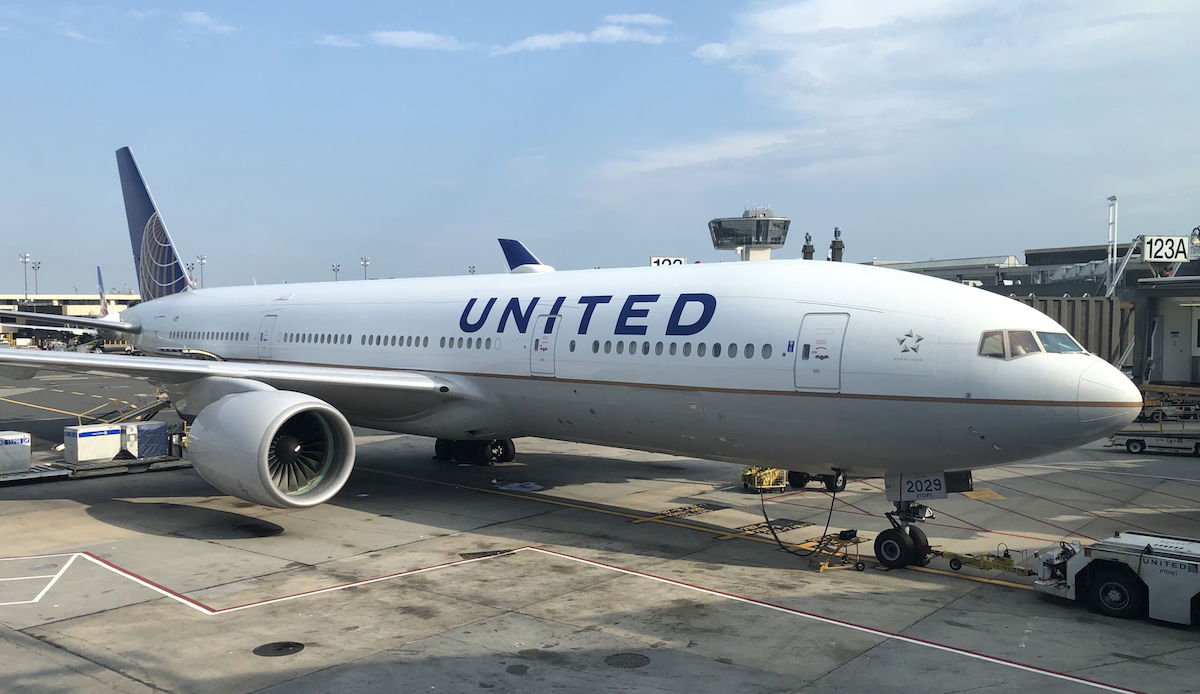 United Airlines outperformed Delta in the second quarter
United’s performance is actually quite good
Last week Delta Air Lines reported its results for the second quarter, and the company had a $7.0 billion net loss, and an adjusted net loss of $3.9 billion. Ordinarily Delta outperforms its peers, but in this case United reported a significantly smaller loss.
United claims to have done the best job of the major US network airlines of matching actual capacity to demand, and it expects to finish the quarter with the lowest average daily cash burn among large network carriers.
United Airlines CEO Scott Kirby had the following to say:
“I am grateful for the professionalism and dedication of our United team members who persevered through an historic and challenging period to deliver for our customers. While this unprecedented crisis has been difficult for our team, we expect United produced fewer losses and lower cash burn in the second quarter than any of our large network competitors. We accomplished this by quickly and accurately forecasting the impact that COVID would have on passenger and cargo demand, accurately matching our schedule to that reduced demand, completing the largest debt financing deal in aviation history, and cutting expenses across our business. We believe this quick and aggressive action has positioned United to both survive the COVID crisis and capitalize on consumer demand when it sustainably returns.”
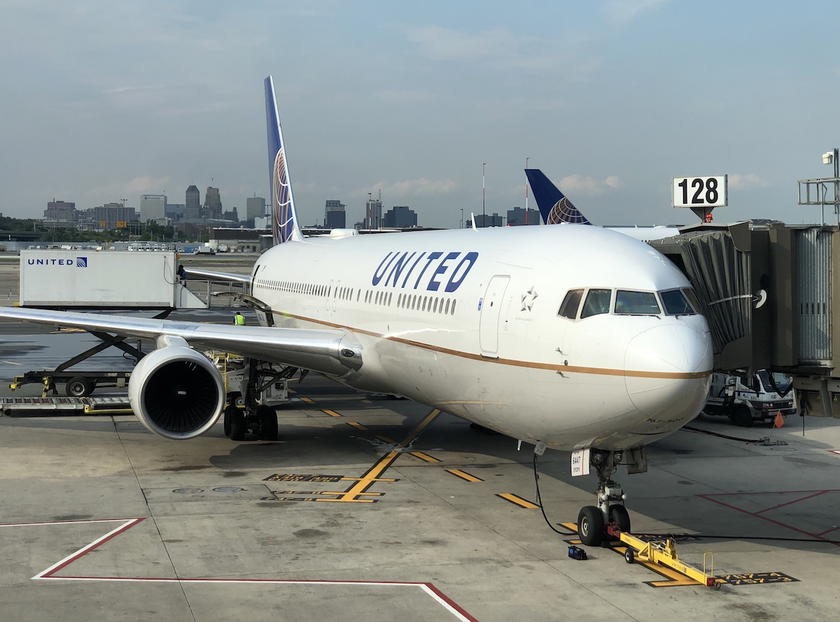 United did a good job matching capacity to demand
United is seeing a slowdown in the recovery
We saw a steady increase in travel demand starting in late March and early April, and every week we saw the number of passengers traveling in the US increase. That trend seems to have reversed, with last week being the first week in months where we saw fewer passengers in the US than the week before. This is happening as we’re seeing coronavirus cases increase in many states.
In the third quarter, United anticipates capacity to be cut by 65% compared to the same period last year. While the airline can’t fully anticipate what business will be like for the rest of the quarter, July is seeing a significant slowdown:
- In May United had a load factor of 38%
- In June United had a load factor of 57.8%
- In July United anticipates having a load factor of 45% (with fewer than 15% of flights being more than 70% full)
That’s noteworthy, given the increase in demand we saw between May and June, only for that trend to be reversed in July. Most major airlines are also reporting slowdowns in future bookings.
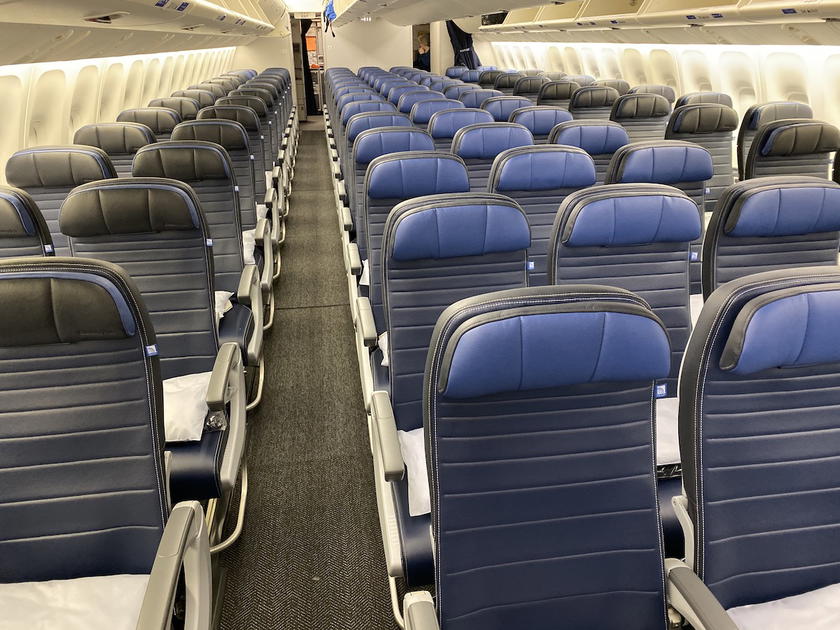 We’re seeing a slowdown in the recovery in the third quarter
It’ll be interesting to see how American did
I’m looking forward to seeing American Airlines’ second quarter results, which haven’t yet been announced. While American, Delta, and United took different strategies, American arguably took the boldest strategy in recent weeks, for better or worse:
- Both Delta and United operated limited schedules, with Delta blocking a significant number of seats to allow for some physical distancing
- American has added back way more capacity than Delta and United, trying to capture just about all passengers who may be looking to travel
While American’s strategy seems to be a long-term one, I’m curious to see how this is reflected in the company’s second quarter results.
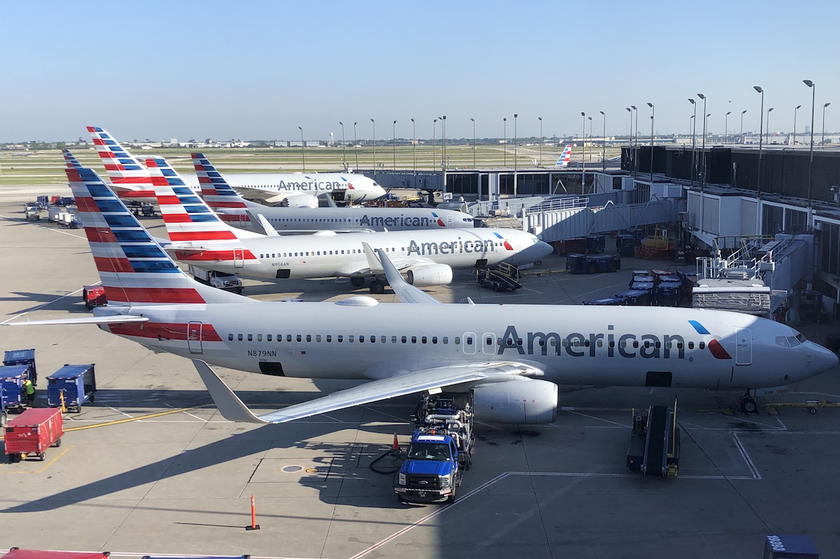 It’ll be interesting to see how American did in the second quarter
Bottom line
For the second quarter, United Airlines reported a net loss of $1.6 billion, and an adjusted net loss of $2.6 billion. The second quarter was incredibly rough for US airlines, so a big loss was expected.
United’s loss was significantly smaller than Delta’s, so that’s impressive. United claims to have done the best job of network airlines at matching capacity to demand, and based on the company’s results, that sounds about right to me. It’ll be interesting to see how American did, and also to see how the “big three” US carriers perform in the third quarter.
What do you make of United’s second quarter results?


Membership is free and takes no more information than commenting as a guest. Earn status points for good contributions, and see fewer ads as your status grows.