
Singapore Airlines recently launched the world’s longest flight, from Singapore non stop to Newark using their new special Airbus A350-900ULR aircraft. They decided to fit these aircraft with only 67 business class, and 94 premium economy seats (i.e. no first class, or economy class).
Singapore Airlines operates this aircraft type to Los Angeles, New York, and San Francisco.
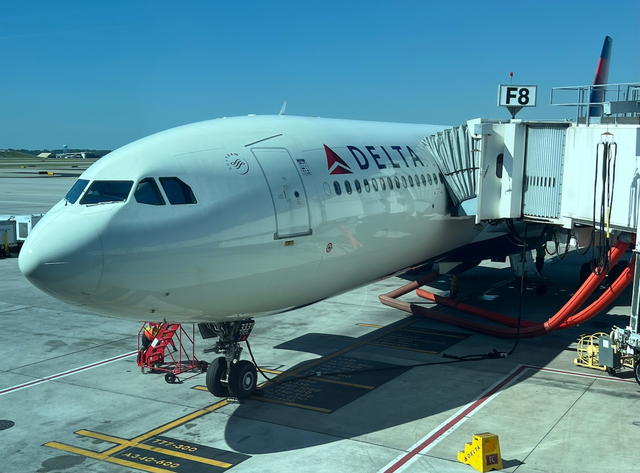

Ben recently took the world’s longest flight in business class and had various observations:
- Singapore Airlines’ Illogical Business Class Meals On The World’s Longest Flight
- 10 Takeaways From The World’s Longest Flight In Business Class
- Would I Take The World’s Longest Flight Again?
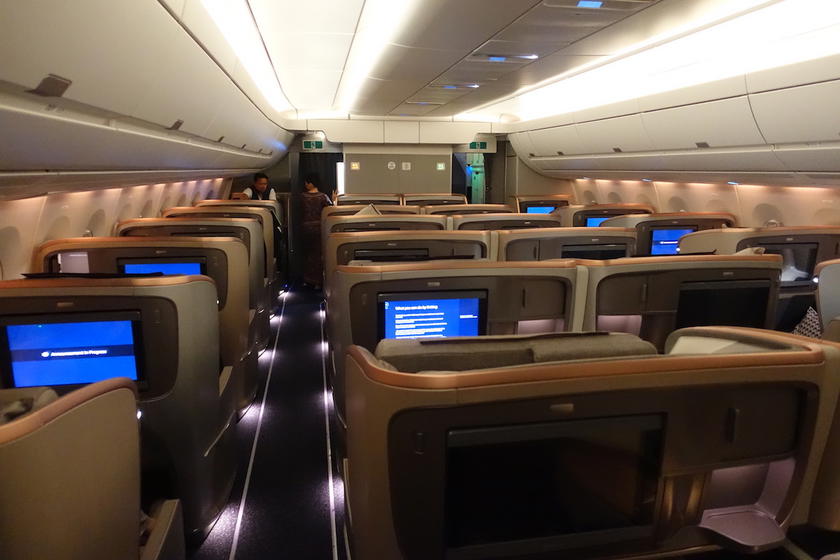
Singapore Airlines has said business class sales on these ultra long haul flights have met expectations, and are commercially viable.
But what about premium economy?
I recently read a review of the premium economy cabin on TPG on the world’s longest flight between Singapore and New York, and the reviewer made a very valid point that I (and perhaps Singapore Airlines) had not considered when designing the layout when summing up the flight by saying:
The problem with having such a large premium economy class as the back cabin of the aircraft is that it effectively turns into economy.
Besides the seat, indeed a significant improvement over an economy seat, I struggled to find where this flight differentiated itself from Singapore Airlines’ excellent economy product.
Singapore Airlines has 94 premium economy seats on their A350ULR in one enormous cabin. I believe this is, by far, the world’s biggest premium economy cabin.
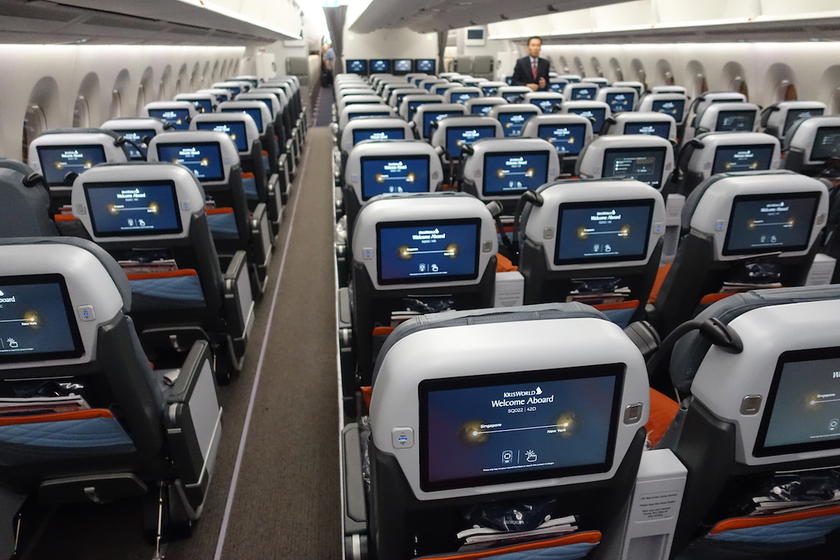
One of the benefits of premium economy over economy on any other aircraft (or carrier) is that the cabin is much smaller than the economy cabin, which both feels premium, and results in more personalised service, as there are usually crew assigned just to the premium economy cabin.
Singapore Airlines has admitted that they have struggled to sell premium economy on these ultra long haul flights, saying:
I think we need to continue to stimulate and encourage the market to consider this product, initially with very attractive pricing, but eventually I think people will see that even at prices which we offer it is a good product to purchase because it is a very long flight.
Looking at their non stop flight from Singapore to New York, in, say a few months time, for their business class pricing, they can command a price premium over most of their competitors as being the only carrier to fly between the cities non stop:

But for premium economy, though they should be able to command a premium for the convenience of the only non stop flight, they are by far the cheapest compared with their competitors, who operate with a stop.
Their non stop is even cheaper than their own one stop via Frankfurt, though it should be the other way around:

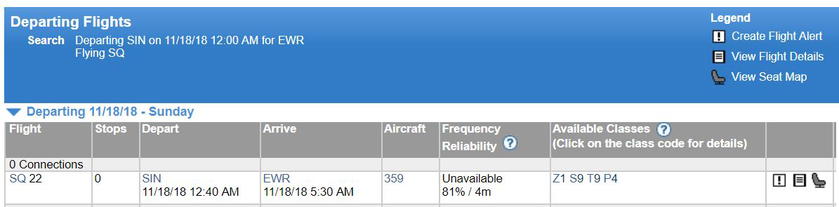
And looking at their ExpertFlyer loads for the next flight between Singapore and New York, there is only (at least) one business class seat available for the flight, while being at least nine (i.e. the maximum displayable) premium economy seats for sale.
Bottom line
I’ve written before about how and why I personally don’t see the benefit in the world’s longest flights versus connecting.
I’d consider taking the world’s longest flight in business class, but if I had to do it in premium economy I would absolutely take a one stop option to break up the journey and have a stop overnight somewhere along the way.
Usually carriers operating the only non stop service between two cities can command a price premium for the time saving. And for business class, Singapore Airlines is already doing that.
But there is much less demand in the market for premium economy on the world’s longest flights, both because the premium economy cabin is so enormous that it fails to be premium, and the journey is so gruelling that I expect passengers would rather break it up, rather than doing it in one long slog.
If you had to fly between Singapore and New York in premium economy, would you rather do it direct, or stop somewhere to break up the journey?


Membership is free and takes no more information than commenting as a guest. Earn status points for good contributions, and see fewer ads as your status grows.