
Credit card companies have released some interesting data about how consumer spending patterns have changed in recent months. For example, in mid-May Chase revealed that credit card spending was down 40%, and that spending in non-essential categories was down 50%.
Could credit card spending actually predict where the next coronavirus spike will happen? A new study suggests so…

Restaurant spending tied to coronavirus spread
A new JPMorgan study suggests that increased spending at restaurants in a particular state is closely correlated to a spike in coronavirus cases about three weeks later. In-person restaurant spending was found to be particularly predictive.
This is according to a study that analyzed 30 million credit and debit card transactions, comparing it to the patterns for new coronavirus cases in a particular state.
According to the research:
- Arizona, Louisiana, and West Virginia showed the smallest relative decline in restaurant spending compared to the same period the previous year
- The District of Columbia and Massachusetts saw the biggest decline in restaurant spending compared to the same period the previous year
- For the week that ended on June 14, transactions were still increasing at full-service chain restaurants in Arizona, California, and Florida, and those states are all seeing big increases in cases
Not surprisingly, the National Restaurant Association has said that while it’s concerned about the increase in coronavirus cases, it’s “irresponsible” to pin the rise in cases on restaurants:
“It is irresponsible to pin the rise on a single industry. Restaurants have historically operated with highly regulated safety protocols based on the FDA’s Food Code and now have taken new steps to meet social distancing guidelines required by state and federal officials. We all have responsibility for wearing masks, washing hands, and social distancing.”
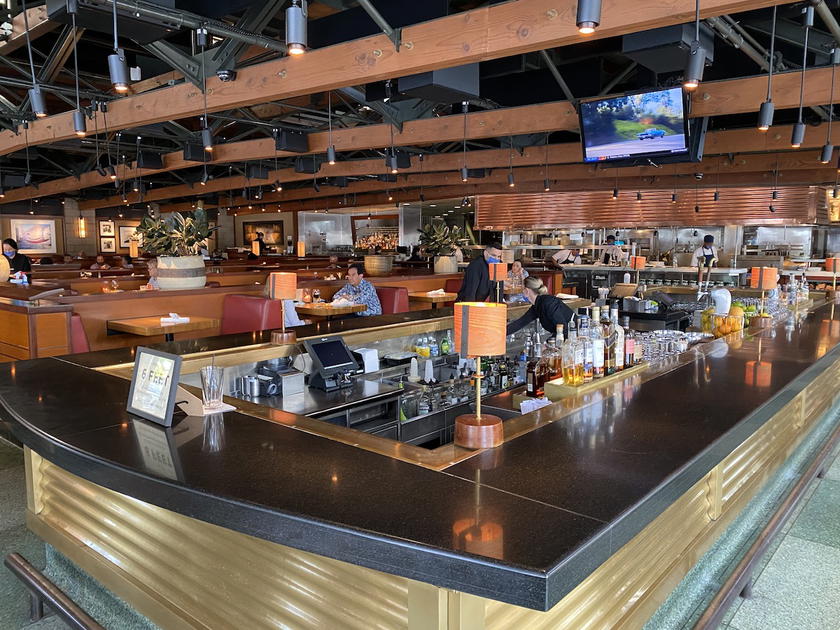
An increase in restaurant spending correlates to an increase in coronavirus cases
Grocery story spending tied to coronavirus spread slowing
Higher spending at grocery stores has been found in states where we’ve seen a slower spread of coronavirus. While most states are seeing an increase in grocery store spending, those seeing the biggest increases have largely seen the biggest decrease in new cases. As of three weeks ago:
- Grocery store spending was up 20% or more from the same period last year in New York and New Jersey
- Grocery story spending was up less than 10% in Arizona and Texas
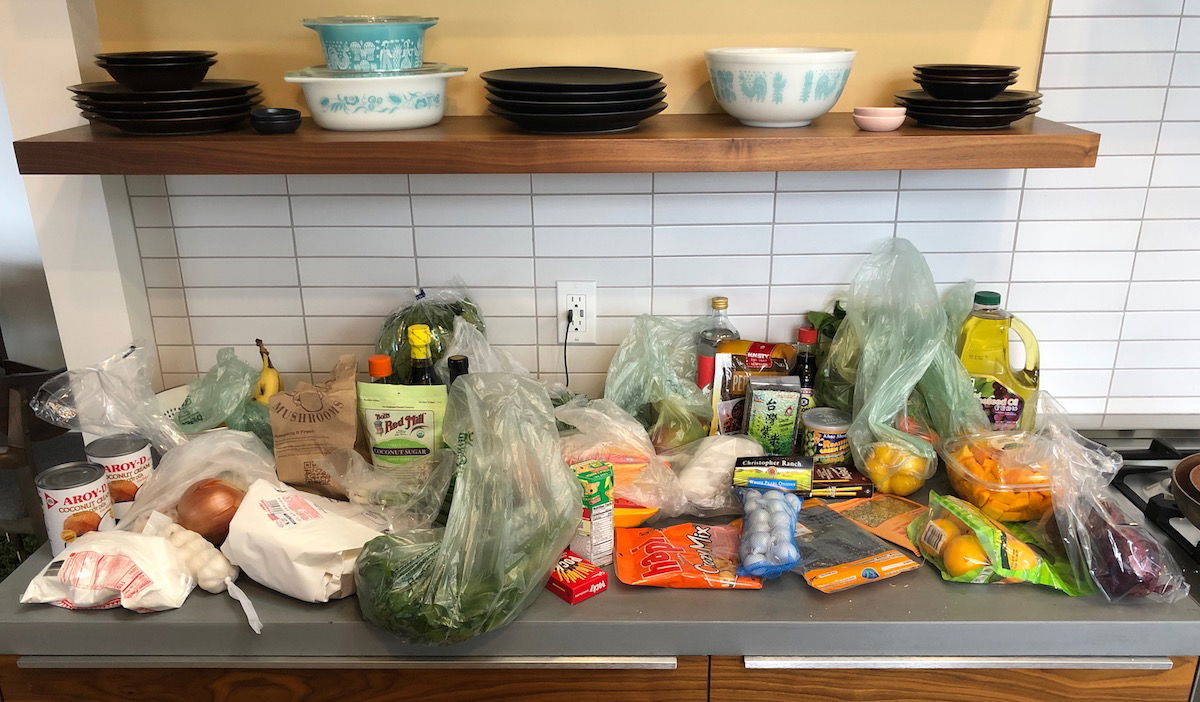 An increase in grocery store spending correlates to a decrease in coronavirus cases
Correlation does not imply causation
While I find this study to be interesting, I think it’s important to point out that correlation does not imply causation. No one is suggesting that restaurants as such are responsible for a majority of the spread of coronavirus.
Rather the general reopening of economies, people gathering more, people being more social, etc., is correlated to the spread of coronavirus. While we don’t dine out at a lot nowadays (thanks largely to Ford’s newfound cooking skills), personally I feel comfortable dining out if I can sit outside and all proper protocols are being followed, while I’m less comfortable indoors.
I don’t think there’s anything about this research that comes as a surprise, though it’s still interesting to see it presented so clearly. It’s also no surprise that restaurant spending has increased in the past few weeks, given that in many areas restaurants only started opening again for dine-in customers in recent weeks.
It’ll be really telling to see how if this correlation continues in the coming weeks.
Bottom line
Increased spending at restaurants is happening in states where coronavirus cases are increasing, while the biggest increase in spending at grocery stores is happening in states where coronavirus cases are decreasing. That’s not too surprising, and seems to be more reflective of whether people are staying home or being social.
Hopefully more of this data is released in the coming weeks, as I imagine we’ll see similar trends.
Does this data on the correlation between spending and coronavirus surprise you?


Membership is free and takes no more information than commenting as a guest. Earn status points for good contributions, and see fewer ads as your status grows.