


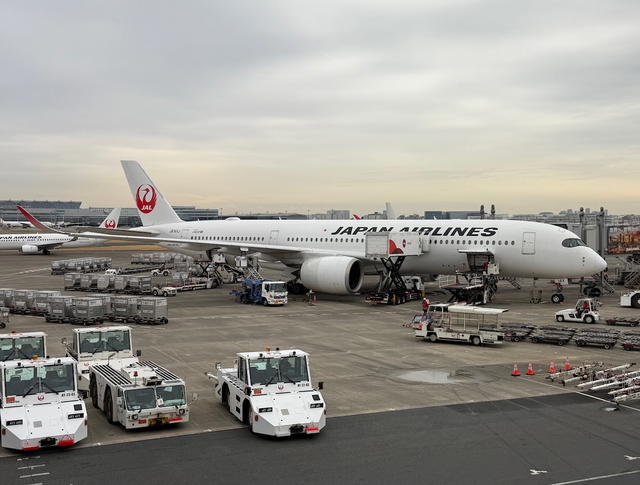
Well, I saved the best for last. For the final long haul segment of my trip to Japan via Mongolia, I flew Japan Airlines’ Airbus A350-1000 first class on the 12hr40min flight from Tokyo (HND) to New York (JFK). I can’t even explain how excited I was about this flight, given that Japan Airlines just recently started flying the A350-1000, and it features a new passenger experience across cabins.
I’m happy to report that Japan Airlines’ new A350 first class is spectacularly good, among the best first class products in the world. The new first class suites are massive, with amazing tech, a huge TV, and tons of storage. And of course that complements Japan Airlines’ phenomenal soft product, thanks to the friendly service, tasty food and drinks, and more. Add in the fact that you’re on a quiet A350 with a tail camera, and I can’t recommend this product enough.
How I booked my Japan Airlines first class ticket
I booked my Japan Airlines first class ticket using American AAdvantage miles. Specifically, I booked the following award in first class for 80,000 AAdvantage miles plus $51.85 in taxes and fees:
1/30 JL6 Tokyo to New York departing 11:05AM arriving 10:00AM
1/30 AA2786 New York to Miami departing 12:30PM arriving 3:44PM
Read my guide to redeeming miles for Japan Airlines’ A350 first class, as it’s far from easy, but it is possible.
Japan Airlines first class lounge & boarding
Prior to my flight, I spent some time in the Japan Airlines First Lounge Haneda Airport, which is excellent, and which I reviewed in the previous installment. My flight was departing from gate 147, about a five minute walk from the lounge. Once at the gate, I couldn’t help but first admire the brand new Airbus A350-1000 I’d be flying — what a gorgeous beast!
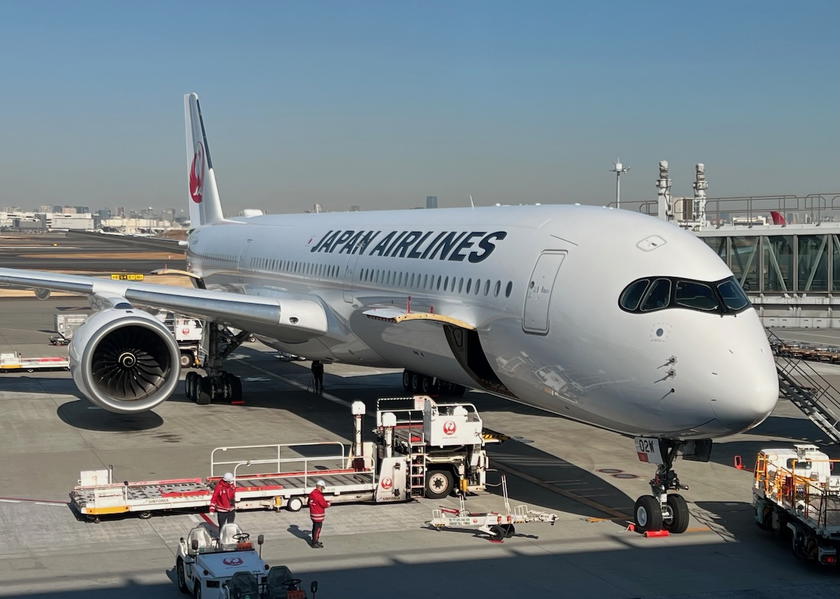
Boarding was scheduled for 10:35AM, 30 minutes before the planned 11:05AM departure. Boarding ended up being delayed by 15 minutes “due to cabin preparations.” Of course since this is Japan, this slight delay was taken very seriously, and was also communicated thoroughly, unlike what you’d expect in the US.
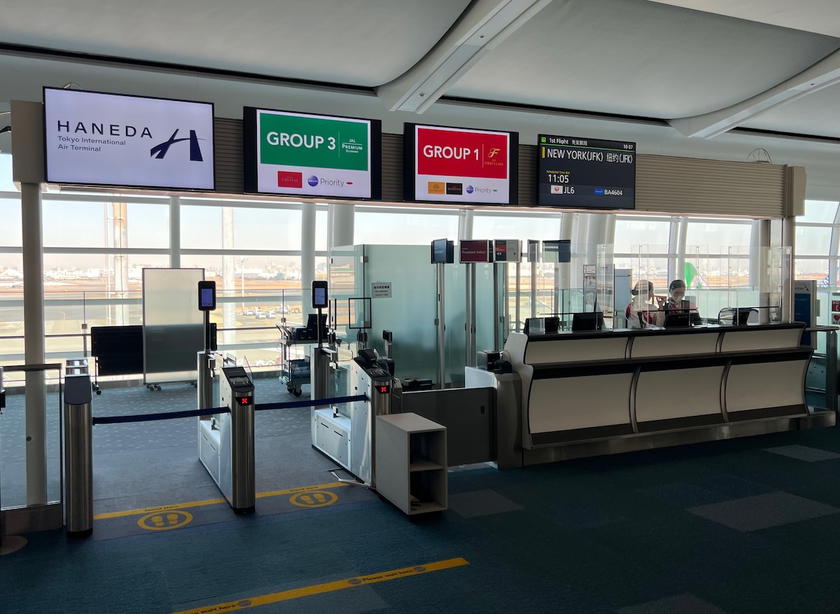
Boarding did start at 10:50AM, with first class passengers and oneworld Emerald members being invited to board first. I don’t remember the last time that I was so excited to walk down a jet bridge.
Japan Airlines A350 first class cabin & seats
I boarded the Japan Airlines A350-1000 through the second door on the left, where I was greeted by the friendly crew, and pointed left toward first class.
This first required walking through a portion of the business class cabin. There are 20 business class seats between the first and second set of doors, and then the remaining 33 business class seats are behind the second set of doors. I’m looking forward to trying this business class in the near future.
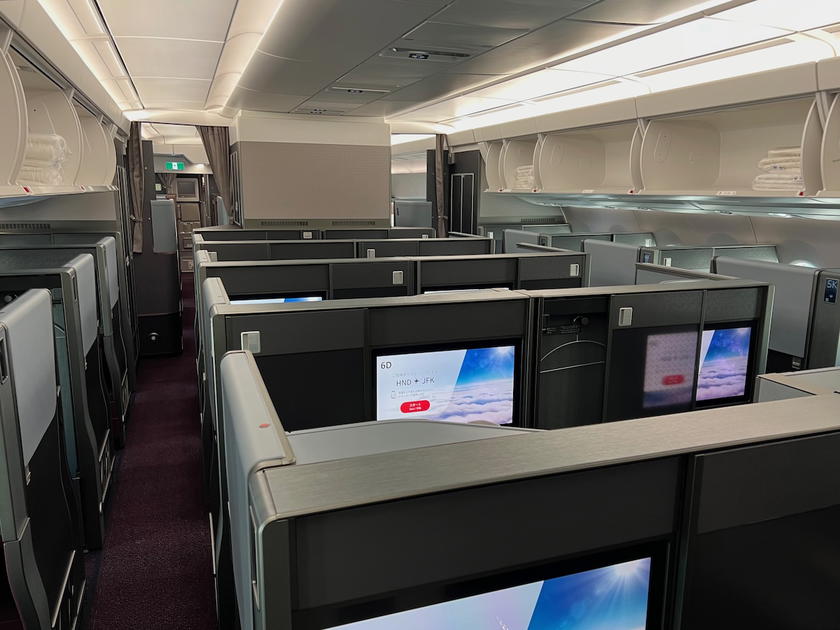
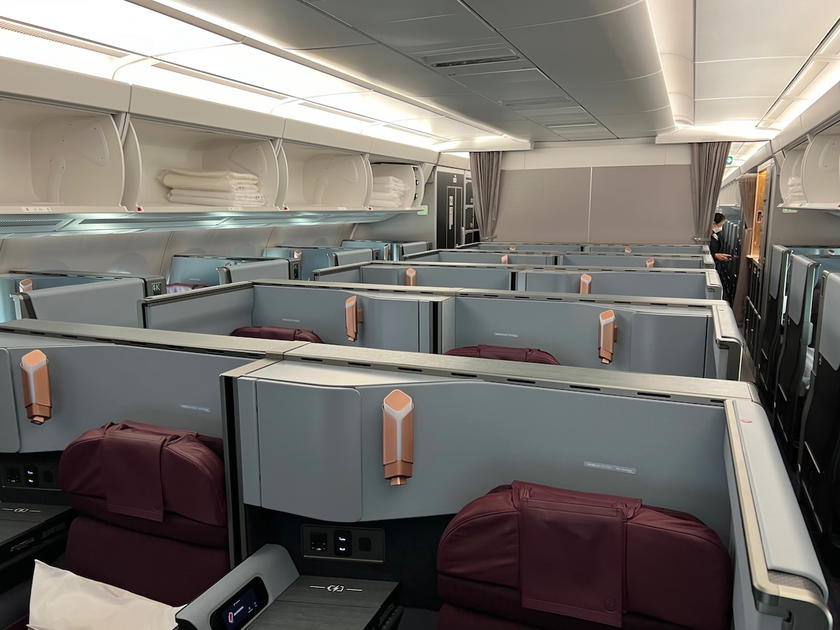
I then found myself in the stunning first class cabin, consisting of just six seats, spread across two rows, in a 1-1-1 configuration. Each suite has 83″ of pitch and 48″ of width, which is next level. This is an impressive cabin, and pictures don’t really do it justice.
As far as the cabin layout goes, the center seat in row one opens up into the left aisle, while the center seat in row two opens up into the right aisle. Therefore my first pick seats would be 2A or 1K, since you have no one across from you. Between those seats, I’d slightly prefer 2A to 1K, as it has less foot traffic, and is further from the lavatory. Aside from the direction in which suites open up, there aren’t any material differences between the seats.
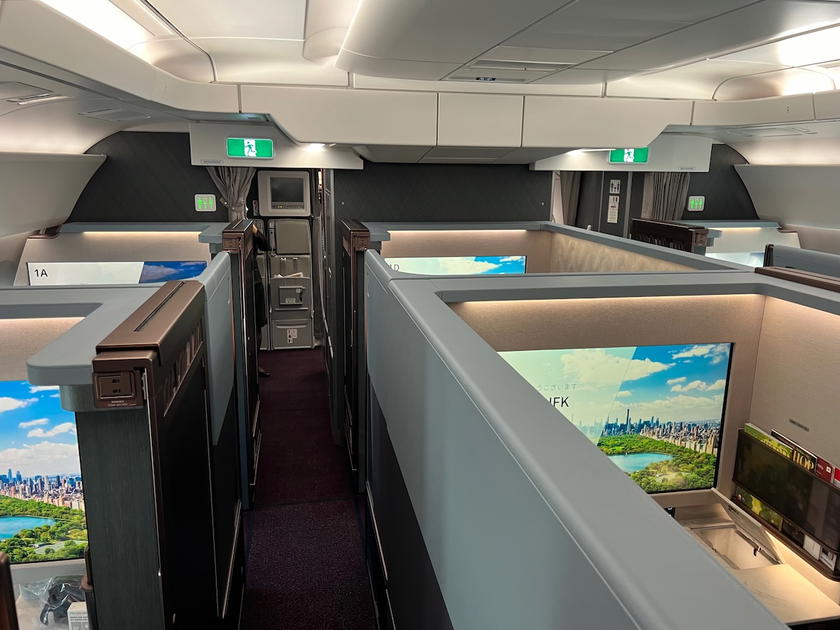
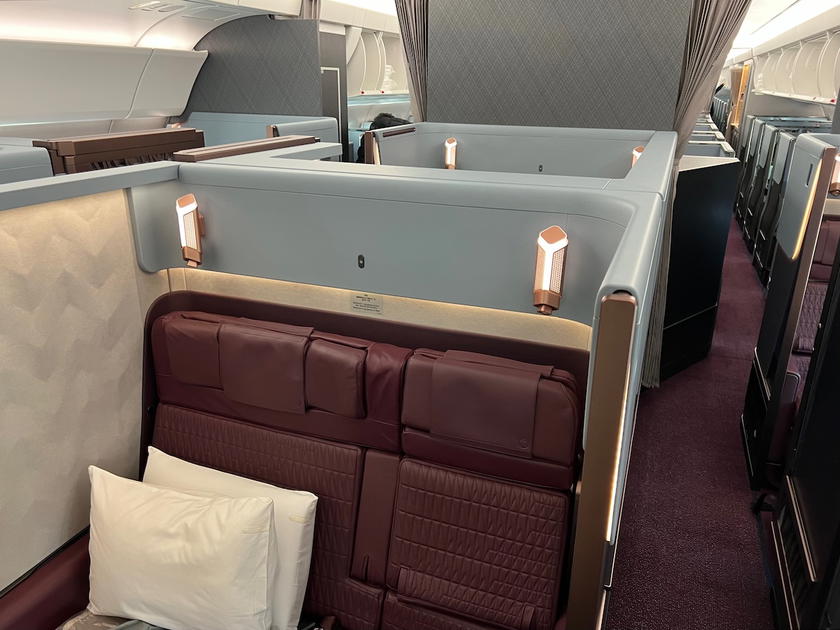
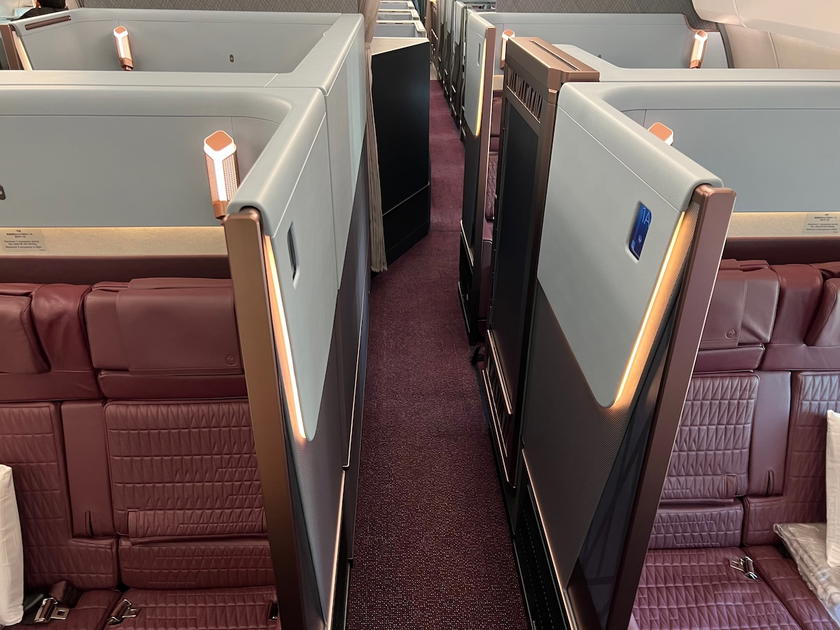
While Japan Airlines’ new first class suites don’t feature floor-to-ceiling walls and doors (like you’ll find on Emirates’ new 777 first class), they do feature 62″ high walls and doors, so they offer a ton of privacy. The aisle definitely feels a bit narrow, since the airline decided to dedicate as much space as possible to the suites (which is a choice I appreciate).
I assigned myself 2A, the window seat on the left side in the second row, which is what I’d recommend assigning, if possible. WOW, WOW, WOW. I really don’t know how else to describe this product. This has to be the most spacious first class seat in the world.
Sure, you have Etihad’s A380 First Class Apartment and Singapore Airlines’ A380 Suites, which are awesome, but the space isn’t actually utilized that efficiently. Meanwhile the space in this suite is very efficiently utilized. Frankly the walls are so high and the suite is so large that it’s almost hard to photograph it.
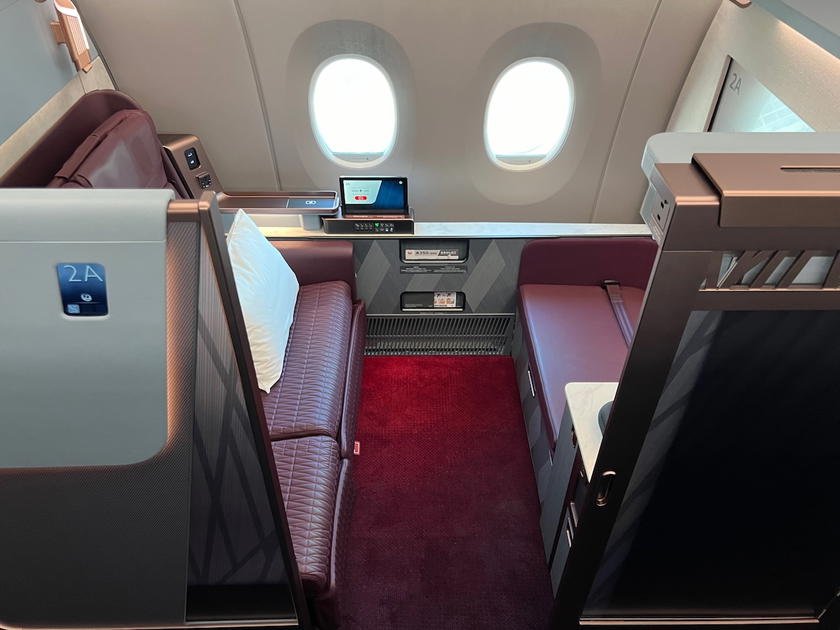
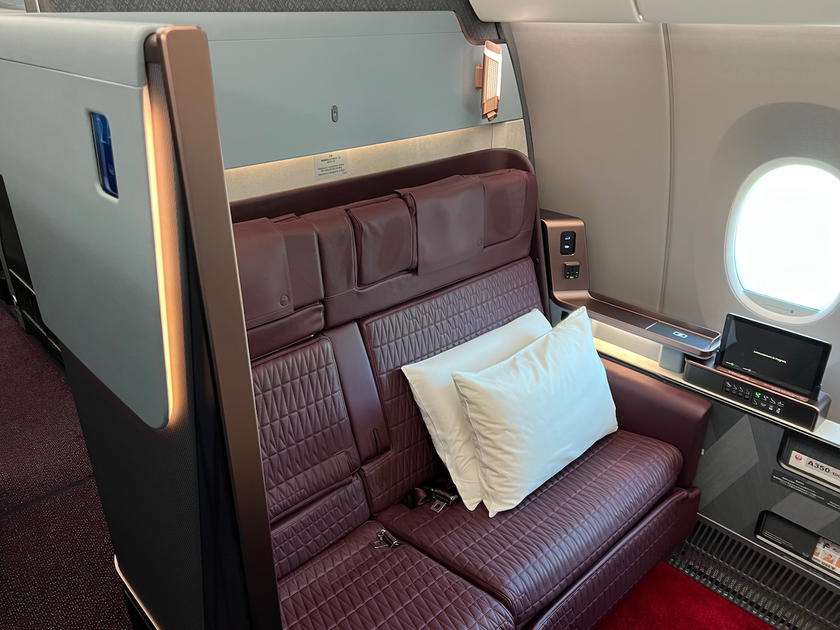
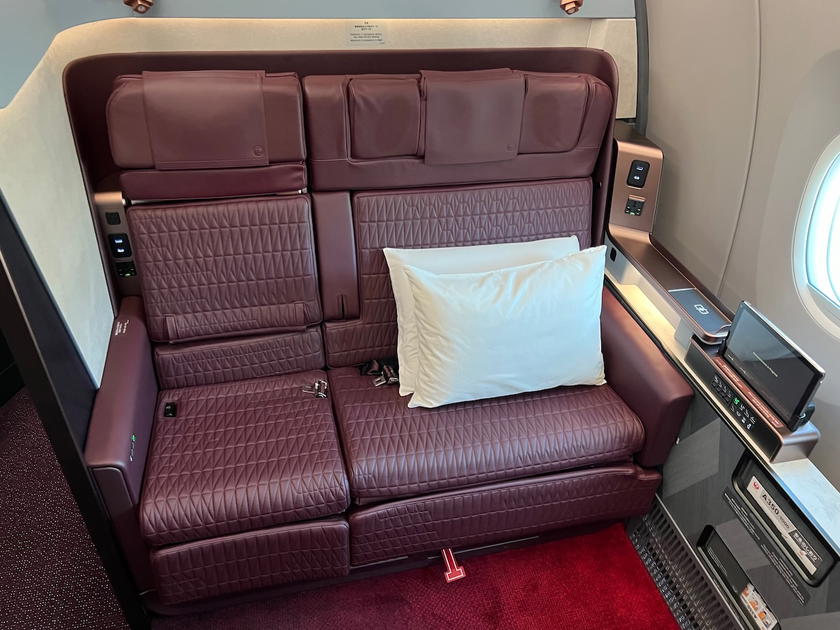
The thing that stands out the most about Japan Airlines’ new first class is just how wide the seat is. It’s more like a couch, and could very comfortably seat two people.
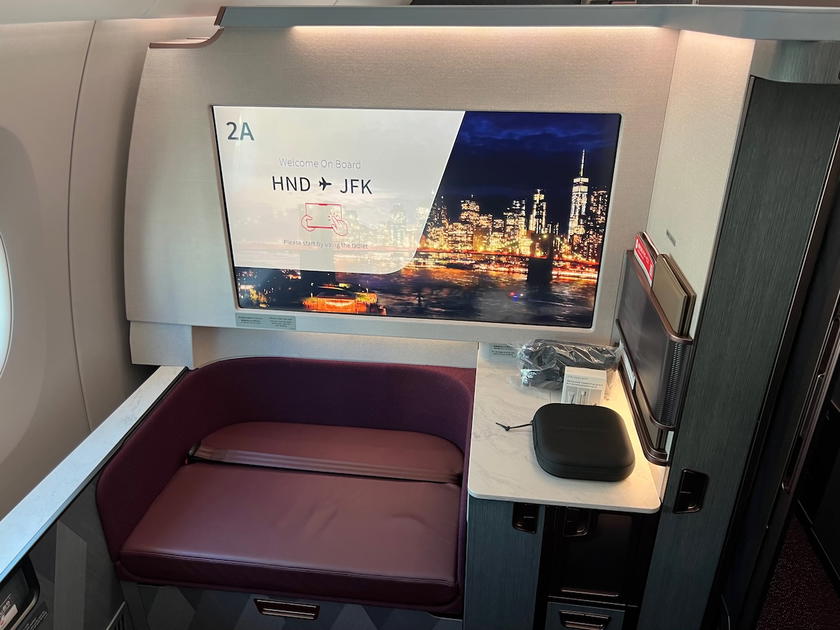
The dimensions are equally impressive in the other direction, as you have a huge ottoman (which can also seat someone, so there’s really seating for three people in this suite), plus a 43″ entertainment monitor, among the largest in the sky.
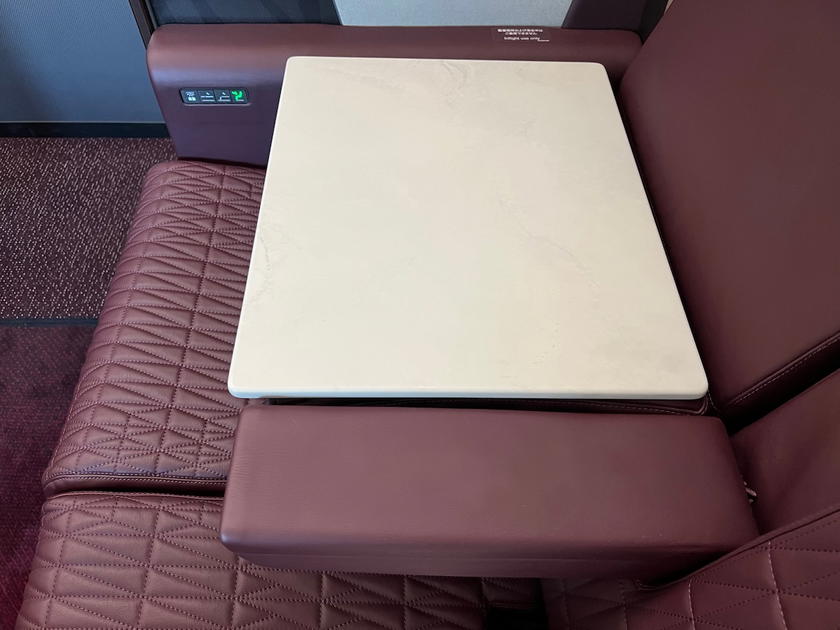
Let’s take a look at some of the finer details of the suite, starting with the couch area. You might be wondering what the point of such a large seat is. Yes, there are seatbelts for two people at the seat, but you can only book one person in the space. So the side of the seat actually has a tray that folds down, where you can place things during the flight. I found this to be super handy, as it was a great place to keep a drink within easy reach.
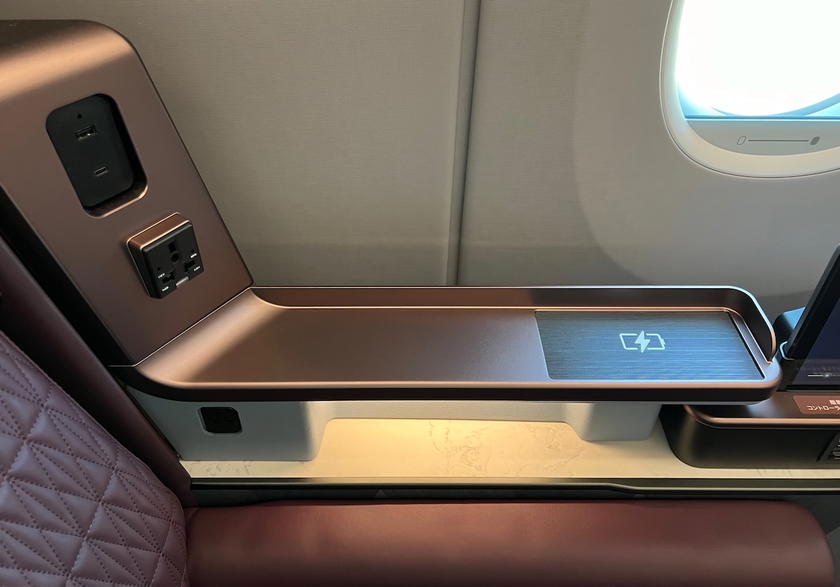
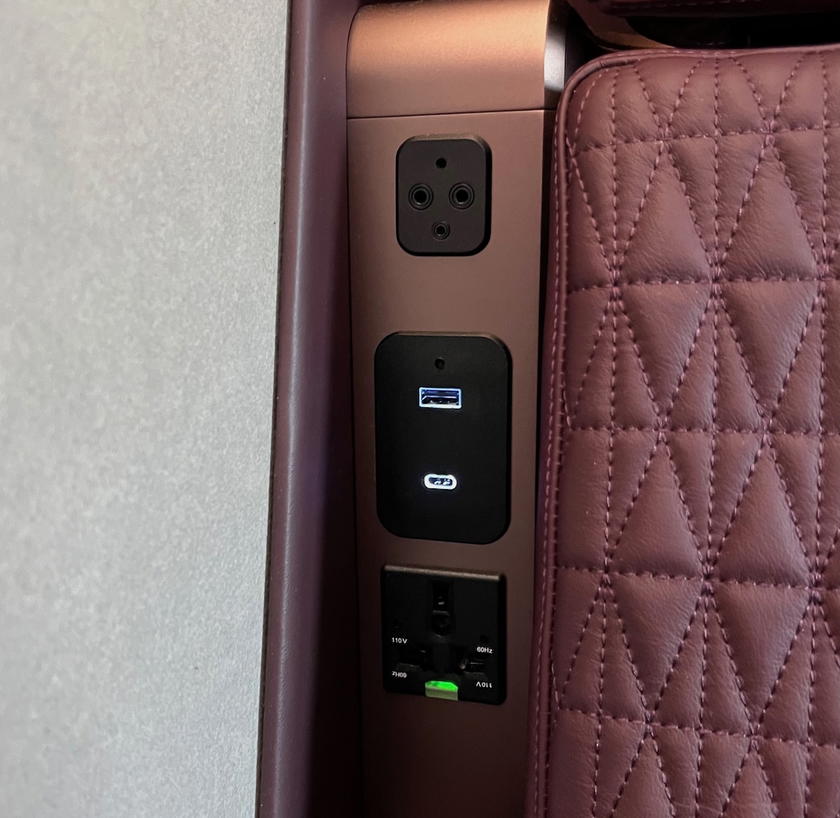
This seat offers seven different charging options, a new record in commercial aviation. On both the left and right side of the seat, you’ll find an AC, USB-A, and USB-C outlet. Then on the left side of the seat you’ll find a wireless charging pad, and on the right side of the seat you’ll find the headphone jack.
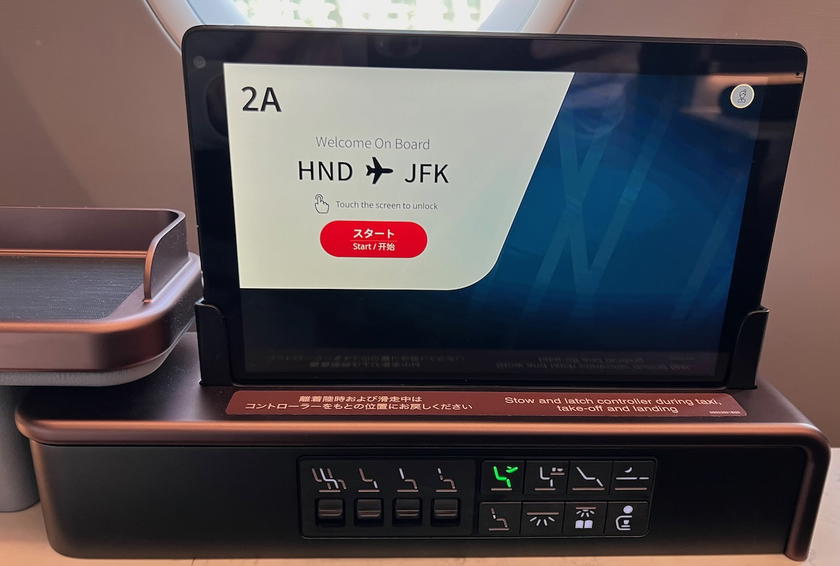
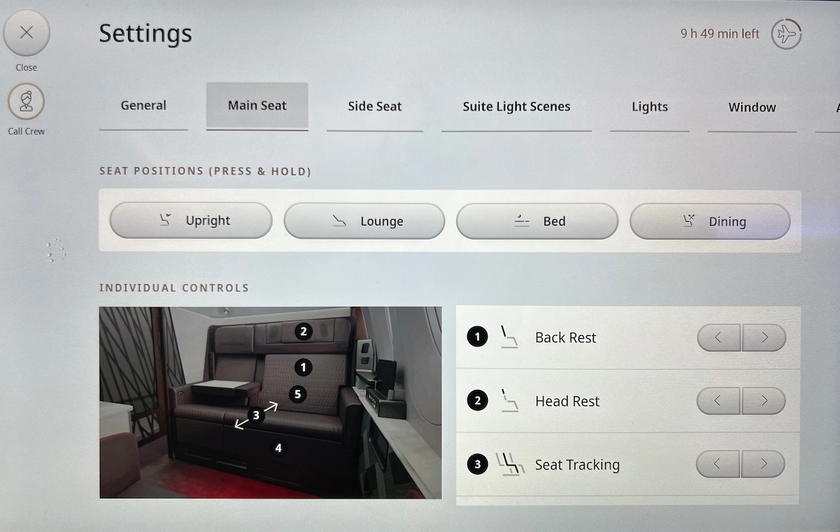
The left side of the seat also has a panel as well as a tablet, which can be used to control many of the seat’s features. The tablet lets you control not just basic functions, but even things like mood lighting. It’s also how you can control the entertainment system, since it’s not touchscreen.

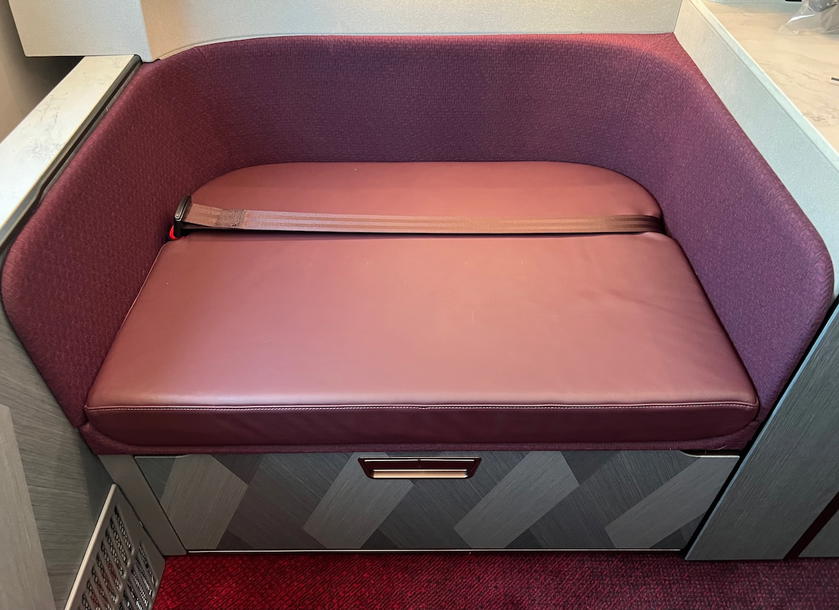
Looking at the other side of the seat, you’ll notice just how big the ottoman is, as that becomes part of the bed when you recline. This can also double as a buddy seat, should you want to dine face-to-face with someone.
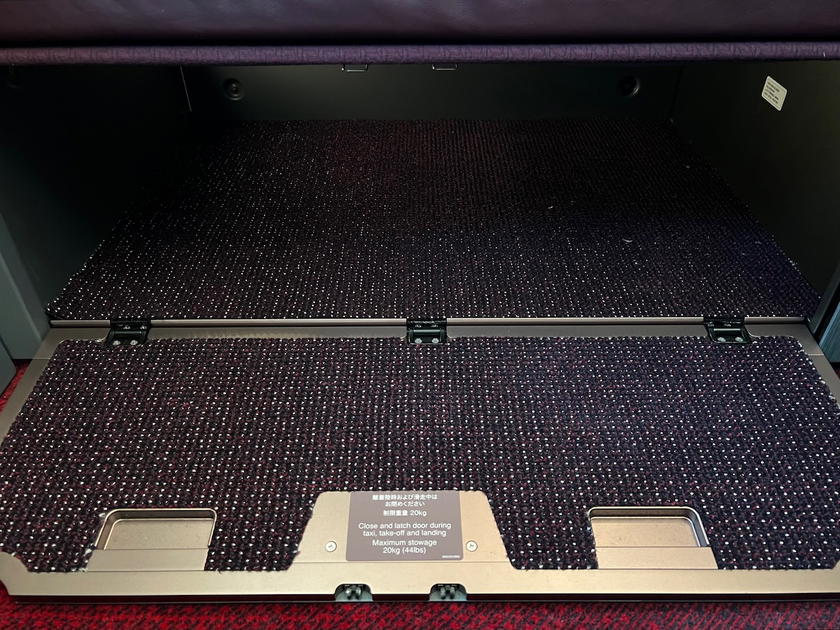
Japan Airlines doesn’t have overhead bins in the A350 first class cabin, in order to give it a more spacious feel. Instead, carry-on items can be stored in a compartment underneath the ottoman. This is a good size, as it easily fit my full size carry-on, with room to spare.
To the side of the ottoman, you’ll find a counter where you can put items during the flight. The counter even has a secret storage compartment, where you can place some small items for easy access. There’s also a closet right by the door, where you can hang clothes.
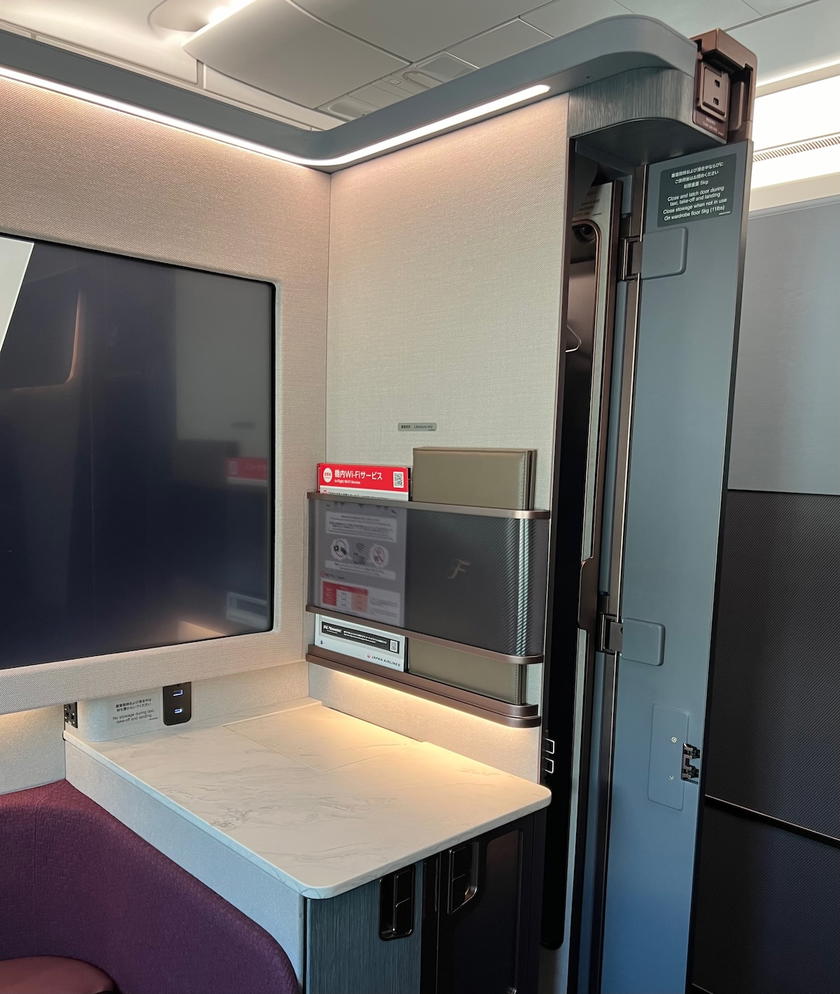
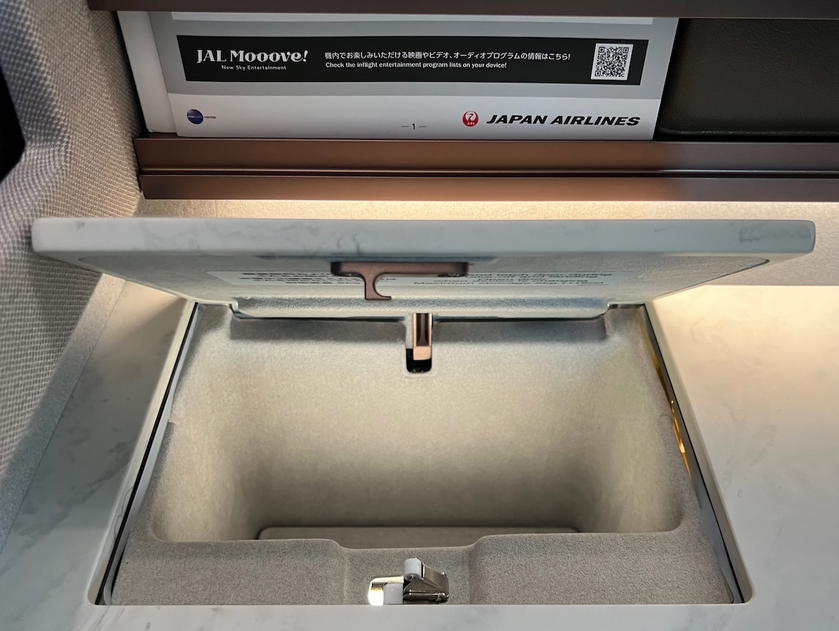
Underneath the table are two more storage compartments, a bit larger than the one on the counter.
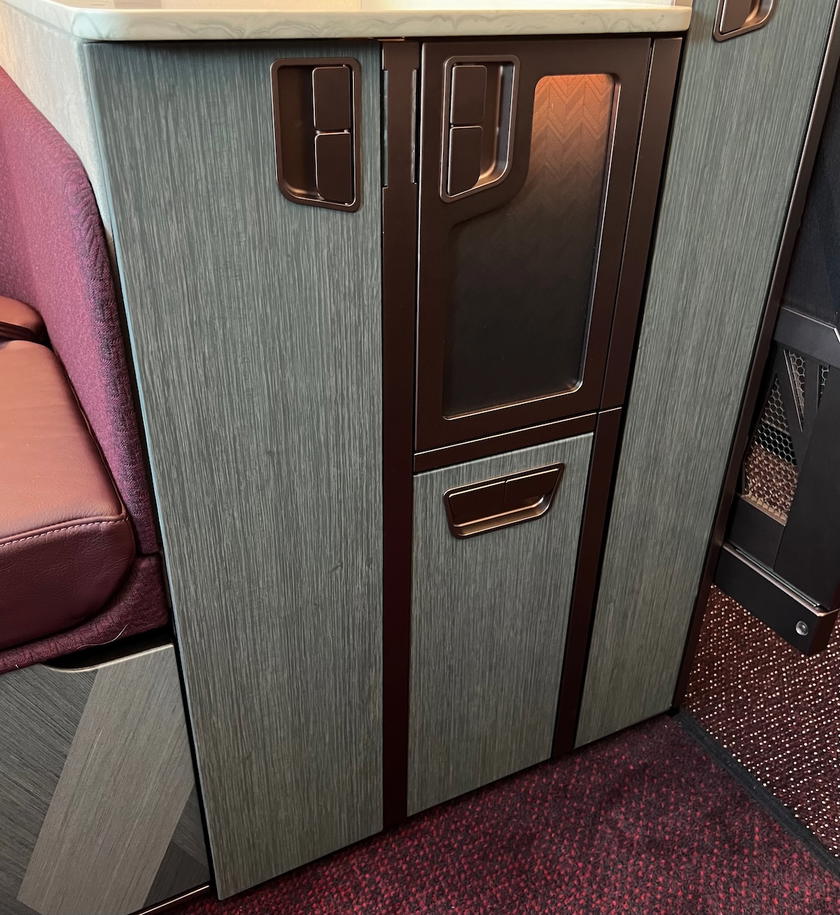
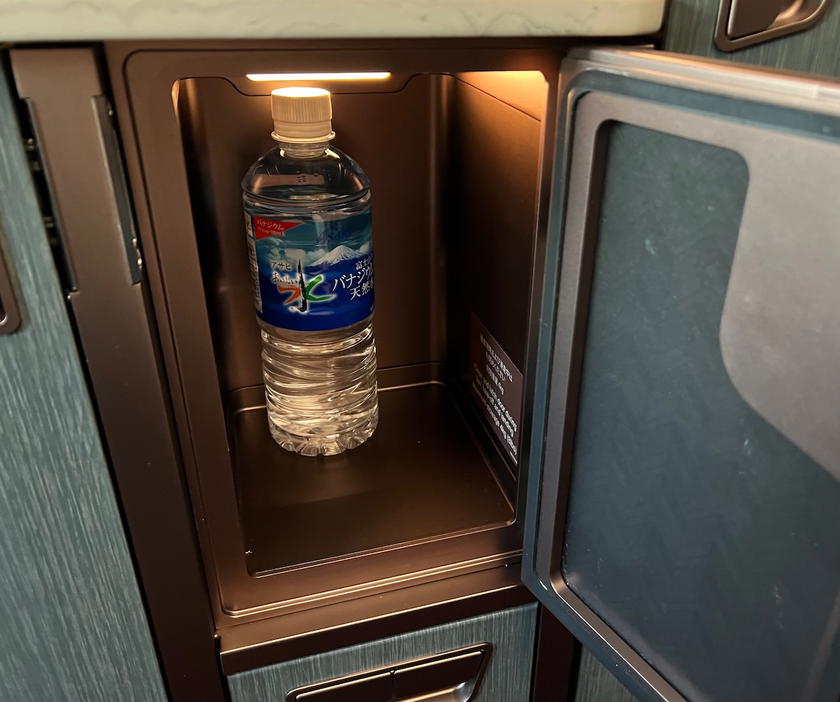
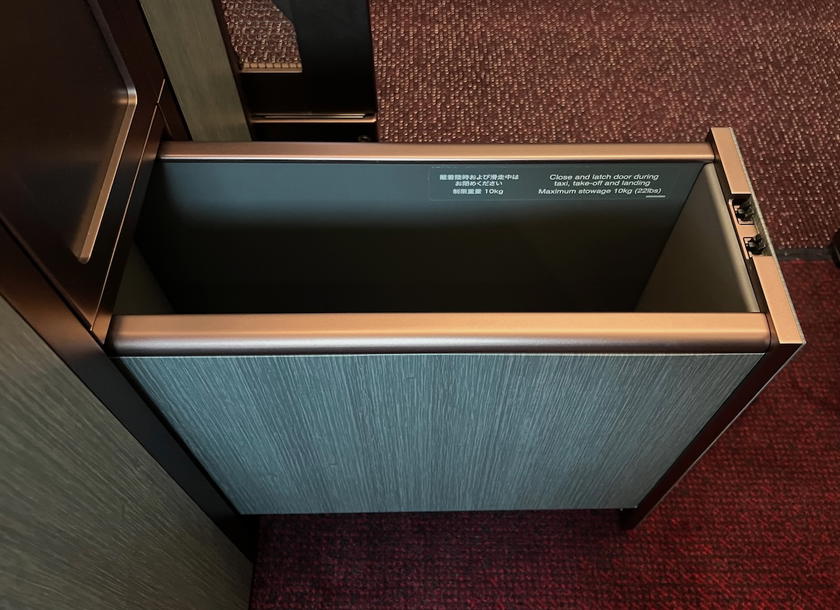
The suite’s tray table also extends from underneath that console, and getting it out is quite a production. You first have to push a button so that the entire tray table concoction extends out, and then you actually have to lift it, and it’s quite heavy.
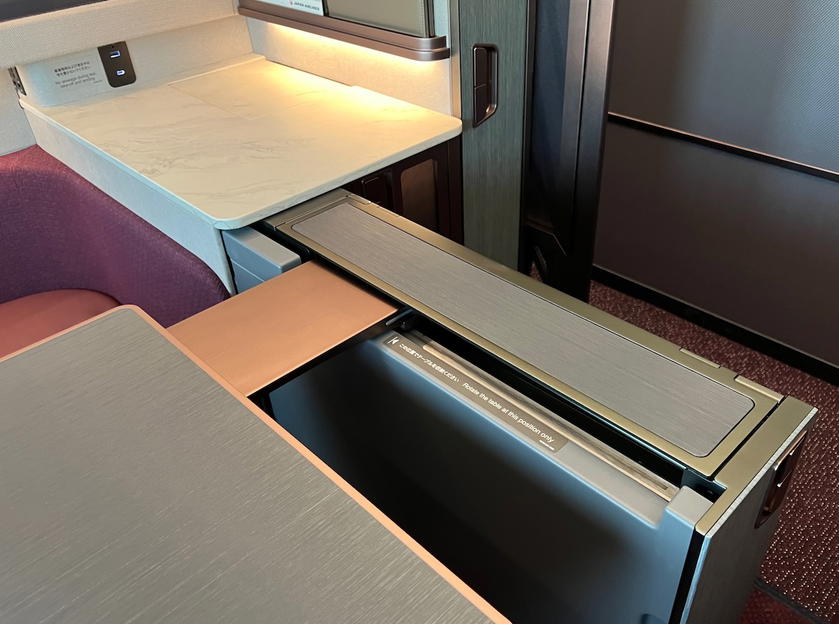
The tray table is massive, and two people could easily enjoy their meals from this at the same time, with room to spare.

As mentioned above, the suite has 62″ doors, and they’re easy to use, as they just slide open and closed. While this doesn’t quite offer full privacy, the reality is that these doors are much higher than most others on planes, and the crew can’t typically look over. After all, Japan Airlines primarily has female, Japanese flight attendants, and they’re not typically particularly tall.
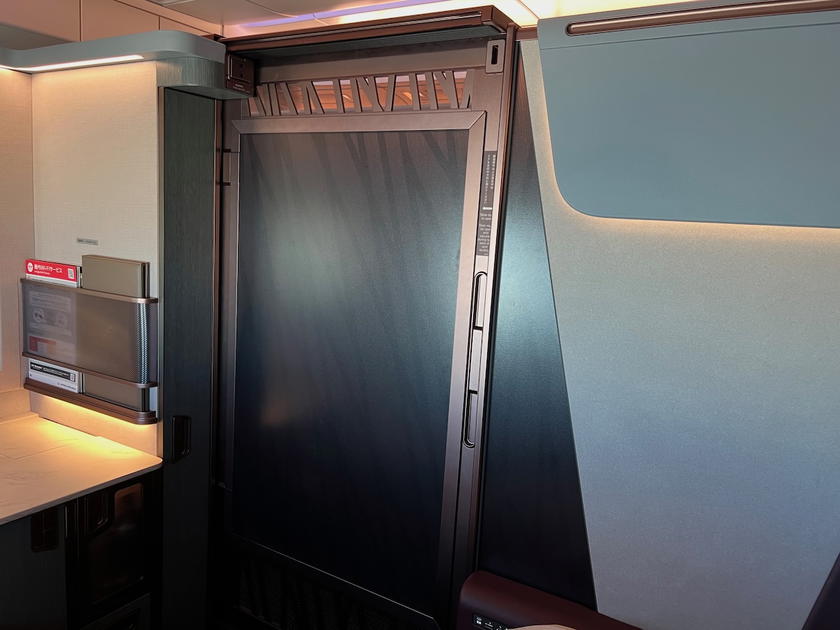
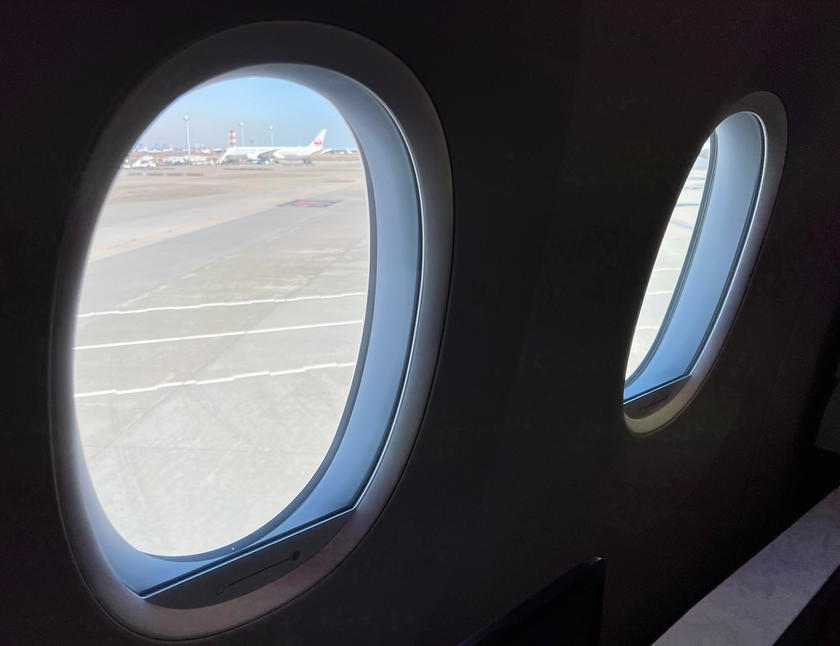
Japan Airlines’ A350-1000s are the “new production standard” version of the jet, meaning that the cabin is a bit wider than past A350s, and there are also dimmable windows. I far prefer the Airbus A350 dimmable windows to the Boeing 787 dimmable windows, as they do a better job of blocking light.
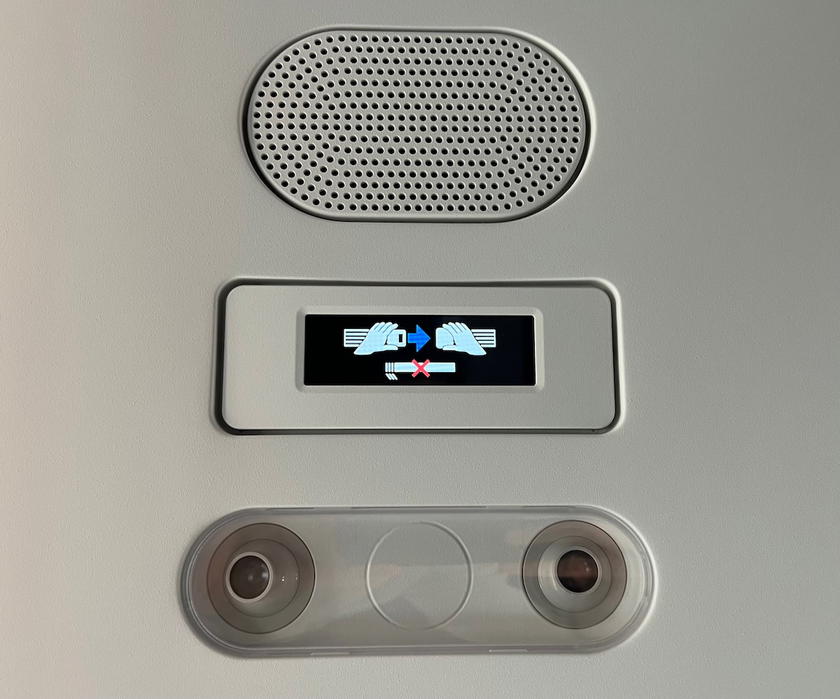
Perhaps the one downside to Japan Airlines’ A350 first class is that there are no individual air nozzles. I sure wish that Japan Airlines had elected to install those, but unfortunately that’s hardly surprising for a Japanese carrier.
One other thing I want to briefly discuss is the color scheme. Personally I don’t love Japan Airlines’ seeming obsession with burgundy. However, I have to say that I thought it looked a lot more elegant in person than in pictures, and I didn’t mind it. Would I want to decorate my home like that? Nope. But it exceeded my expectations.
Japan Airlines first class amenities
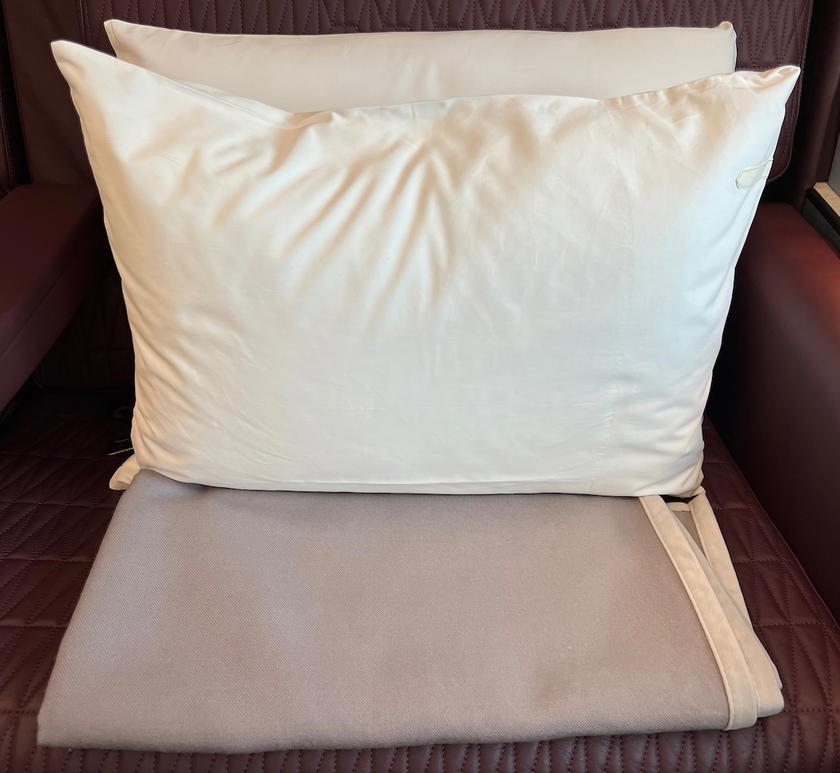
Japan Airlines offers a seemingly endless number of amenities in first class. Waiting at my seat upon boarding were two large, thick pillows, as well as a blanket. There’s more bedding available when you’re ready to sleep, but this helps with getting cozy while just lounging around. After all, in this product you feel like you have a couch in the sky, so it’s nice to be able to make yourself feel at home.
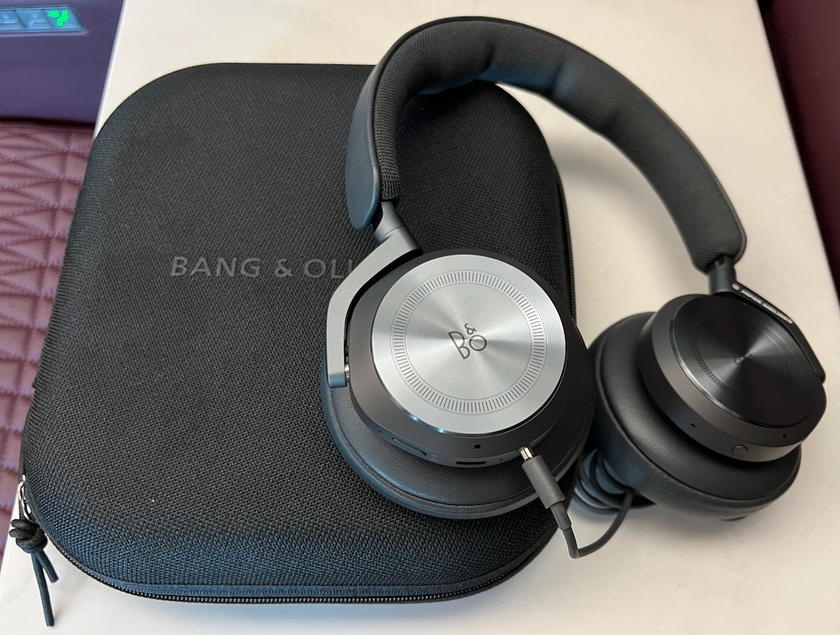
There were a pair of Bang & Olufsen headphones, which are high quality. However, you have two other options for listening to audio — you can use your own headphones thanks to the bluetooth audio, or you can use the headrest speakers.
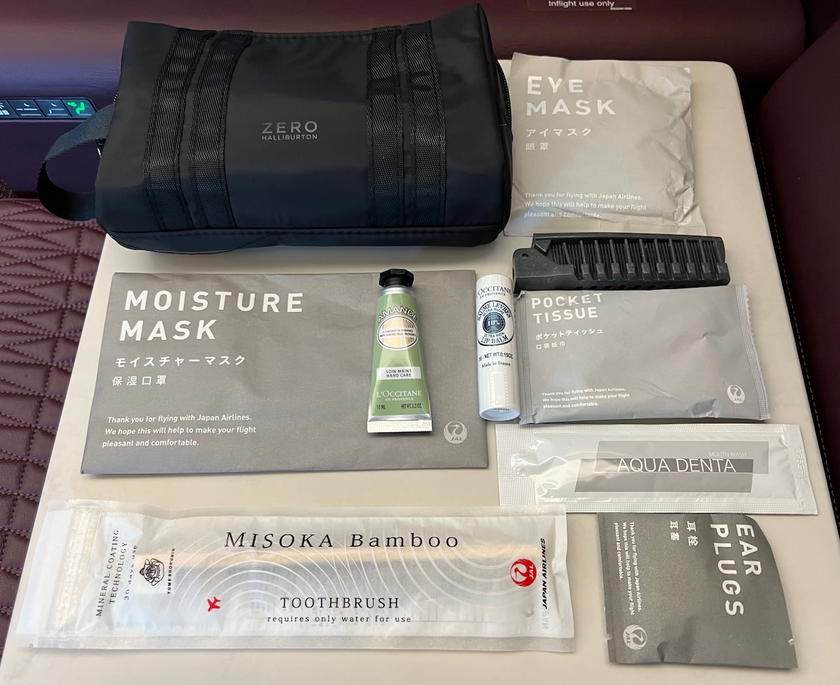
There was also an amenity kit from Zero Halliburton, containing an eye mask, earplugs, hair brush, pocket tissue, moisture mask, dental kit, and mouthwash, as well as hand cream and lip balm from L’Occitane.
Then there was a Shiseido kit, with a face cleanser, a hydrating lotion, and a revitalizing cream.

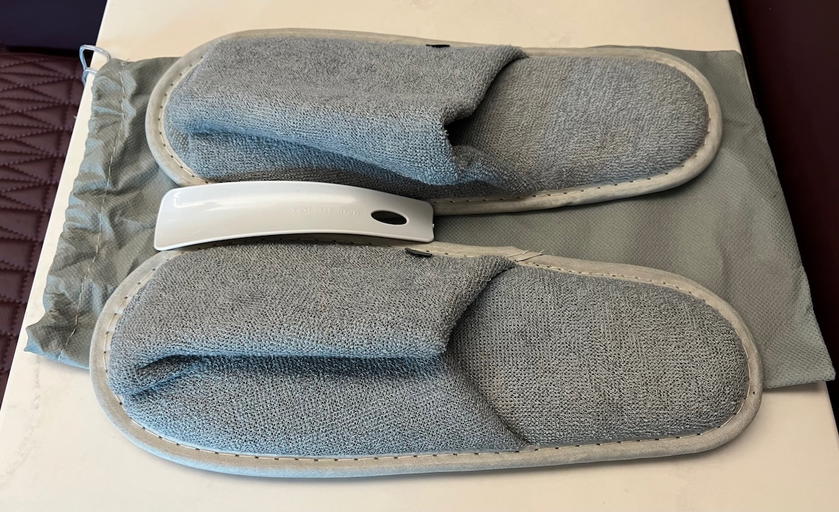
There were also slippers, including a bag and a shoehorn.
The menu and drink list were on display at the seat, in a nice leather binder.

Within a minute of settling in, the two fabulous first class flight attendants stopped by my seat to introduce themselves. Aoki would be primarily taking care of me, while Takada was the senior cabin attendant.
They were as enthusiastic as I was, as it was the first time they were flying on the A350-1000. Amazingly enough, they knew the product perfectly, and I didn’t notice any challenges with the service flow, so I guess Japan Airlines trained crews well.
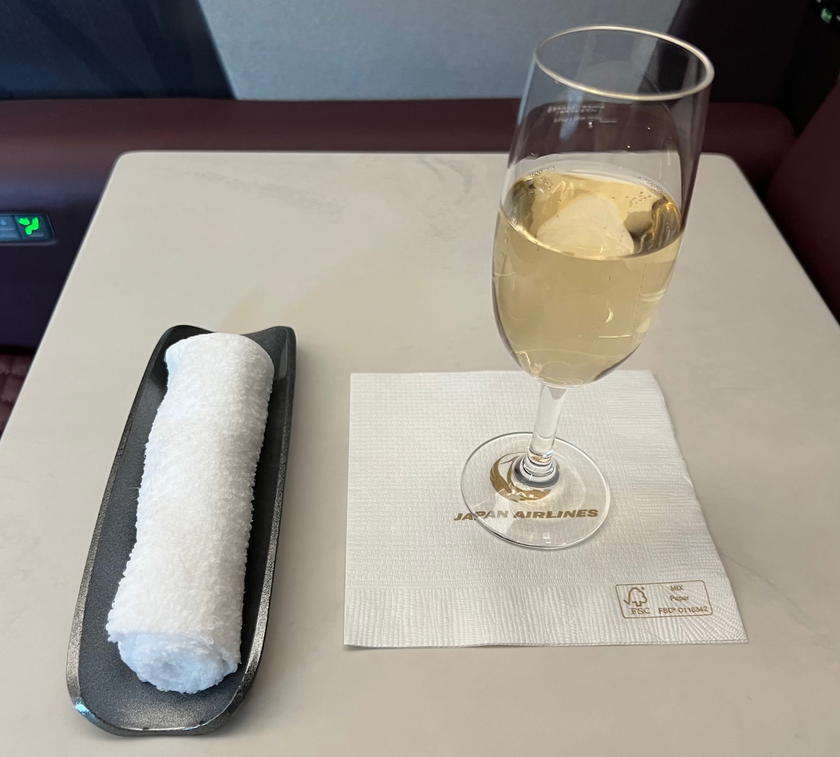
They first offered me a pre-departure drink, with the choice of champagne or orange juice. That was served with a warm towel. Japanese airlines just consistently aren’t big into pre-departure drinks, as the focus during boarding is very much on safety and efficiency.
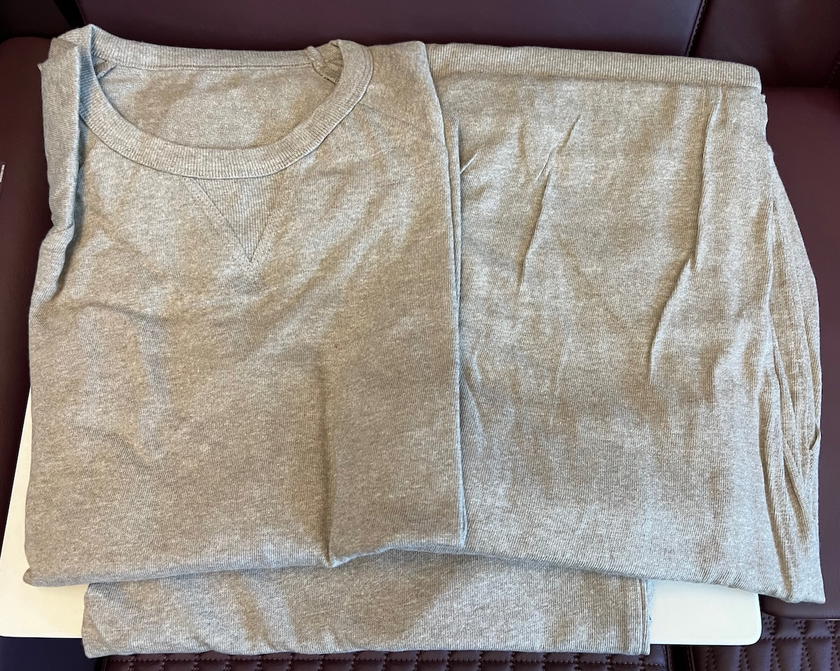
They then offered me pajamas for the flight. These are soft and comfortable pajamas that I took home with me — truth be told, I’m wearing them right now, as I write this review!
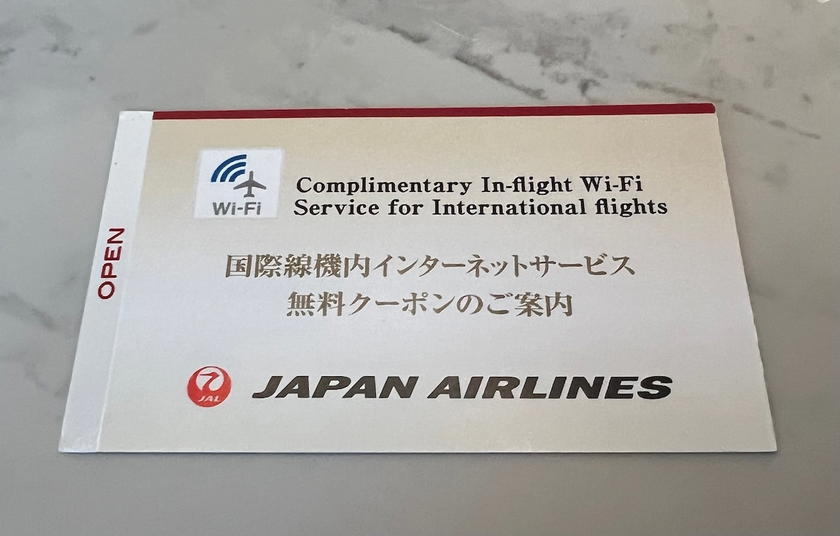
I was also presented with a voucher for complimentary Wi-Fi throughout the flight, with no data caps.
Japan Airlines A350 first class entertainment & Wi-Fi
Japan Airlines has Wi-Fi on its Airbus A350-1000s, provided by Panasonic. The Wi-Fi pricing on the jet is as follows, all with no data caps:
- A one hour pass costs $10.15
- A three hour pass costs $14.40
- A full flight pass costs $18.80
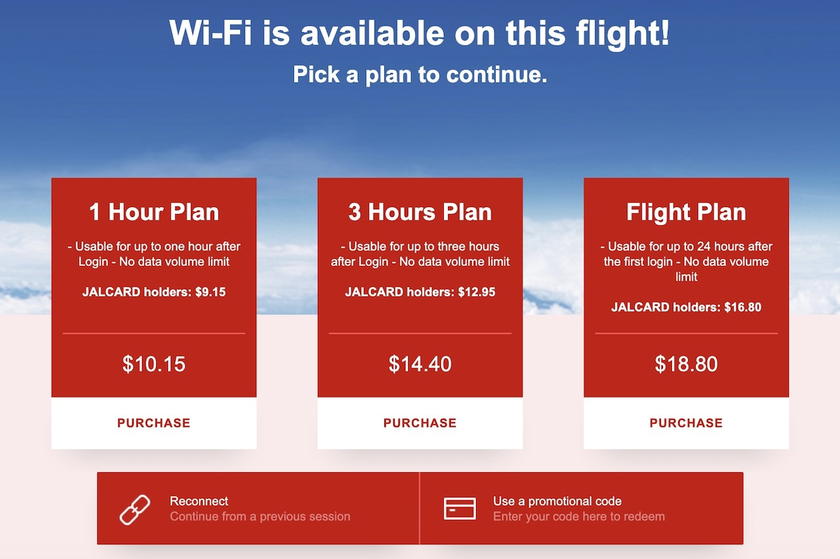
I find that pricing to be attractive, especially for a flight this length, given the lack of data caps. You can also switch between devices freely. However, in my case the Wi-Fi didn’t cost anything, since I received a code for free Wi-Fi, which worked with no limits.

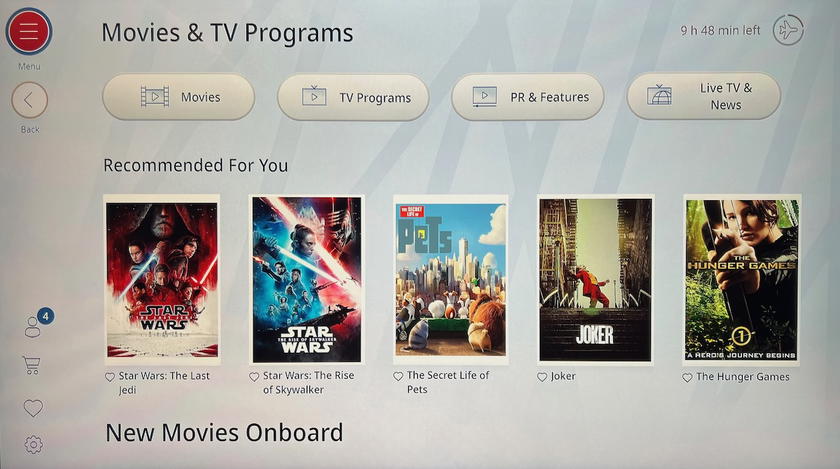
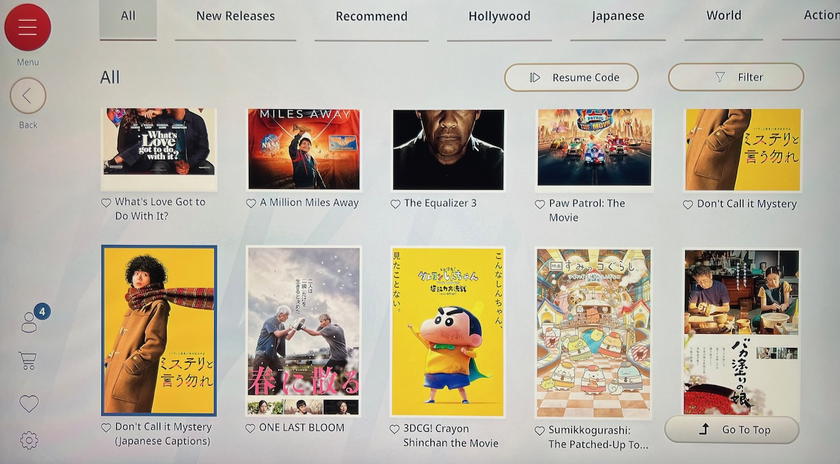
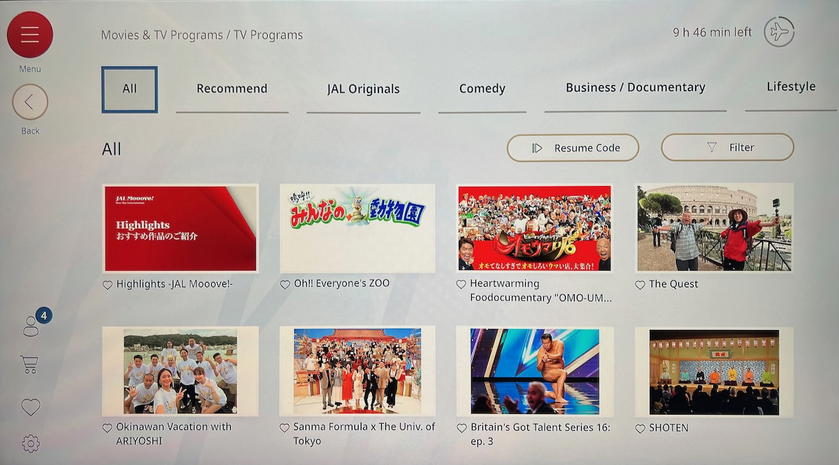
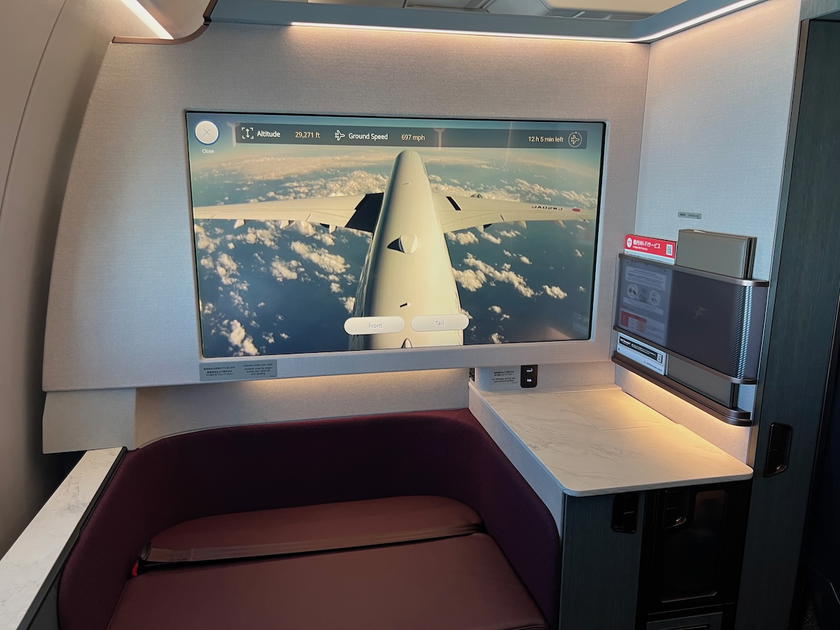
As far as the entertainment screen goes, it’s kind of wild to have a 43″ 4K screen at your seat — you almost feel like you’re in a movie theater. The entertainment system has a selection of movies, TV shows, live TV, audio, a map feature, and even a tail camera.
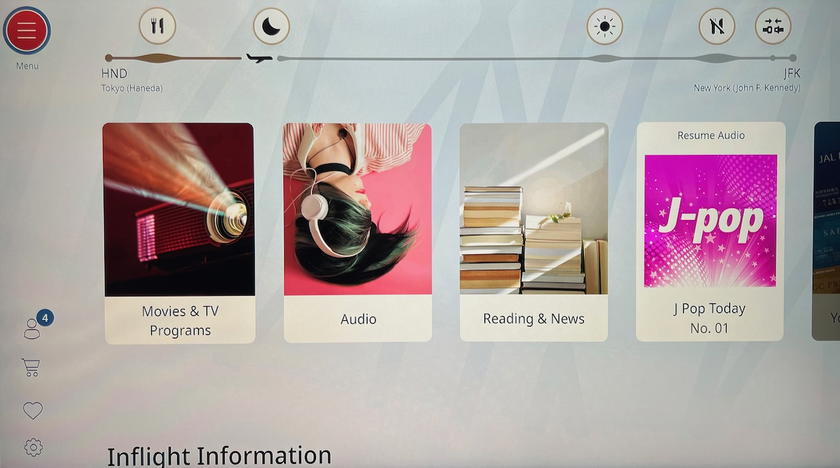
This isn’t among the best entertainment selections out there, and it pales in comparison to systems like Emirates’ ICE. However, the choices wasn’t terrible either — I’d estimate there were somewhere around 150 movies.
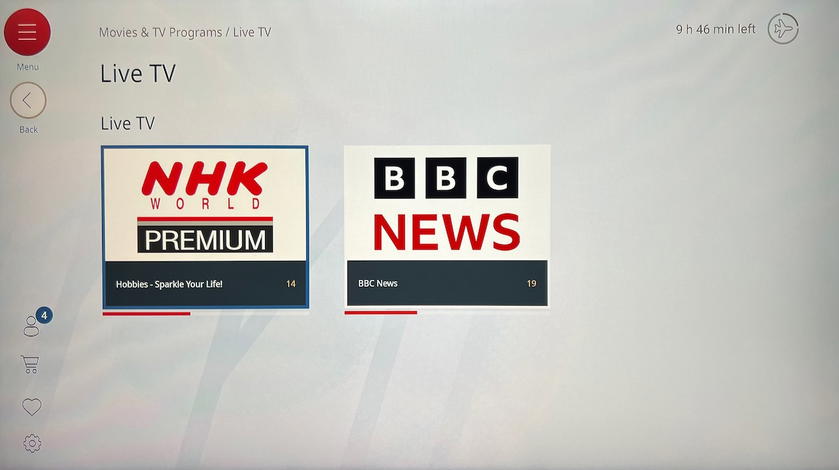
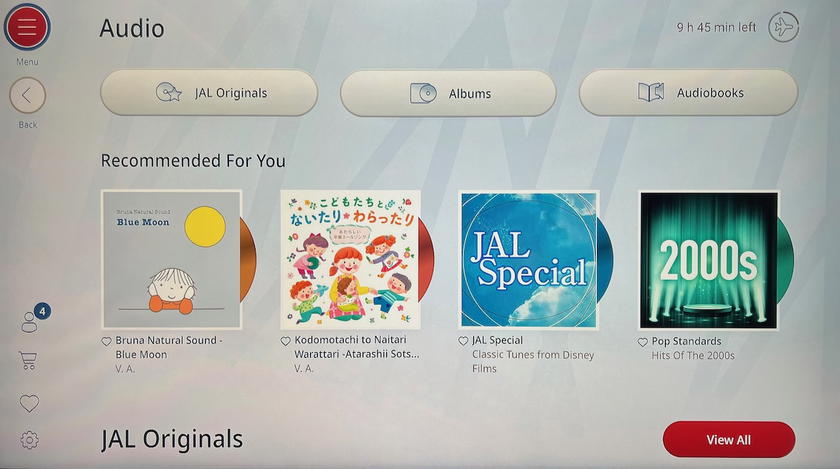
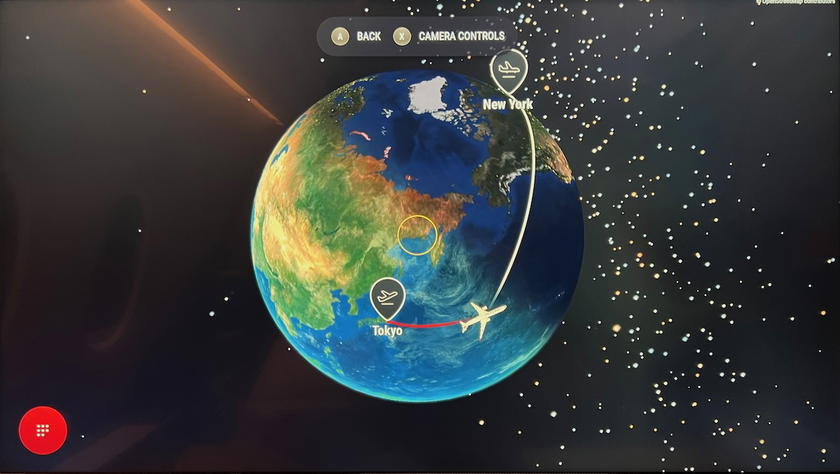
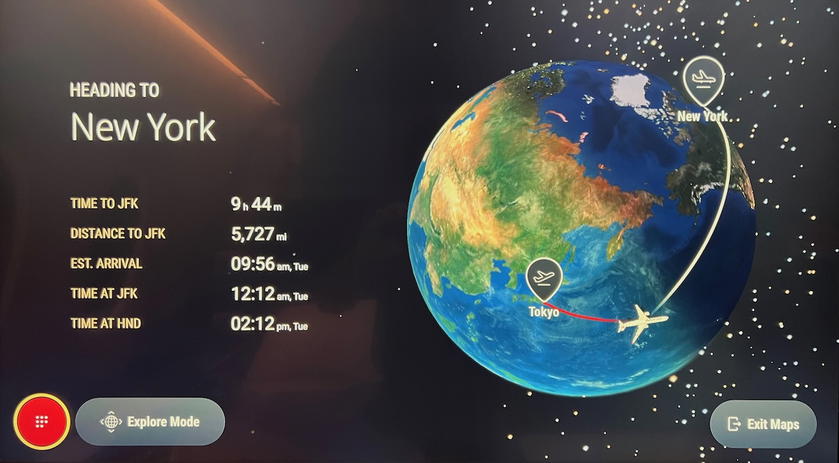
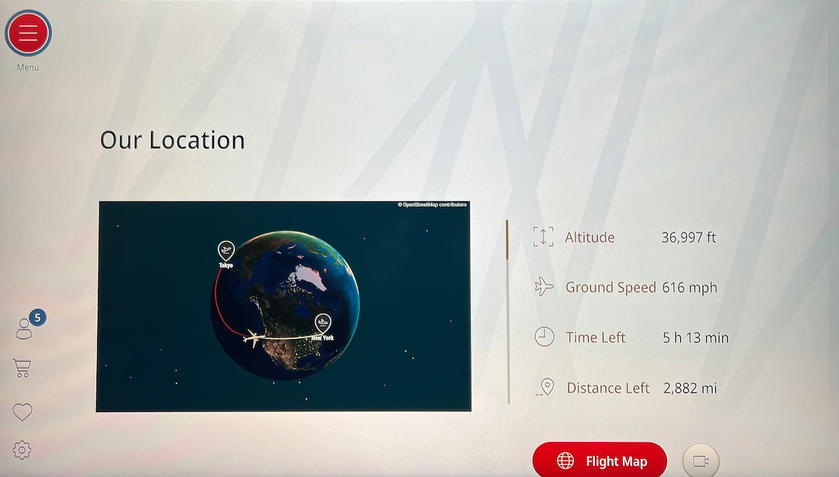
The system also has a map feature, though that was glitching during my flight — it worked for the first portion of the flight, but then the map stopped tracking the plane’s location for the remainder of the flight. I imagine Japan Airlines is still ironing out some glitches.
But honestly, the entertainment not being amazing didn’t bother me. Between the unlimited Wi-Fi and the tail camera, I was entertained just about the entire way. As an aviation geek, having a high definition tail camera on a 43″ screen is a dream come true. I mean, what more could one ask for?!
Probably the most interesting thing about Japan Airlines’ entertainment system is how there are built-in headrest speakers. Yes, you can watch movies or listen to music without even putting headphones on, as the speakers are all around your head. That’s quite something!

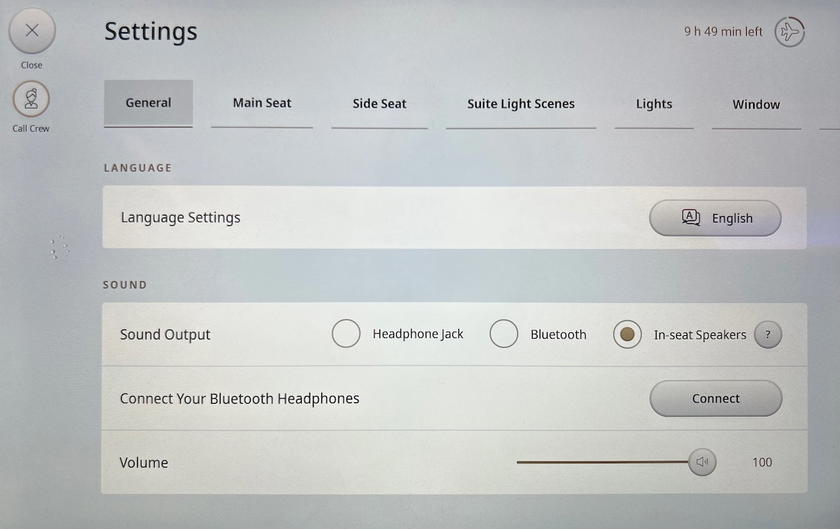
Japan Airlines A350 departure from Tokyo
The door closed at around 11:10AM, as boarding was efficient. For that matter, the flight just wasn’t very full, and had maybe 100 people onboard. In first class, there were a total of four passengers — a Japanese lady who was clearly an avgeek was seated in front of me, as she was as enthusiastic about the product at I was. Then an older Japanese couple was seated on the other side of the cabin.
At 11:15AM we began our pushback, and then five minutes later we started our taxi.
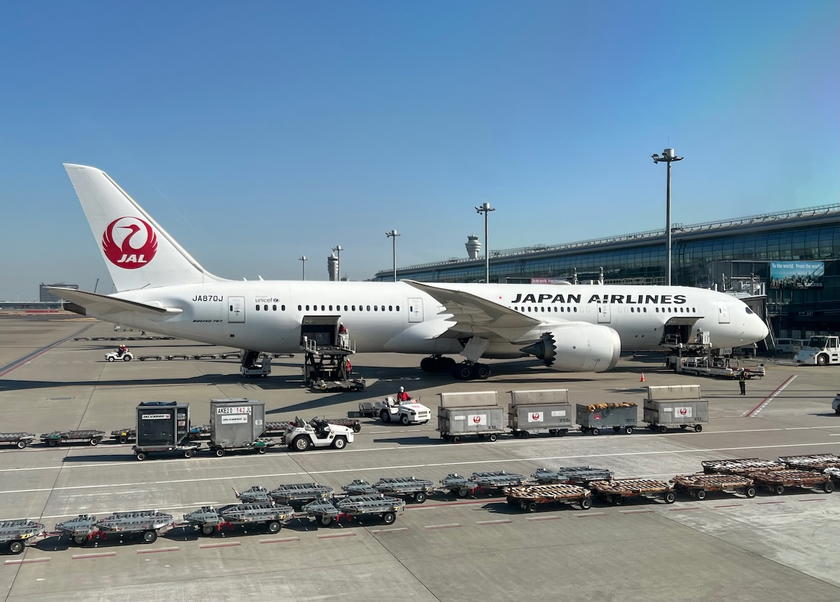
Around this time, the safety video was screened.
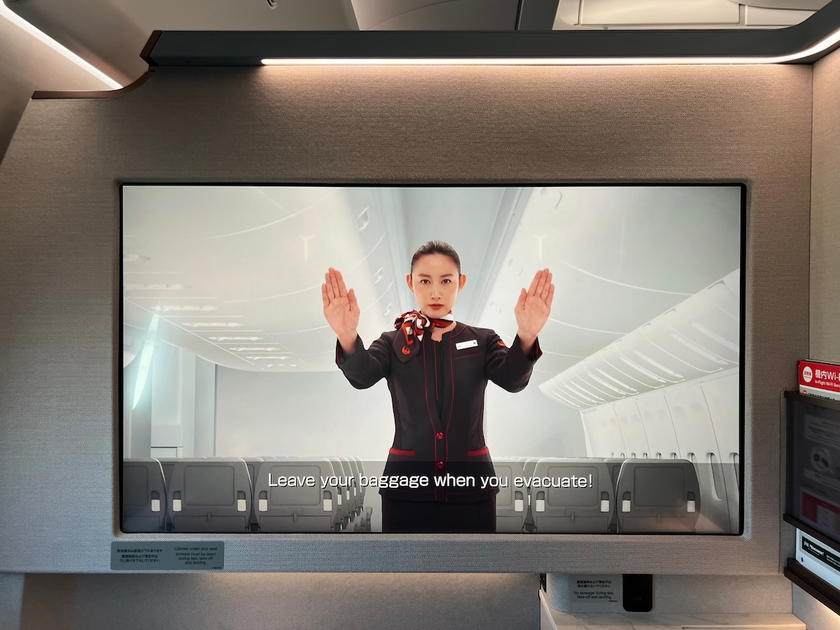
Once the video wrapped up, I of course turned on the tail camera, to enjoy the views.
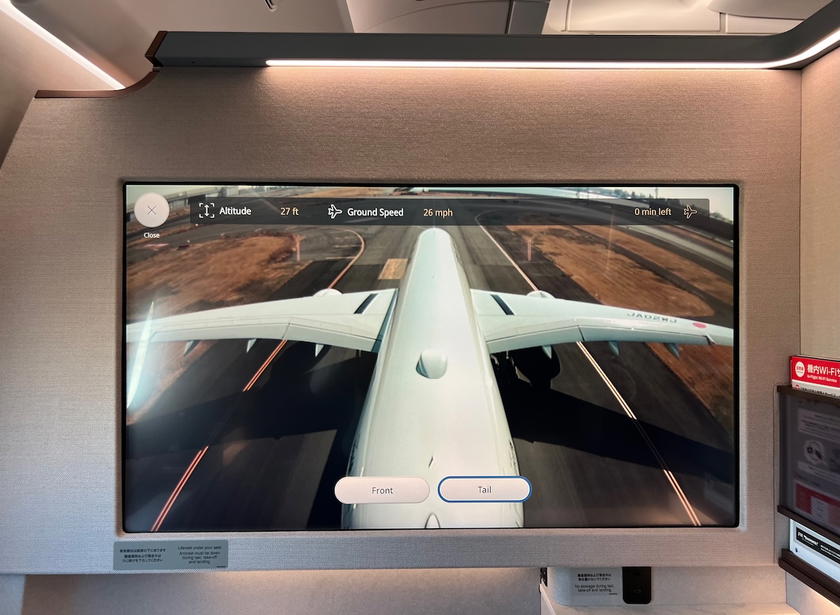
We had a pretty long but fast taxi, and by 11:30AM we were cleared for takeoff on runway 34R.
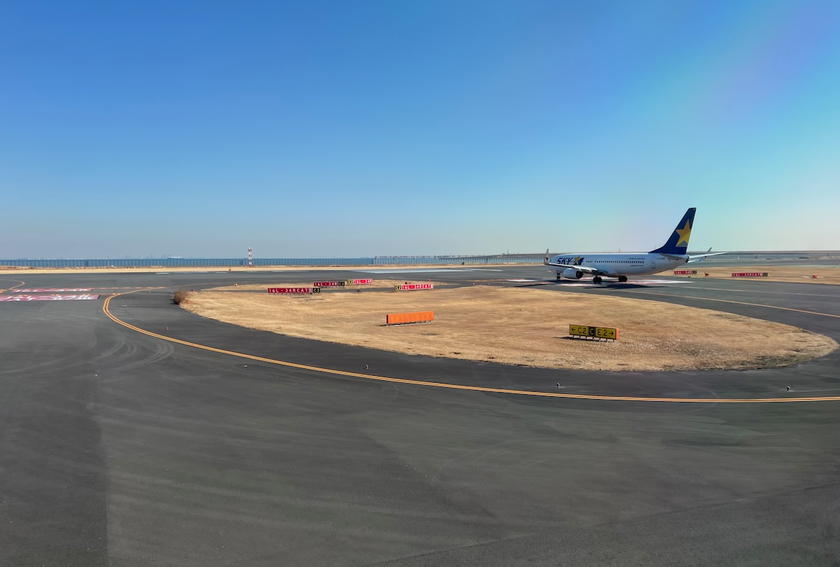
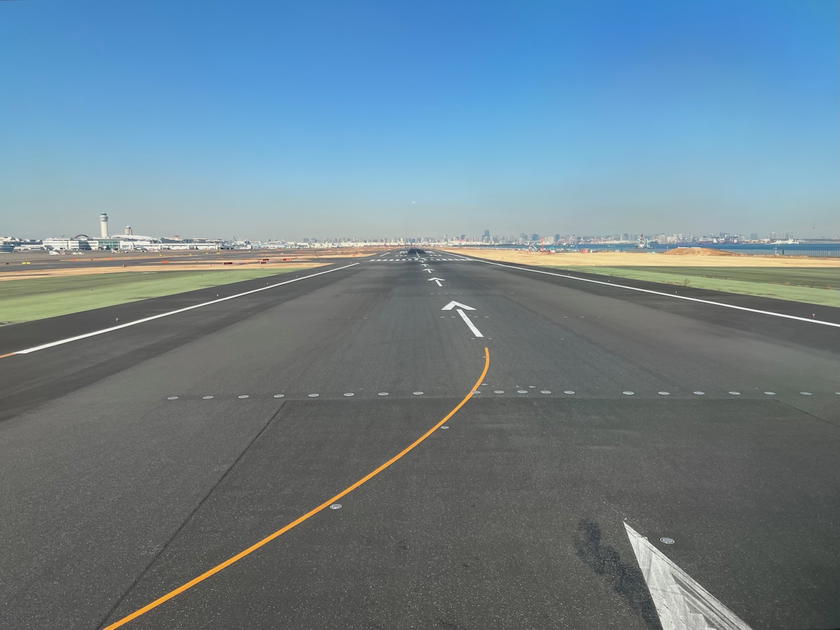
Departing Haneda on a daytime flight with clear conditions is such a treat, as it really puts into perspective what a sprawling city Tokyo is.
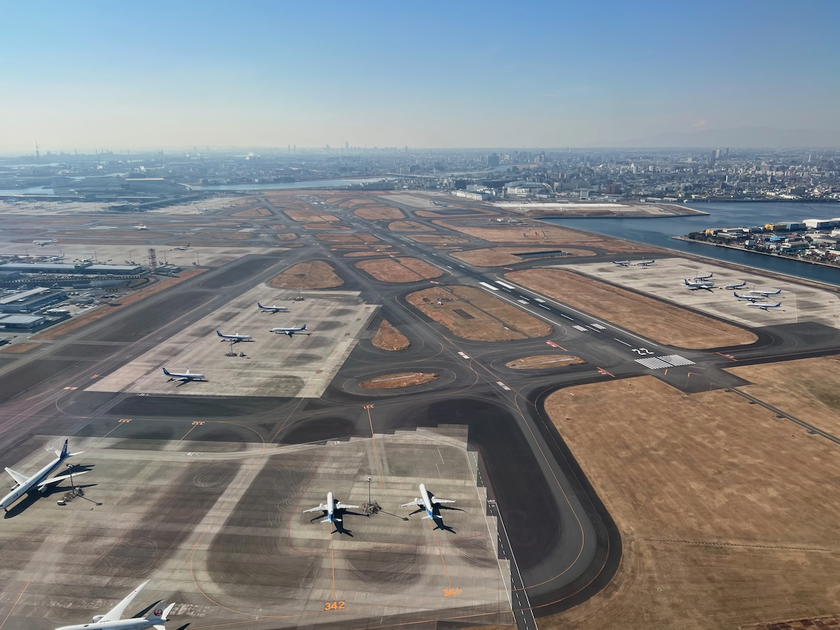
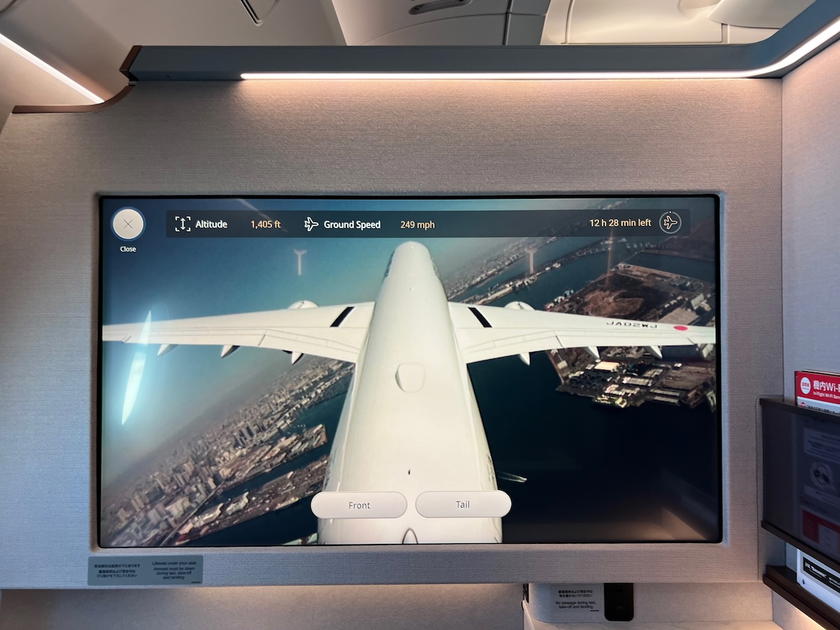
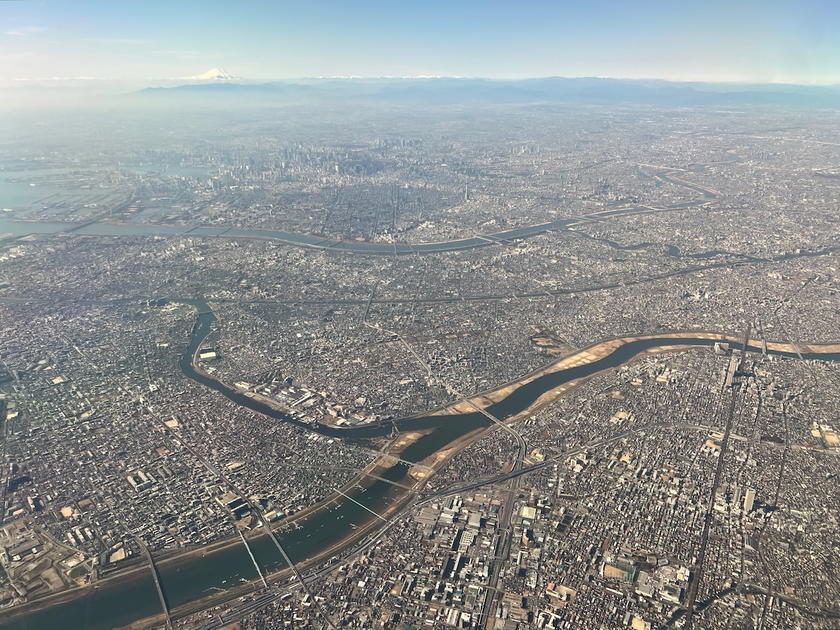
We had a smooth climb out, and then the seatbelt sign was turned off about 10 minutes after takeoff.
Japan Airlines first class lunch service
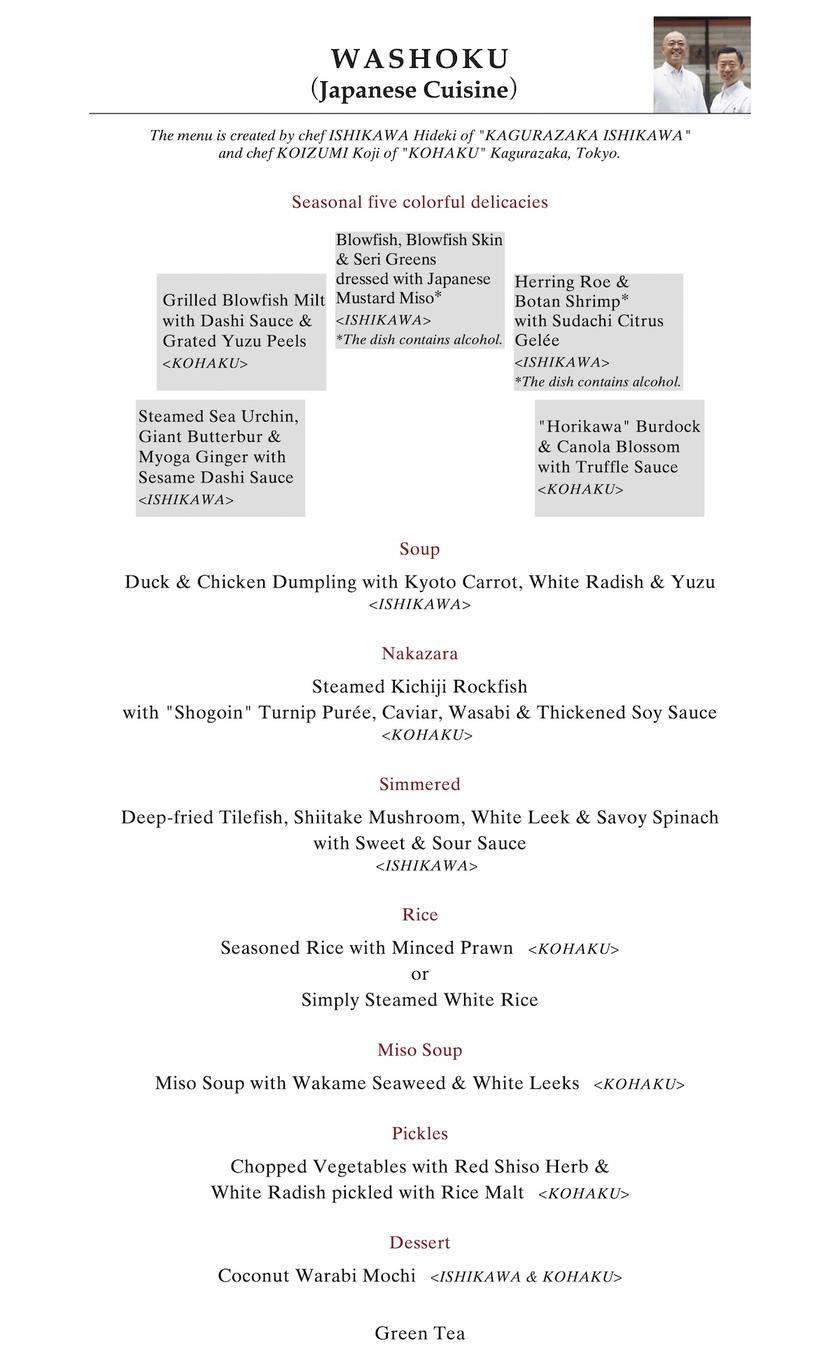
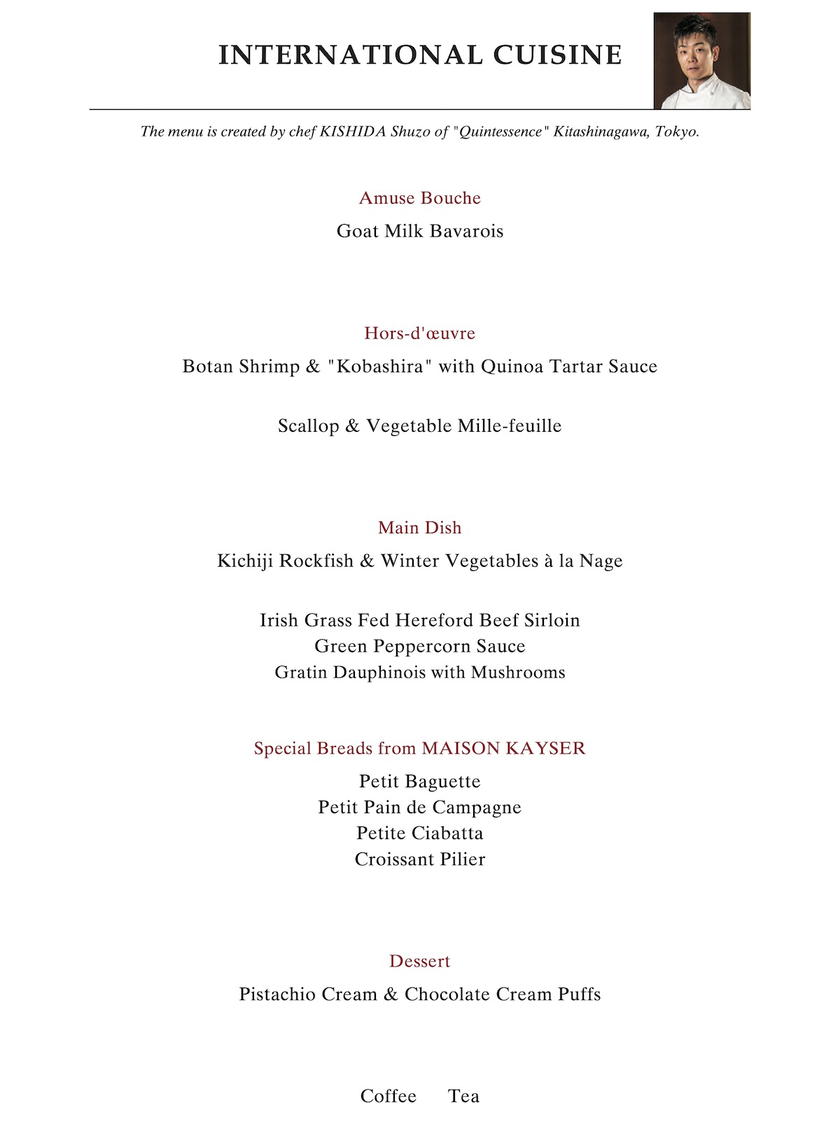
After takeoff, it was time to eat… and drink! On this route, Japan Airlines offers one main meal after takeoff (though you can enjoy it whenever), and then a large snack and pre-arrival meal menu. Below you can find the menu for the first meal on this flight, featuring both a Japanese and international cuisine option.
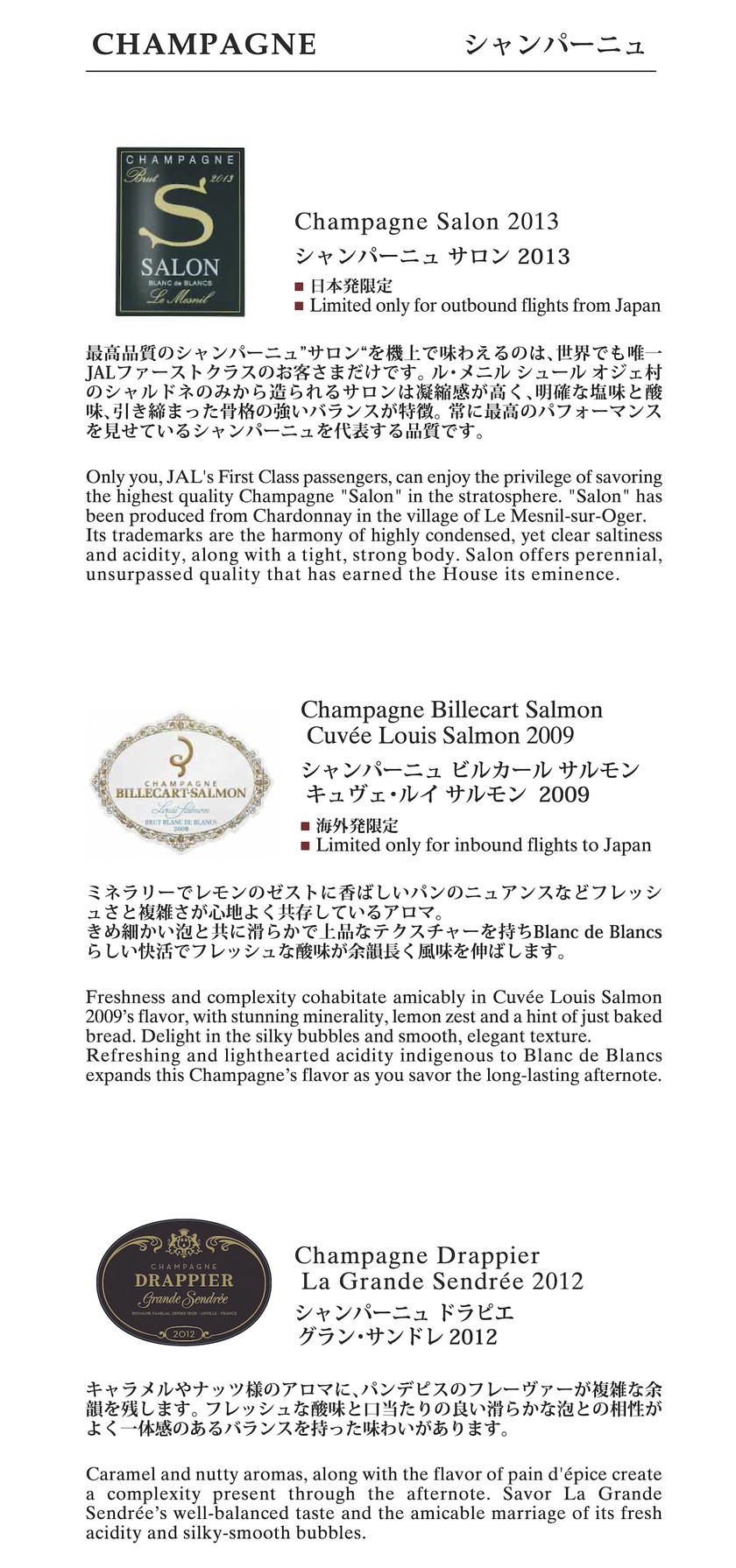
Then below you can find the extensive Japan Airlines first class drink list.
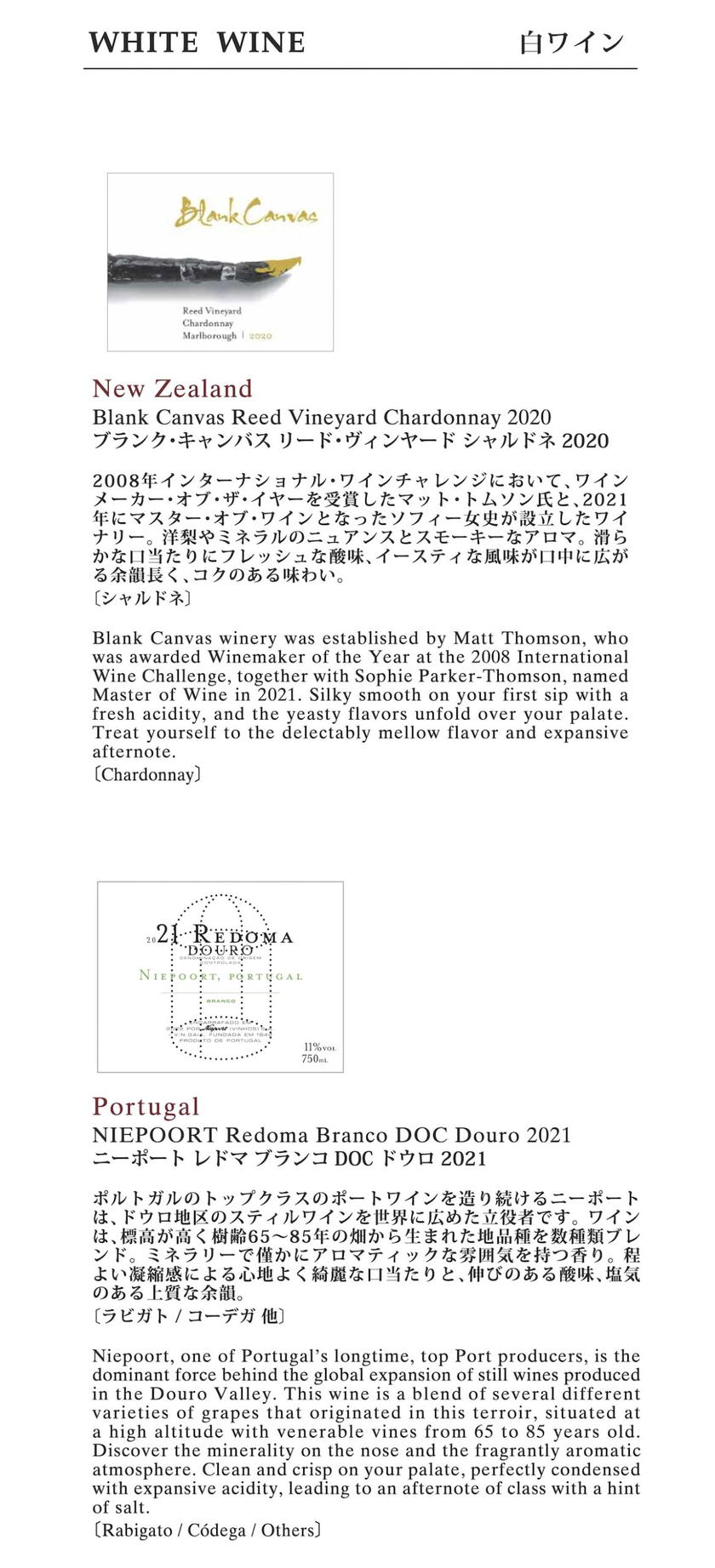
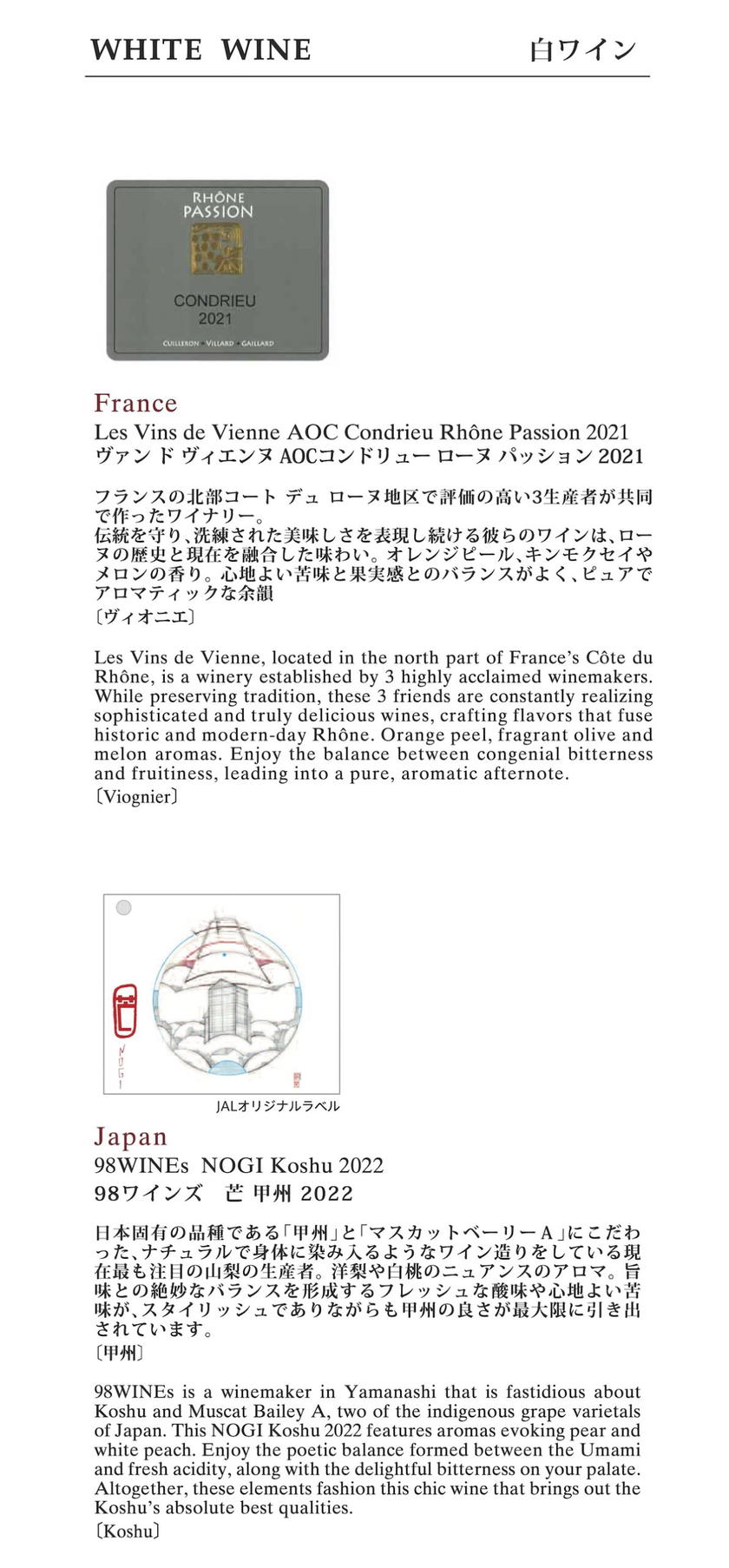
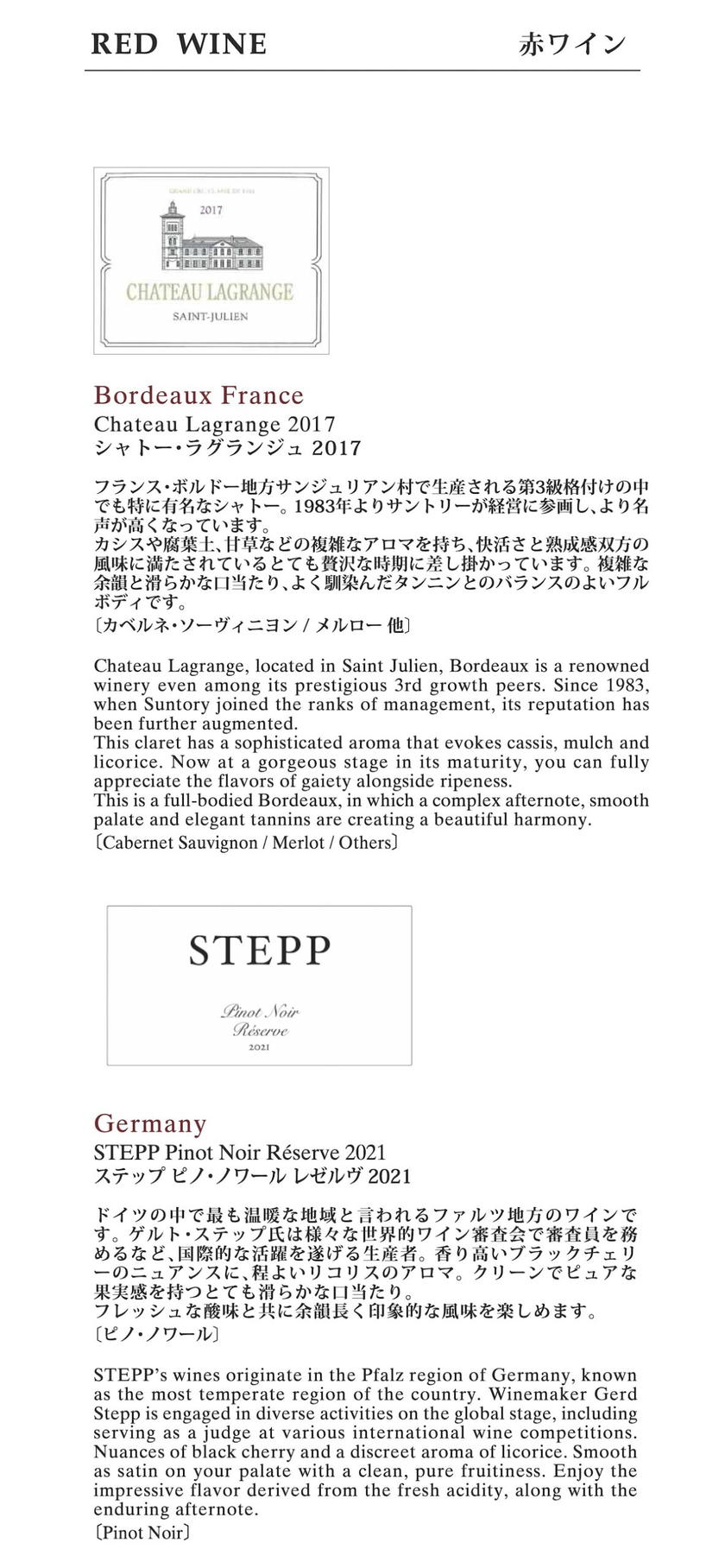
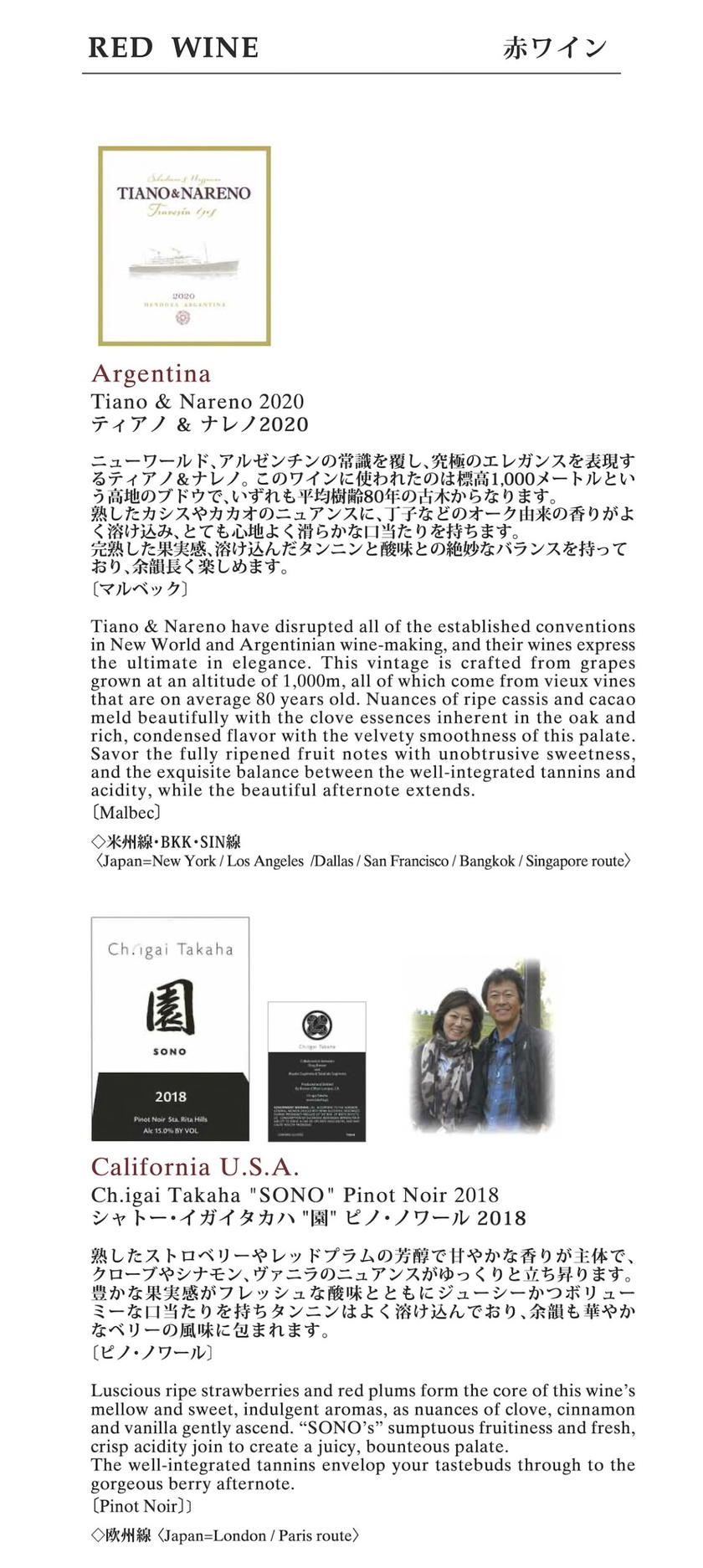
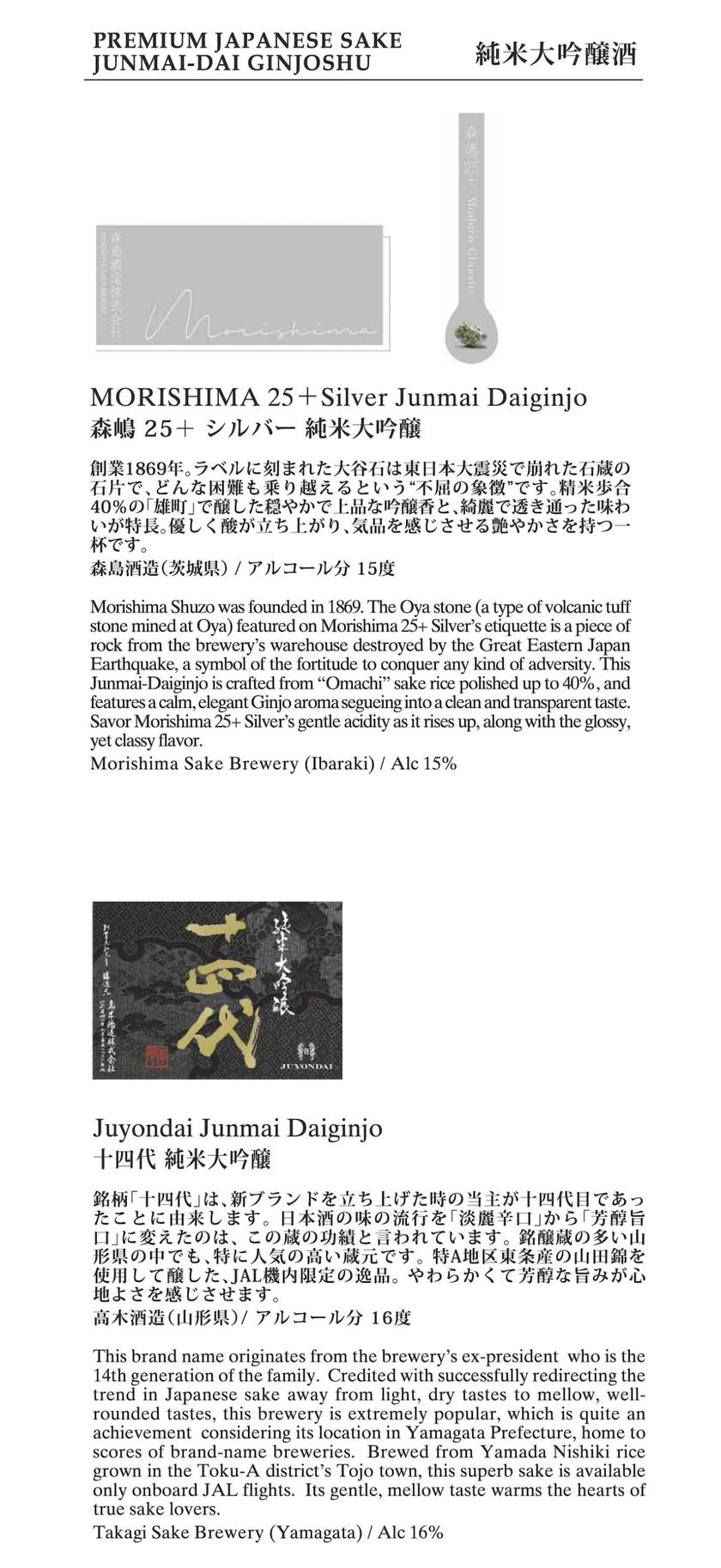
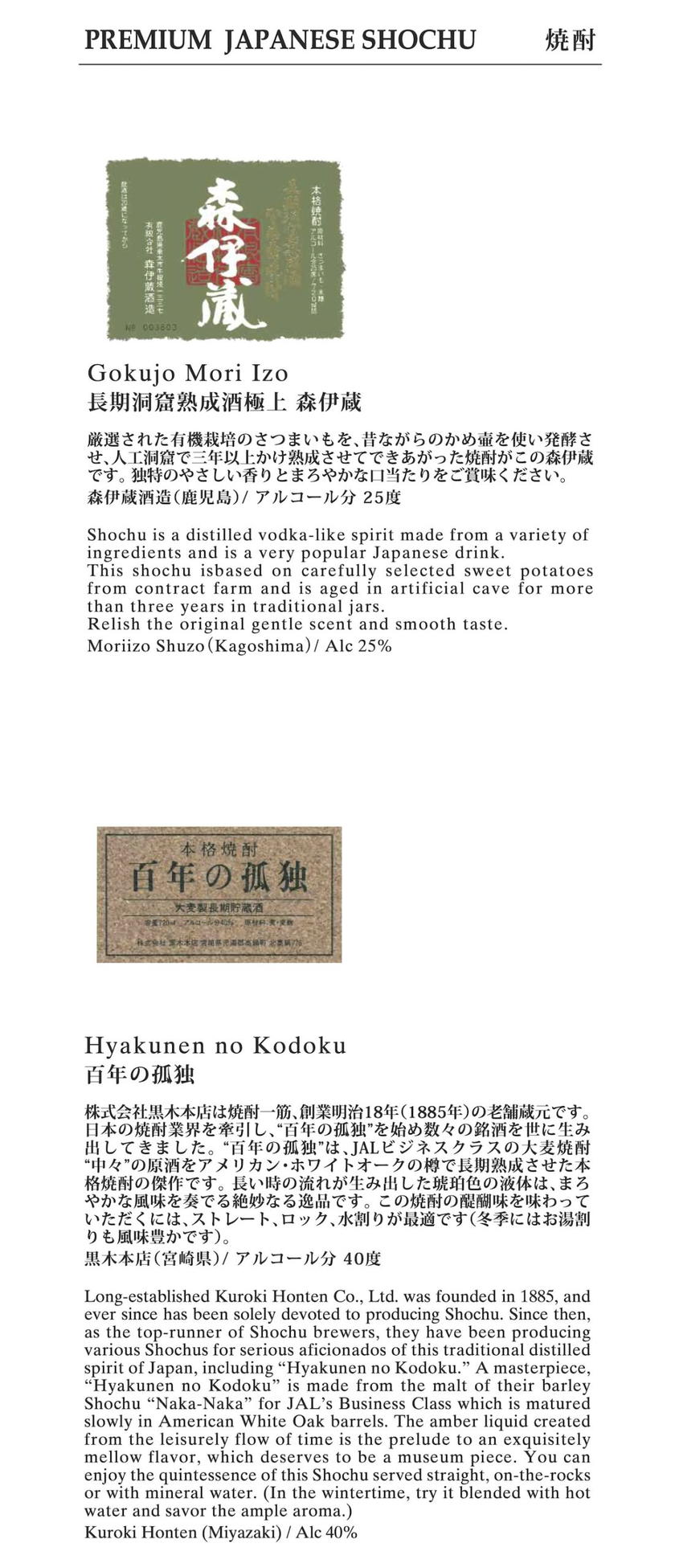
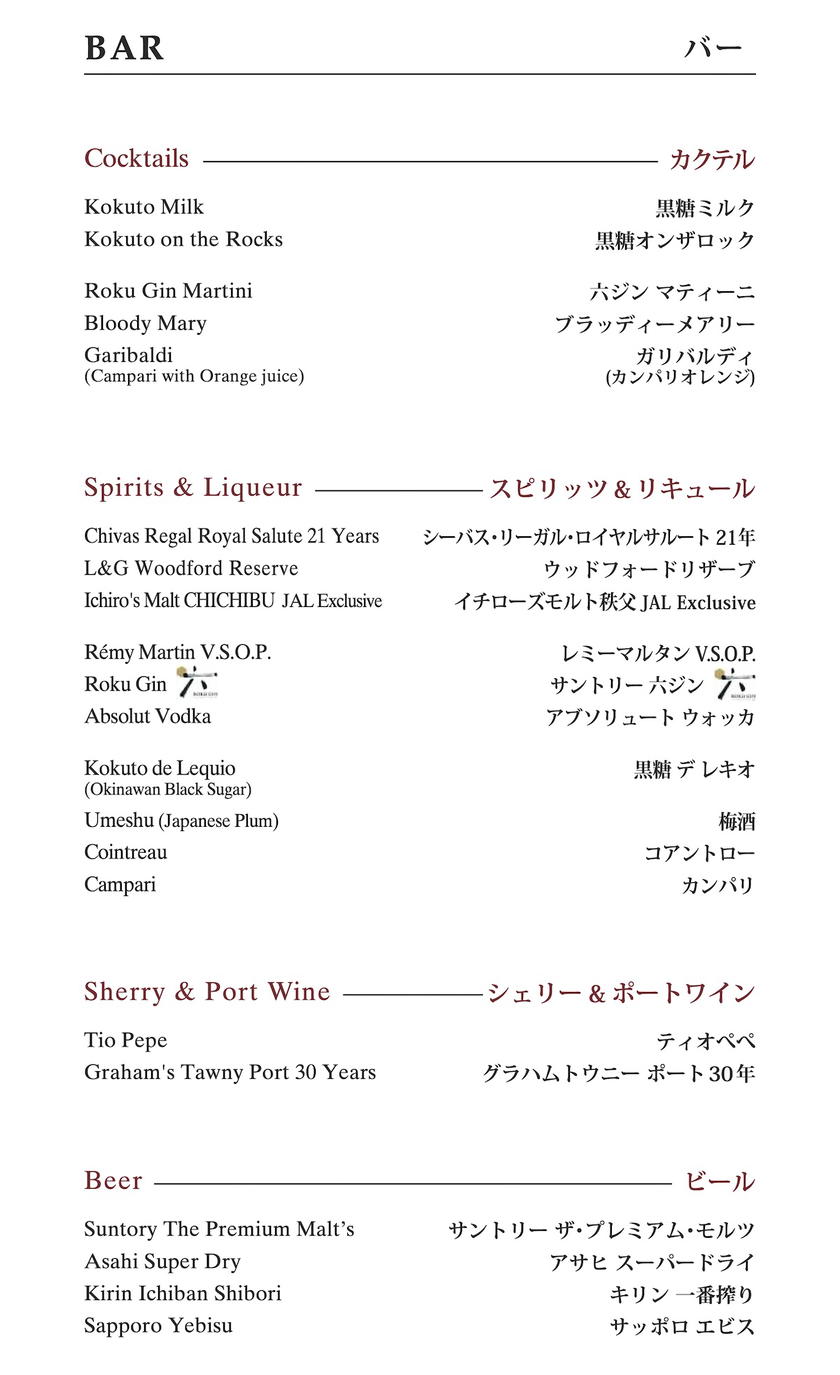
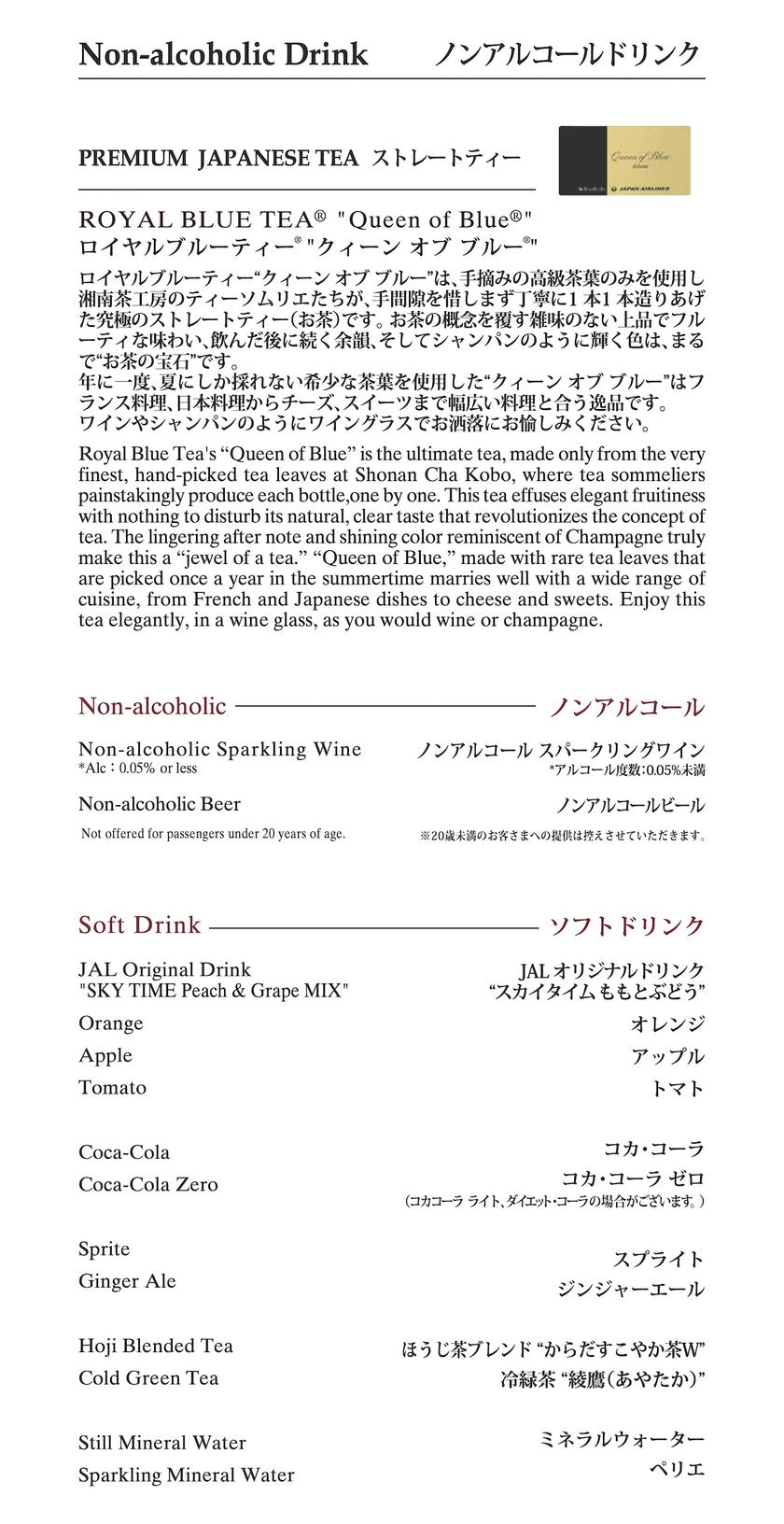
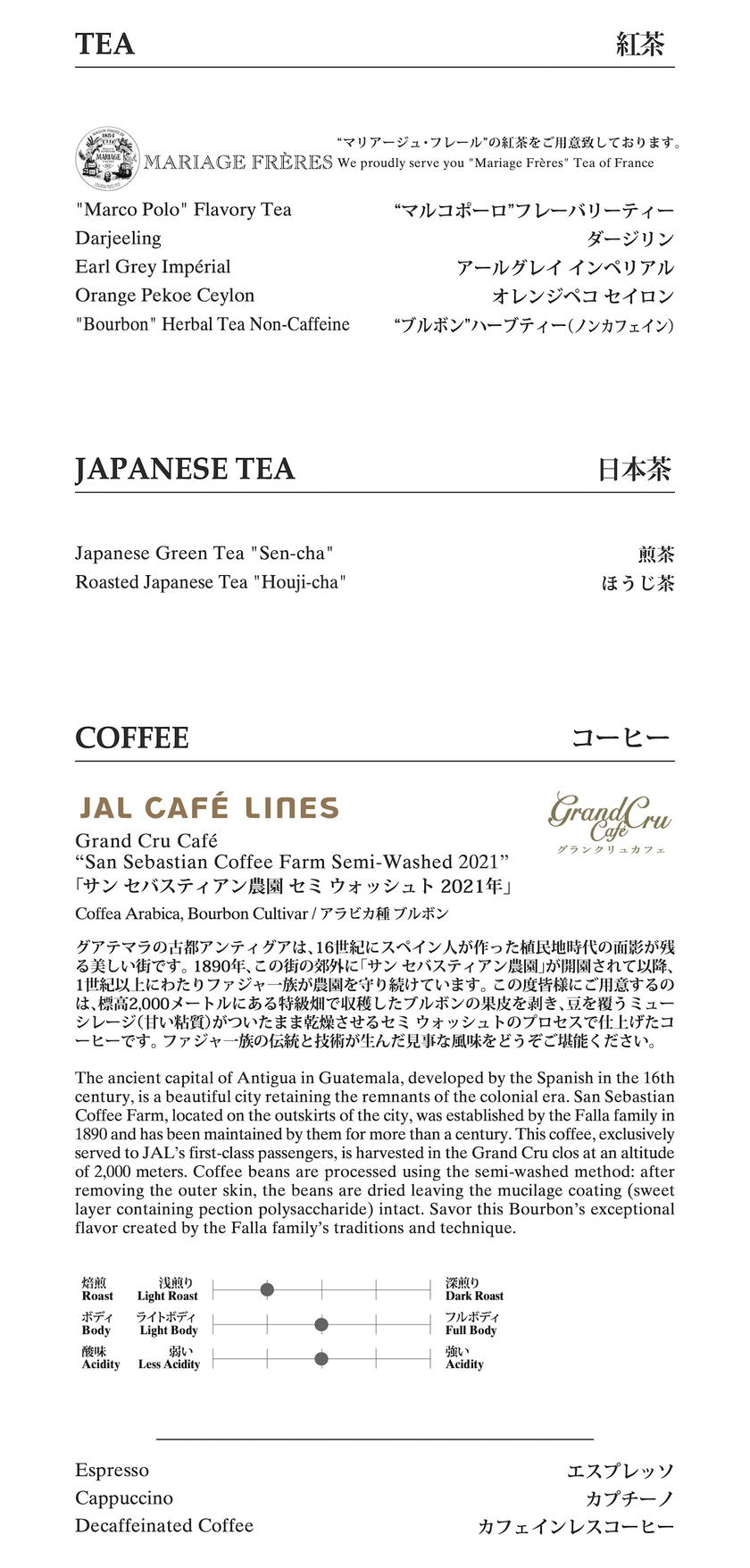
While I typically select the Japanese option when flying with Japanese carriers, this time around I chose the international option instead. That’s because the international menu sounded great to me, while the Japanese menu was a bit too blowfish, herring, and urchin-centric for my liking.
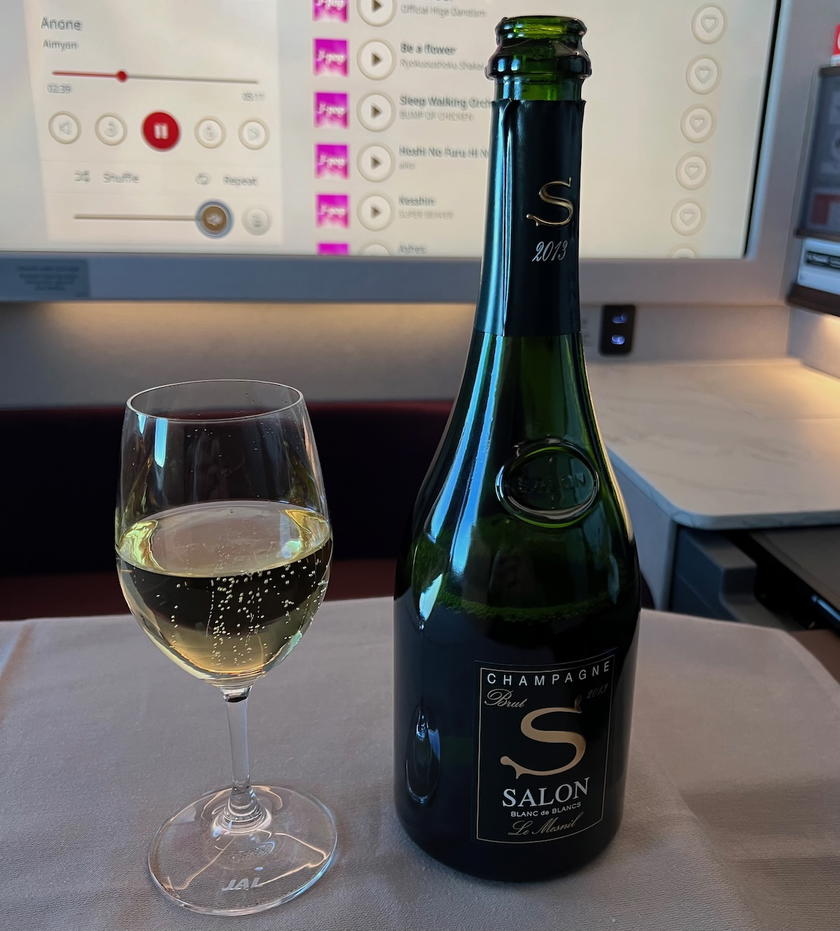
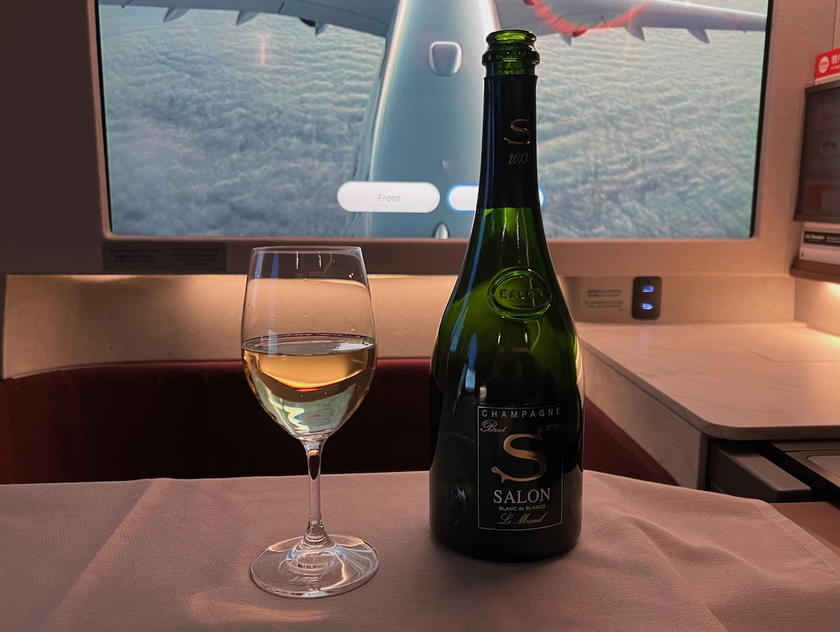
I kicked off my meal with a glass of champagne. Japan Airlines currently serves 2013 Salon champagne on flights from Japan, which retails for around $1,200 per bottle. That’s the most expensive champagne served on any airline, but there’s a catch — the airline only caters a single bottle per flight.
After that there’s the backup champagne, which is currently Champagne Drappier La Grande Sendrée 2012. I find it a bit strange and stingy how the airline has an incredible champagne, but only caters a single bottle. If the cabin were full and every passengers wanted some, there would be enough for everyone to have a single glass (if that).
Well, I was in luck on this flight, as I was the only person who was drinking the Salon, so the bottle was all mine — score!
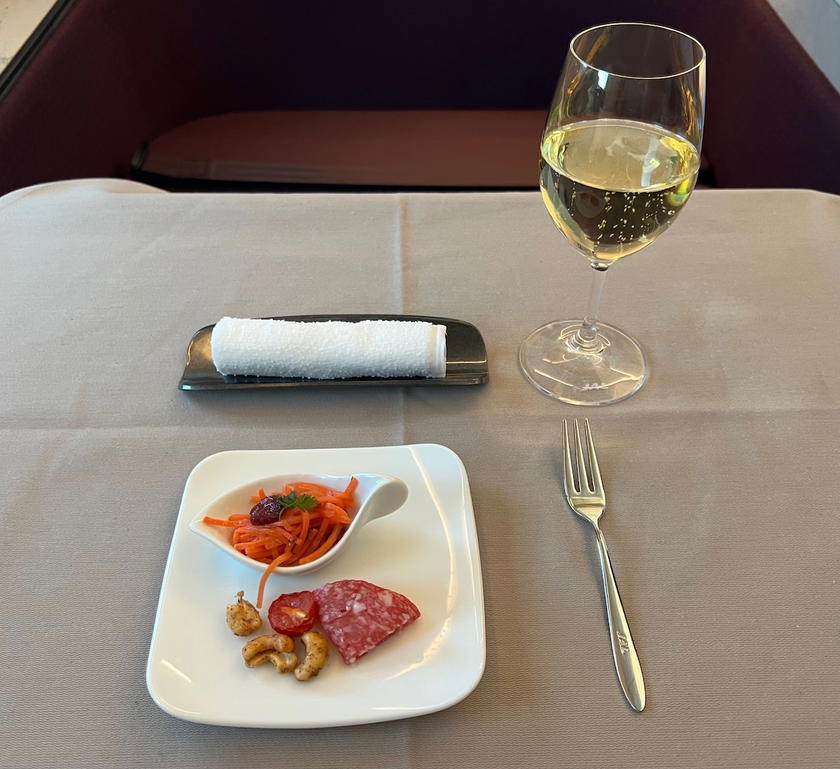
The champagne was served with a canapé consisting of some nuts, salami, and shaved carrots.
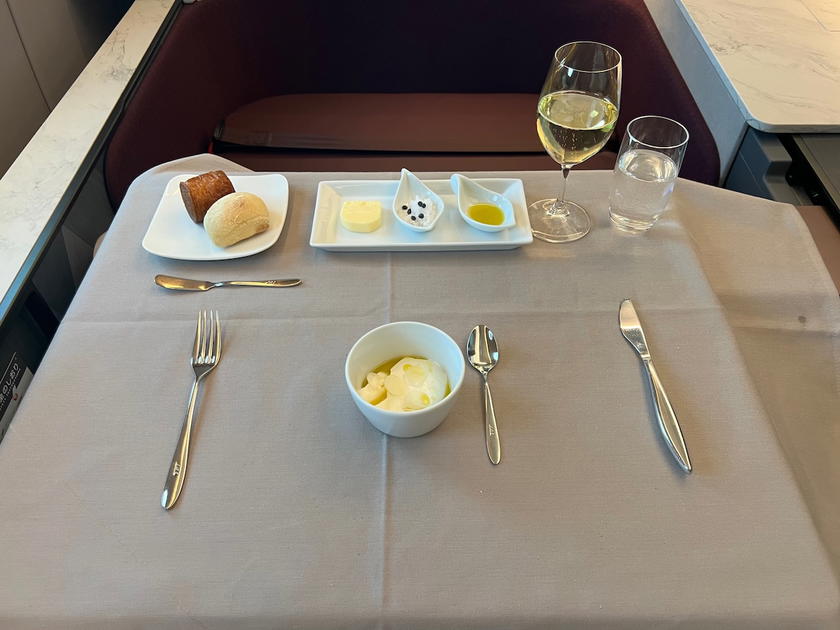
Then the “proper” meal started, and my goodness, it was a feast. The amuse bouche was a delicious goat milk bavarois. At the start of the meal, I was offered a selection of warm and fresh bread, served with butter, salt, and olive oil.
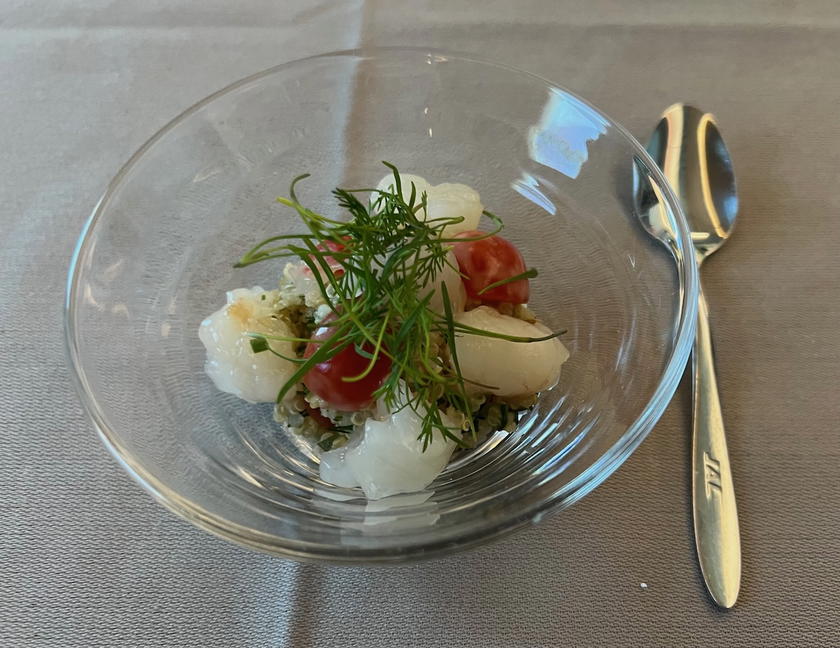
I was then served my first of two hors d’oeuvres, a botan shrimp & “kobashira” with quinoa tartar sauce. This was a surprisingly lovely combination of flavors.
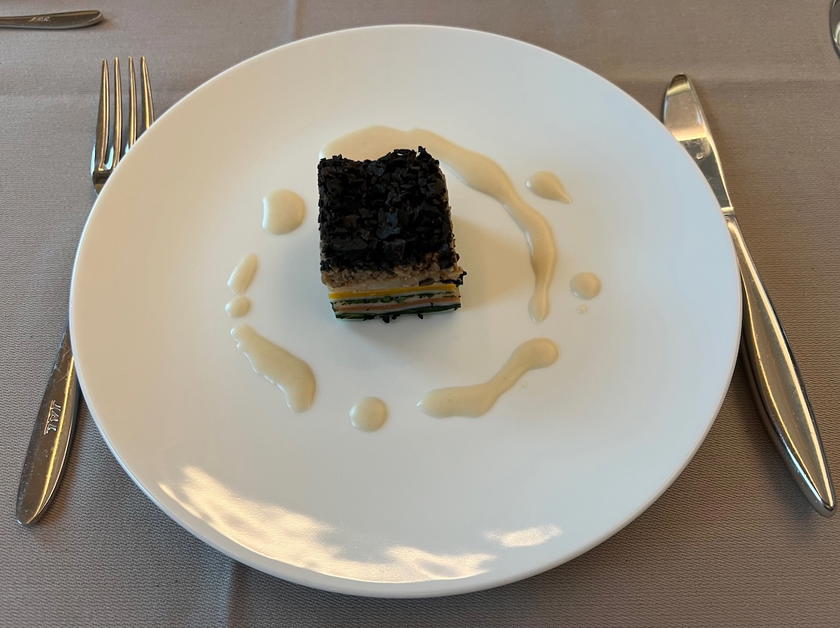
Once that was cleared, it was time for a scallop & vegetable mille-feuille. Yum, yum, yum.
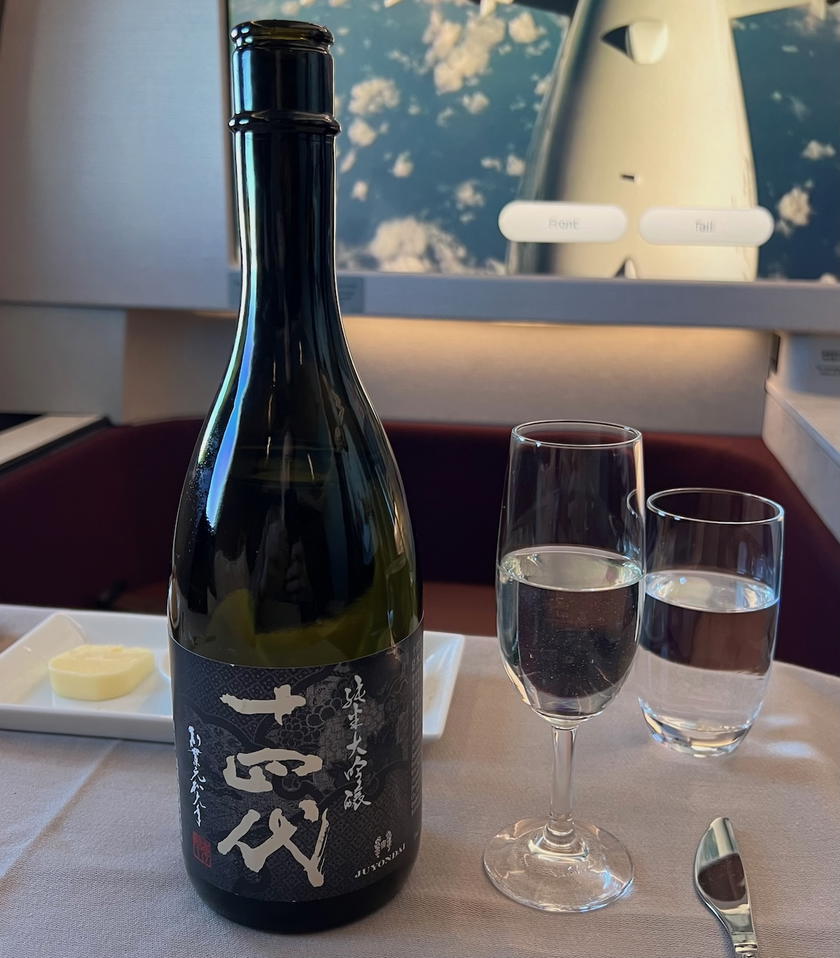
At this point I decided to switch from champagne to sake. Per the flight attendant’s recommendation, I chose the Juyondai Junmai Daiginjo, which I loved.
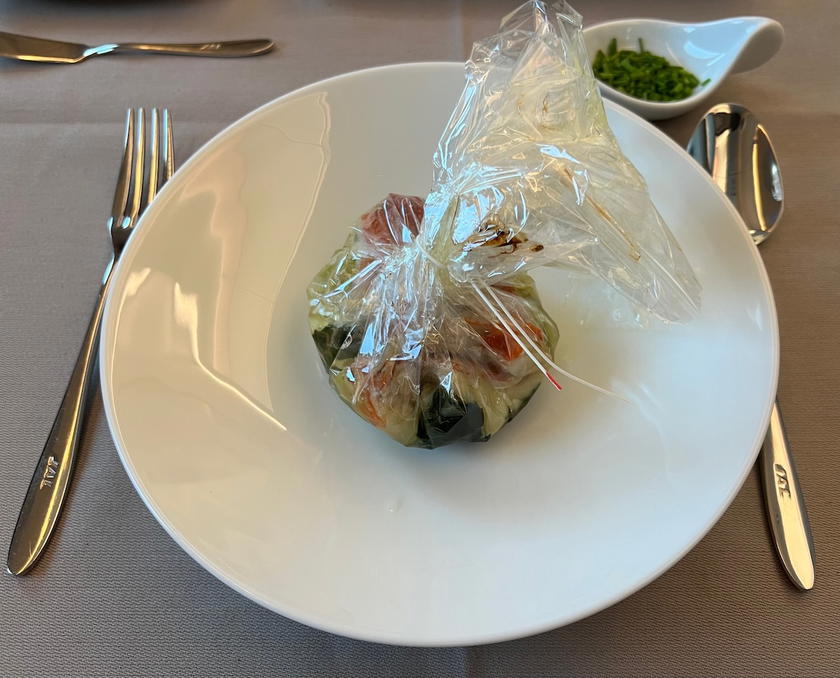
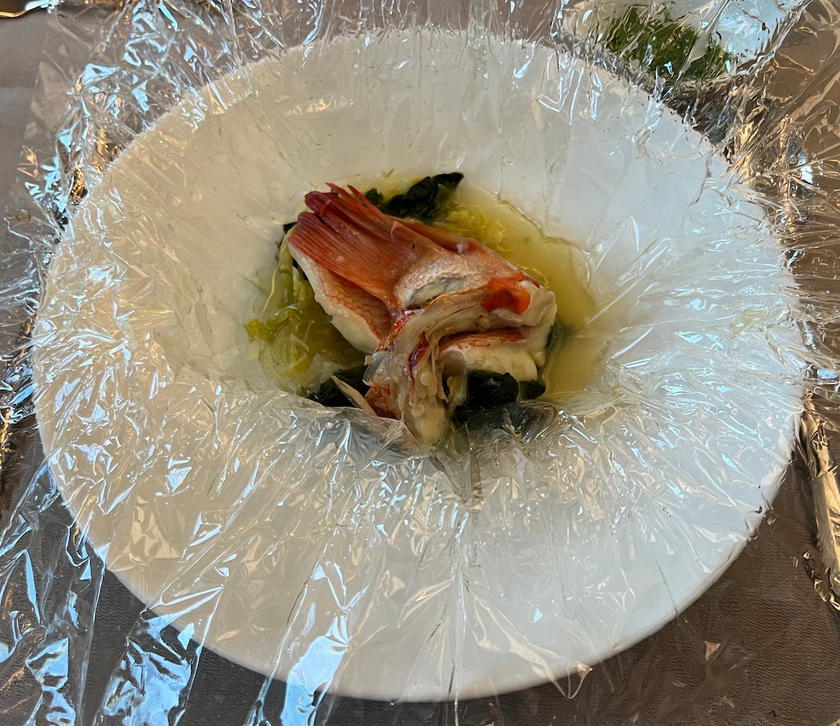
Then it was time for my first of two main courses, described as kichiji rockfish and winter vegetables à la nage. This came wrapped in plastic, and the fish literally melted in my mouth.
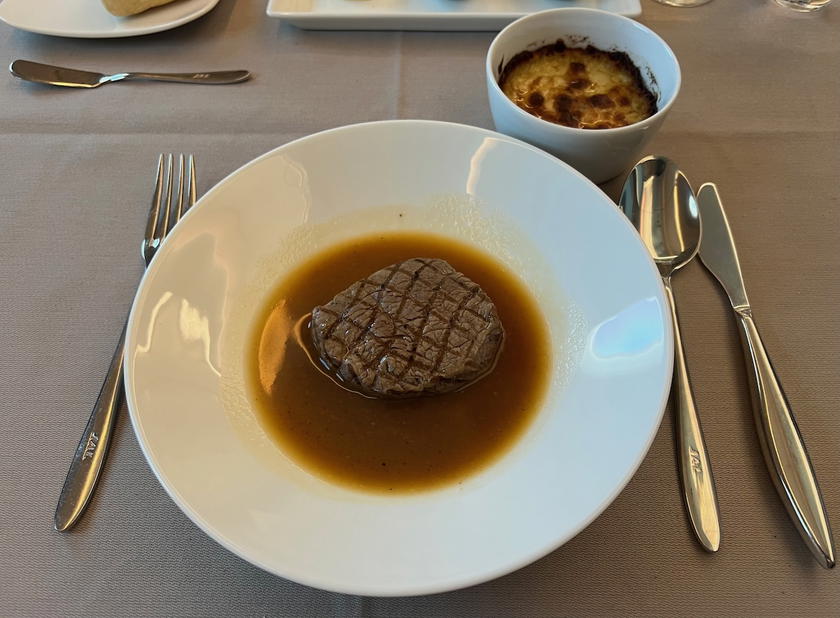
The next course was an Irish grassfed beef sirloin, served with a green peppercorn sauce and gratin dauphinois with mushrooms. This was much better than it looked — the beef was tender, and I loved the sauce.
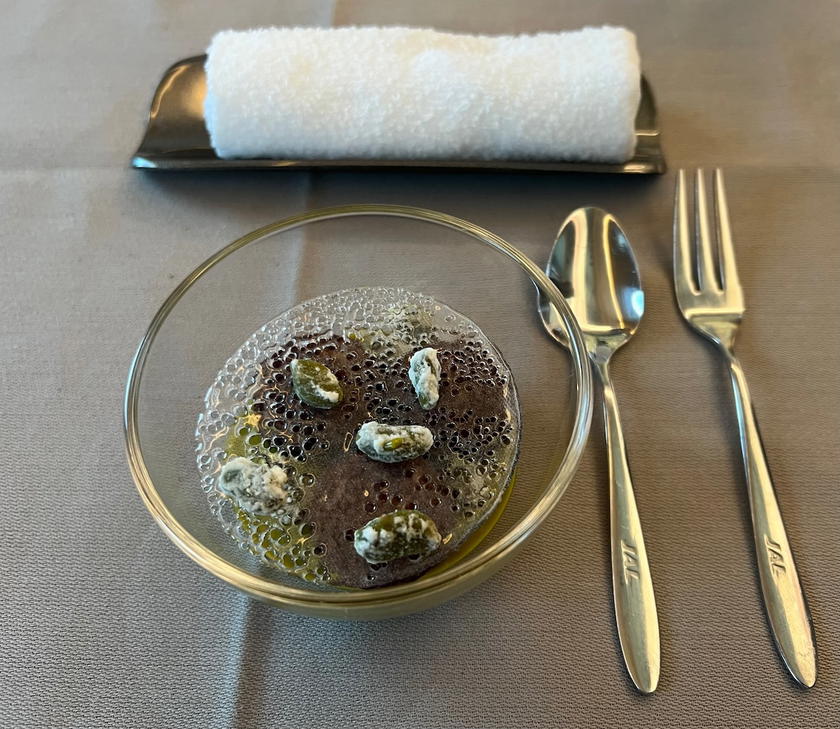
Then it was time for dessert, which was pistachio cream and chocolate cream puffs, quite artfully presented. This was tasty, and I was glad to see that it was small, as I was stuffed.
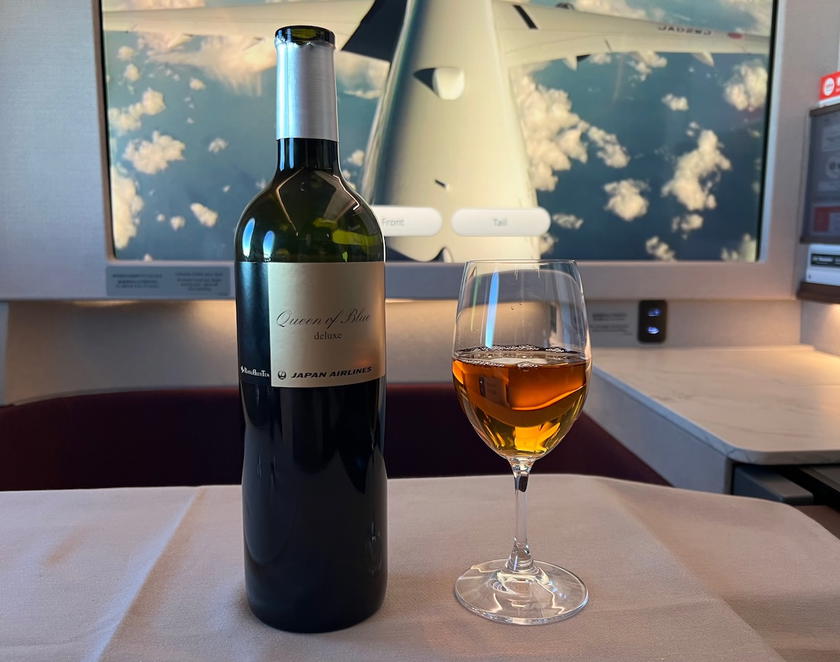
I washed down the meal with a glass of Japan Airlines’ amazing Queen of Blue Royal Tea, arguably the best non-alcoholic drink served on any airline. This tea is so fancy that it comes in a wine bottle, and is served in a wine glass. Hah.
I can’t say enough good things about this meal. The food quality was exceptional, the drinks were great, and the service was flawless and perfectly customized. I took a bit over two hours to enjoy my meal, but that was entirely my choice. The crew never let my glass be empty, and was attentive without being overbearing.
Japan Airlines A350 first class lavatories
After an amazing meal, I got ready for bed, and checked out the lavatories. Japan Airlines has two first class lavatories on the A350-1000. One lavatory is right by the cockpit, and is the larger of the two lavatories.
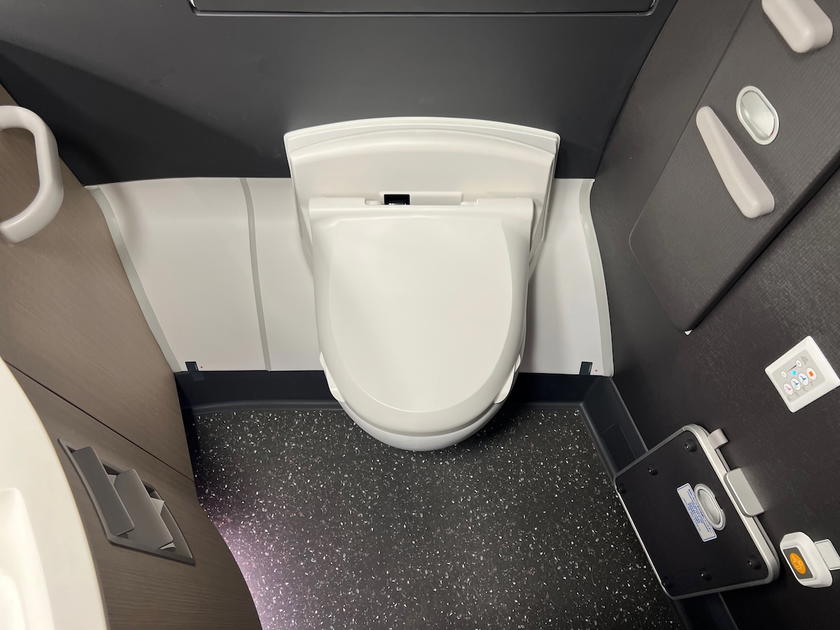
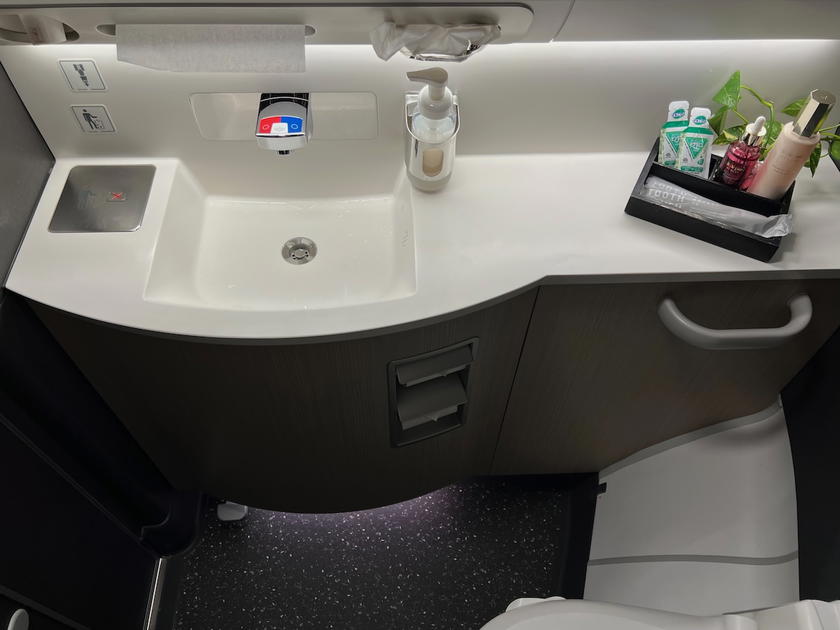
The second lavatory is on the right side of the cabin at the front, and is just slightly smaller.
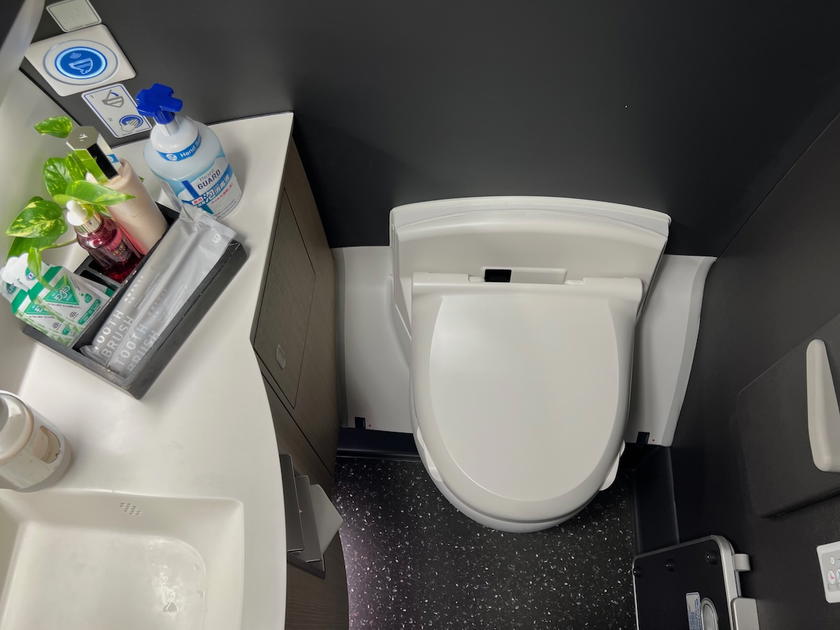
Look, these lavatories obviously aren’t as big as the Emirates A380 shower spas, but that’s not surprising, since there’s a much higher cost to this real estate. I thought the lavatories were nicely appointed given the space limitations, and a few things stood out to me.
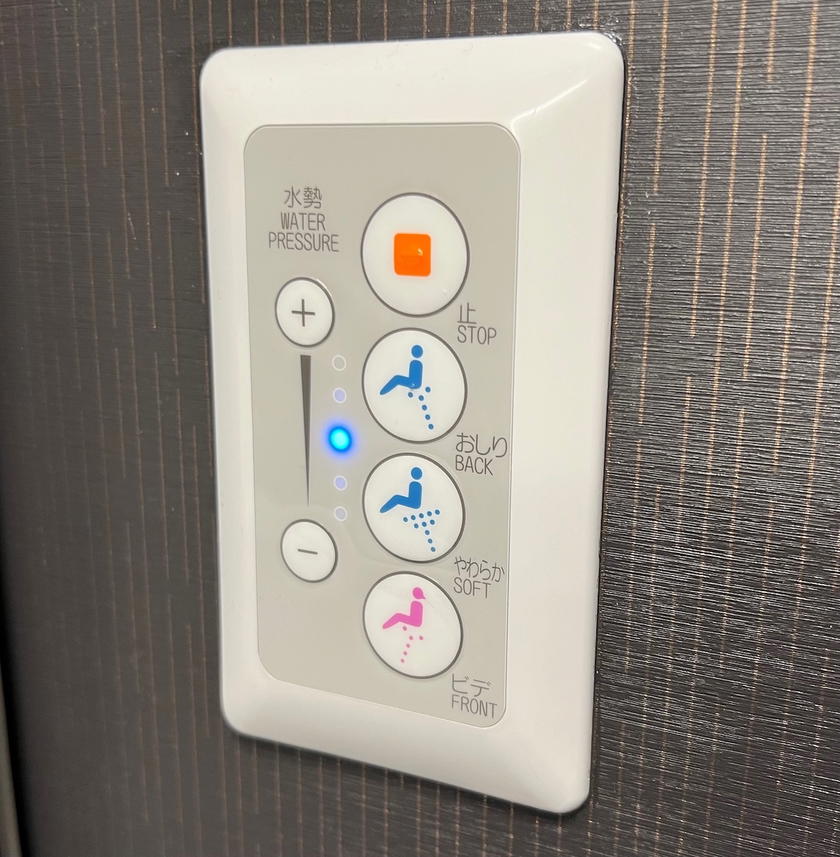
For one, the lavatories had bidet toilets, which is always a nice touch.
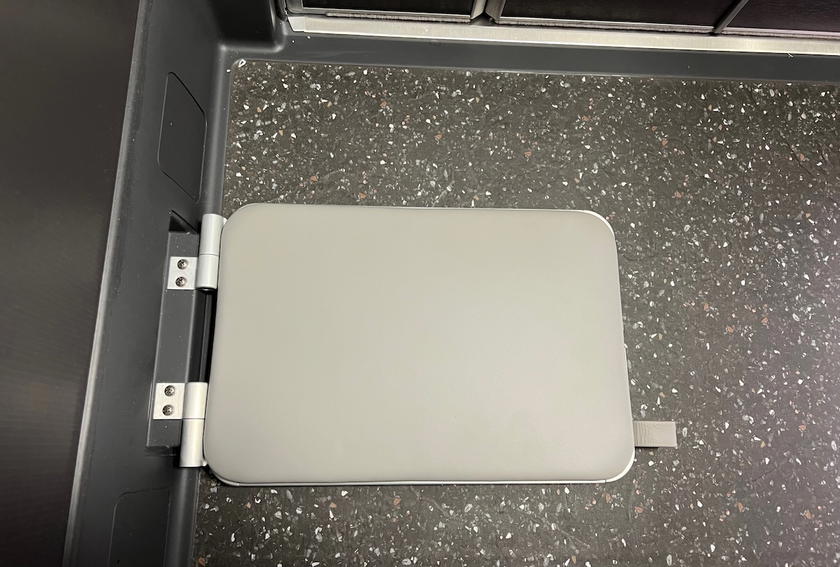
I like how the lavatories had a little plank that folded down, so that you could change your clothes in the lavatory without having to step on the floor.
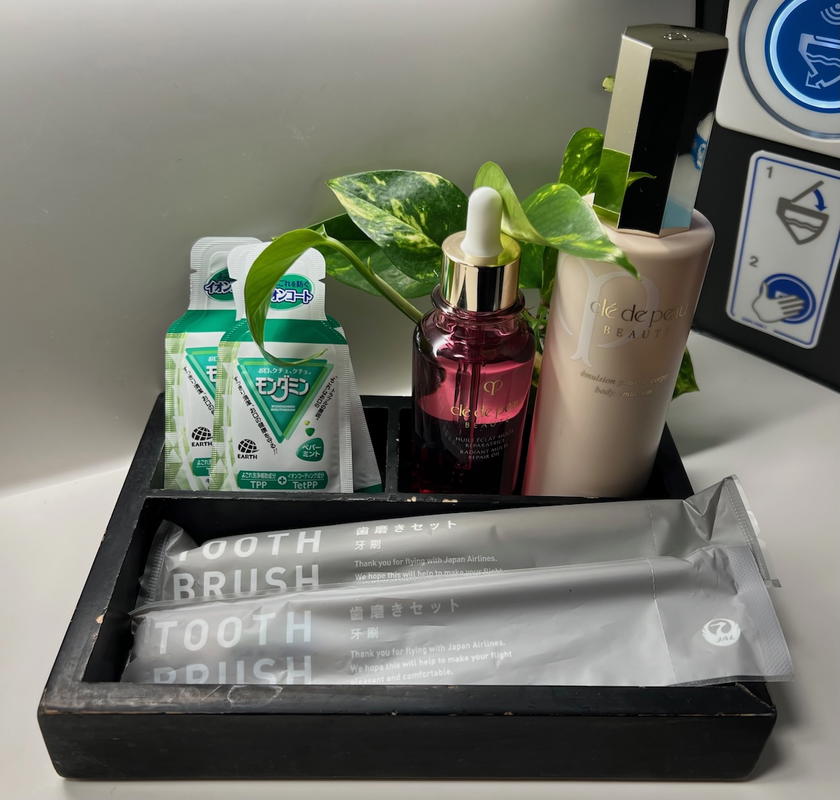
The lavatories had a few amenities, including dental kits, mouthwash, and a couple of beauty products.
The best thing about first class lavatories on Japanese airlines is how consistently spotless they are. They’re cleaned after just about every use, and look as spotless at the end of the flight as they do at the beginning.
There was one kink with the lavatories — the doors closed way too fast and loud, so I suspect some sort of a stopper needs to be put in place to change that. That’s a minor issue, and also an easy fix.
Japan Airlines A350 first class bed
After the meal, I asked the crew to prepare the bed for me. Before they did this, they asked me if I wanted a soft or firm Airweave mattress, as the airline offers that choice, which I love. I decided to go with a soft mattress.
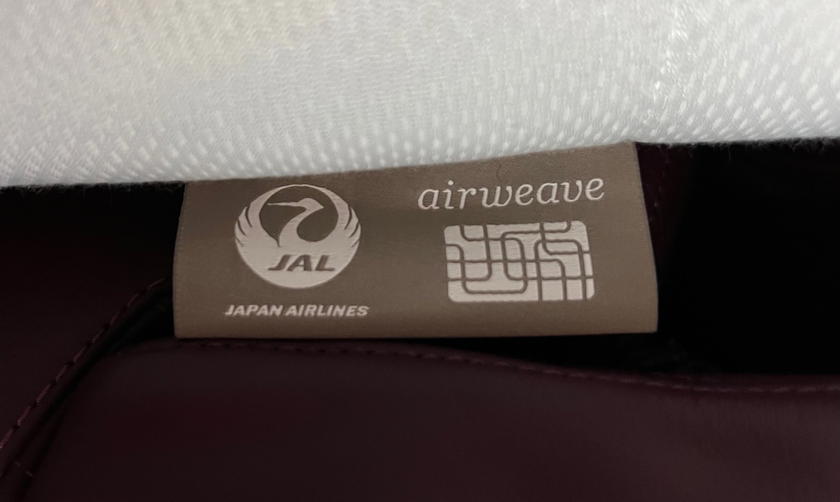
Japan Airlines’ A350 first class bed is unbelievably comfortable, possibly the most comfortable in the sky. The seat is wide and offers privacy without being claustrophobic.
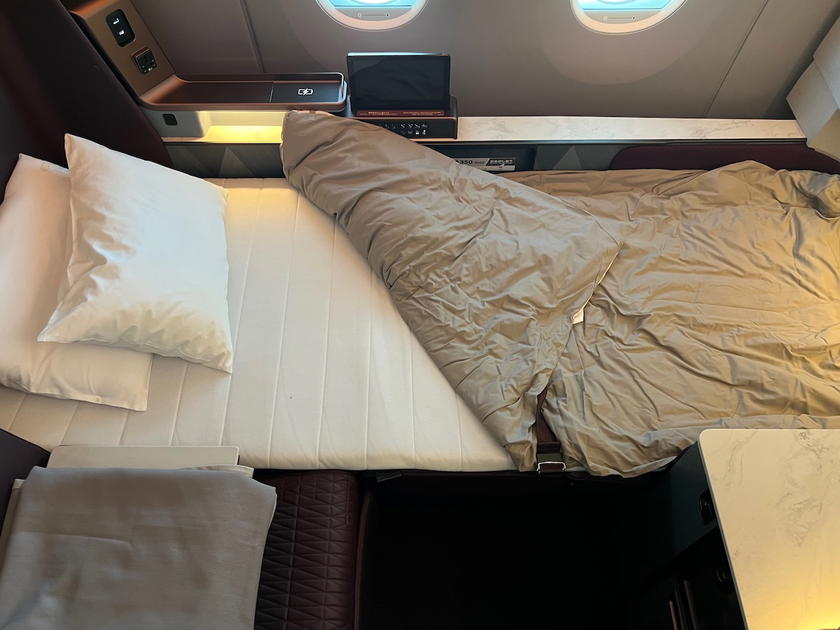
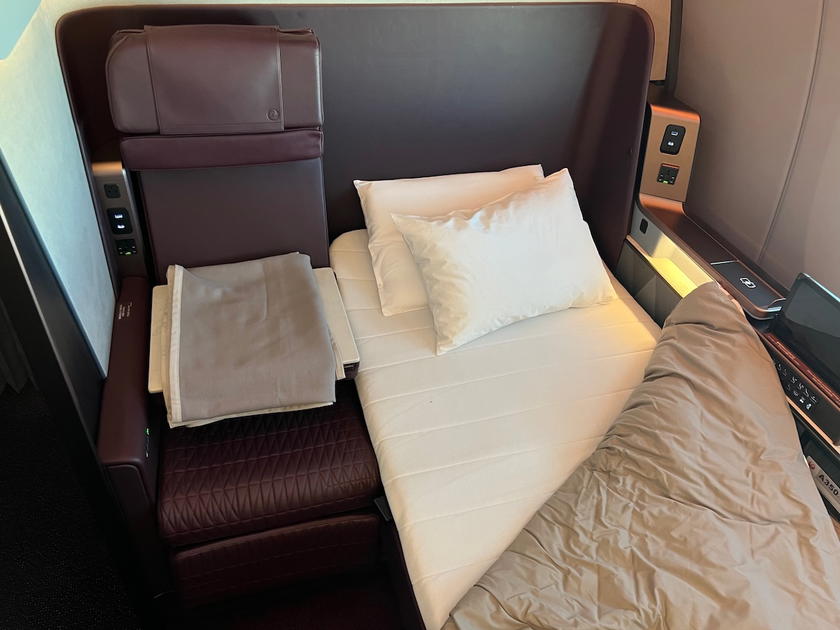
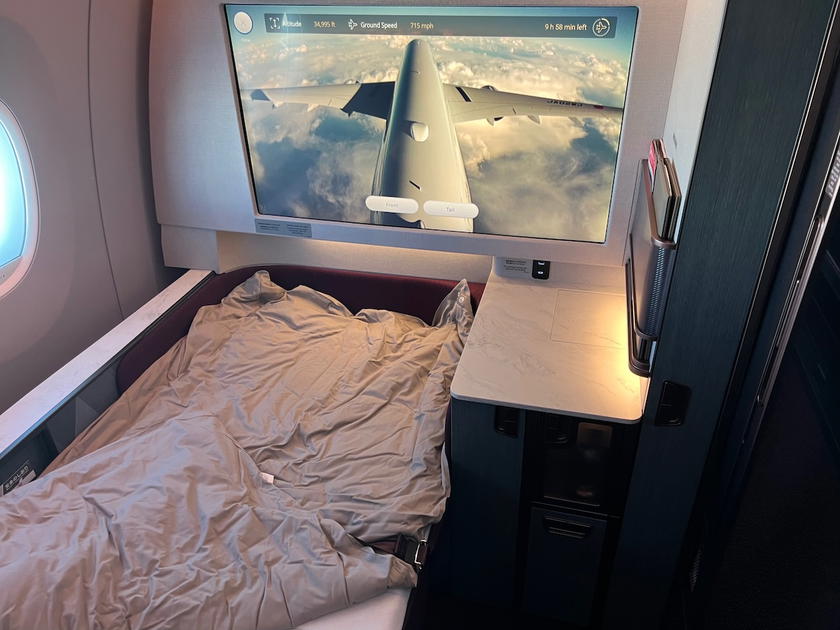
Now, in an ideal world, I wish that the buddy seat could also recline and become part of the bed, to make this by far the largest first class bed in the sky. But still, the amount of personal space is nothing short of impressive.
I ended up falling asleep with around 9hr45min remaining to New York, as we were over the North Pacific…
…and woke up with around 5hr10min remaining to New York, as we approached the Pacific Northwest of the United States.
Around 4hr30min of sleep is great as far as I’m concerned. While I could have probably slept longer, I wanted to be awake and enjoy the experience, since I don’t know when I’ll get to fly this product again!
Despite the lack of individual air nozzles, I found the temperature to be quite comfortable. The only disturbance to my sleep was that every time the seatbelt sign was turned on, there was an unnecessarily long announcement about the procedures associated with that.
Japan Airlines first class snack & pre-arrival meal
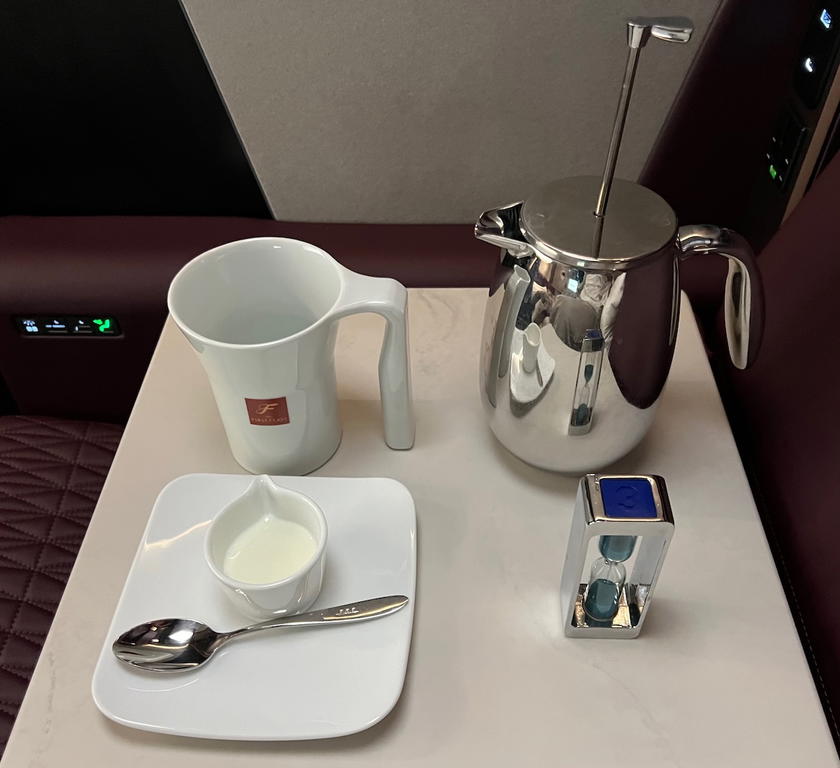
Within a moment of waking up, the crew was by my seat to see if I wanted anything. I just asked for some coffee. As a standard, Japan Airlines serves French press coffee, with a beautiful mug, plus an hourglass. What fun presentation!
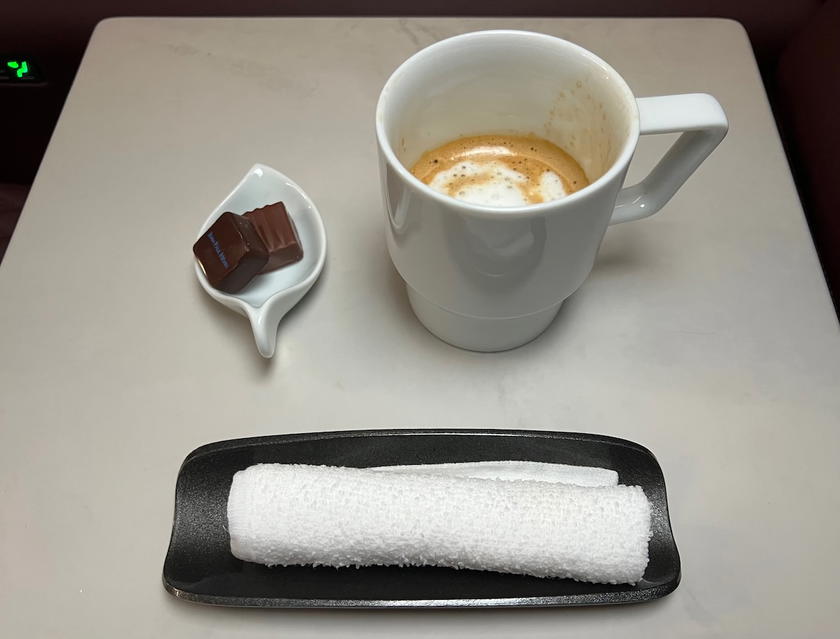
A bit later, I ordered a cappuccino, which was served with some chocolates.
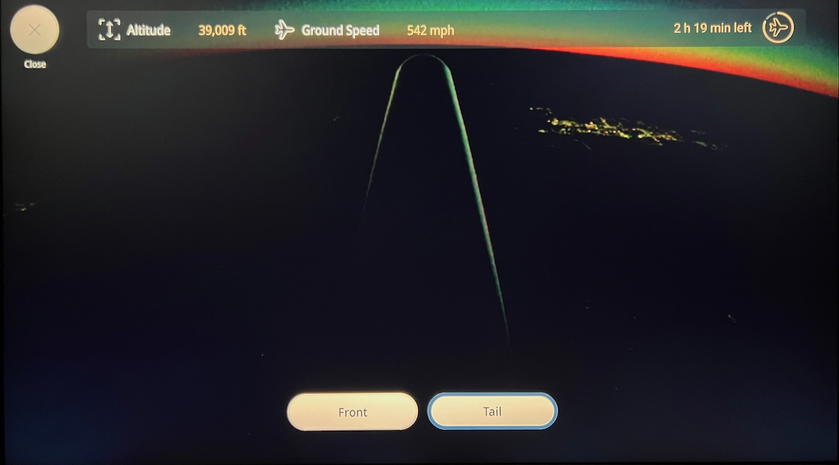
I got some work done for a bit, and before I knew, it were just over two hours from arriving in New York, and I was treated to a glorious sunrise, thanks to the A350’s tail camera. Who needs traditional inflight entertainment when you have this?!
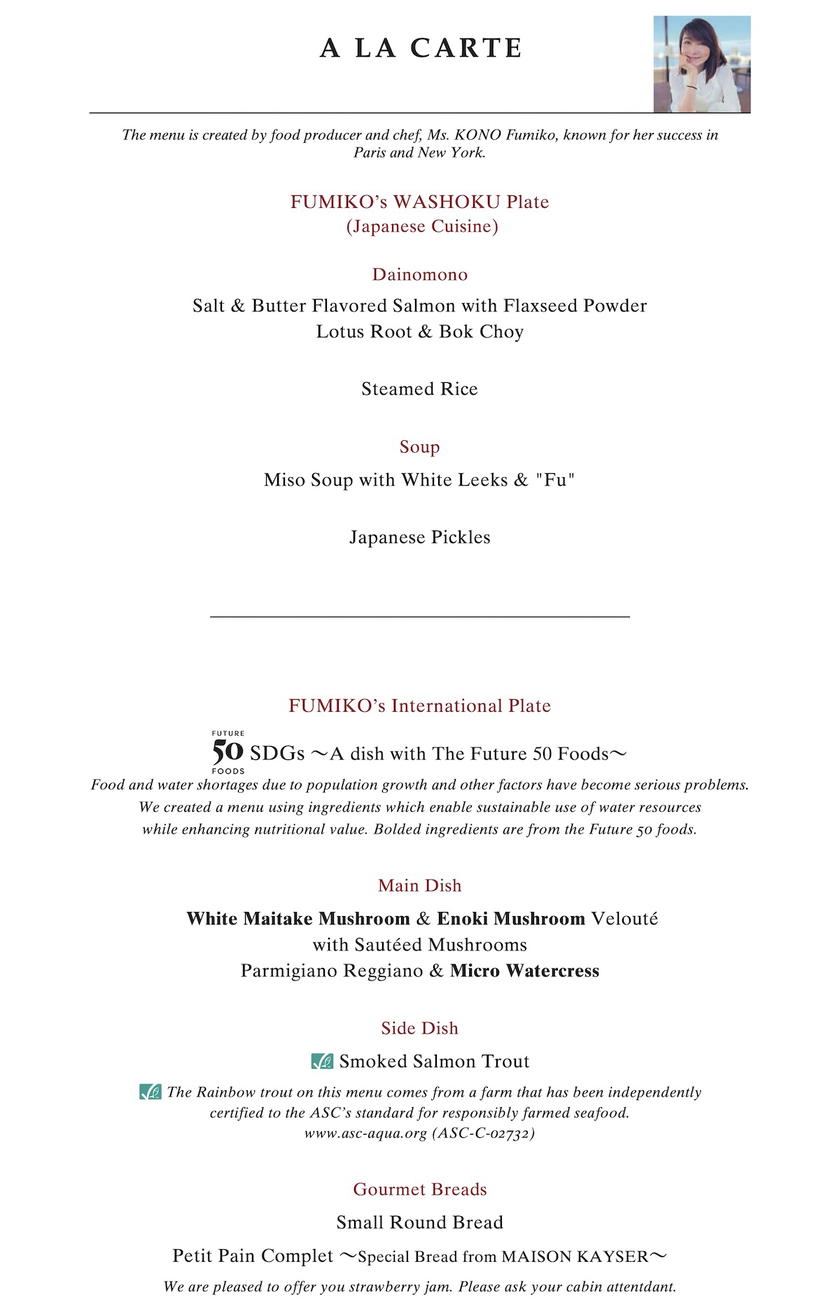
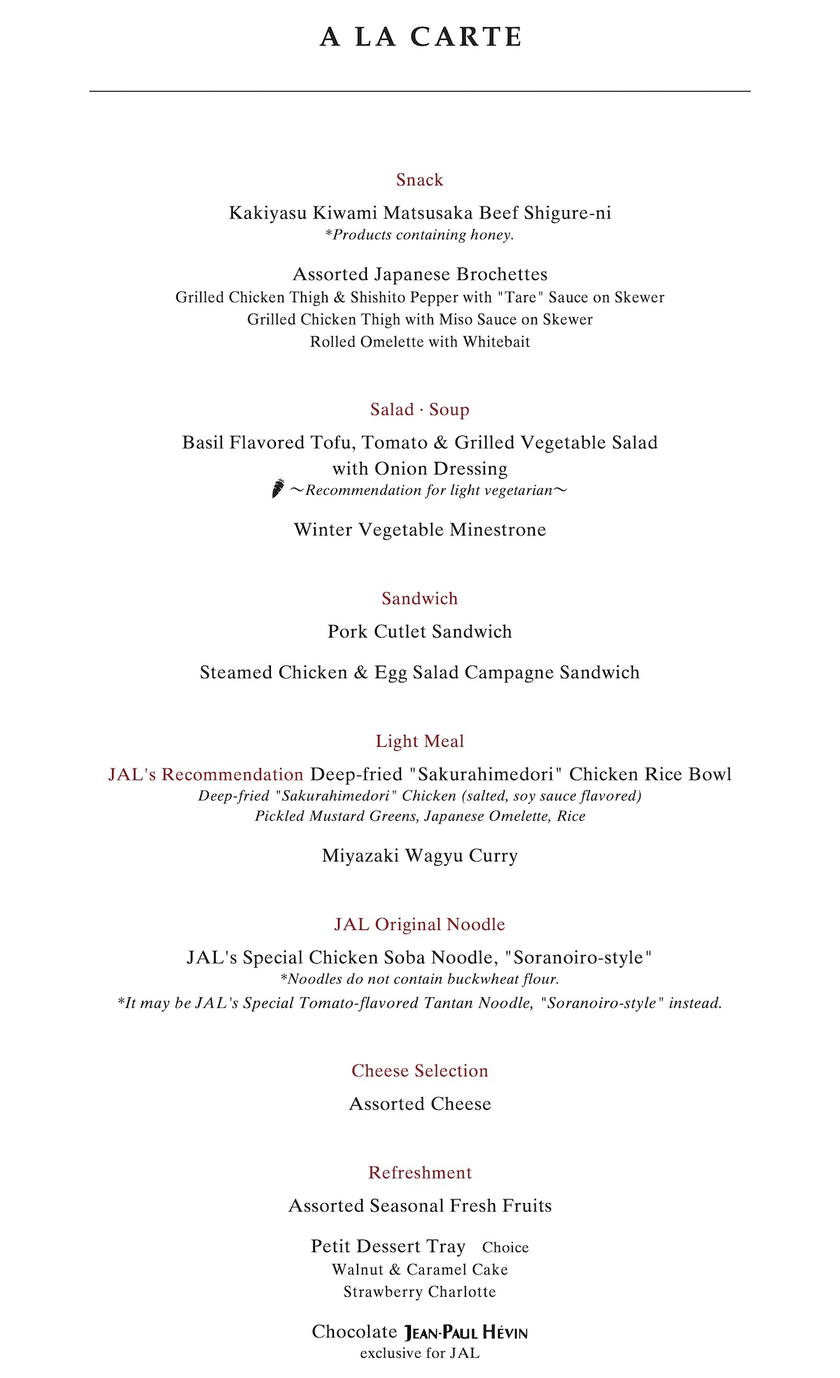
At that point I figured it was time to eat something else. So I had a look at the menu, which you can find below (the first page is the standard pre-arrival menu, while the second page is the snack menu).
To kick off the meal, I figured I needed to have another glass of Salon. I mean, while it was perhaps a bit flat, how can you let the crew just pour this precious champagne down the drain? I felt like it was my moral obligation… 😉
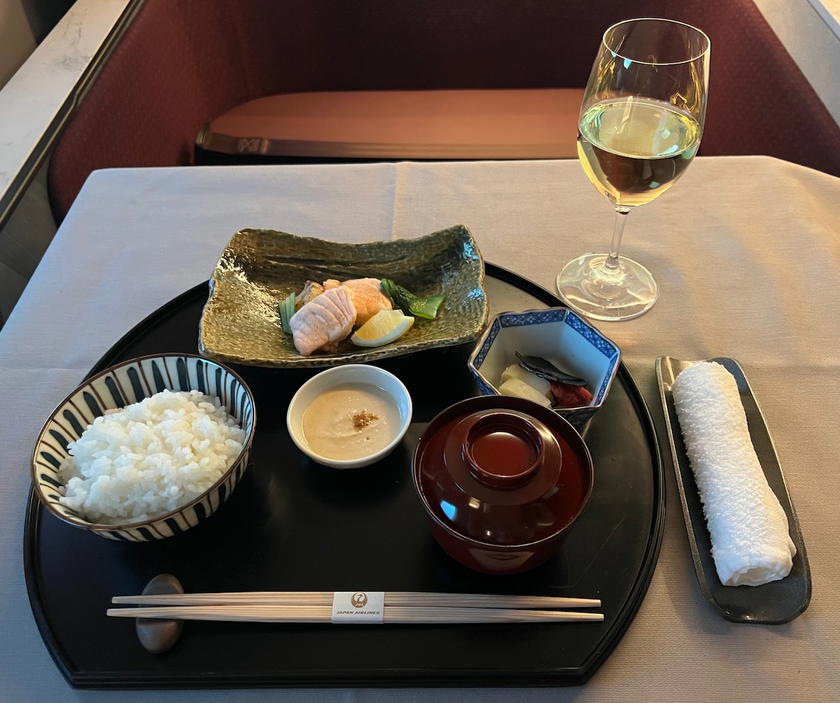
I selected the Japanese meal, which was all served on a single tray. It was comprised of salt and butter flavored salmon with flaxseed powder, lotus root, and bok choy. It also consisted of steamed rice, miso soup, and Japanese pickles.
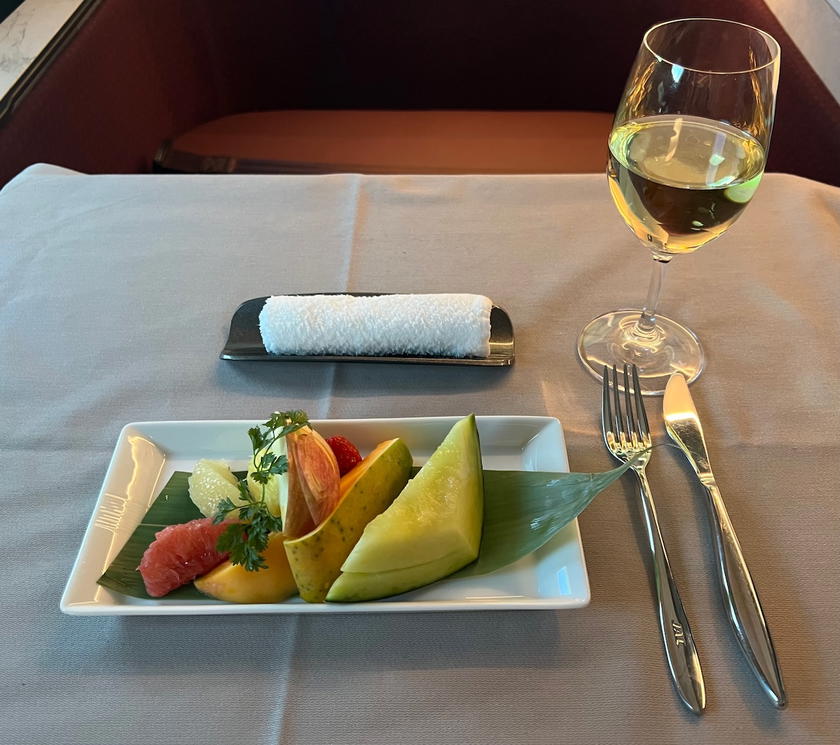
The dish perfectly hit the spot. I then also ordered a fruit plate, and then a dessert tray, to finish off the meal.
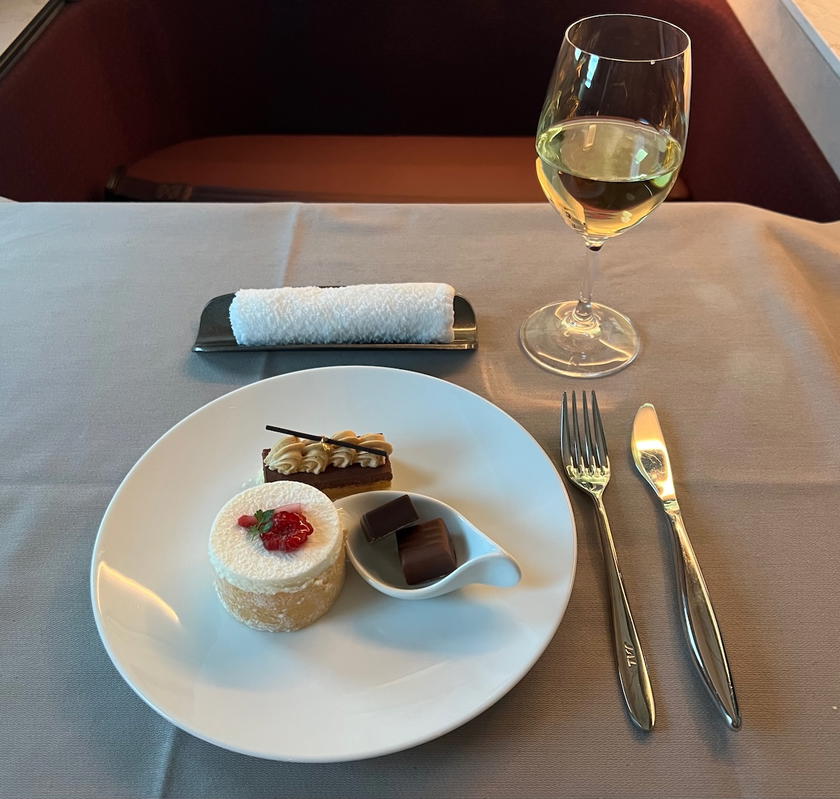
Once my plates were cleared, the crew suggested that I enjoy a gentle steam eye mask. Okay, I’ve seen these a bunch of time on Japanese airlines, but never used them before. OMG, I’ve been missing out, because these are awesome! It’s amazing how warm they get, just by removing them from the packaging.

Japan Airlines first class service
If there’s one thing you can count on when flying with Japanese airlines, it’s good service. That applied here too, except this crew wasn’t just good, but was great. Both Aoki and Takada had such pleasant personalities, and also had an unbeatable eye for detail.
Their service couldn’t have been any better, and just briefly passing through Japan made me wish I had been there for longer, because there’s no place in the world like it.
Japan Airlines A350 arrival in New York
At around 9:35AM New York time, we began our descent from 39,000 feet. Nowadays at the end of a long haul flight, I’m typically excited to land, but this is a flight that I didn’t want to end. We had a pretty gradual descent, and at 9:55AM the flight attendants were advised to prepare the cabin for landing, and around that time the seatbelt sign was turned on.
It wasn’t a particularly nice day in New York, as there was a low level cloud layer.
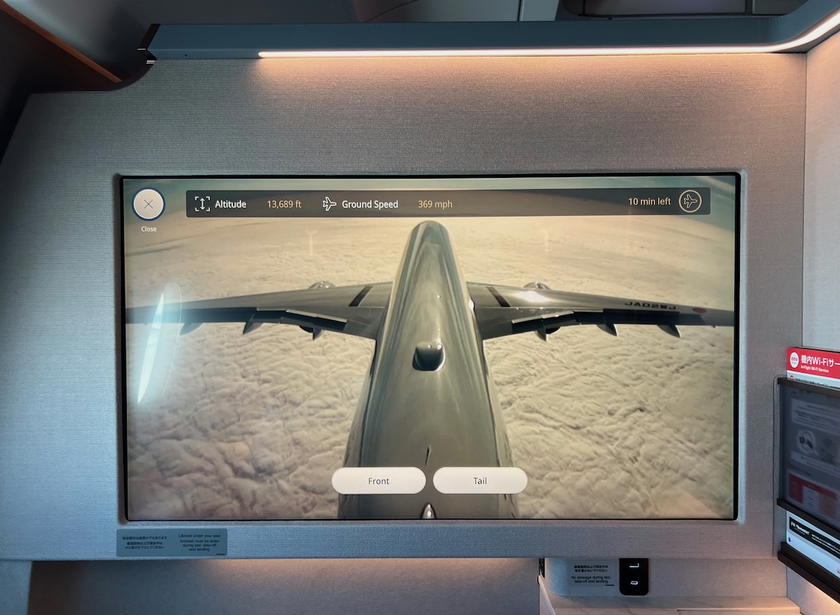
Eventually we made it under the clouds, and of course my eyes were glued to the tail camera.
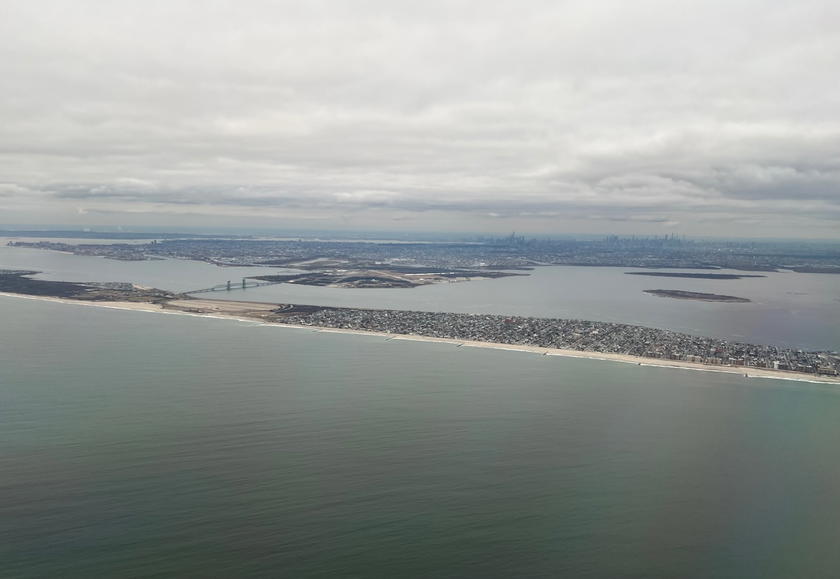
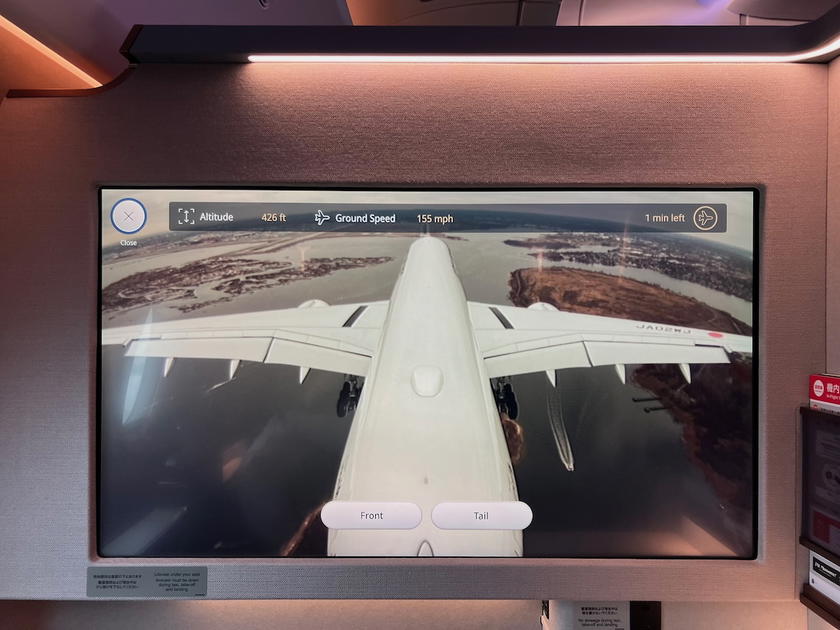
We had a smooth touchdown on runway 4R at 10:10AM (at an altitude of 80,000,240 feet, apparently).
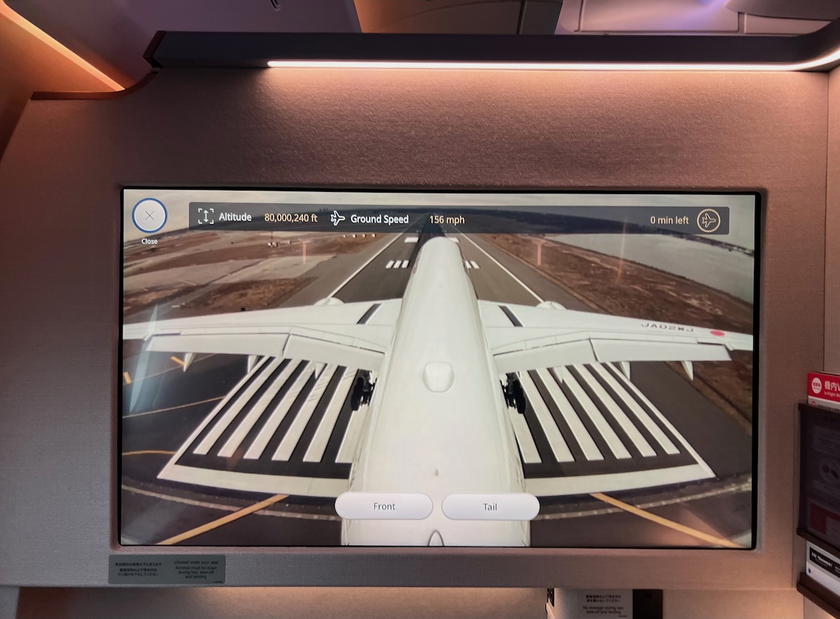
From there we had a lengthy 15 minute taxi to our arrival gate at Terminal 8, where we pulled in at 10:25AM.
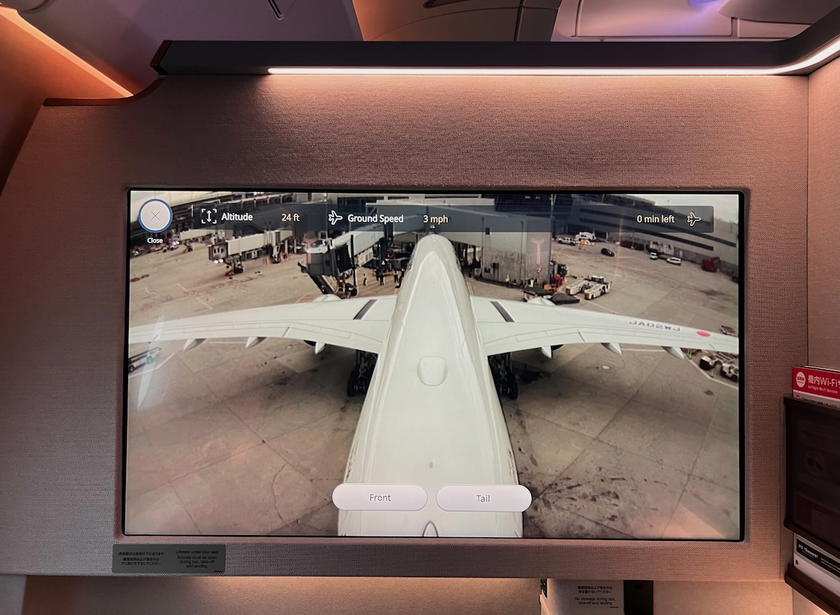
Funny enough, the aircraft was deplaned through the second set of doors, and the crew insisted that first class passengers deplane first. While I appreciate the sentiment, I find this to be awkward, as you have to squeeze past the business class passengers standing in the aisle.
Bottom line
Japan Airlines’ new Airbus A350-1000 first class is a masterpiece, in terms of both the hard and soft product. These suites are amazing, and I’d argue they’re the best in the sky when you factor in the sheer amount of space, the functional design, and the tech. There’s also the advantage of this being an A350, which means you get a quiet cabin with a tail camera and good cabin pressurization.
On top of that, Japan Airlines has flawless service, tasty food and drinks, and lots of amenities.
I’m extremely impressed by this new product — it’s definitely among my top two first class products (along with Emirates’ new 777 first class), though I think I might even prefer this.
What’s your take on Japan Airlines’ A350 first class?


Membership is free and takes no more information than commenting as a guest. Earn status points for good contributions, and see fewer ads as your status grows.