
This shouldn’t come as any sort of a surprise, but JetBlue and Sprit have formally terminated their merger agreement…
JetBlue & Spirit call off merger plans
In July 2022, JetBlue and Spirit announced plans to merge in a $3.8 billion deal, to create a national competitor to the “big four” (American, Delta, Southwest, and United).
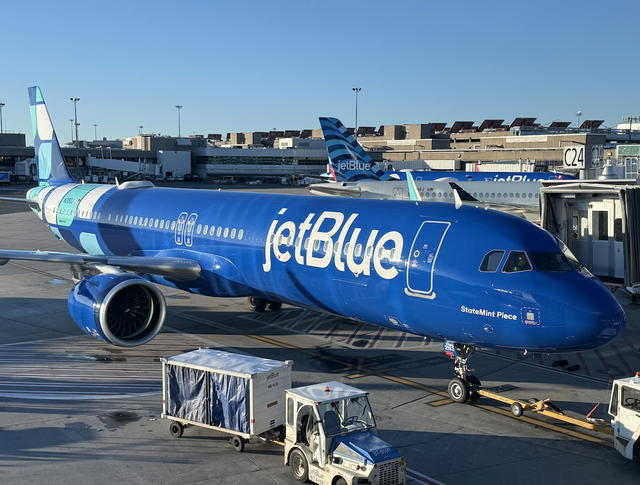
The Department of Justice under the Biden Administration decided to challenge this merger, arguing that it was bad for competition. A trial was held in late 2023, and in early 2024 it was announced that a judge ruled to block the merger.
While the two airlines could have tried to appeal this, it was pretty clear the appeal wouldn’t be successful. That’s especially true when you consider the July 2024 deadline for the merger being finalized. Nonetheless, up until now the two companies have technically still had their July 2022 agreement in place.
There’s now an update, as JetBlue and Spirit have reached an agreement to terminate their merger plans. Both companies still claim that they believe the merger would be good for competition, but that this is the best path forward. JetBlue will now pay Spirit $69 million as the remaining obligations under the agreement, and that resolves all outstanding matters related to the transaction.
Here’s how JetBlue CEO Joanna Geraghty describes this decision:
“We believed this merger was worth pursuing because it would have unleashed a national low-fare, high-value competitor to the Big Four airlines. We are proud of the work we did with Spirit to lay out a vision to challenge the status quo, but given the hurdles to closing that remain, we decided together that both airlines’ interests are better served by moving forward independently. We wish the very best going forward to the entire Spirit team.”
“JetBlue has a strong organic plan and unique competitive advantages, including a beloved brand, a unique value proposition, and high-value geographies.We have already begun to advance our plan to restore profitability. We look forward to sharing more on our progress in the coming months.”
Meanwhile here’s how Spirit CEO Ted Christie describes this development:
“After discussing our options with our advisors and JetBlue, we concluded that current regulatory obstacles will not permit us to close this transaction in a timely fashion under the merger agreement. We are disappointed we cannot move forward with a deal that would save hundreds of millions for consumers and create a real challenger to the dominant ‘Big 4’ U.S. airlines. However, we remain confident in our future as a successful independent airline. We wish the JetBlue team well.”
“Throughout the transaction process, given the regulatory uncertainty, we have always considered the possibility of continuing to operate as a standalone business and have been evaluating and implementing several initiatives that will enable us to bolster profitability and elevate the Guest experience. As we go forward, I am certain our fantastic Spirit team will continue delivering affordable fares and great experiences to our Guests.”
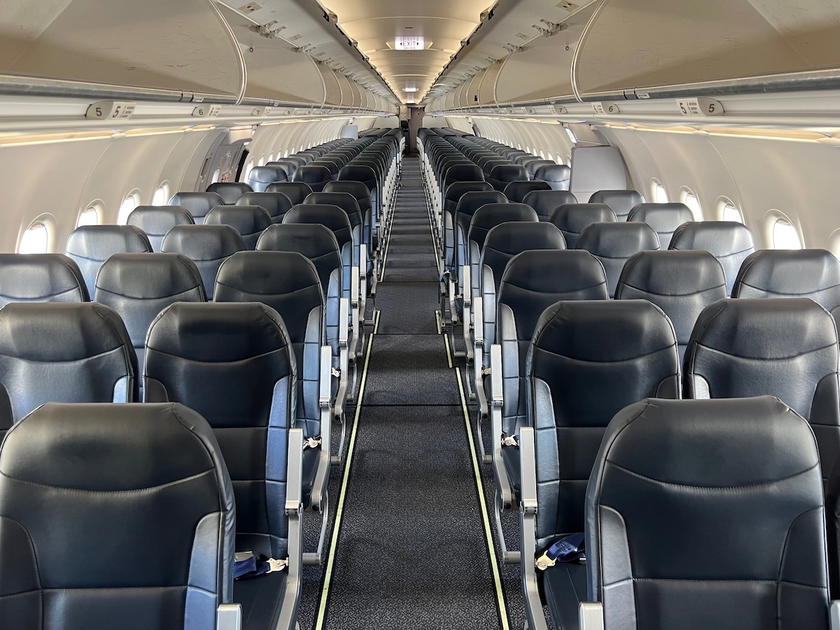
What does the future hold for JetBlue?
Controversial airline investor Carl Icahn has bought a significant chunk of JetBlue, and it’s going to be interesting to see how that plays out. In recent weeks, the airline has already started working on implementing a new strategy. The airline is increasingly trying to generate ancillary revenue, and plans to focus more on its core markets and premium revenue. We’ll see how that plays out, and I suspect we may even see the airline introduce first class on all routes.
On the one hand, I think the airline is headed in the right direction with its changes, though the airline also has a tough position in the market. On the other hand, Carl Icahn being involved doesn’t give me much confidence. So we’ll see how this plays out…
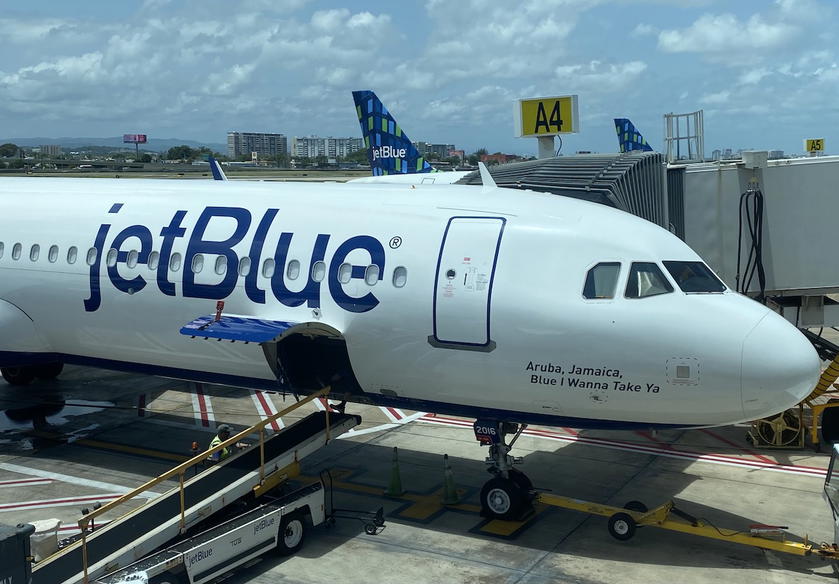
What does the future hold for Spirit?
Spirit is in a trickier situation, given the general challenges that ultra low cost carriers are facing in the United States at the moment, as they’re getting squeezed on all sides. They’re dealing with higher labor costs, fiercer competition from legacy airlines, and more. While some people threw around the concept of Spirit filing for Chapter 11 or even Chapter 7 bankruptcy, there’s no indication that this is imminent.
Spirit management has claimed that it’s trying to return to profitability, though there aren’t many concrete details to that plan. Basically Spirit is hoping consumer demand shifts, and says that it’s focused on operating in profitable markets and pulling out of unprofitable markets (which you’d think would’ve always been the strategy).
But I think there’s one other big wild card when it comes to Spirit’s future. With Spirit’s merger with JetBlue officially terminated, the airline is of course allowed to pursue other merger opportunities. Keep in mind that before JetBlue tried to acquire Spirit, Frontier tried to acquire Spirit.
I can’t help but wonder if those discussions might be resuming very shortly. And I’ve gotta say, I think a merger between the two airlines makes more sense than in the past, given the challenges that ultra low cost carriers have.
There’s something to be said for having a national ultra low cost carrier in the United States, similar to something like Ryanair in Europe. There are also synergies to consolidating into one airline, and given the low margins in the airline industry, those could make a material difference in terms of profitability.
Also, when you consider the stakeholders involved, I tend to think management at both airlines is heavily incentivized to pursue some kind of merger and acquisition opportunity. It buys both airlines some time, in hopes of market dynamics changing a bit.
So I can’t help but feel like the original merger agreement might just make a comeback, though I imagine Frontier would be acquiring Spirit at a much more attractive price.
Bottom line
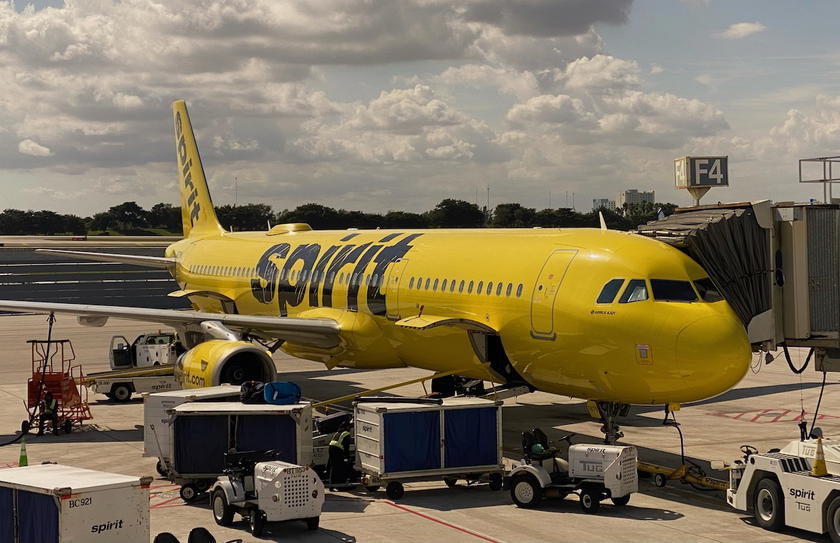
JetBlue and Spirit have formally terminated their merger plans, with JetBlue making a final $69 million payment to Spirit.
Both airlines are now pursuing an independent future, though it’s anyone’s guess what that will look like. JetBlue is trying to generate more premium and ancillary revenue, while Spirit is trying to focus on operating profitably, and is hoping consumer demand patterns change a bit. For me, the big question is whether a merger between Frontier and Spirit might be back in the works…
What do you make of the JetBlue and Spirit merger officially being called off? What do you think is next for both airlines?


Membership is free and takes no more information than commenting as a guest. Earn status points for good contributions, and see fewer ads as your status grows.