
All Nippon Airways (ANA) has just considerably lowered fuel surcharges for bookings as of April 1, 2023, which is good news for passengers (especially those redeeming miles through programs that pass on these surcharges).
All Nippon Airways decreases fuel surcharges
Japanese Star Alliance carrier ANA updates its fuel surcharges periodically. I actually respect the way that ANA goes about it, as the airline ties its fuel surcharges to Singapore’s jet fuel price index, so the airline doesn’t just come up with these numbers out of nowhere.
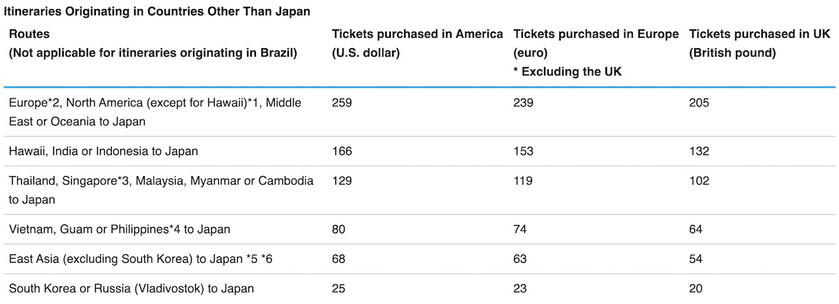
The latest update has kicked in for bookings made as of April 1, 2023. These surcharges are still high, but they’re moving in the right direction. With this change, a flight from the United States to Japan will have $259 in fuel surcharges one-way, regardless of the cabin you’re traveling in (which is unusual, because most airlines have higher fuel surcharges in premium cabins).
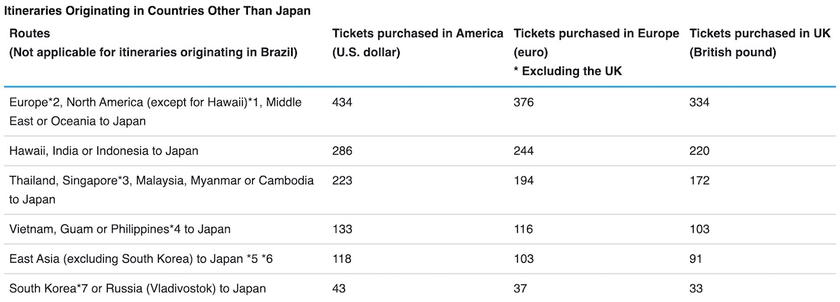
As a point of comparison, ANA’s fuel surcharges topped out in October 2022, when the same flights had surcharges of $434. So we’ve seen around a 40% decrease since that high, which is a positive development.
Through early 2022, ANA had virtually no fuel surcharges, but we then saw a drastic increase, in light of oil prices. We saw increases on five separate occasions, so it’s at least nice that this trend is now reversing, and we’re seeing surcharges go down.
I respect the way ANA is going about this, and appreciate that the airline isn’t adding some additional surcharge for avoiding Russian airspace, since admittedly fuel consumption has increased significantly at the airline.
What are fuel surcharges, anyway?
For those of you not familiar with the concept of fuel surcharges, these are fees that airlines have been charging for years on tickets. They were introduced when oil prices were high many years ago as a temporary measure, but for most airlines have never been eliminated.
Obviously that’s very convenient on their part — airlines add fees when costs go up, but rarely eliminate them when costs go down. ANA at least deserves credit for historically not having terribly high fees, and adjusting them to reflect oil prices.
What are the implications of ANA decreasing surcharges?
With ANA decreasing fuel surcharges on most itineraries, what does that actually mean for consumers? Will tickets now be less expensive? Not necessarily.
For years, airlines in most regions have had to advertise “all-in” pricing, meaning the pricing you see from an airline includes all taxes, fees, and (fuel) surcharges. Therefore for revenue tickets, when an airline raises fuel surcharges, the base fare generally decreases proportionally (though with fees this high, it does essentially create a minimum fare you’ll be charged in various markets). Conversely, when an airline decreases fuel surcharges, the base fare generally increases proportionally.
For OMAAT readers the biggest implications are for award tickets, specifically with the programs that do pass on fuel surcharges to consumers:
- This doesn’t impact ANA awards through Air Canada Aeroplan, Avianca LifeMiles, or United MileagePlus, since those programs don’t pass on fuel surcharges on these awards
- This does impact ANA awards through All Nippon Airways Mileage Club and Virgin Atlantic Flying Club, since those programs do pass on fuel surcharges
The best way to book All Nippon Airways first & business class awards continues to be through Virgin Atlantic Flying Club (even after the recent devaluation), given the low award pricing:
- Business class awards between the US mainland or Europe and Japan cost 45,000-47,500 points one-way
- First class awards between the US mainland or Europe and Japan cost 72,500-85,000 points one-way
That doesn’t account for the fuel surcharges, which have at least just been lowered compared to their peak.
Bottom line
All Nippon Airways has significantly decreased fuel surcharges. In early 2022 the program had virtually no surcharges, and then we saw at least five increases, reflecting oil prices increasing. Fortunately as of April 1, 2023, fuel surcharges have been decreased by about 40% compared to several months ago, and hopefully that trend continues.
The biggest implication here is for those redeeming points, particularly through programs like All Nippon Airways Mileage Club and Virgin Atlantic Flying Club, which do pass on these fees.
What do you make of All Nippon Airways adjusting surcharges?


Membership is free and takes no more information than commenting as a guest. Earn status points for good contributions, and see fewer ads as your status grows.