
It goes without saying that some of us take maximizing credit card rewards to the extreme, and that can include holding onto a lot of credit cards. In this post, I’d like to lay my cards on the table… no pun intended!
After all, maximizing credit cards is one of the best ways to elevate your travel. This can include getting the credit cards with the best welcome bonuses, maximizing your return on spending, and taking advantage of credit card perks.

There are a lot of misconceptions about the impact that applying for credit cards can have on your credit score. So I’d like to first address how applying for credit cards impacts your credit score (I have lots of cards, and my score is excellent), then I’ll talk about what goes into my credit card decision making process, and then I’ll share the cards I currently have open.
How credit cards impact your credit score
There are a lot of misconceptions about how credit scores work, in particular people thinking that applying for credit cards hurts your credit score. That’s generally not true, and in many cases applying for cards can even help your credit score in the long run.
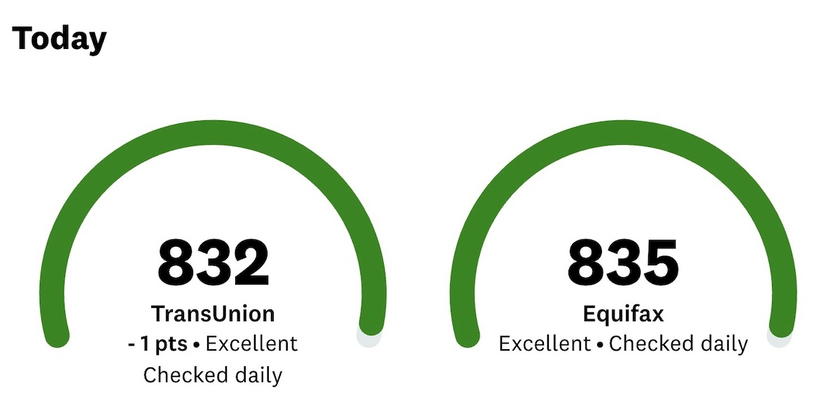
For context, I have a lot of credit cards, and my credit score is almost perfect, in the top couple percent nationwide.
For those of you not familiar, here’s what factors into your credit score:
- 35% of your score is your payment history (the percentage of payments you’ve made on-time)
- 30% of your score is your credit utilization (how much credit you’re using compared to your total limits)
- 15% of your score is your credit age (the average age of your open accounts)
- 10% of your score is the types of credit you use (how many different types of requests for credit you have)
- 10% of your score is your requests for new credit (how many times you’ve applied for credit)
What’s most important is that you pay your bills on time, don’t utilize too much of your credit (meaning you want to ideally use 20% or less of your total available credit, and/or pay your credit card bills early), and keep some cards long term, which will help increase your average age of accounts.
The only metric that’s lowered by applying for cards is your requests for new credit, but that makes up just 10% of your score. Furthermore, credit inquiries typically fall off your report after 24 months.
Closing credit cards that are no longer working for you potentially doesn’t harm your credit much either, though alternatively you can also often downgrade credit cards instead.
What I look for when applying for credit cards
For me, there are three things I look for when applying for credit cards:
- Credit cards that offer a big welcome bonus — often the introductory bonuses on cards are compelling, and enough reason to pick up a new card
- Credit cards that offer a generous return on spending — there are some cards you have because they help you maximize the points you earn, whether it’s for everyday spending, for specific spending categories, or for large purchases
- Credit cards that offer perks that more than justify the annual fee — some cards are worth holding onto even if you don’t plan on putting much spending on them, because they offer things like elite status, annual free nights, etc.
The 26 credit cards that I currently have open
With the above out of the way, let me share my current credit card portfolio, which would include all of the cards that I currently have open. I have 26 open cards right now, which is actually fewer than I’ve had in the past — a few years back, I had 30 cards open.
When I share each card I have open, I’ll cover the annual fee, my primary motivation for having the card, and whether I plan to keep the card at account renewal (when the next annual fee is due, if applicable).
Let me also mention that in each section I’ll be rather vague about the specific benefits, simply because mentioning specific benefits requires a lot of disclosures, and that will make this post even longer than it already is. So I’ll mostly just be sharing whether I have each card for the spending return, the ongoing rewards, or what.
I know there’s obviously quite the “sticker shock” to the cards that I have, though I only try to renew them if I actually see value on an ongoing basis that exceeds the annual fee.
My nine Chase cards
Let’s start with the Chase cards I have, since this is my largest issuer when it comes to my card portfolio. While nine cards sounds like a lot, let me say upfront that four of them have no annual fee, and two of them are hotel cards I keep just for the anniversary perks they offer. As you’d expect, one of my primary motives here is to maximize Chase Ultimate Rewards points.
Chase Sapphire Reserve Card
The Chase Sapphire Reserve® (learn more) has a $795 annual fee, and it’s a card that I use for a combination of spending and perks. The card has some valuable bonus categories that align with my spending, offers credits that help offset the annual fee, and the icing on the cake is the lounge access, including Chase Sapphire Lounge access and Air Canada Lounge access.
The math on this card is working for me, so I intend to renew when the annual fee is due.

Chase Sapphire Reserve Business Card
The Sapphire Reserve for Business℠ (learn more) has a $795 annual fee, and frankly, benefits largely overlap with the personal version of the card. The card has a strong rewards structure, offers lounge access, and also offers credits that can help offset the annual fee.
While I’d find the card to be valuable in isolation, the truth is that I have a hard time justifying both the personal and business version, so I’ll likely cancel the card on the account renewal date.
Ink Business Preferred Card
The Ink Business Preferred® Credit Card (learn more) has a $95 annual fee, and is an incredible business product, thanks to its bonus categories on spending. The card also offers a great cell phone protection benefit, rental car coverage, and more.
This is a card that has a reasonable annual fee and strong rewards structure, so I plan on renewing when the fee is due.

World of Hyatt Card
The World of Hyatt Credit Card (learn more) has a $95 annual fee, and to me the card is worth it for the anniversary free night award, plus the five nights toward elite status annually.
The benefits of this card more than offset the annual fee, so I plan to renew this card on its account anniversary.

The New IHG One Rewards Premier Credit Card
The New IHG One Rewards Premier Credit Card (learn more) has a $150 annual fee, which I justify based on the perks, including an annual free night certificate, a fourth night free on award redemptions, and more.
The benefits of this card more than offset the annual fee, so I plan to renew this card on its account anniversary.
Ink Business Unlimited Card
The Ink Business Unlimited® Credit Card (learn more) has no annual fee, and offers a good return on everyday spending. The truth is that I don’t use this card much nowadays, though.
Given that the card has no annual fee, there’s really no reason to cancel it.
Ink Business Cash Card
The Ink Business Cash® Credit Card (learn more) has no annual fee, and has some valuable bonus categories on spending. Again, I’m not using the card much.
Again, since the card has no annual fee, there’s really no reason to cancel it.
Chase Freedom Flex Card
The Chase Freedom Flex® (learn more) has no annual fee, and offers 5x points in rotating quarterly categories on up to $1,500 in combined purchases each quarter you activate. I take advantage of those bonus categories, because there’s no reason not to.
I plan on keeping this card thanks to the lack of an annual fee, the rewards this card offers, and the positive impact that no annual fee cards can have on your credit score.
Chase Freedom Unlimited Card
The Chase Freedom Unlimited® (learn more) has no annual fee, and offers a solid return on everyday spending. However, it’s not the card I typically use for my spending, so this card is mostly sock-drawered.
Still, this card adds value to me, since it has no annual fee, and it’s ultimately good for my credit score to keep cards open.
My six American Express cards
Let me cover the American Express cards I have, as I currently have six of these in my card portfolio. These cards are largely centered around earning Membership Rewards, and also around the useful co-brand hotel card agreements that Amex has.
Amex Platinum Card
The American Express Platinum Card® (learn more) has a annual fee (Rates & Fees), so that’s steep. This is a card that I primarily find to be worthwhile for the benefits, including all the credits, which for me more than offset the annual fee. When it comes to spending, only my airfare spending goes on this card.
Over the past year I’ve gotten more in credits than the annual fee, so I intend to renew this card when the next annual fee bills.

Amex Gold Card
The American Express® Gold Card (learn more) has a annual fee (Rates & Fees). This is a card that I have primarily for its excellent rewards structure on dining and supermarket spending, though the card’s credits help me offset the annual fee.
Given how much I spend on dining and groceries, I intend to renew this card when the next annual fee bills.
Hilton Honors Aspire Amex Card
The Hilton Honors American Express Aspire Card (learn more) has a $550 annual fee (Rates & Fees), and in my opinion it’s the single most worthwhile hotel credit card out there. The card offers useful credits and an annual free night award that more than justify the annual fee, and the elite status is the icing on the cake.
Given the value I get from the perks of the card, I intend to renew this card when the next annual fee bills.
Marriott Bonvoy Brilliant Amex Card
The Marriott Bonvoy Brilliant® American Express® Card (learn more) has a $650 annual fee (Rates & Fees), and for me, it’s a card that’s worthwhile for the benefits alone. It’s a card that gets almost no spending from me, but between the annual free night award, the credits, and the elite nights toward status, I get outsized value.
Given the value I get from the perks of the card, I intend to renew this card when the next annual fee bills.
Marriott Bonvoy Business Amex Card
The Marriott Bonvoy Business® American Express® Card (learn more) has a $125 annual fee (Rates & Fees), and I find that to be easy to justify thanks to the annual free night award, plus the additional elite night credits.
Given the value I get from the perks of the card, I intend to renew this card when the next annual fee bills.

Amex Blue Business Plus Card
The Blue Business® Plus Credit Card from American Express (learn more) — has no annual fee (Rates & Fees), and I consider it to be one of the most rewarding business cards out there, given that it offers 2x Membership Rewards points on the first $50,000 spent every calendar year (then 1x). Truth be told, I don’t actually spend much on this card nowadays, though given the lack of an annual fee, I also don’t see any reason to cancel it.
My four Citi cards
I currently have four Citi credit cards, though I may very well be looking to thin out this portfolio just a bit in the near future. These cards are largely about earning Citi ThankYou points, and also about benefits offered when flying with American.
Citi Strata Elite Card
The Citi Strata Elite℠ Card (learn more) has a $595 annual fee, and it’s a card I picked up shortly after it launched. There are things that are compelling about this card, including the overall Citi ThankYou ecosystem value. However, I’m not actually spending too much on the card, though the credits and benefits help with offsetting the annual fee.
I haven’t yet made a decision as to what I’ll do when the card renewal comes up, though it’s a card that I may cancel.
Citi AAdvantage Executive Card
The Citi® / AAdvantage® Executive World Legend Mastercard® (learn more) has a $695 annual fee, and for me it’s a card that’s worthwhile as someone who primarily flies American. On the most basic level, the card offers an Admirals Club membership for the primary member, and that’s worth more than the annual fee to me. On top of that, the card offers up to 40,000 Loyalty Points per year without spending, though that’s not necessarily worth all that much to me right now.
I do plan on renewing this card when the annual fee comes due, since I still value Admirals Club access.

Citi AAdvantage Globe Card
The Citi® / AAdvantage® Globe™ Mastercard® (learn more) has a $350 annual fee. It’s a card that I picked up last year when it had a great welcome bonus. If I were still crediting flights to American AAdvantage, I’d probably get this card, given that it offers an easy 15,000 bonus Loyalty Points per year. However, at this point I’m not crediting to the program, so I don’t really think it’s worth it.
While I haven’t made a final decision, I probably don’t plan on renewing the card when the annual fee comes due.
Citi Double Cash Card
The Citi Double Cash® Card (learn more) has no annual fee, and offers 1% cash back when you make a purchase and 1% cash back when you pay for that purchase in the form of ThankYou points. This is one of my favorite no annual fee cards though the truth is that I don’t spend much on it nowadays.
Since holding onto cards long term is good for your credit, I have no plans to cancel this card.

My three Bank of America cards
My Bank of America credit card portfolio is all about co-branded airline credits. I currently have three Bank of America cards, and they’re about a combination of perks and spending.
Atmos Rewards Summit Card
The Atmos™ Rewards Summit Visa Infinite® Credit Card (learn more) has a $395 annual fee, and for me it’s the easiest to justify airline credit card. It offers endless perks, ranging from a 25K-point Global Companion Award, to waived partner award booking fees, to free points sharing, and more. This card has singlehandedly caused me to switch my loyalty from American AAdvantage to Atmos Rewards.
I intend to renew this card when the next annual fee bills, without thinking twice about it.

Atmos Rewards Business Card
The Atmos™ Rewards Visa Signature® Business Card (learn more) has a $70 annual fee for the company, and then a $25 annual fee per card. I picked up this card last year with a great welcome offer, which was definitely worthwhile. The thing is, given that I have the Atmos Rewards Summit Card, I find limited incremental value here. Yes, you can earn a $99 Companion Fare with the card, but I don’t actually fly Alaska very much.
I intend to cancel this card when the next annual fee bills, because I’m not actually using it much.
Air France-KLM Flying Blue Credit Card
The Air France KLM Visa Signature® credit card (learn more) has an $89 annual fee, and it’s a product that I spend a moderate amount on, specifically because spending on the card can help with qualifying for Flying Blue elite status. I value Flying Blue Platinum status, and spending on this card gets me a good chunk of the way there.
For as long as I continue going for Flying Blue status (I don’t have plans to stop), I’ll be renewing this card, as I find it to be worthwhile.

My three Capital One cards
Next, let’s take a look at the Capital One cards I have. I currently have three Capital One cards. While they don’t see all that much of my spending anymore, I still see no reason to close them, given that I’m coming out ahead.
Capital One Venture X Card
The Capital One Venture X Rewards Credit Card (learn more) has a $395 annual fee, but for me that is offset by the very strong perks, including the $300 annual travel credit and 10,000 anniversary bonus miles. As I see it, those two things make the card breakeven, and then the icing on the cake is the Capital One Lounge access and Capital One Landing access. The card does also offer a great return on everyday spending, but it’s not the card I typically choose to use.
I plan to renew this card, since I don’t consider it to cost me much to hold onto, and I do like Capital One Lounges.
Capital One Venture X Business
The Capital One Venture X Business (learn more) has a $395 annual fee, and the math is virtually identical to the personal version of the card. It doesn’t cost me much to hold onto, so I figure I might as well keep it. I suppose I could close down one, but I also don’t see much upside to that.
I plan to renew this card, since I don’t consider there to be much downside.

Capital One Savor Card
The Capital One Savor Cash Rewards Credit Card (review) has no annual fee, and it’s a card I picked up several years ago. I don’t actually spend much on the card, but given that it has no annual fee, I hold onto it, since having more cards for a long period helps your credit score.
My one Cardless card
I currently have a single Cardless card, and it also happens to be the product that gets the most of my spending of any card.
Bilt Palladium Card
The Bilt Palladium Card (learn more) (Rates & Fees) has a $495 annual fee, but for me it’s a card that’s well worth it. Not only does the card earn a minimum of 2x Bilt Points on all spending, but it also allows me to earn rewards for my housing payments. So from an everyday spending perspective, this is really tough to beat. While I wish the annual fee were a bit lower, it’s still a card that I’m coming out ahead on.

I realize those annual fees are ridiculous, but…
By my math, I’m paying $7,979 in credit card annual fees per year. Let me of course acknowledge that on the surface this is completely nuts, and I’m not trying to in any way normalize that.
First, let me acknowledge that I of course write about credit cards and loyalty programs (in part) for a living, so I of course am a little more engaged in this than the average person. 😉
That being said, in my defense, I don’t renew a card unless the math actually checks out, and I try to go through that decision at account renewal every year when the annual fee is billed.
Do I like spending nearly $8,000 in credit card fees? Of course not. But collectively, the cards offer me many thousands of dollars in credits, free night awards, flight companion certificates, and more. I absolutely come out ahead with these cards, and perhaps the biggest challenge is the general sense of credit card fatigue with trying to maximize perks.
Because I’m paying these high fees, I also try to not to overpromise card perks, or be one of these people who claims “look at all these amazing things I got for FREE!” Of course there’s a huge cost to holding onto premium cards, though if I can breakeven or better, then I’m a happy camper. Of course I’m not suggesting others do the same, as this is at least a part time job to keep track of!
Bottom line
Hopefully the above is an interesting rundown of the credit cards I have. I’d like to think that almost all of these credit cards serve a purpose as part of my long term credit card strategy, either because they offer an excellent rewards structure, or because they offer perks that make the cards worth holding onto.
There are a few cards that I plan on canceling at their account renewal, though I’ll deal with those situations as they arise. As you can see, my credit score is also excellent in spite of how many credit cards I have, which should hopefully put some of you at ease who are considering applying for new cards.
How many credit cards do you have right now?
The following links will direct you to the rates and fees for mentioned American Express Cards. These include: American Express® Gold Card (Rates & Fees), The Blue Business® Plus Credit Card from American Express (Rates & Fees), American Express Platinum Card® (Rates & Fees), Marriott Bonvoy Brilliant® American Express® Card (Rates & Fees), Marriott Bonvoy Business® American Express® Card (Rates & Fees), and Hilton Honors American Express Aspire Card (Rates & Fees).


Membership is free and takes no more information than commenting as a guest. Earn status points for good contributions, and see fewer ads as your status grows.