
Lately Boeing has been having endless issues, between Boeing 787 deliveries and Boeing 777X certification. As reported by Reuters, it looks like Airbus is facing some challenges with its new jet, though for the time being the problem is minor by comparison.
Airbus A321XLR faces fire safety concerns
The A321XLR is Airbus’ newest jet, which was first revealed in 2019. This will be the longest range narrow body plane in the world, as it’s essentially an A321neo with an extra fuel tank. This plane will be a game-changer for airlines, allowing them to operate point-to-point flights that weren’t previously viable, with a range of up to 4,700 nautical miles.
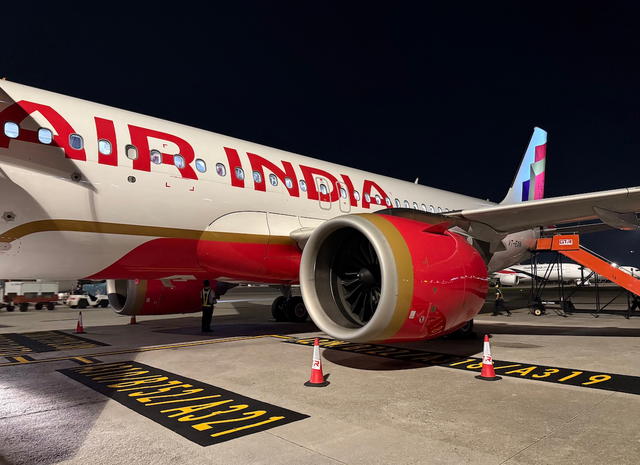
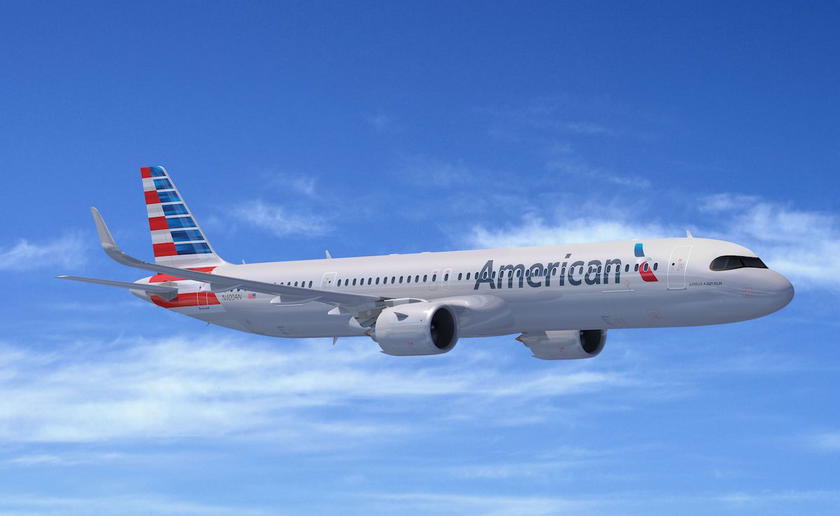
Hundreds of these jets have already been ordered, and deliveries were supposed to start in 2023. Here in the United States, both American and United are relying on these planes to be able to add new long haul service.
With Airbus continuing to make progress with getting the A321XLR into service, the European Union Aviation Safety Agency (EASA) has expressed concerns:
- The whole reason the A321XLR has extra range is because it has an extra fuel tank in the rear of the fuselage
- Regulators want Airbus to lessen the fire risk from the extra fuel tank
- Improvements to fire safety will likely add weight to the plane, which would reduce the range of the jet; after all, the heavier the plane is, the less fuel it can carry, and the less far it can fly
It’s not expected that the impact to range will be too major, though I know many airlines were hoping to use as much of the aircraft’s range as possible, and every little bit helps.
Airbus A321XLR expected to be delayed to 2024
Officially Airbus A321XLR deliveries were planned starting in 2023, but this latest issue is expected to delay deliveries to 2024. As of now that’s not a huge delay, especially since deliveries were previously rumored to start in late 2023, and are now rumored to start in early 2024.
The issue is that this is far from resolved, and until the jet is certified, there’s no certainty to the timeline. Also keep in mind that it’s not just the EASA that will have to approve the plane, but the plane will also likely feature increased scrutiny from the Federal Aviation Administration (FAA) in the United States.
For example, the Boeing 777X was initially supposed to enter service in 2020, but has now been delayed all the way until 2025. Of course there’s no indication that the A321XLR will face a delay that big, but the point is just that these issues can cause rolling delays.
Interestingly all of this comes as the first A321XLR is rolling out of the painshop.
Bottom line
The Airbus A321XLR is an exciting plane for both airlines and consumers, in terms of the new point-to-point routes it opens up. Unfortunately the jet is now facing some delays and range limitations.
Regulators are raising fire safety concerns. Resolving this could increase the weight of the jet, and in turn reduce fuel capacity and range. These changes could take some time, and are likely to delay the first delivery of the A321XLR into 2024.
Here’s to hoping that the plane isn’t delayed much longer than that, especially since aircraft manufacturers are facing increased scrutiny with certification following the 737 MAX issues we saw a few years back.
What do you make of these A321XLR updates?


Membership is free and takes no more information than commenting as a guest. Earn status points for good contributions, and see fewer ads as your status grows.