Should I Begin The Process Of Building Credit History In The US?

I love writing about things I know a fair bit about and hopefully teaching you about some parts of this ‘hobby’ you might not know about, but this time I need your advice on something.

My situation

I am an Australian citizen and passport holder. I have a generous working visa for the UK and plan to continue living here for a few more years, perhaps then living somewhere else for a year or two and eventually settling back in Australia.

I will probably visit the US on vacation once every year or two, for the foreseeable future.

For many years I have toyed with the idea of building credit history in the US. I’ve done quite a bit of research on it and read several stories from non-US citizens who have successfully done it. I don’t have a Social Security Number and won’t be trying to get one.

This makes it difficult, time-consuming and potentially expensive, but obviously if I’m able to do it the rewards of being able to obtain some of these lucrative US credit cards would be enormous.

Tiffany and I have been discussing my payment and taxation options ever since she offered me the role to join the team here. There are a few different ways to do it, and it will all be completely above board. I run my own consulting company in the UK for my ‘day job,’ so the easiest way would be to bill OMAAT for the work I do, and pay tax, etc., that way as it’s already set up.

But the payment and taxation options of suddenly performing work for a US company has given me new motivation to start building credit history in the US. The US is by far the most lucrative market in the world for credit card bonuses, and I am very jealous of you all for being able to enjoy such rewards!
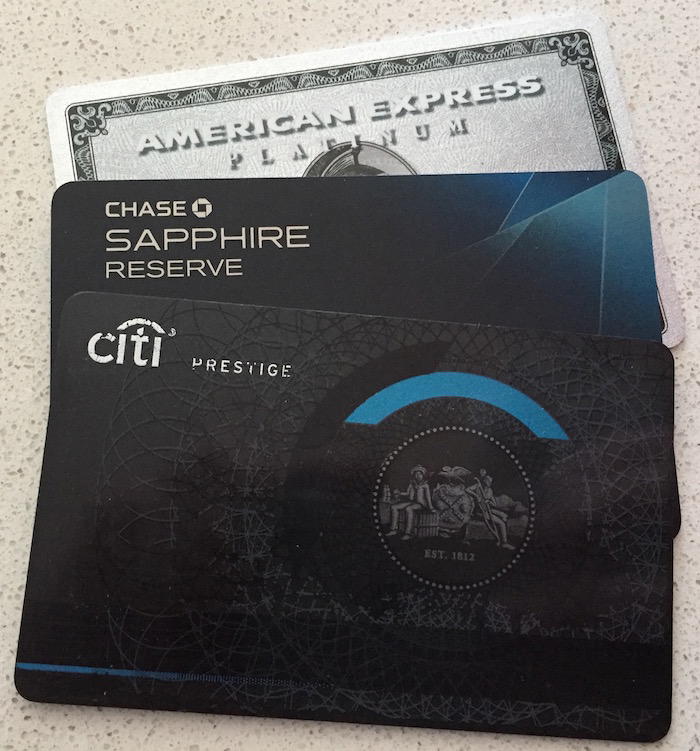
The road to rewards?

As I understand it, the process for me would be as follows:

  1. Obtain an Individual Taxpayer Identification Number (ITIN), which I will be required to have if I’m paying any tax in the US, i.e. as a result of employment by a US company. Others have obtained this by publishing an e-book online and paying tax on the royalties.
  2. Use this ITIN to open a bank account in the US, and begin applying for secured cards (like store cards) and service the ‘debt’ perfectly.
  3. Once debt servicing has been established, and a credit score created, eventually apply for credit cards through the financial institutions I hold bank accounts and/or secured cards with.

I would expect this process to take about 2-3 years from when I first apply for an ITIN to be able to successfully apply for credit cards with welcome bonuses, because it will take a long time to build that credit history. Given most of my spending is not in US Dollars I would also expect this process will cost me a bit of money in foreign exchange and transfer fees in using a USD card to pay for non-USD items, and then transferring non-USD to pay it off.

I know some cards offer no foreign exchange fees, but I doubt the secured cards will.

Problems?

The biggest difficulty I am predicting is that I don’t really have anyone living in the US I trust implicitly to assist with a residential postal address to send the cards and other correspondence to. I also won’t be in the US very often, which will make things difficult to do remotely (i.e. I can’t just pop into a bank branch to open an account). While I could use a mail forwarding service, I would need to be certain it was coded by the US post office as residential, and not as a forwarding service.

This is not a decision I am taking lightly — I do not in any way want to do anything wrong with any financial institution, or the US tax office!
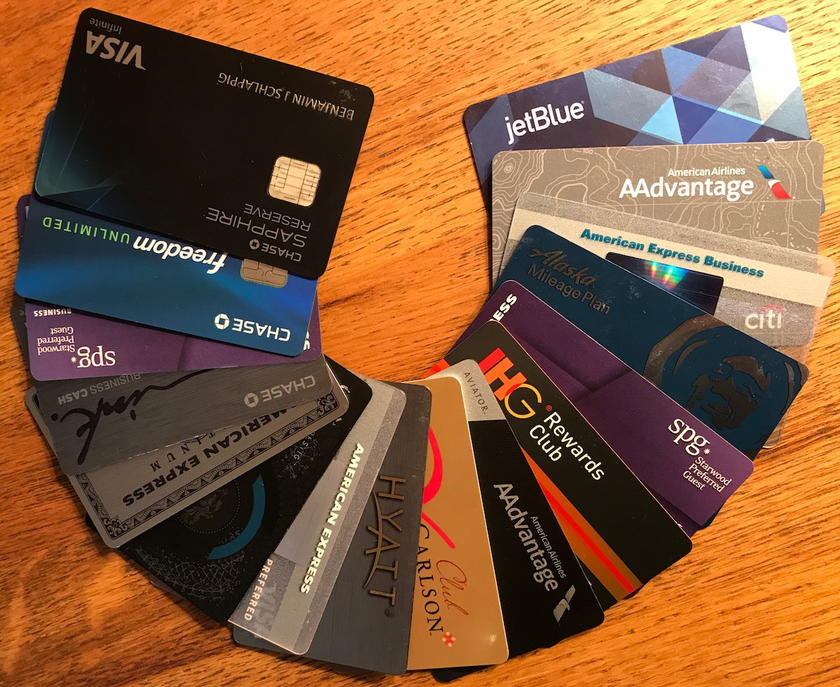
So what I’m hoping for your advice on, is:

  1. Are there any fundamental problems you see with my plan?
  2. Do you think it will be worth the time, expense and hassle?
  3. Can this be done completely remotely, or would I need to visit the US regularly?
  4. Is there anything else I can do to improve my chances with any of this?

Bottom line

This is a big decision and not one I will make before completely understanding the pros and cons. I don’t write about US credit cards because I’m not currently eligible to hold them but hoping that could change in the future.

The US really is the holy grail of credit card rewards.

Is this a good idea? I appreciate the advice, and I’m sure I’m not the only one who is interested in this!

Conversations (66)
The comments on this page have not been provided, reviewed, approved or otherwise endorsed by any advertiser, and it is not an advertiser's responsibility to ensure posts and/or questions are answered.
Comment as a member

Membership is free and takes no more information than commenting as a guest. Earn status points for good contributions, and see fewer ads as your status grows.

Type your response here.

If you'd like to participate in the discussion, please adhere to our commenting guidelines. Anyone can comment, and your email address will not be published. Register to save your unique username and earn special OMAAT reputation perks!

  1. Loading comments…
Recent Comments
The latest from the OMAAT community.

The comments on this page have not been provided, reviewed, approved or otherwise endorsed by any advertiser, and it is not an advertiser's responsibility to ensure posts and/or questions are answered.

erik a Member

How do they track you for credit scoring if you do not have a SSN # ?

0
‼ 0
Tam Guest

I know this post is very old, but I wanted to come back and share my experience with actually going through with this. I am also an Australian citizen, with great credit history in Australia. I started building credit history in the US about 10 months ago, and just recently got approved for a round of great cards with incredible signup bonuses. I began this process while visiting the US. First thing I did was get a US mobile number with a prepaid carrier, then immediately link it to a Google Voice number, and forward all calls and texts to Google Hangouts. This meant I could access security codes, and receive calls even while outside the US. Next I opened a couple of US bank accounts. Citibank immediately opened an account, as I had banked with them elsewhere. I was able to get an account at Chase without an SSN, again only needed passport and proof of address. Chase accepted a letter from the owner of the person renting me a room temporarily. Wells Fargo also accepted me without an SSN, but they would not let me use many useful features, such as online banking or wire transfers, so I do not recommend this. I will mention that my Chase account and Wells Fargo accounts were suddenly closed without explanation about 6 months ago. After getting a bank account and a phone number, I was able to apply for a secured card offered by Discover immediately. The card arrived before I departed the US. Unfortunately, discover is not accepted much outside the US, so this card was essentially useless. Lucky I kept up some subscription services, like Spotify, Netflix and app store purchases tied to this card. I transferred additional funds to this card, increasing my charge limit to $3000. This meant that after the five month secured period was over, I was immediately offered a $3000 credit limit. 7 months in to this process, a trusted friend in the US offered to add me as an additional user on their card. They had me added as a user, but had the card sent to their address, and never gave me access to the card. This meant there was little risk for them, but my credit score did start increasing quicker after this. 9 months in, my credit score was sitting at 750 and I was visiting the US again, so I applied for an Amex Platinum and CSP, and was instantly approved. I had the cards mailed to my friend, who has since posted them to me, and I have started using them both. This entire process took me about 2 fulls days physically present in the US, and maybe 10-15 hours of research, paying bills and other incidentals. Now that I have decent cards with no FX fees, I use my US cards for all of my spending. Yes I am exposed to some FX risk given I do not earn USD, but I hold balances in 3 different currencies already, so this is not a concern for me. I haven't had any trouble opening bank accounts in other countries because of my US cards. Now that I have an Amex card, I plan to start the same process in the UK. Is it worth doing and would I do it again? 100% yes.

0
‼ 0
Marvin Guest

Definitely DO NOT use Atlas (Stripe). That's a guarantee for hassle with the IRS, also Atlas is not free. Great "advice."

0
‼ 0
erik a Member

Use stripe (the payment company) they hava a US inbound offshoring service set up. https://stripe.com/atlas

0
‼ 0
Martin Guest

@ron thanks for your reply. I also had to certify that I'm no US Person when opening bank accounts in Europe. However, I'm pretty sure the question was about being a US Person (resident in the US, a US citizen or a US permanent citizen). I don't think they asked about "no US TIN, no US phone number, have never worked in US" and frankly I don't see how that would be relevant. But it's possible that I'm mistaken or that banks take things too serious (a US ITIN doesn't make you a US Person). I'll pay close attention next time I sign up for a service. Thank you.

0
‼ 0

Save posts to read later

Saving posts is a member feature. Become an OMAAT member to build a reading list you can come back to from any device.

Become a member