
Nowadays there are many premium credit cards that offer Priority Pass™ memberships, giving cardmembers access to airport lounges around the world. However, not all Priority Pass™ memberships are created equal, in terms of guesting privileges and experiences you have access to. I’m sure I’m not the only one who has several Priority Pass™ memberships, given how many credit cards I have.
In this post I wanted to discuss the basics of telling Priority Pass cards apart, and why it matters.

Which credit cards offer Priority Pass?
Below are some of the most popular premium credit cards in the United States that offer a Priority Pass™ membership, along with their guesting privileges (I just realized I have all five of these cards, goodness!).
 Capital One Venture X Rewards Credit Card
 Chase Sapphire Reserve®
 American Express Platinum Card®
 The Business Platinum Card® from American Express
 Marriott Bonvoy Brilliant® American Express® Card
If you’re looking for Priority Pass™ lounge access, it’s hard to beat the value of the Capital One Venture X Rewards Credit Card (review) or Capital One Venture X Business (review):
- With a $395 annual fee, the cards have the lowest annual fee of any of the above cards
- Most of that annual fee can easily be recouped by the $300 annual travel credit and 10,000 anniversary bonus miles
- Both cards offer a Priority Pass™ membership for the primary cardmember
Beyond the guesting privileges, there are some important differences between the memberships offered by these cards. For example, Priority Pass™ memberships issued through Chase cards get you unlimited access to Chase Sapphire Lounges, while Priority Pass™ memberships issued through other cards only get you one visit per year to the US lounge network. Furthermore, Citi cards offer credits at Priority Pass restaurants, while many other cards don’t.

How can you tell Priority Pass cards apart?
Once you physically have your Priority Pass™ membership card, how can you tell which card issuer it came from? There are some clues based on the card number and expiration date:
- Priority Pass cards issued through American Express typically have 11 digit membership numbers, the card number typically starts with 100, 102, 104 or 142, and the cards are typically valid for four years
- Priority Pass™ cards issued through Capital One typically have 11 digit membership numbers, the card number typically starts with 104 or 105, and the cards are typically valid for one year
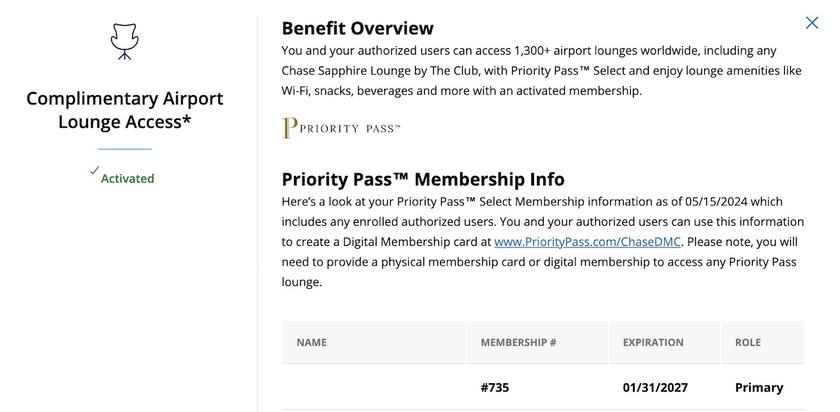
- Priority Pass cards issued through Chase typically have 16 digit membership numbers, the card number typically starts with 735, and the cards are typically valid for three years; one quirk is that Chase’s digital Priority Pass card numbers are 14 digits and start with 150 (with other issuers, the physical and digital number is the same)
- Priority Pass cards issued through Citi cards typically have 11 digit membership numbers, the card number typically starts with 142, and the cards are typically valid for three years
Hopefully between those three identifiers, most people can figure out through which credit card their Priority Pass™ membership was issued. If anyone has data points that contradict the above, please let me know. This is what I’ve been able to piece together based on looking at my cards, though it’s possible that I’m missing something.
In the case of American Express and Chase, there’s another way you can figure out your Priority Pass number. With American Express, just log into your card account (the one that has a Priority Pass™ membership), and go to the “Benefits” tab.

Scroll down to where it says “The American Express Global Lounge Collection®,” and then if you’re enrolled, you should see a green checkmark, and then next to that you’ll see your full Priority Pass card number.

With Chase, just log into your card account (the one that has a Priority Pass™ membership), and go to the “Benefits” tab.
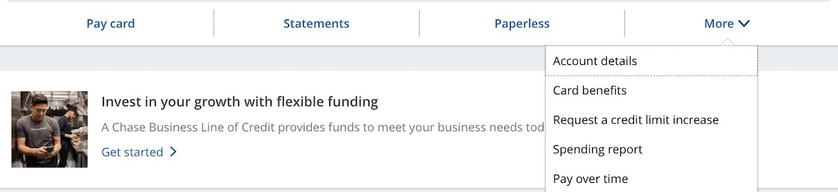
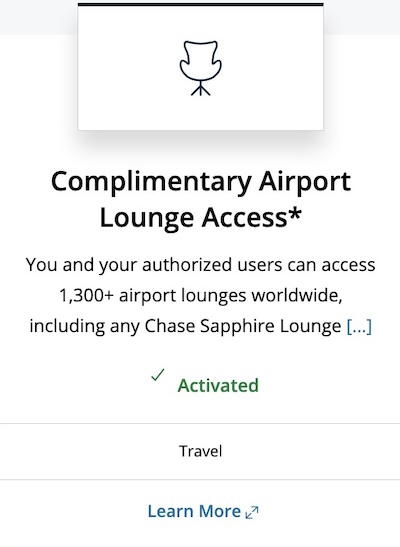
Scroll down to where it says “Complimentary Airport Lounge Access,” and then click on “Learn More.”
There you’ll see the full membership number listed, for easy reference. Note that this is the physical card number, and not the digital card number.
If you’re still confused about which Priority Pass card is which, you can phone up Priority Pass on the number on the back of your card, and an agent can help you figure out which card issuer the membership is through (however, that requires going through a verification process, which typically includes an agent asking how you got your card, so that’s a whole different adventure).
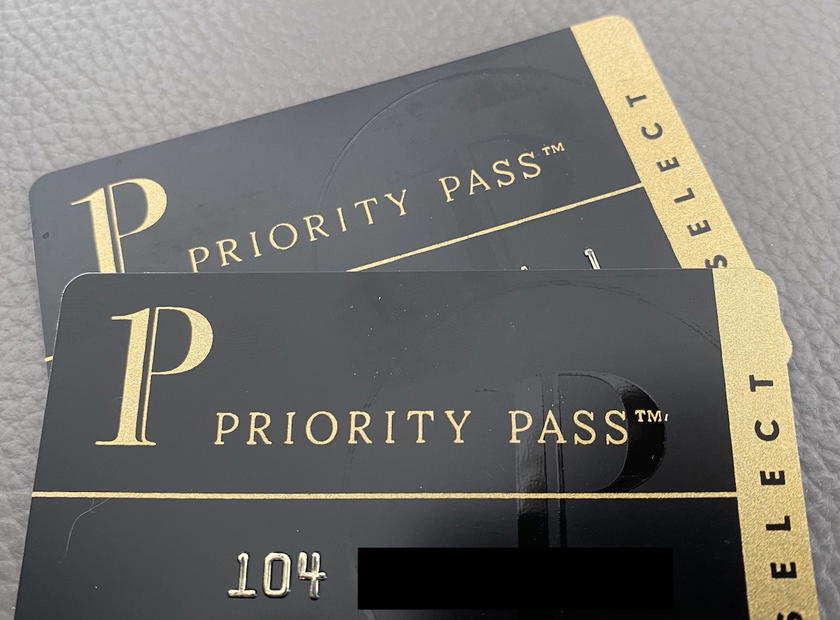
Tip: mark your Priority Pass cards
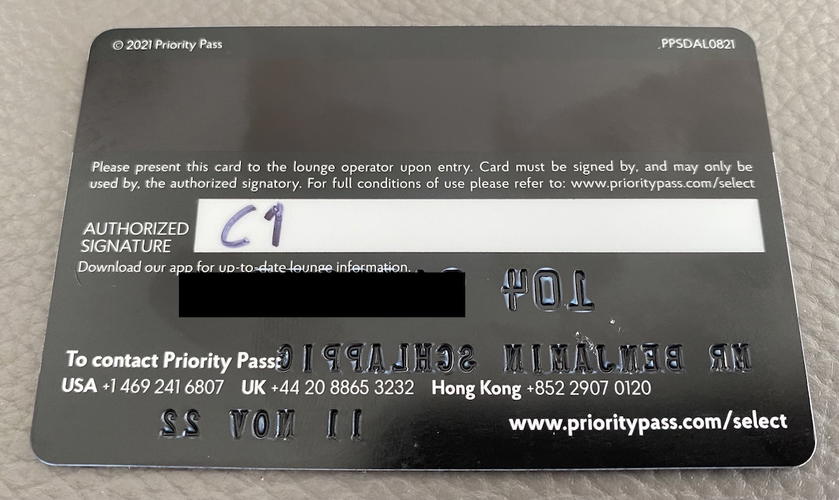
Priority Pass™ membership cards have a signature panel on the back. While I’m not sure this is the intended purpose, personally I use the signature panel to simply write the card issuer through which the card was issued in permanent marker, so I know whether the card was issued by Amex, Capital One, Chase, or Citi.
That makes it easy for me to always remember how I got a card membership, which is useful if you’re trying to figure out which card is best for a particular use.
Bottom line
Nowadays many premium credit cards offer a Priority Pass™ membership. These memberships can have different restrictions (like Priority Pass restaurant credits or Chase Sapphire Lounge access), so it’s always worth remembering which Priority Pass card is tied to which credit card. If you’re like me and have multiple Priority Pass™ memberships, it can be tough to tell them apart.
Hopefully the above is a useful guide that can help you differentiate which card comes from which issuer. I always recommend just writing the card issuer on the back of your Priority Pass card, so you can easily remember and don’t have to go through this exercise.
If anyone has any data points that contradict the above guidelines, please let me know so I can get the post updated.
The following links will direct you to the rates and fees for mentioned American Express Cards. These include: The Business Platinum® Card from American Express (Rates & Fees), and American Express Platinum Card® (Rates & Fees).


Membership is free and takes no more information than commenting as a guest. Earn status points for good contributions, and see fewer ads as your status grows.