
United Airlines CEO Scott Kirby made some interesting comments this week about the profitability of the carrier’s hubs, in comparison to those of the competition (thanks to @xJonNYC for flagging this). I don’t think this is terribly surprising, but it’s something most of us probably haven’t put much thought into. Separately, he made some interesting comments about a possible merger with JetBlue, and about American’s ability to become premium.
United claims all of its hubs are profitable, unlike competitors
United’s financial performance has been improving nicely in recent years, under the leadership of Scott Kirby. Kirby outlined one of the primary strategies he has been employing to improve profitability, particularly as it related to hubs.
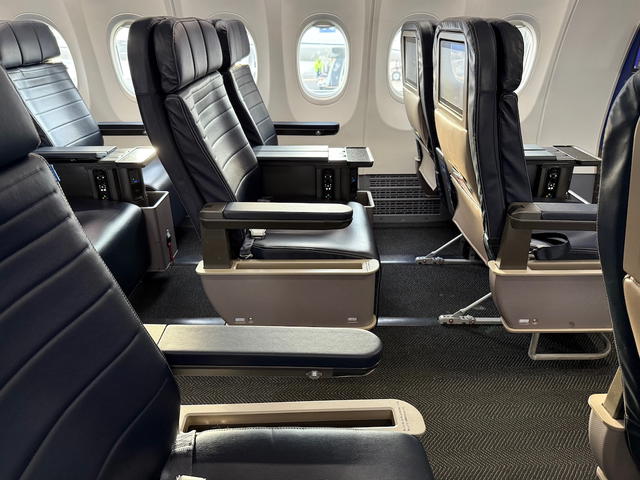
This starts with an interesting claim — Kirby insists that he has data supporting that United is the only airline in the country to have all of its hubs be profitable, and at other airlines that isn’t even close to being true. Furthermore, United has pretty equal profitability between hubs, and the difference in profitability between the carrier’s most and least profitable hubs is only six points.
Why is it so important to have all hubs be profitable? Well, you’ll be shocked to hear this, but there’s a credit card angle. 😉
Kirby believes that customers typically choose the best airline in a given market (usually the one with the biggest presence), and then get their credit card. If an airline is second place in a market, it gets dramatically less traction with its loyalty program, so being the number one airline of choice in a particular market is one of Kirby’s biggest priorities.
Kirby believes that this is a large part of the carrier’s success, and that this dominant position makes customers “sticky,” and easier to monetize.
My take on Kirby’s hub profitability claims
It’s fascinating how the airline industry has evolved. Even the most profitable airlines make much of their profits through loyalty programs, so that completely changes the strategy when it comes to what it makes sense to focus on, and how to grow.
When your average cost per air seat mile is roughly comparable to your average revenue per air seat mile, hub profitability isn’t just about the average fare in a market. It’s also about how much loyalty you can build up, and how much revenue you can generate through credit card agreements and other opportunities.
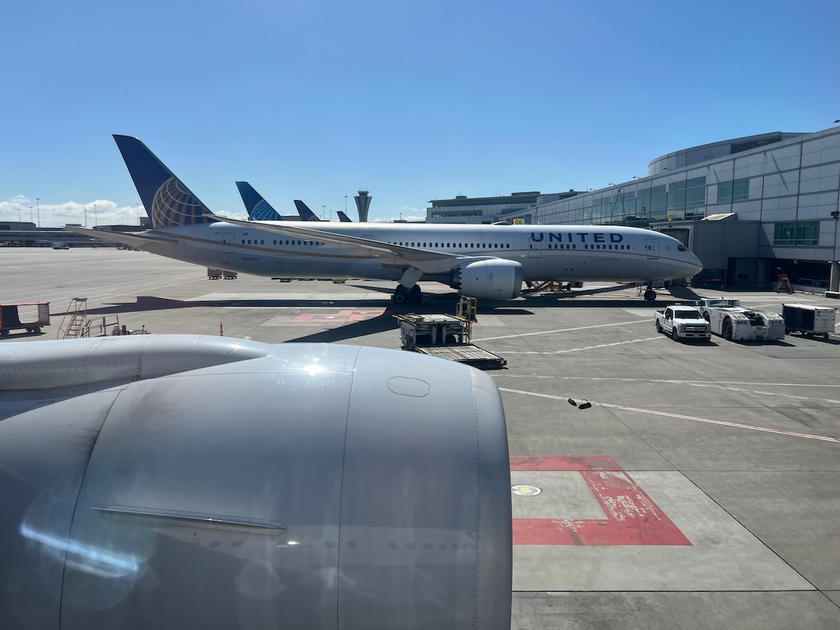
United does indeed have really well rounded hubs. Chicago (ORD), Denver (DEN), Houston (IAH), Newark (EWR), San Francisco (SFO), and Washington (IAD), are all strong hubs for United, where the airline has a dominant market position. I’d say that Los Angeles (LAX) is the only questionable hub, since it’s an airport where all of the “big three” US carriers have hubs, and no airline has that big of an advantage.
There’s no point in even discussing the profitability of American’s hubs, since, well, American isn’t very profitable. But clearly Kirby’s statements were intended to draw a contrast to Delta, the carrier’s biggest competitor.
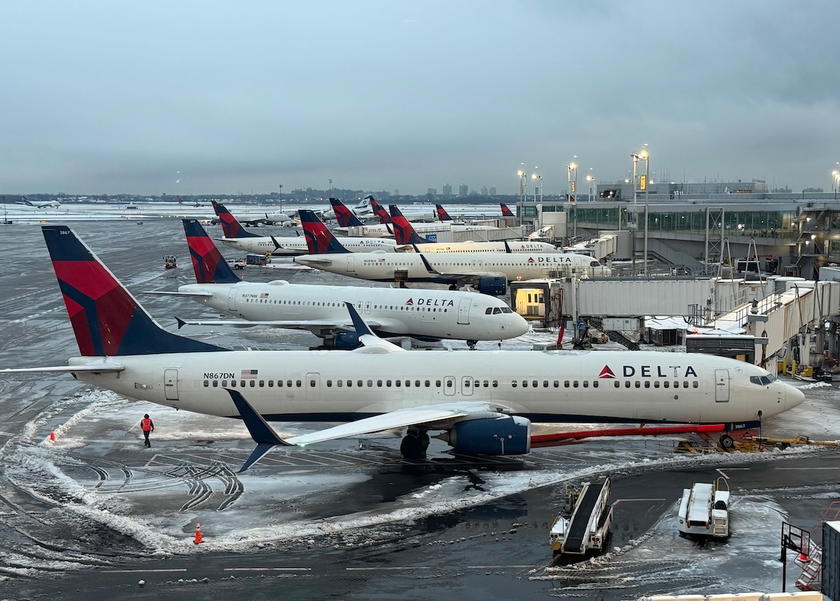
Kirby is almost certainly right that not all of Delta’s hubs are profitable. Atlanta (ATL), Detroit (DTW), Minneapolis (MSP), and Salt Lake City (SLC), are presumably wildly profitable hubs. I would imagine that New York (JFK) is probably profitable as well, while I’m not sure about Boston (BOS) and Los Angeles (LAX). Meanwhile I think it’s highly likely that Seattle (SEA) is currently Delta’s least profitable hub.
Delta continues to be more profitable than United, so obviously those profits are coming from somewhere. While United only has a six point difference between its most and least profitable hub, I imagine the spread at Delta is absolutely massive.
Also, presumably part of Delta’s strategy is to continue growing in unprofitable hubs until they are profitable. That’s not guaranteed to work, but it’s a fair strategy to try.
Bottom line
United CEO Scott Kirby insists that his airline is the only one in the United States where all hubs are profitable. Not only that, but there’s a remarkable level of profit consistency between hubs, with a spread of just six points between the most and least profitable hubs.
As Kirby sees it, this profitability comes down to having a dominant position in a market, so that it’s easier to get “sticky” customers who also pick up credit cards.
While Delta is the most profitable US airline, there’s simply no denying that the airline has a much bigger spread in terms of profitability between hubs. That’s not necessarily a bad thing, it’s just a different strategy. I’d be fascinated to know just how big that spread is at Delta.
What do you make of Kirby’s hub profitability claims?


Membership is free and takes no more information than commenting as a guest. Earn status points for good contributions, and see fewer ads as your status grows.