
Most network carriers around the globe are dealing with similar issues. While demand is strong, costs have increased considerably following the pandemic, and on top of that, margins are down a bit, as more airlines have restored capacity.
In response to market conditions, KLM Royal Dutch Airlines has announced measures to structurally improve the company’s operational and financial performance, and it will have implications for both passengers and employees.
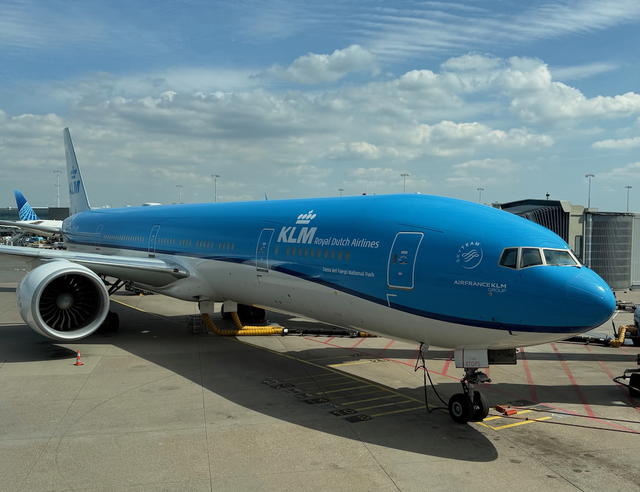
KLM outlines cost cutting measures to improve finances
KLM intends to improve its financial performance by increasing productivity, simplifying the organization, cutting costs, and deferring or postponing investments. Despite revenue growth, the airline believes these interventions are necessary due to the rising cost of equipment, staff, and airport fees.
This is also being done so that KLM can invest a billion dollars in fleet renewal, which the airline views as essential, in order to meet its climate goals.
The aim is for these measures to improve operating results by €450m in the short term. The hope is that in line with Air France-KLM’s group ambitions, this should lead to a structural profit margin above 8% by 2026-2028. Of course I wouldn’t put too much weight on that, since there are so many outside factors that impact airline performance.
KLM CEO Marjan Rintel describes these changes as “painful,” and here’s what she had to say:
We want to maintain KLM’s 105-year pioneering role in aviation and continue to connect the Netherlands with the rest of the world. However, just as many other airlines, KLM is suffering from high costs and shortages of staff and equipment. Our aircraft are full, but our capacity is still not back to pre-corona levels. We want to remain at the forefront of customer and employee satisfaction as well as sustainability. To continue doing this effectively, we must make clear and decisive choices now. This is painful for every KLM colleague, but it is necessary, and it has to be done now.
So, what does KLM’s cost cutting entail? The company has already engaged its unions to inform them of measures and objectives, which include the following:
- Increasing labor productivity by at least 5% by 2025, including through automation, mechanization, and reducing absenteeism
- Measures to resolve the impact of the pilot shortage and ensure the airline can operate all flights with its current pilots, with a better balance between intercontinental and European flights
- Due to the shortage of technicians and ongoing supply problems of parts, KLM can operate fewer flights, so measures are being taken at Engineering & Maintenance to reduce the number of cancellations; if this doesn’t yield sufficient results, the airline will consider partly outsourcing maintenance
- All investments (except those in occupational safety and compliance) will be reconsidered and postponed, such as the new headquarters and Engineering & Maintenance buildings
- Improvement of existing, and introduction of new products onboard; trials are underway with an expanded catering offer and optimization of aircraft layout, aimed at increasing revenues by at least €100 million per year
- Measures to simplify the organization, achieve more synergy, get rid of overlap and overhead
- KLM will explore options for outsourcing, divesting or discontinuing activities that do not directly contribute to flight operations
My take on KLM’s plans to cut costs, boost revenue
I find it interesting how KLM outlines its planned changes. The airline provides lots of bullet points about what will be changing, while still being rather vague. It seems this cost cutting will impact both employees and customers.
KLM is obviously looking for more productivity from employees, ranging from flight attendants, to pilots, to maintenance. It’s very possible that these are changes that should be made and that are totally logical, though I imagine there will be some pushback from labor groups.
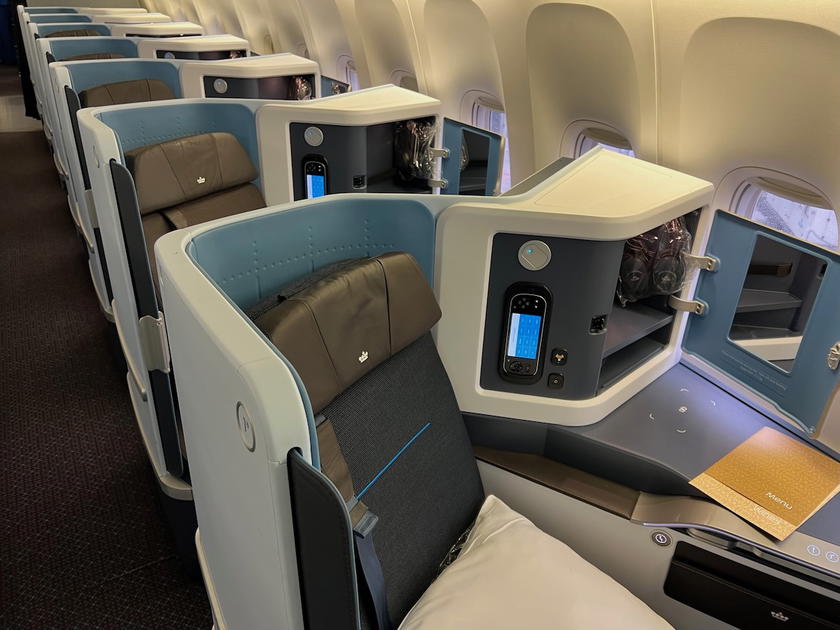
Then there’s the point that impacts customers, about the goal of increasing revenue by €100 million per year by introducing new products onboard, and optimizing the layout of aircraft. We know that KLM plans to trial buy on board service in economy on flights within Europe, so I imagine that’s part of this plan.
Furthermore, it sounds like KLM might be looking to densify its cabins. I can’t imagine that KLM can densify its cabins much more than it has done with its new 227-seat Airbus A321neos, but perhaps a similar concept will be applied to other aircraft as well. I certainly can’t blame KLM for trying to increase revenue, but this rarely ends up being good for consumers.
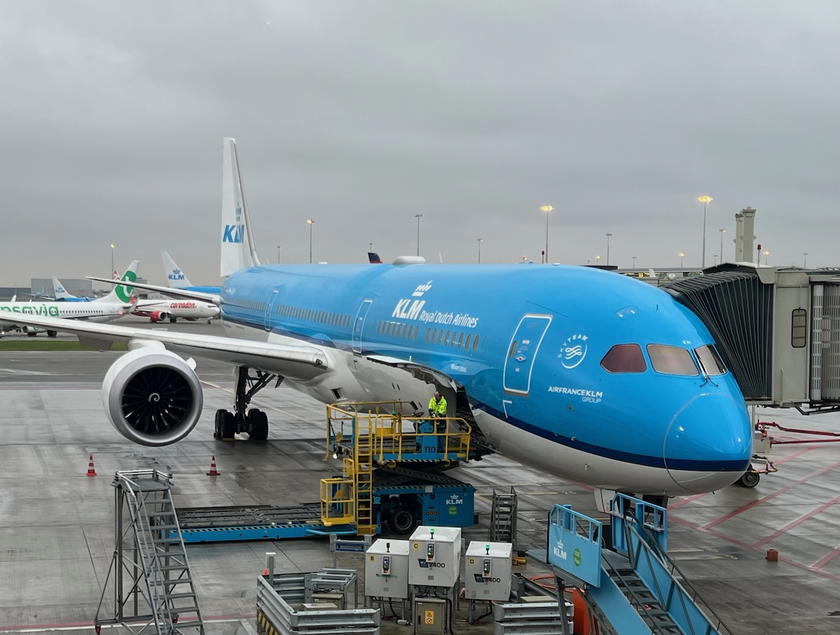
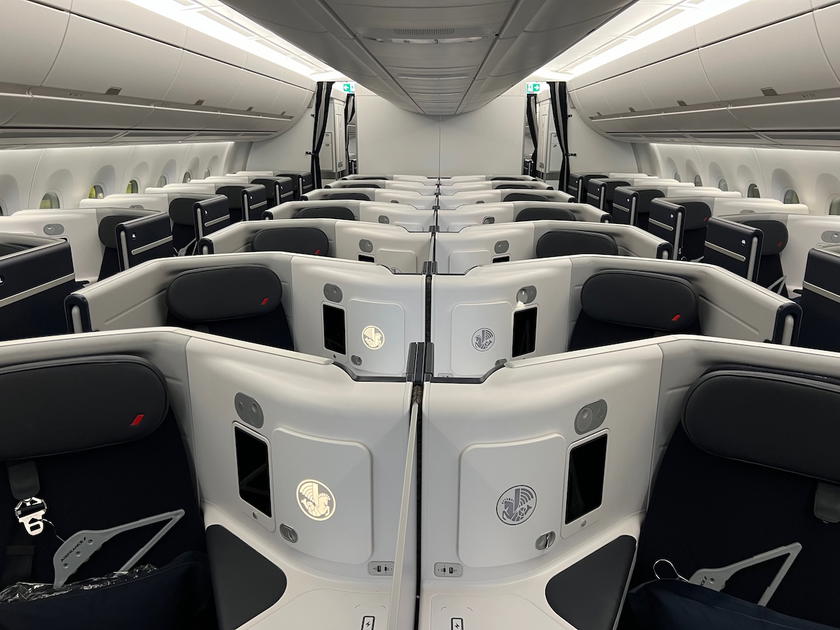
It’s interesting to see how these cost cutting measures are specific to KLM, and I think it reflects the overall strategy of the Air France-KLM group, which makes sense. The company is increasingly trying to position Air France as the premium brand, and I’d say that’s logical, when you consider the type of demand that exists to France.
For that matter, KLM is facing more structural issues than Air France is, when you consider that the government of the Netherlands is determined to reduce flying at Amsterdam Schiphol Airport (AMS), which is KLM’s only hub.
Bottom line
KLM has announced measures to strengthen its operational and financial position. With this, the airline plans to postpone any investments other than fleet modernization, find more synergies when it comes to labor, and increase revenue onboard aircraft.
This probably isn’t great news for consumers, so we’ll have to stay tuned to see how this plays out.
What do you make of KLM’s efforts to improve its finances?


Membership is free and takes no more information than commenting as a guest. Earn status points for good contributions, and see fewer ads as your status grows.