
Usually we say that competition is good for consumers, but here’s a case where it isn’t, as a Delta hub will go from having two airlines flying to Iceland, to having zero airlines flying to Iceland. I guess there’s no one to really blame here, but it’s bad for consumers!
Delta cuts Detroit to Keflavik route, after Icelandair exit
Icelandair operates a unique business model, whereby it uses its hub in Keflavik (KEF) to serve markets on both sides of the Atlantic, so that the airline can tap into the local market, as well as offer one-stop service all over the place.
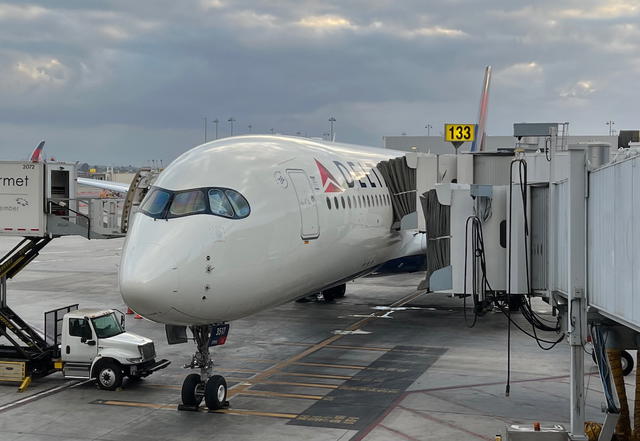
In 2023, we saw Icelandair launch flights to Detroit (DTW). Detroit is a fortress hub for Delta, so the airline has a lot of pricing power there. Of course Icelandair’s idea was to undercut the major players on pricing, while also giving travelers the opportunity of a stopover in Iceland.
As you’d expect, airlines tend to defend their hubs, so less than two weeks after Icelandair’s announcement, Delta announced it would launch exactly the same route, and would even start the service three days earlier. This was obviously not a coincidence, but a competitive response.
Admittedly I suspect Icelandair had to know that Delta might replicate its route, and that proved to be too much competition. In early 2026, Icelandair fully ended Detroit service, as it couldn’t make the math work. Well, at least consumers would still have one option to Iceland, right? Not so fast, unfortunately.
Delta has now also quietly pulled the Detroit to Keflavik route, instead choosing to launch service to Iceland out of Boston (BOS). So yeah, now Detroit is back to having zero Iceland flights.
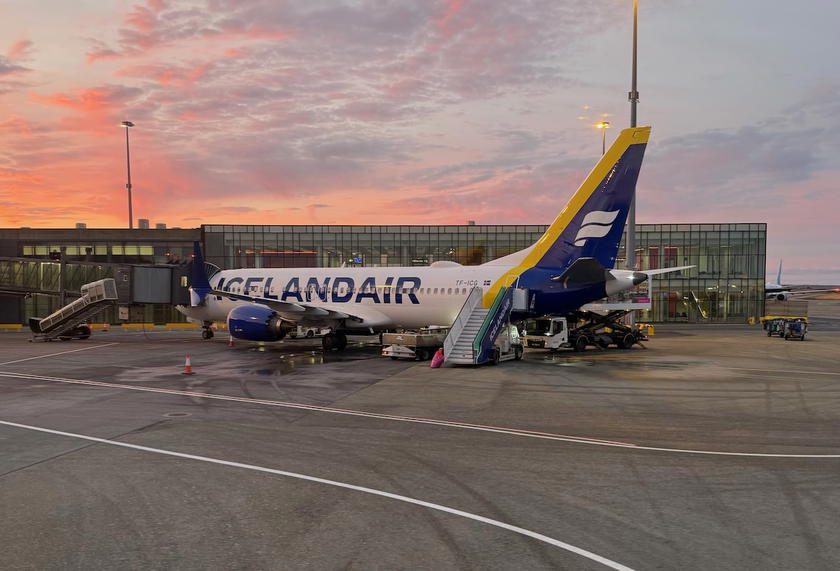
I guess that’s just how competition works, right?
Obviously this is a case where consumers initially won by having two players, but then eventually lost, by having no remaining service. This is the downside to competition.
Obviously Delta wasn’t looking out for consumers here, but the company was looking out for its bottom line. Airlines fiercely defend their hubs, so I guess this was the inevitable outcome, when you think about it. Delta wasn’t going to let Icelandair launch this route without matching it. And then when Icelandair left as a competitor, it’s also not surprising Delta cut the route, because if it wanted to operate the service in the first place, it would’ve done so before Icelandair.
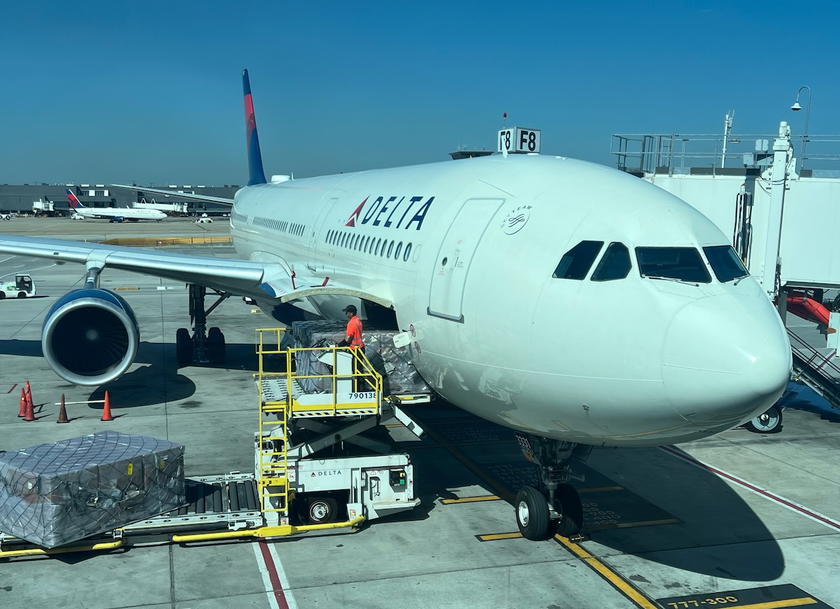
I can’t help but wonder if Delta’s Minneapolis (MSP) to Dublin (DUB) route will have a similar fare. Aer Lingus added service in the market in 2024, and Delta immediately matched. Aer Lingus is ending this route with the close of the 2026 season. Will this route survive for Delta beyond 2027? We’ll see, I guess!
Bottom line
Icelandair starting flying from Keflavik to Detroit, and Delta immediately matched. Icelandair then pulled out of the market, and then Delta also immediately matched. Going from zero competitors to two competitors to zero competitors isn’t exactly ideal for consumers, but often it’s how these situations play out, unfortunately.
What do you make of this Detroit to Keflavik competitive situation?


Presumably DL has more local demand out of BOS but wanted to defend a hub at the same time. So once Icelandair pulled service from DTW DL moved the route to where there would be stronger demand more importantly higher fares.
Bad for consumers. There are terms to describe it; predatory competition, retaliatory route-dumping, etc. If we had actual antitrust enforcement, we’d at least mitigate the harms of unhealthy competition and monopolistic behaviors like this. (Vote accordingly…)
This sounds like something NW would have done. Holly Hegeman (PlaneBusiness Banter) once said “American wrote the book on airline competition but nobody plays the game like Northwest. This airline has “bully” tattooed on its wings!” DL is clearly taking a page from the NW playbook. Personally I see nothing wrong with what DL did. It’s a dog eat dog industry.