
In recent years, we’ve seen an unbelievable number of new long haul routes to Riyadh, Saudi Arabia (RUH). The narrative around this growth is interesting, but what’s really driving all of this new service?
The argument for more flights to Riyadh, Saudi Arabia
Within the next year, we’re supposed to see the launch of Riyadh Air, an ambitious airline startup that has the goal of connecting Riyadh to the world. The government is funding this project, as part of Saudi Vision 2030, with the goal of diversifying the economy, including greatly increasing tourism (early reports suggest that the country may have been a little overly optimistic).

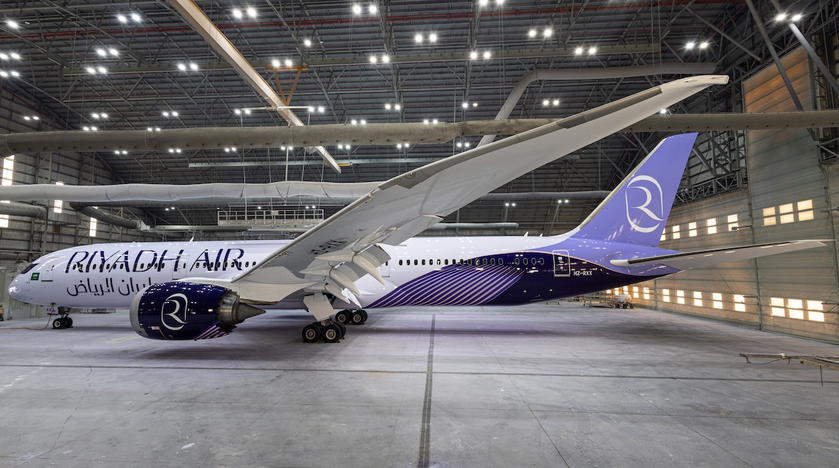
There are some really smart people running Riyadh Air, and the argument they’ve made for the airline is simple — essentially, Riyadh is a way underserved aviation market without enough direct links to global points, and that needs to change. Riyadh Air CEO Tony Douglas has gone so far as to say that it’s “haram” and “totally, utterly unacceptable” that “the number one premium passenger for Qatar Airways, are Saudi nationals.”
Douglas makes a fair point, and indeed, Saudi Arabia is a much more populous country than some of its Gulf neighbors (Bahrain, Kuwait, Qatar, UAE, etc.), so one would think there would be more demand for the market to be served.
But here’s the big question — if Riyadh Air is launching soon, why are we also seeing a bunch of new airlines launch flights to Riyadh, regardless of whether or not they have any planned partnership with Riyadh Air? If Riyadh has been so underserved, why have airlines only been adding service there in the past year or two, when the market will no doubt get significantly more saturated in the near future?
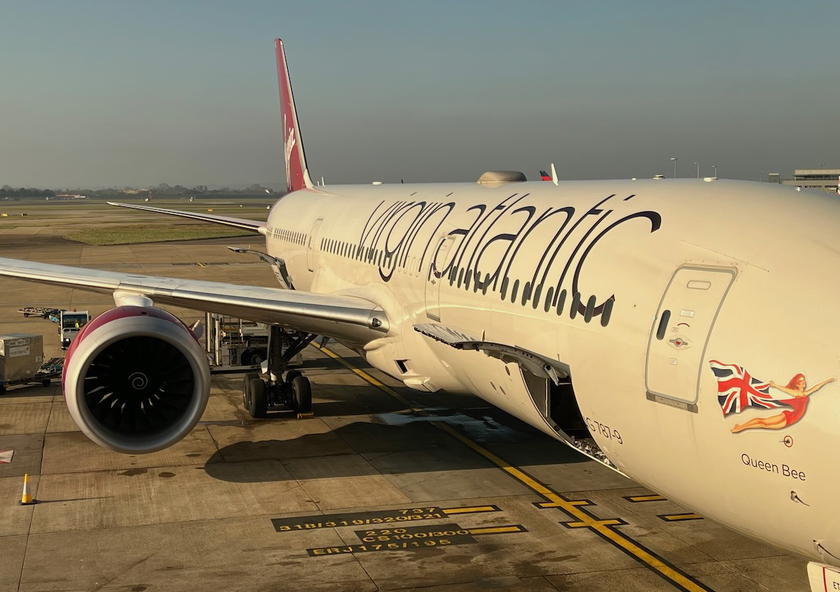
Sure, we’ve seen Air France and Virgin Atlantic launch flights to Riyadh, and Delta claim it will launch flights to Riyadh soon. But all those airlines plan to partner with Riyadh Air. But we’ve seen a countless number of other airlines launch flights recently. Just look at China, as one small example — Air China, China Eastern, and China Southern, have all launched Riyadh flights recently. What’s actually going on here?
The Saudi Air Connectivity Program is the answer
To figure out why so many airlines are suddenly launching flights to Saudi Arabia, just follow the money. No, I’m not necessarily talking about the money in terms of passenger demand generating revenue, but instead, the money Saudi Arabia is willing to give airlines for flying to the country.
The Air Connectivity Program (ACP) is Saudi Arabia’s program that incentivizes airlines to fly to the country. As Saudi Arabia’s Tourism Minister has described this:
“The main purpose is to create direct flights to our main target markets. The program will compensate airlines to cover their losses from flying direct flights to these very important hubs for us. We have to negotiate with every carrier to size it.”
Saudi Arabia is currently investing tens of billions of dollars in its aviation sector, and the Air Connectivity Program is part of that. It seems that the exact terms that airlines receive varies, but the concept seems pretty clear — fly to Saudi Arabia, and you won’t lose money.
In fairness to airlines, the concept of some sort of incentives to launch new long haul service is nothing new. However, it sure seems like the scale of incentives being offered here are on a different level than what we typically see.
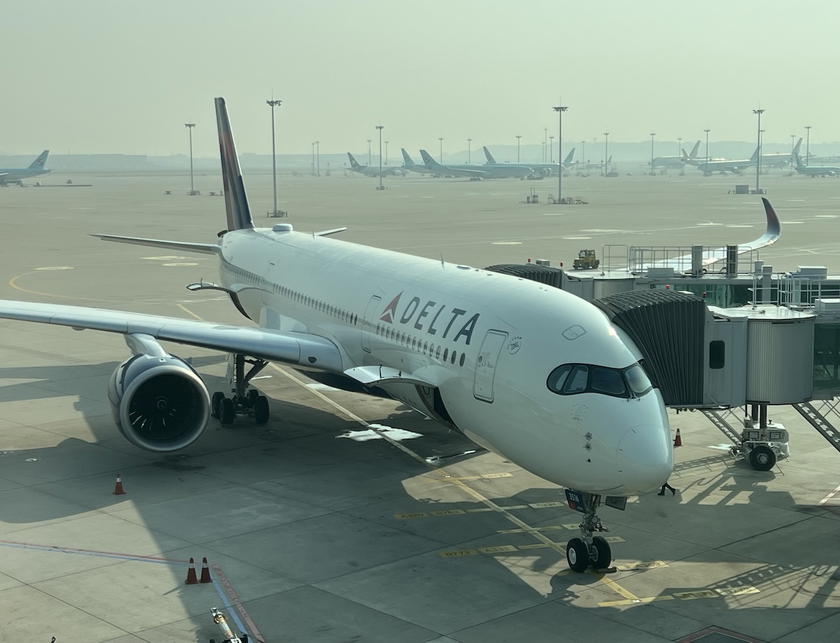
I think Delta is a funny example to look at. It’s the world’s second most profitable airline (I know that hurts, I’m sorry), yet the carrier’s ultra long haul service adds seem exclusively focused on serving joint venture hubs, on chasing subsidies. Delta’s last non-joint venture ultra long haul route addition was to Brisbane (BNE), a market that’s providing massive incentives to airlines at the moment.
Now Delta is adding Riyadh service, again, with significant subsidies. How times have changed compared to a decade ago, when Delta executives complained the loudest of unfair competition due to subsidies.
Anyway, it’s going to be fascinating to see how Riyadh service evolves over time, given the massive amount of capacity growth the airport is seeing, combined with the launch of a new airline. The amount of capacity that the government is trying to force almost seems counterintuitive. It’s going to cause airlines to do quite a bit of capacity dumping, with super low fares, and they’ll be competing directly with government owned Riyadh Air.
Bottom line
It’s no coincidence that we’re seeing so much new service to Riyadh, Saudi Arabia. It’s specifically because the Saudi Air Connectivity Program is providing incentives to airlines, to the point that the government covers losses of this kind of service.
With the amount of capacity being added, and especially with Riyadh Air launching in the near future, it’s going to be interesting to see how this amount of capacity expansion plays out.
How do you see this Riyadh air service situation evolving?


Membership is free and takes no more information than commenting as a guest. Earn status points for good contributions, and see fewer ads as your status grows.