Wow: How Lions Are Transported By Plane In South Africa

Here’s something airplane related that’s totally random, but kind of cool.

The Bateleurs is a non-profit company in South Africa that recently transported some Kalahari lions, which are known for being the largest lions in Africa. Three of them were recently flown from Khamab Kalahari Reserve to Mabula Game Reserve, with the intent of increasing genetic diversity and reducing population sub-division across lion populations.
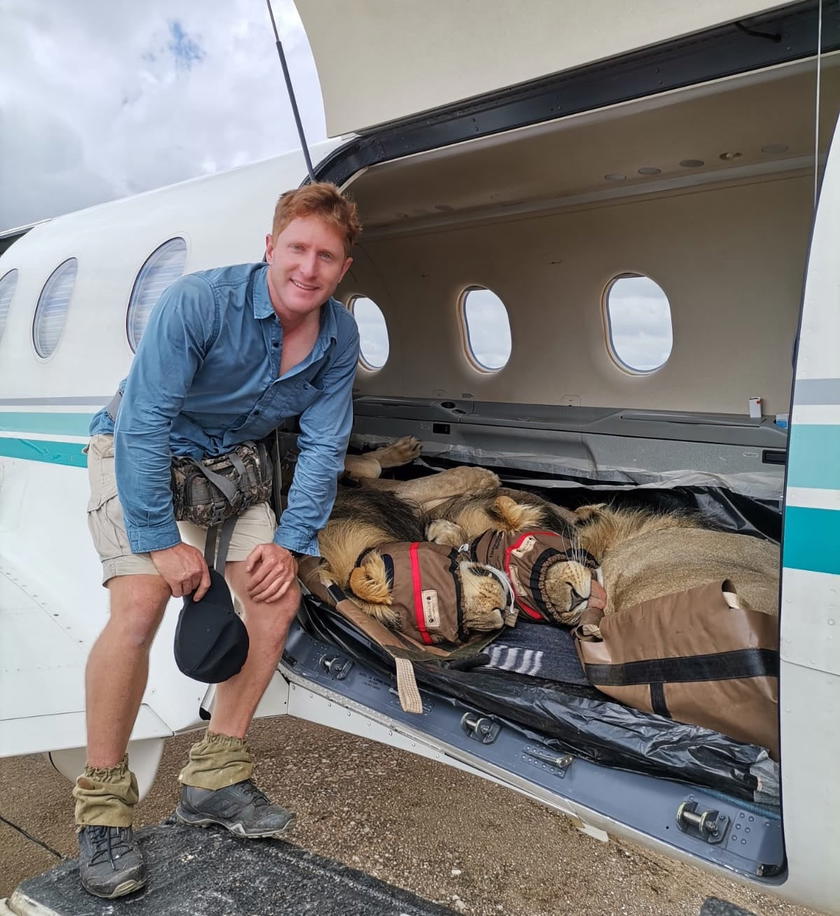
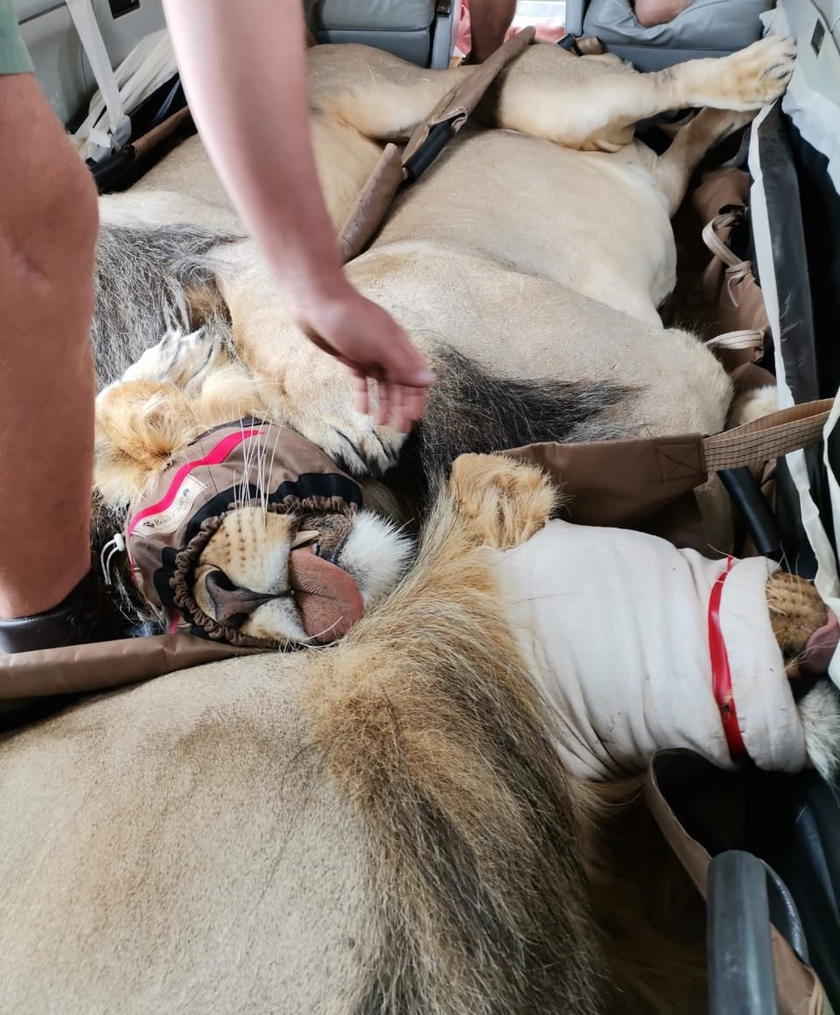
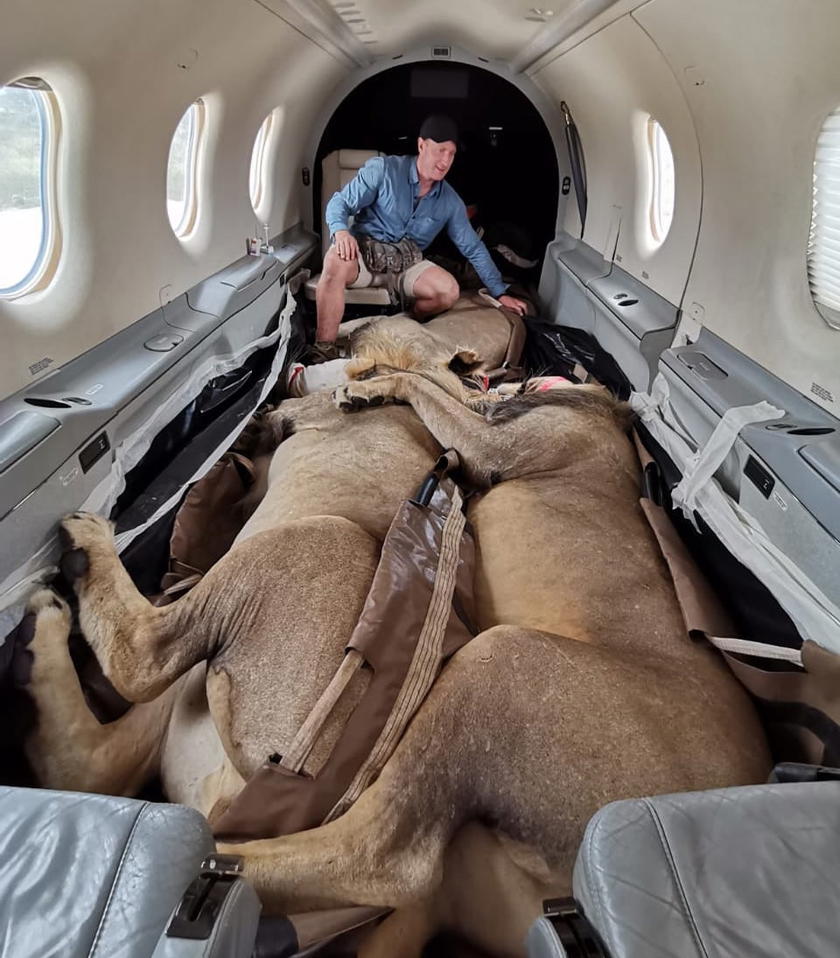
The lions each weighed roughly 200kg, and together the three of them were flown on a Pilatus PC-12 between the two reserves. In addition to the pilots, there was also a doctor in the cabin to monitor the animals.

Here are some pictures of the lions being loaded onto the plane:
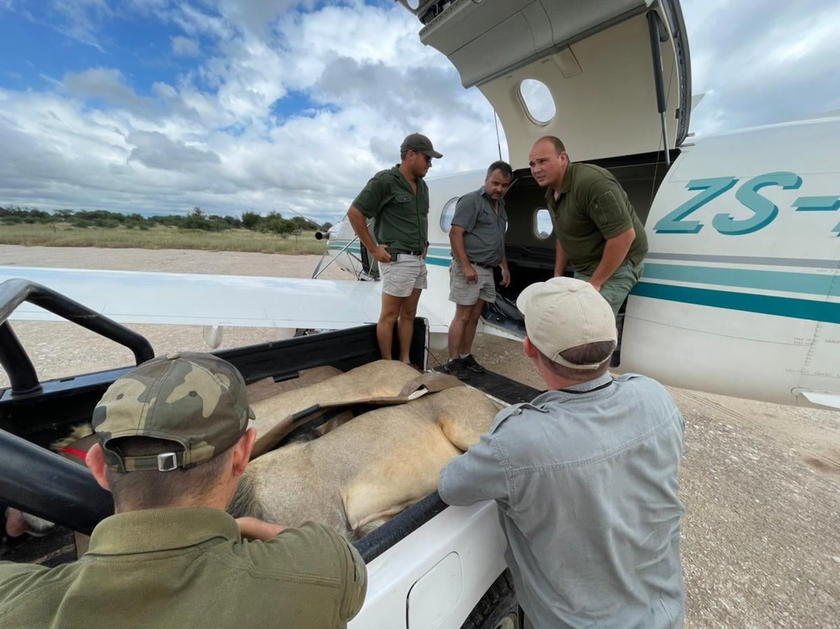
Obviously I’m no expert on the transport of lions, or on the benefit of transferring lions between reserves, for that matter:

  • While this doesn’t look particularly comfortable, it ultimately seems like they’re trying their best with a very difficult situation, and it’s cool to see how stuff like this is done
  • I’m also not sure how necessary this whole relocation process is, and whether it’s truly for the benefit of the lions, or if tourism is a motivating factor

I did love the safari I went on in South Africa a couple of years ago, including my flight on a Pilatus PC-12.

Conversations (35)
The comments on this page have not been provided, reviewed, approved or otherwise endorsed by any advertiser, and it is not an advertiser's responsibility to ensure posts and/or questions are answered.
Comment as a member

Membership is free and takes no more information than commenting as a guest. Earn status points for good contributions, and see fewer ads as your status grows.

Type your response here.

If you'd like to participate in the discussion, please adhere to our commenting guidelines. Anyone can comment, and your email address will not be published. Register to save your unique username and earn special OMAAT reputation perks!

  1. Loading comments…
Recent Comments
The latest from the OMAAT community.

The comments on this page have not been provided, reviewed, approved or otherwise endorsed by any advertiser, and it is not an advertiser's responsibility to ensure posts and/or questions are answered.

Lynne Travis-Shouey Guest

I thought this a lovely story. He stayed he didnt quite understand the reason for the process. I dont recall who responded but seemed to inform us that the reason for transport was due to the fact cats could no longer travel freely. Which was very informative however why were they so angry with a total stranger they should ask themselves. Please Do No make any comments! Just my observation. l

0
‼ 0
Sue Heim Guest

Please educate yourself, Ben, on how animals be one extinct and what role hans have in that extinction now. In order to ensure genetic diversity amongst animals that can no longer travel freely, as they used to do, their populations must now be managed by humans. You stated you knew nothing about the process but then inserted a bunch of random and idiotic opinions. Had you left it it with your opening paragraph and the photos, this would have been quite lovely and self-explanatory. Instead you had to insert yourself in the story. So unnecessary. These lions are magnificent creatures and if they are not protected, will become extinct in a few years. You can thank the ignorance of humans for that.

0
‼ 0
Ndumi Guest

How do they ensure that the arriving lions get "accepted" by the prides they are going to?

0
‼ 0
Metaka Fraser Guest

Genetic diversity is crucial to any species survival plan to avoid a genetic bottleneck. Isolated populations are prone to autosomal recessive traits and diseases. Examples of human bottlenecks include the Trail of Tears, which has resulted in higher rates of a rare extreme photosensitivity disorder among the descendants of the survivors, and similarly conditions that crop up now in Ashkenazim. There are also greater incidences of cavernous malformations in descendants of the conquistadors that followed Juan Oñate to New Mexico. It also occurs in feral cat colonies, for example. I used to do TNR and I could tell how old and established the colony is based on a kitten's eye size/clarity/function, because after enough inbred generations it turns out the eyes start shrinking and become prone to infection. A lion cannot survive in the wild without sight, and passing on that lion's genes puts the extant breeding pool in danger. The goal of these species survival plans is to eventually repopulate the wild, and they need all the help they can get, even if that means airlifting a bunch of snoozing lions to another species survival facility.

0
‼ 0
Stanleybanco Guest

It's obviously a good ideas if it has to do with improving the pride's population and the extensive motives of having more Kalahari sized lions in other new reserves, but tourism is definitely a point to consider. Glad he made there observations himself.

0
‼ 0

Save posts to read later

Saving posts is a member feature. Become an OMAAT member to build a reading list you can come back to from any device.

Become a member
Meet Ben Schlappig, OMAAT Founder
5,883,136 Miles Traveled

43,914,800 Words Written

47,187 Posts Published

Keep Exploring OMAAT