
I recently wrote about how the miles & points world has changed over the years. As is the case with just about any industry, things evolve over time, and some developments are positive, while others are negative.
When it comes to actually redeeming points for airline award tickets in premium cabins, I’d argue there’s one trend that we’ve been seeing a lot of, and I suspect this practice will only continue to spread. While I’ve mentioned this in passing and have written about specific instances of this, I’d like to take a big picture look at this practice.
How airlines are getting savvier with releasing award seats
Going back 15 years, airlines almost always made the same saver level award seats available to members of their own frequent flyer program, as they did to members of partner frequent flyer programs. So this made it easy to combine many airlines on a single award ticket, and it also created endless arbitrage opportunities.
While I don’t want to suggest that this is some change that has just happened overnight, we are increasingly seeing two trends when it comes to how airlines release award space, and I think this will only continue to spread:
- Airlines are increasingly making premium award seats available exclusively to members of their own frequent flyer programs, and not to members of partner frequent flyer programs
- Airlines are also increasingly providing more award space to those who have elite status, or who hold a co-branded airline credit card
Like I said, we’ve seen this in some form for a long time, but we’re seeing this more and more as time goes on.
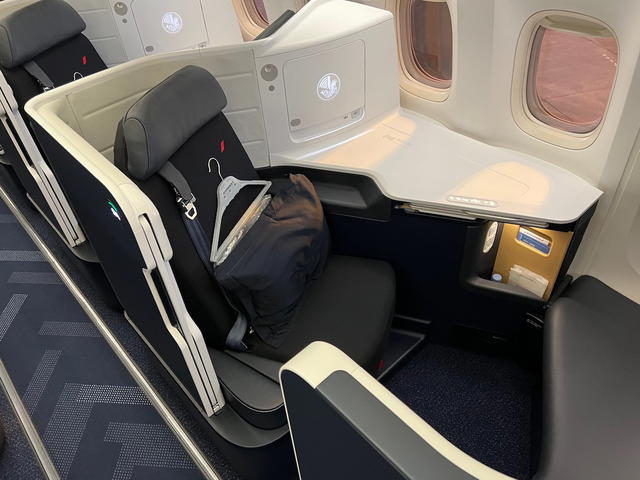
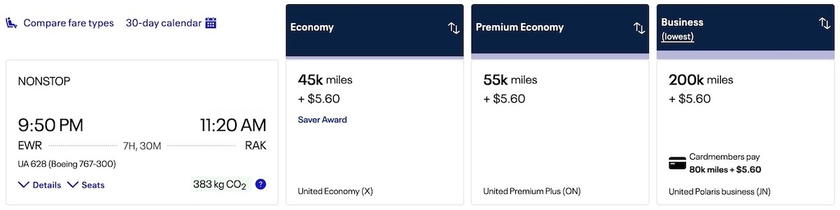
Perhaps the most radical example of this in recent times is how United Polaris business class award seats are no longer bookable through partner frequent flyer programs, and on top of that, the best pricing is reserved for MileagePlus elite members, or those with a co-branded credit card.
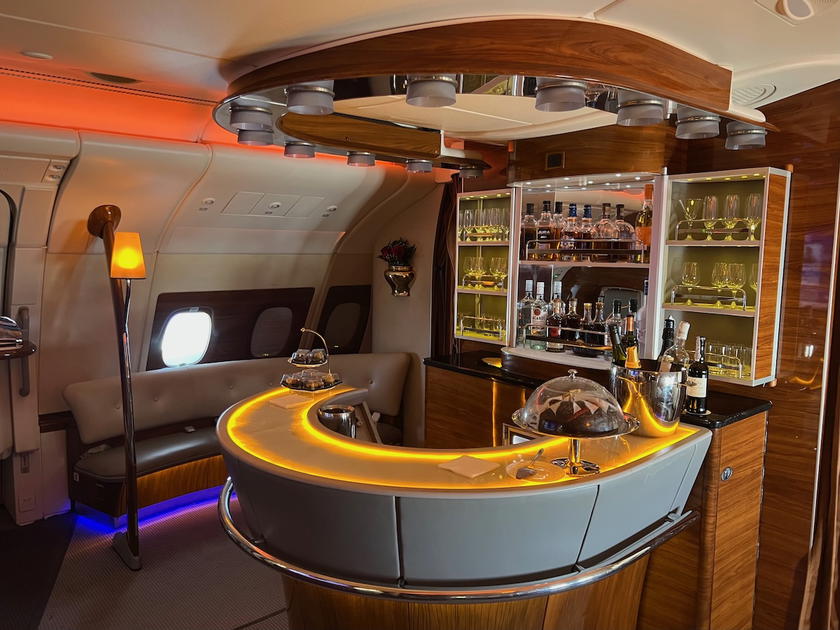
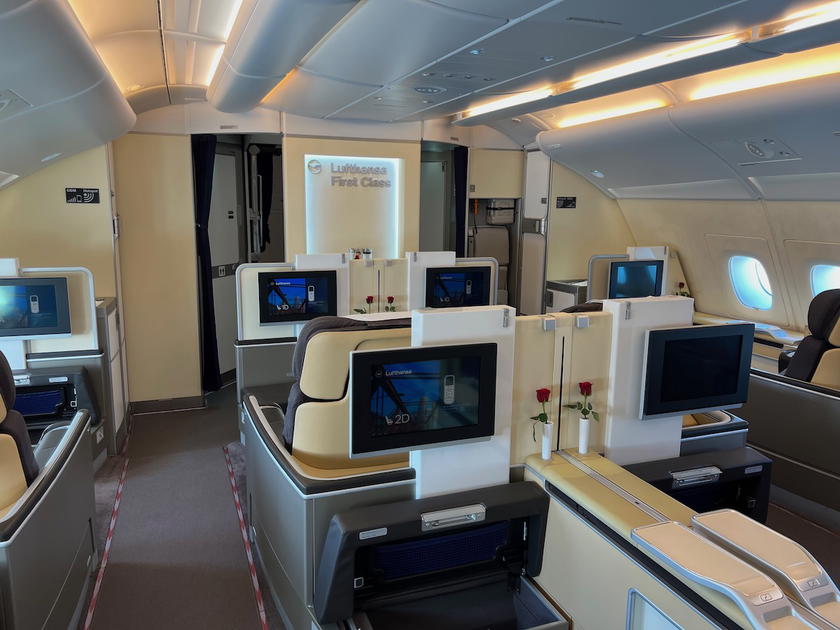
Similarly, we’ve seen Emirates Skywards restrict first class awards to those who have elite status in the program, and we’ve seen Air France-KLM Flying Blue offer expanded award availability to Platinum members.
For consumers, this is a double edged sword:
- For those who are actually loyal to an airline, it gives them an advantage in terms of having access to desirable award availability
- For those who love seeking out arbitrage opportunities, or like booking award tickets that include travel on multiple airlines, this is obviously massively negative
It definitely changes the approach that people will want to take with their points strategy. For example, it increases the incentive to have a co-branded credit card or even to pursue elite status.
This frustrates me, but I don’t blame airlines for this trend
As someone who loves maximizing miles & points, I of course hate this trend. I love being able to take advantage of award pricing sweet spots, and combining many partners on a single award.
At the same time, I completely understand why airlines have changed their approach to releasing award space, and if I were in the shoes of a program executive, I’d probably do exactly the same.
Going back a couple of decades, there wasn’t that much competition for award seats, most miles were actually earned through flying, and the airline alliances had a pretty close level of cooperation. So airlines generally acted within the spirit of reciprocity when it comes to award availability.
One airline would do its best to make award seats available for members of another program, and vice versa. Reimbursement rates for award tickets between airlines are generally very low, so the idea is that this is largely an accounting exercise, and that these amounts balance each other out.
But over time that changed. For one, many airlines got more entrepreneurial with monetizing award seats. Airlines would start selling miles to consumers at very low costs, knowing that they were primarily being purchased for redemptions on partner airlines.
At one point, many of us referred to US Airways Dividend Miles as the unofficial consolidator of Star Alliance first and business class tickets, since you could buy miles and then turn around and redeem them at an amazing rate for first and business class travel on partner airlines, at a time when no other programs were doing that.
When you get to the point where there are massive imbalances in terms of award booking patterns, obviously that’s not within the spirit of these partnerships.
I think the other thing that has changed is that airlines have just gotten much savvier with their loyalty programs. Loyalty programs have become huge profit centers for airlines, rather than cost centers. The question is always how you can get members to increase their engagement.
It’s pretty logical that the way you’d get people to increase engagement is to make it more rewarding to be a member of that program, and to also make it more rewarding to pick up a credit card or pursue elite status.
And honestly, I think that logic is sound. It goes without saying that demand for premium cabin award seats massively outweighs supply. Should those few saver award seats go to someone who has never booked a revenue ticket on a particular airline, but who heard about award availability on social media, or should it go to a good customer of the company?
Like I said, I absolutely hate this trend for myself. But I also recognize why we’re seeing it, I think we’re going to continue to see this a lot more, and it’s something we’re all going to have to increasingly plan around.
Bottom line
In addition to many airlines releasing fewer saver level award seats in general, airlines are also getting savvier about which members they offer these seats to. Back in the day, it was common for airlines to offer the same saver level award availability to anyone with access to the seats. That’s not the case anymore.
We’re increasingly seeing airlines limit award seats, especially in premium cabins, to members of their “native” program. On top of that, we’re also seeing some programs limit award space to those with elite status, those with a co-branded credit card, etc.
While this is quickly becoming common, personally I think we’re only at the early stages of this, and that it will spread much more in the coming years.
What do you make of the evolving ways airlines release award space?


Membership is free and takes no more information than commenting as a guest. Earn status points for good contributions, and see fewer ads as your status grows.