
I recently wrote about etiquette when it comes to tipping in airport lounges. Not surprisingly, people had very different takes. Today I wanted to write about a topic that I think most of us will be in agreement on, but I wanted to look at it a bit more broadly.
No, you shouldn’t tip flight attendants
While flight attendants spend most of the flight providing service to customers, unlike other people in service industries, they shouldn’t be tipped. There’s no expectation to tip flight attendants, and for that matter some airlines have policies against tipping flight attendants. I wanted to look at this from a few different angles, though.
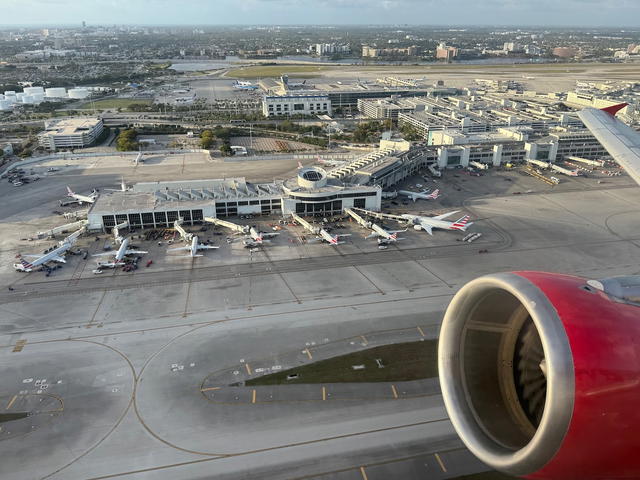
What flight attendant unions say about tipping
Flight attendant unions oppose the concept of flight attendants being tipped. As the Association of Flight Attendants (AFA) said in a statement a few years back:
“Tipping is not part of a Flight Attendant’s compensation for serving as aviation’s first responders. Flight Attendants are certified for our safety, health, and security work. Safety is not variable and therefore base compensation for a safety job cannot be variable.”
I’ve always found this perspective to be a bit odd:
- Unions overplay how flight attendants are aviation’s “first responders” — yes, flight attendants absolutely have important safety functions and should be respected for that, but the reality is that they spend a vast majority of their time on customer service, rather than dealing with emergency situations, and the two aren’t mutually exclusive
- It’s interesting how unions aren’t opposed to flight attendants being paid for credit card applications (via the inflight sales pitches), even though arguably it has a similar impact to allowing tipping
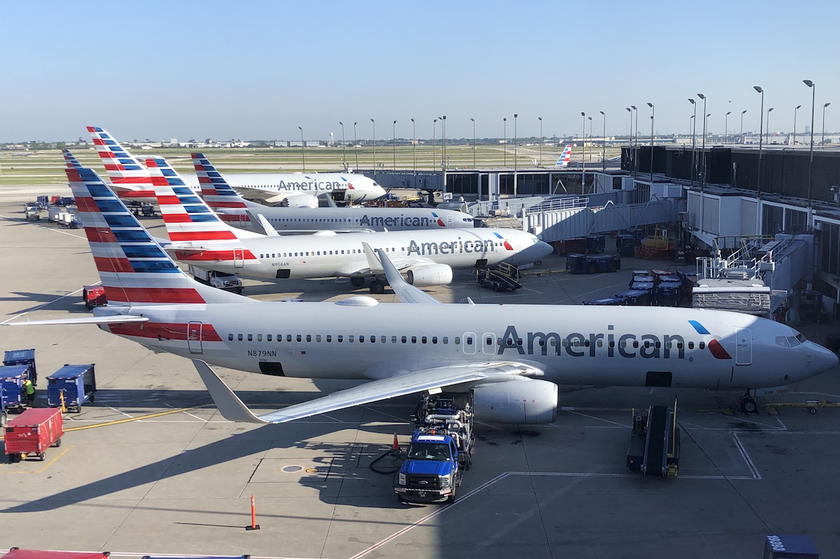
Are flight attendants allowed to accept tips?
Even though there’s no expectation for flight attendants to receive tips, a surprising number of passengers do still try to tip flight attendants. That’s not to say it happens on every flight, but rather that most flight attendants have been offered a tip from a passenger at some point or another in their career.
Most major airlines have policies against flight attendants accepting tips. Other airlines (like Southwest) discourage tips, but state that if a passenger insists on it, a flight attendant is allowed to accept a tip.
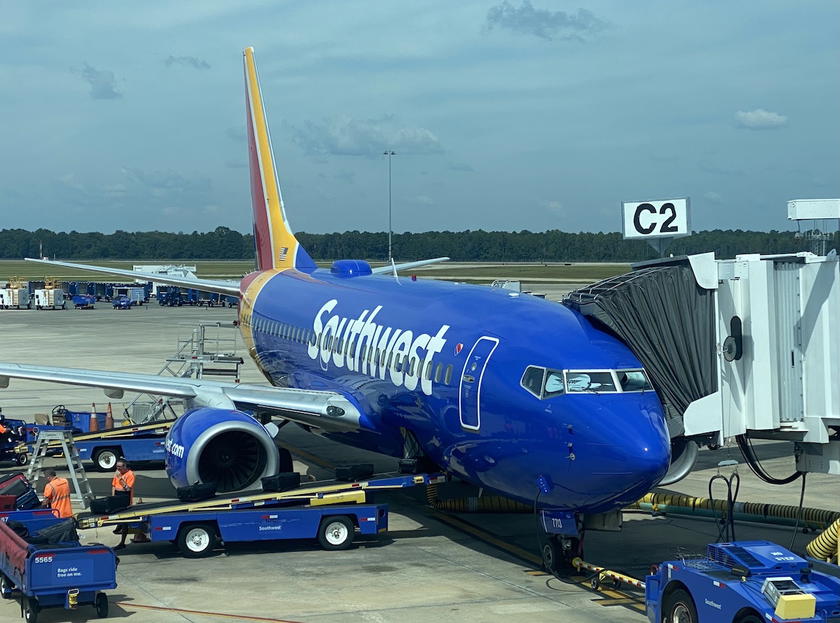
How you can show gratitude to flight attendants
There are a few ways to show gratitude to a flight attendant that don’t involve tipping:
- You can simply thank them for the great service, and tell them how much you appreciate it
- You can write a nice note to the airline complimenting an employee, and you do so via Twitter or email
- Elite members at airlines are often given “job well done” certificates, which they can give to employees that go above and beyond
If you do want to provide a more tangible gesture to a flight attendant, generally a non-cash gift would be better received and less controversial than a cash gift. This could be a Starbucks gift card or a box of chocolates (assuming it’s sealed).
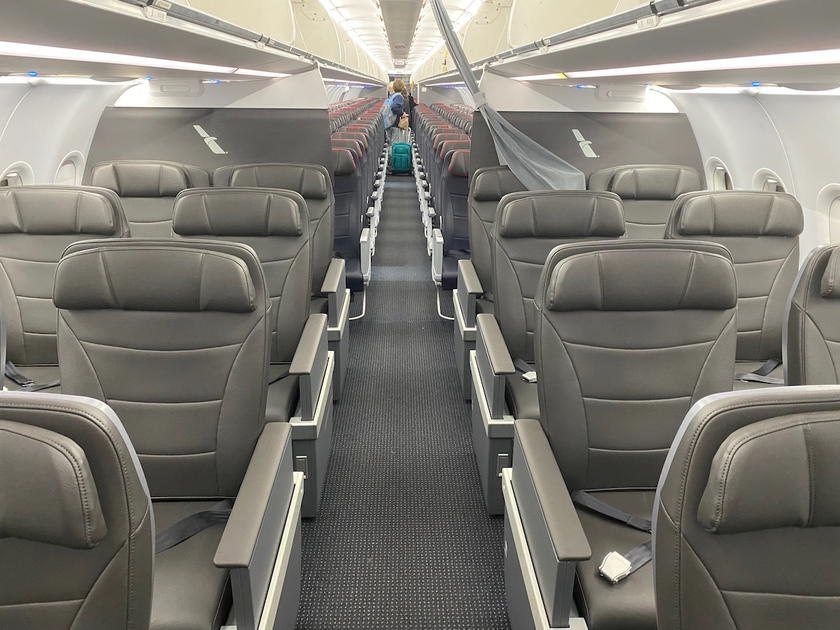
The one airline that asks for flight attendant tips
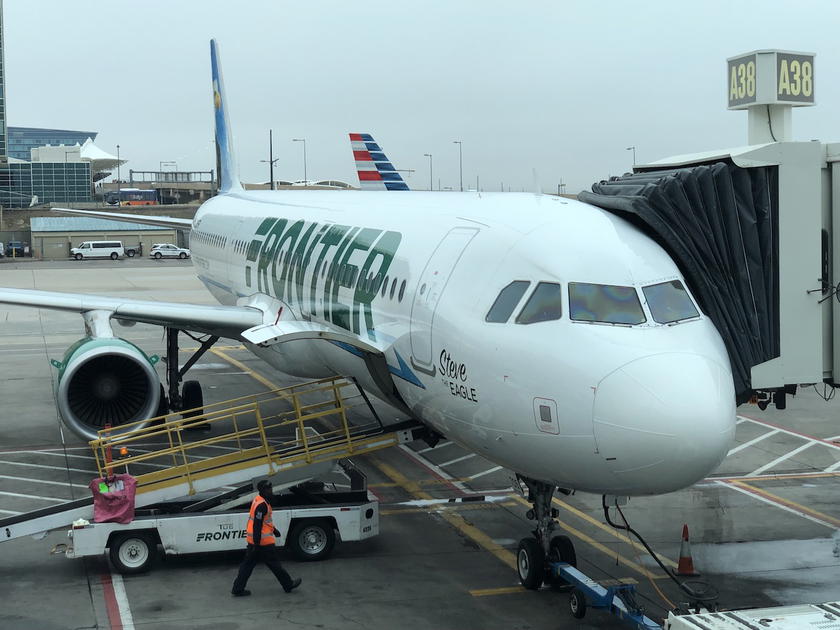
It’s worth noting that there’s one exception to the “no tipping” rule. Frontier Airlines actively encourages passengers to tip, unlike virtually every other airline in the world. The ultra low cost carrier charges for food & drinks, and when you pay by credit card you’ll be handed the card processing machine and will be given the option to tip, as a percentage of the purchase amount.
As a Frontier Airlines spokesperson describes the company’s policy:
“We appreciate the great work of our flight attendants and know that our customers do as well. Tipping is entirely at the customer’s discretion, and many do it.”
Admittedly this confuses a lot of passengers:
- On the one hand, if you’re in the United States, you’re asked to tip, and you’re being provided a service, many may feel cheap not tipping
- On the other hand, even Frontier Airlines’ flight attendant union opposes tipping, claiming that the airline does this in lieu of paying flight attendants better
Is it rational that we don’t tip flight attendants?
I’m by no means trying to start a campaign to start tipping flight attendants, but I think this is an interesting topic to discuss in the context of the tipping culture in the United States.
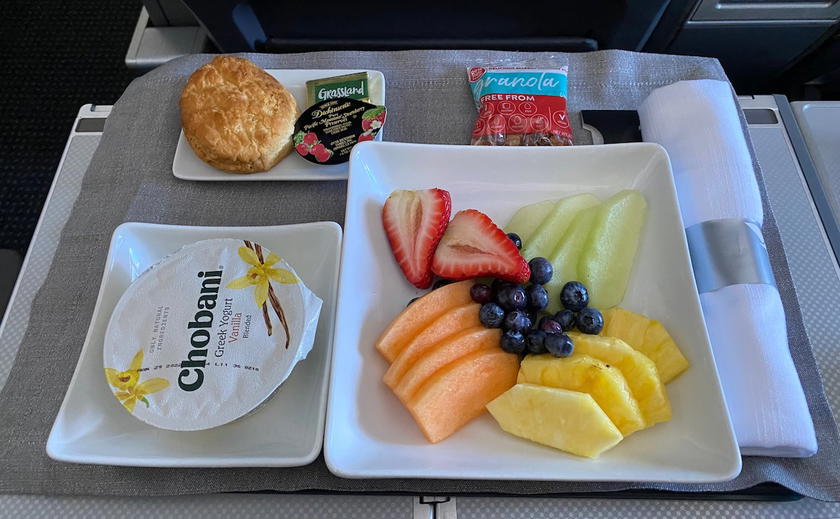
At least in domestic first class, you might have someone looking after you for five hours, serving you a meal, constantly refilling your drinks, etc. Perhaps aside from a hospital, this is just about the only context in which you get this kind of service and aren’t expected to tip.
Yet all too often, people complain about the level of service provided by flight attendants (I’m not saying that’s right, just saying that’s what you hear a lot). What standards can we really have when flight attendants are primarily judged based on their seniority number, and get no real additional pay for providing premium service vs. working economy?
Service in restaurants in the United States is generally much more attentive than in Europe, and presumably that’s at least partly because servers are primarily compensated with tips. Now, I’m not saying that’s what should happen with flight attendants, but surely the service culture would be different if there were a variable pay element that reflects the level of service provided?
Again, I’m not suggesting we should see any policy changes here, but rather I’m just pointing out that many people aren’t pleased with the level of service provided by flight attendants, and this is also one of the few service industry jobs in the United States where there’s no tipping. I imagine that’s not a coincidence.
Bottom line
No, you shouldn’t tip flight attendants, except on Frontier, where you have the option of doing so. In general both airline unions and airline management oppose the practice of tipping, which seems to be one of the few things they can agree on. 😉 There are other ways to show your gratitude, like writing a note complimenting a flight attendant that goes above and beyond.
What’s your take on flight attendant tipping?


Membership is free and takes no more information than commenting as a guest. Earn status points for good contributions, and see fewer ads as your status grows.