
I’ve been an aviation geek since I was a little kid, and this industry is my passion. I’m grateful that I get to make a living covering this industry, without actually having to work directly in it. It’s an impossible, cyclical industry, and it requires a high level of masochism and passion to spend your career actually working in the airline industry.
With that in mind, I thought it would be fun to discuss something entirely theoretical. If I had to launch a US airline startup, what would I do? I feel like I have a unique, reverse engineered concept that no one has actually tried, reflecting how the industry has evolved. People might not agree with me on all parts of it, but I think most people will see merit to at least some of the ideas.
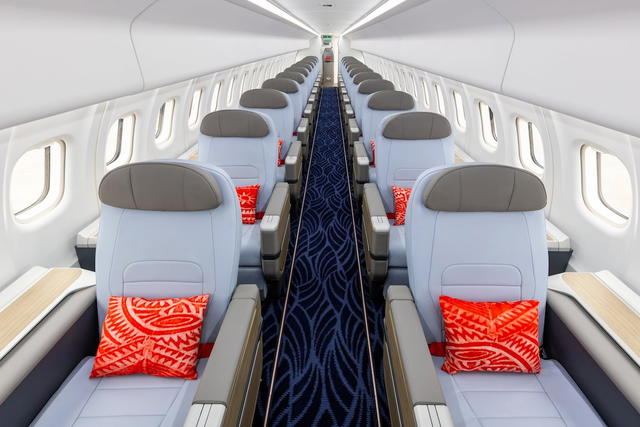
Why many US airline startups struggle
Let me start by saying that I’d never want to start an airline, because I’m not that bad at math. 😉 I think Richard Branson had it right when he said “the easiest way to become a millionaire is to start as a billionaire and then start an airline.”
I also don’t like to waste other peoples’ money, and would want to treat it just like my own. If you’re going to invest in an airline startup, I tend to think you have better odds just going to the casino and playing roulette.
Despite that, over time, we see a countless number of airline startups. This is presumably fueled by a combination of passion, plus seeing an opportunity to get up to a high valuation fast, and then sell, at a high point in the cycle.
The reality is that the US airline industry is hard to break into. It’s dominated by the “big four” US carriers (American, Delta, Southwest, and United). Some of these airlines have been flying in one form or another for 100 years, and are the combination of endless mergers. They’ve only been able to build up their presence in markets through decades of persistence.
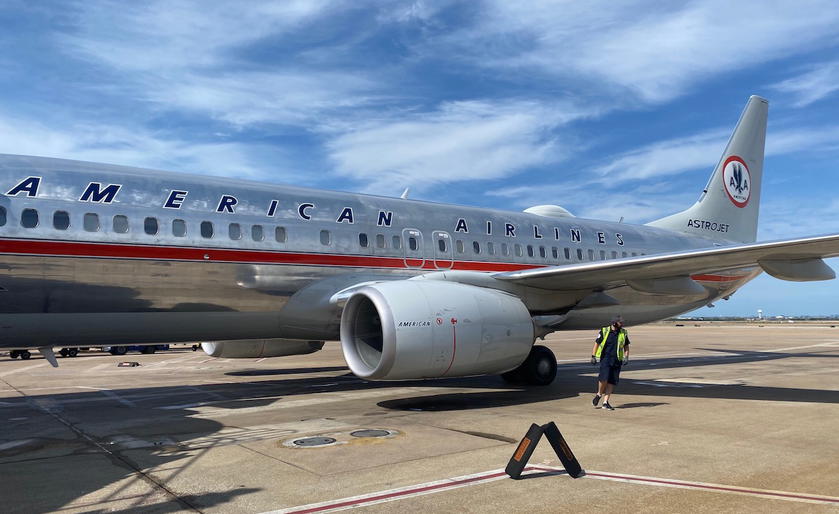
Yes, you have some other smaller players, but for the most part, they struggle to find their place in the market. I also think this is an especially tough time to break into the industry, as I’d argue that we’re reaching the point of overcapacity.
What’s interesting is that virtually every US airline startup in recent times has the same general concept — operate in underserved markets, with a budget model, competing on price. The problem is that when you look at how the industry has evolved, that’s not exactly a successful model anymore:
- The low cost business model is largely reliant on continued growth to keep labor costs down and avoid everyone being at the top of the pay scale, and the US is already a pretty mature market, so there are only so many growth opportunities
- Ultimately if you’re just competing on cost, you’re leaving yourself very exposed to competitive responses from major airlines, which have the ability to capacity dump and offer basic economy to compete, since much of their profits come from loyalty programs
- In order to make good profits from co-branded credit cards, you need scale, or at least need an affluent customer base
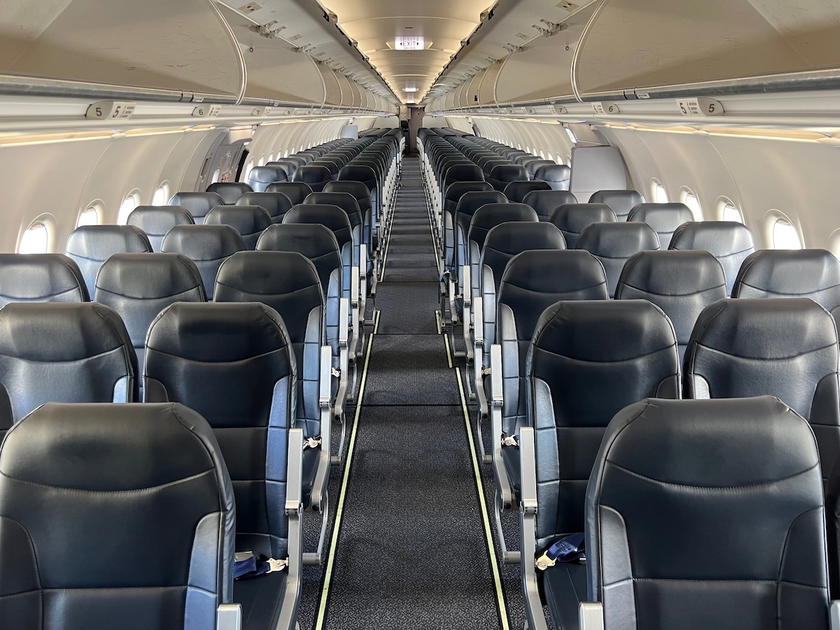
- We’ve increasingly seen airlines shift to larger aircraft, which is great in terms of the incremental per seat cost of those extra seats, but the problem is that actually filling those seats isn’t easy, especially if you’re trying to enter underserved markets
At this point, I think Allegiant Air is one of the only budget airlines that has a model that works semi-well. The airline flies under the radar and carves out niches that other airlines wouldn’t bother competing in, like flights from Flint to Destin. But this whole model of Frontier and Spirit taking on the legacies at their hubs is just a recipe for failure, and their numbers reflect that.
What I’d focus on with a US airline startup
If I were to start a US airline, I’d focus on several key trends, which all too many airline startups are ignoring:
- I think the trend toward more premium leisure travel demand is here to stay; that ranges from an increase in demand for premium economy, to an increase in demand for private jet travel
- For an airline to be successful, it needs to have the ability to generate outsized loyalty program revenue, so I would reverse engineer the airline concept around the loyalty program, and how that could contribute to the bottom line
- I don’t think the concept of all-business class airlines is ideal, because it carves out too narrow of a market; you need to go after a wider demographic both to cover costs, and to create upsell opportunities, because being able to generate ancillary revenue (and even sell upgrades) is key to success
- I think all too often, airline startups are focused on the cost side rather than the revenue side; while cost control is important, the only way to succeed and compete is to do well on the revenue front as well
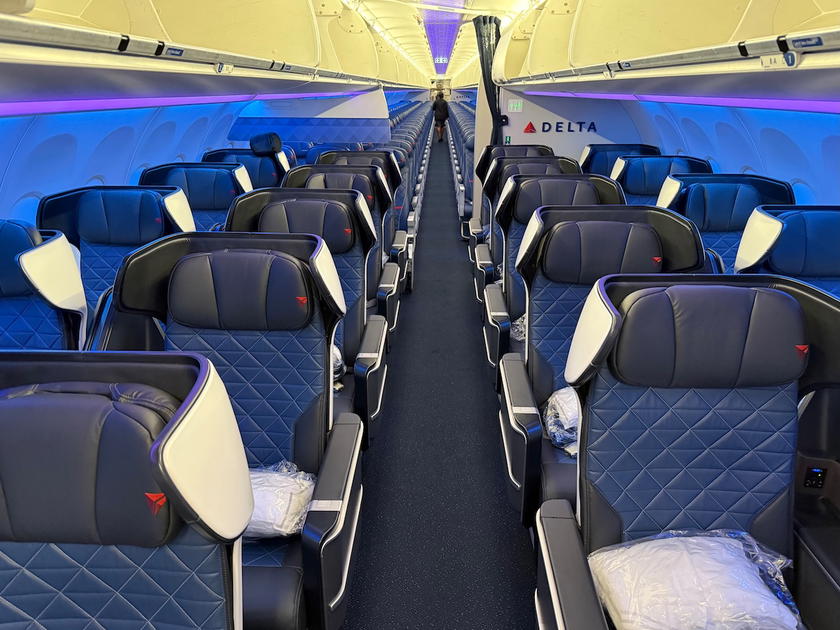
My premium US airline startup idea
Again, let me emphasize that I don’t think this is the ideal time in the cycle to start an airline, as I think the industry currently has too much capacity. However, I think this is a concept that’s unique (no other startup has tried this), and I also think it would likely work out better than the other budget concepts we’ve seen.
The idea would be to go upmarket compared to anything else we currently see in the United States. I’d split the fleet between the Airbus A321neo family and the Airbus A220-300. Or depending on the state of the used aircraft market, maybe I’d go the route of acquiring used A320-family jets instead, because what ultimately matters to passengers is what the interiors are like.
The idea is to operate in premium markets (popular with both business and leisure travelers), but with a higher quality product than you’ll otherwise find in the US, and with more upsell opportunities. I’m not going to make this a 100-page business plan, but let me emphasize a few of the areas where I’d innovate.
Planes in a three-cabin configuration
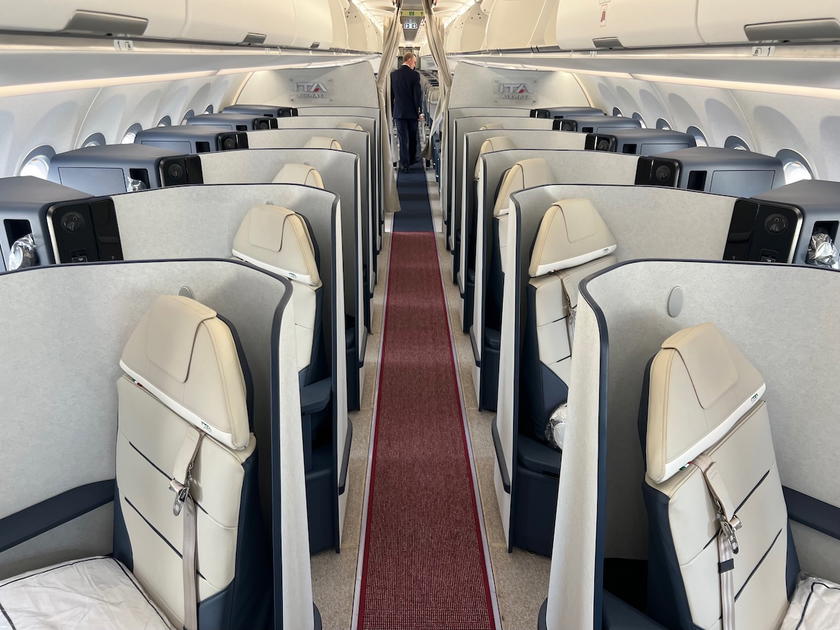
At least for the bigger A321neo-style aircraft, I’d introduce a three-cabin layout. We’re talking a small economy cabin, a business class product comparable to domestic first class (or international premium economy), and then a first class product comparable to long haul business class. Think something along the lines of ITA Airways’ A321neo, except in an even more premium layout.
Why would I go for the three cabin layout? The first reason is because as planes get bigger and more fuel efficient, you have more real estate to play with. The problem with just cramming in more seats is that there’s only so much demand in markets. So it’s great that Frontier and Spirit have A321neos with around 230 seats, but if you can’t consistently fill them, that’s a total waste… you’re just flying around empty seats, rather than efficiently monetizing the cabin.
I’d take the opposite approach. Don’t have so many seats, but find ways to monetize them as much as possible. And by creating a three-cabin layout, you have a lot of opportunities for people to move up one or two cabins. That brings me to the monetization aspect of that…
View points as a core part of the business model
The US airline industry has transformed to the point that a large percentage of the profits at the major airlines come from their lucrative credit card agreements. Yet ironically, airline startups largely don’t seem to tap into that at all, partly because of where in the market they’re positioned.
What I think airlines often underestimate is that peoples’ willingness to pay might be different in points vs. cash, even if you were to place a value on those points. So I’d try to partner with all major transferable points currencies, and actually take a straightforward approach to monetizing flights and upgrades.
For example, say you have transferable points, and you want to fly a premium cabin from New York to Los Angeles. What are your straightforward options for redeeming? Honestly, to the average consumer, it’s mystifyingly confusing, and options are quite limited.
Ultimately airlines aren’t that creative in this area because their premium cabins are typically pretty small, and their goal is to not cannibalize revenue. But what if you were to reverse engineer that, and make upgrades more straightforward?
For example, say you book an economy ticket on a transcontinental flight, and then you let people redeem 25,000 points to upgrade one cabin, or transfer 50,000 points to upgrade two cabins. The math on that would very much start to work out, especially if you scale it in terms of the number of seats.
The world of people with points isn’t some small niche. There are trillions of points in circulation, with people looking for great experiences, but not sure how to redeem them. That should be a more core part of the business model, if you ask me.
Provide a differentiated soft product
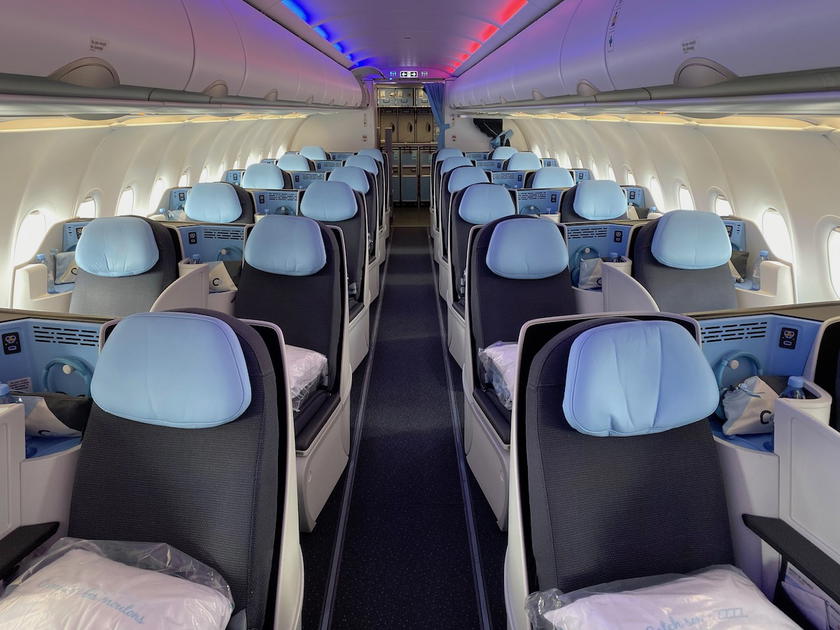
Sure, US airlines have generally upped their game in terms of inflight entertainment, Wi-Fi, etc. However, beyond that, there’s really not much differentiation in terms of the onboard product. That’s because airlines don’t have much of an incentive to rock the boat.
It’s the same reason that intra-Europe business class is typically just economy with a blocked middle — it’s a subpar product, but there’s no incentive for any major airline to change that.
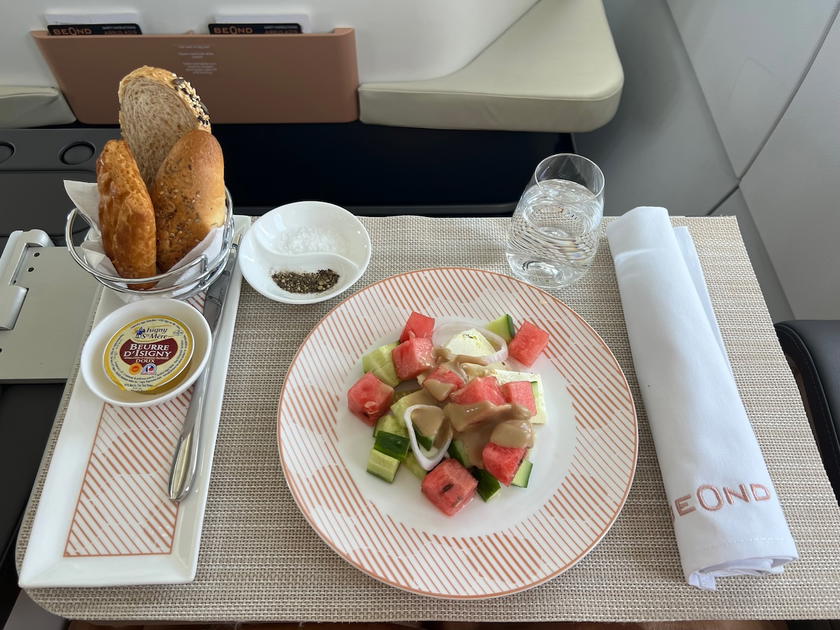
With that in mind, I don’t think it takes much to “wow” people in terms of the onboard product, and to truly stand out as a luxury market leader. I feel like given how high airline operating costs are, many airlines just give up when it comes to investing an extra $10-20 per premium passenger to make an experience truly special. We’re talking things like proper cocktails, a meal that actually looks nice and taste good, and stuff like that.
Obviously there are also lots of challenges
I have a lot more thoughts on this concept (potential destinations, etc.), but I’m going to leave it at this for now. Let me once again emphasize that I’m not suggesting this would be some massive money making enterprise, especially with current market dynamics.
My point is simply to say that I think this is a unique concept, and that it has more upside than what we’re seeing at other startups. I do think that if someone wants to start a US airline (for whatever reason), at this point, premium is the direction to go.
Airline startups don’t do enough to reflect the reality that you can’t sustainably undercut the major carriers on price, you have to lean into loyalty program revenue more, and as planes get larger and more fuel efficient, there are ways to efficiently utilize that real estate, other than just cramming in as many seats as possible (some of which will only rarely be filled).
Heck, if anything, I think moving in this direction would be the pivot that JetBlue needs, given the markets that it operates in, with hubs in New York and Boston.
Bottom line
We haven’t actually seen much innovation when it comes to the business models used by airline startups, especially in the US. While it’s hard for any airline to break into the market, I think there’s something to be said for launching a premium airline that actually reflects how the industry has evolved, in terms of consumer demand and monetization.
People might not agree with all of my points, but I think there’s merit to at least some of them…


Membership is free and takes no more information than commenting as a guest. Earn status points for good contributions, and see fewer ads as your status grows.