
Airline loyalty programs have become huge businesses, especially with the increasing ability to monetize them. Over the years, these programs have gone from a cost center to a massive profit center, at least for many airlines.
We frequently we see airlines devalue their frequent flyer programs over time, and the trend is toward rewarding those business travelers who spend the most, while making these programs less lucrative for leisure travelers, who might be booking less expensive tickets.
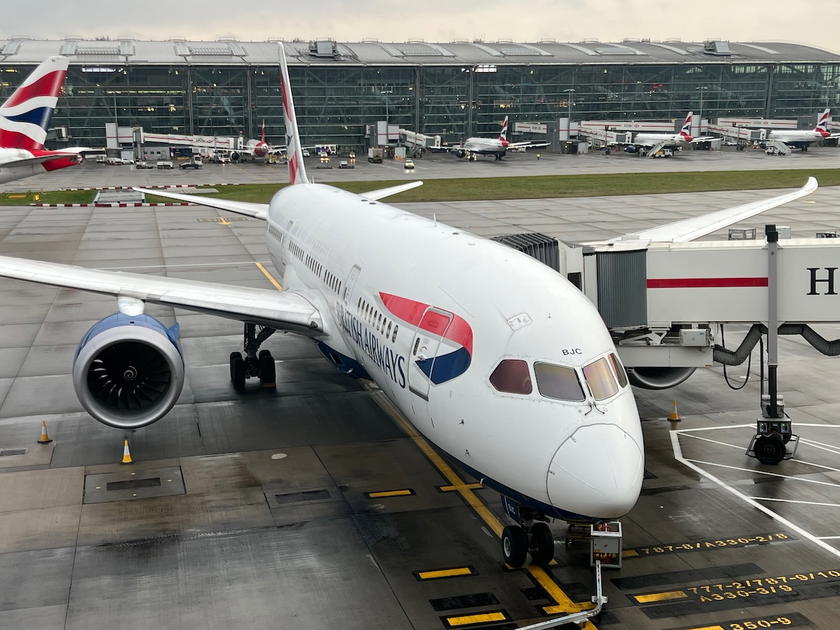
For example, we’ve just seen British Airways announce major changes to its loyalty program, whereby earning status will be tied directly to spending. Most consider these changes to be horrible, as the program will become a lot less rewarding. However, I also see some people say “great, this makes perfect sense, since it’s the highest revenue flyers who should be benefiting from airline loyalty programs.”
Strictly from the perspective of maximizing profitably, I strongly disagree with that sentiment. Call it a hot take, if you’d like, but let me explain why…
Airlines are very low margin businesses
The first thing that can’t me emphasized enough is how low margin the airline industry is, even during the best of times. For example, Delta is the world’s most profitable airline, and in the first half of 2024, the airline (sort of) lost money actually flying passengers.
Delta’s passenger revenue per available seat mile was 17.81 cents, while Delta’s cost per available seat mile was 19.63 cents. So strictly from a passenger revenue standpoint, the carrier’s costs were around 10% higher than passenger revenue.
In the end, Delta’s total revenue per available seat mile was 21.69 cents, for a healthy margin of around 10%. So, where does that extra revenue come from? While cargo factors into it, the single biggest source of profitability there is the loyalty program.
What’s my point in saying this? Of course airlines need the customers who are booking their most expensive tickets. But you know what else they need? The people who are booking cheaper tickets as well:
- On some level, you have to view airline costs and revenue on an incremental basis; yes, the traveler who books the last minute business class ticket for $5,000 is important to the airline, but so are the 10 people who book a last minute $500 basic economy ticket, especially in seats that would otherwise be empty (like across the Atlantic on most routes in winter)
- Generally speaking, the lower fare a passenger is, the lower the opportunity cost is of carrying them; it’s possible the airline could’ve sold that last expensive business class seat to someone else, while it’s likely a last minute basic economy ticket that’s for sale might’ve otherwise gone out empty
- As airlines increasingly move to flying larger and more fuel efficient narrow body jets (like the A321neo and 737 MAX 9), they have more seats to fill, and the incremental trip costs for those extra seats are incredibly low
For airlines, the cents really make the dollars. The reason I say this is because even the most profitable airline can’t afford to just take passengers on cheaper fares for granted. Airlines need those passengers to turn a profit, and those passengers also have a lot of choices as to which airline they’ll fly.
Let me take it a step further — trying to poach low fare passengers from ultra low cost carriers has proven incredibly profitable for US airlines. For example, Spirit used to be one of the highest margin airlines in the US, and is now in bankruptcy protection.
But as the legacy carriers increasingly leaned into basic economy, it has helped not only improve their direct profitability from carrying passengers, but it’s also an opportunity to get more people engaged in the loyalty program, selling them credit cards.
Airlines should incentivize, not reward
Maybe it’s semantics, but just practically speaking, airline loyalty programs are designed to incentivize travelers to engage in profitable behavior, and not simply to reward passengers for something they’d do anyway. Most airlines are publicly traded, for-profit companies, so my point is simply to say that airlines aren’t charities (even if their balance sheets often suggest otherwise).
So I think the wrong way to frame an airline loyalty program is to essentially say that the highest fare passengers are the only ones who should be significantly rewarded, while everyone else should get table scraps.
If someone books a $10,000 business class ticket, to what extent is their purchase decision driven by the loyalty program, rather than by the schedule and route? In a vast majority of cases, I’d assume the motivation is primarily not the loyalty program.
Similarly, if someone is a business traveler and their company has a major corporate contract with an airline, with no personal control over which airline they fly, what’s really being gained by disproportionately rewarding those people?
Getting back to British Airways, let me pose this question. Which of the following two travelers do you think is more likely to change their behavior because of changes to a loyalty program?
- A London-based business traveler who spends $50,000 per year on the airline, where their company either has a major corporate contract with for the airline, or where British Airways is the only airline that operates in the markets they need
- An Amsterdam-based leisure traveler who spends $15,000 per year on the airline, and who chooses to fly the airline over competitors, even when it’s a little more expensive

Loyalty programs make us act irrationally
One of the things that’s so brilliant about airline loyalty programs is that they make us act irrationally. For example, if you look at elite status with the major US carriers, what do the perks actually cost airlines?
- You’re given the illusion that you have a shot at an upgrade, when in reality, odds are that you won’t actually clear, since airlines sell a vast majority of these seats
- You’re given access to a lounge, where the incremental cost of admitting another passenger is very low
- I’d almost view the main cost of elite status to an airline being the potential lost revenue that people may otherwise spend on extra legroom seats, should their elite status give them access to that seating
Going back to British Airways massively hiking the requirements to earn status:
- Those who are constantly paying for first and business class already get lounge access, so really aren’t getting much incrementally for earning status, and therefore might not be swayed as much as a leisure traveler who controls their own plans
- Travelers can continue to earn oneworld elite status with other programs, and continue to use British Airways’ lounges, so it’s not like this is going to suddenly make British Airways’ lounges quiet
Of course airlines need to find the right balance, but I really think British Airways took it too far here. I mean, £20,000 needs to spent to earn Gold status? There are plenty of people who previously earned that status for a tiny of fraction of that amount. And what are people really getting in return for such a big investment?
Bottom line
Airlines of course love passengers who spend the most on tickets, just outright booking first and business class with little regard for the price. However, those aren’t necessarily the passengers who will be most swayed by loyalty programs.
The goal of airline loyalty programs should be to incentivize business to the airline. Given how absurdly low margin the airline industry is, airlines can’t afford to even take your average leisure traveler for granted. They make up an important revenue stream for the airline, and for that matter, they’re also the travelers who can often be most easily swayed by these programs.
What kind of travelers do you think airline loyalty programs should be most focused on?


Membership is free and takes no more information than commenting as a guest. Earn status points for good contributions, and see fewer ads as your status grows.