
Want to take advantage of Virtuoso benefits at no extra cost, including a room upgrade, free breakfast, a hotel credit, and more? Contact Ford ([email protected]) for more details. He doesn’t charge booking fees, and may even be able to help if you already have a stay booked.
In recent times, I’ve been writing a series about some of the world’s small luxury hotel groups, including Airelles, BVLGARI, Capella, Cheval Blanc, Oetker, One&Only, Ritz-Carlton Reserve, etc. I’ve also started writing my takes on some of the bigger hotel groups, from EDITION to Four Seasons.
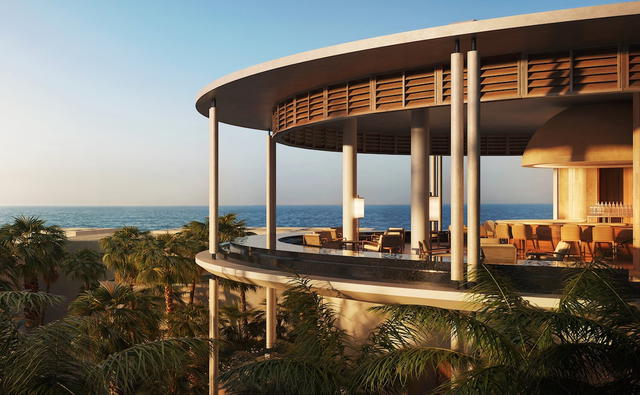
People seem to be enjoying this series, and it’s nice to compare notes and impressions, so let’s continue. In this post, I thought it would be fun to talk about Aman Resorts, a brand I have very strong feelings about. Aman is unarguably one of the world’s most well regarded hospitality brands, and currently has around 35 properties.
So what sets it apart, and is it all that it’s cracked up to be? Let me share my take, and then I’d of course love to hear what others think. In order to understand Aman, it’s important to cover the brand’s history, because it also shapes how I feel about the company today.
Aman’s founder, Adrian Zecha, is a hospitality legend
The Aman brand was founded in 1988 by Adrian Zecha, who I’d argue is one of the most passionate and brilliant people the hospitality industry has ever seen. To understand the essence of what Aman was intended to be, you need to understand Zecha.
Zecha was born into a well-off Indonesian family (which I mention because I’m not trying to create some fake, rags-to-riches narrative), and went to school in the United States. He started his career as a journalist, initially working at Time magazine, before launching Asia Magazine in 1961 (which remained in print until 1998).
Zecha’s entry into the hotel business only started in the 1970s, when he was asked by a friend to help Marriott broker land deals in Asia. It’s ironic that he started his hospitality career at Marriott, given that Aman is kind of the anti-Marriott of hotel groups… I digress. He was part of a team that ultimately founded Regent Hotels, and he stayed involved until the brand grew to 12 properties, at which point he sold his stake for a healthy profit.
Zecha wanted to build a vacation home in Phuket, Thailand, and he stumbled upon a great piece of land. While the plan was initially to build a home there, he ended up deciding to instead build a boutique luxury hotel, given his passion for the industry.
The 40-room property opened in 1988, and that became known as Amanpuri, the brand’s first property. The brand grew from there, with the 1989 opening of Amandari, in Bali, Indonesia.
Zecha founded Aman with a simple philosophy, which was to create resorts that feel more like you’re in someone’s home. The brand was always about creating peaceful sanctuaries (in Sanskrit, “Aman” means “peace”), and Zecha has always believed that less is more. So he was never about opulent luxury, and quite to the contrary, found that to be off-putting.
While I’ll talk more about the Aman guest experience in a bit, my point is to say that Aman really took a unique approach to hospitality that you wouldn’t find at any other brand. The other thing about Aman was that Zecha sought out unique properties, many of which were off the beaten path. Sure, Phuket and Bali aren’t exactly unheard of places (even decades ago), but Aman has resorts in all kinds of other incredible areas.
While Aman was run as a business under Zecha’s leadership, it always felt like profits were secondary to him executing a vision he took pride in. Aman properties have always been pricey, but going back 10-15 years, Aman was such a unique brand in terms of its guest profile.
The properties weren’t just full of rich people trying to keep up with their social circle. Quite to the contrary, many of the loyalest Aman fans (referred to as “Amanjunkies”) were upper middle class people who would splurge on the Aman experience, because it was that special.
Staying at an Aman was truly a peak experience in life, and they’d rather spend money on that than other things in life. Back then, Aman had little name recognition, so people stayed at Aman properties specifically because they loved the experience and because they were in the know, rather than because it was the cool place to stay. That was refreshing to see.
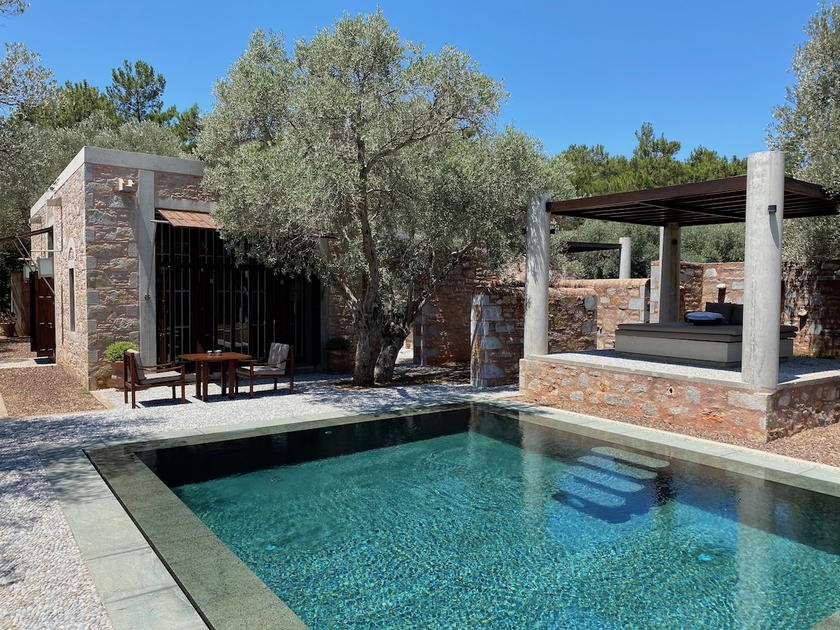
Aman has gone more mainstream & profit focused
Zecha ultimately sold his stake in Aman in 2014, and stepped down as chairman (he was in his 80s at the time). The company was sold for $358 million to its current owner.
Most investors acquire companies with the goal of maximizing their return on investment, and I think that’s exactly what has happened at Aman over the past decade plus. There’s nothing wrong with that, but in terms of the brand moving forward, it definitely feels like the company has deviated quite a bit from Zecha’s initial vision. The reality is that all the classic Aman properties are still there, and are still exceptional. But a lot has changed.
First, the pipeline of new properties has completely shifted. While Zecha was so heavily focused on the outdoors and secluded resorts, the current owners are no doubt trying to cash in on Aman’s increasing popularity:
- We’ve seen Aman open properties in New York and Bangkok, and there are properties in the pipeline in Beverly Hills, Los Cabos, Miami, Singapore, etc.
- We’re increasingly seeing Aman projects include both residences and membership clubs, so the owners obviously want more ways to monetize these properties
- The owners have done a great job putting Aman on the map, because it’s now a “cool” brand, so it’s very much the brand to stay at if you’re rich and want to “keep up,” and the pricing of Amans also reflects that
Look, I totally get it, who wouldn’t want to maximize their return on investment? Good for them. But for those who loved the initial Aman concept, it’s sad to see that the old Aman is sort of dead, as we know it, in terms of the growth of the pipeline, the clientele, and it almost being an anti-pretentious brand.
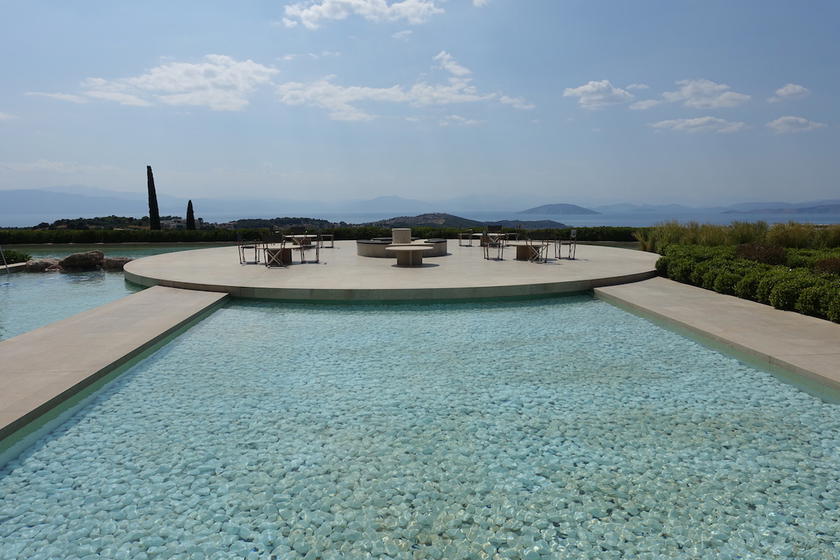
What sets Aman apart from the competition
With all of that out of the way, what makes Aman special? I’ll admit that I haven’t stayed at an Aman property since before the pandemic, though I have stayed at well over a dozen Aman properties over the years. Broadly speaking, here’s what I love about the Aman brand:
- The properties are boutique, with a low room count, so these aren’t mega resorts
- The design is simple yet elegant, where you really feel like you’re staying in someone’s home, rather than at a huge resort
- Aman offers incredibly personalized, intuitive, and proactive service; for example, some properties refresh rooms several times per day, you don’t have to sign for anything on property, and you’re never asked for your room number
- Aman has passionate employees who dedicate their lives to hospitality, and they’re probably the biggest asset to the brand
- Aman does a phenomenal job integrating the local culture into its properties, and tries to be part of the communities in which it has properties; so Aman properties often have cultural experiences you wouldn’t typically find at an international hotel group
- In the markets where Aman has properties, the brand is typically the best option in town
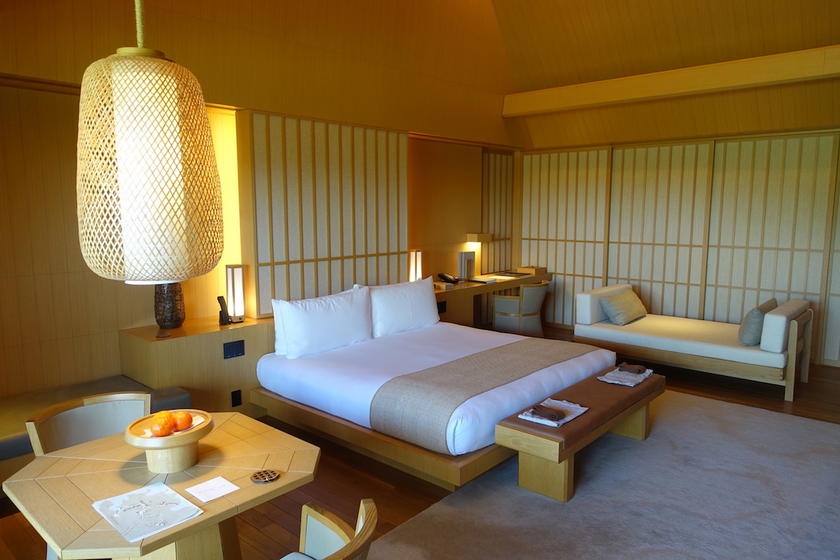
To share some takes on Aman’s various properties, I’d say the brand is strongest in Asia:
- Aman Tokyo is arguably Tokyo’s best hotel, and it’s the perfect place for Aman to have a city hotel, given Tokyo’s peaceful yet bustling vibe
- Amanpuri in Phuket (Aman’s first property) and Amanpulo in the Philippines (located on a private island) are regarded by many people to be two of Aman’s best resorts
- Amandari and Amankila in Bali are great properties, and pair very nicely, as they have different settings
- Amantaka in Laos and Amansara in Cambodia are arguably the two best properties in those two countries, so they’re lovely bases from which to explore the area
- Amankora in Bhutan is awesome, and Bhutan is such a cool place to visit in general
Meanwhile here’s my take on some properties outside of Asia:
- In the United States, Amangiri in Utah is spectacular (though eye-wateringly expensive), while Aman New York is well regarded, but I still can’t wrap my head around the concept of an Aman in New York City
- In the Caribbean, many people regard Amanyara in the Turks & Caicos as one of the best resorts in the region
- In Europe, Amanzoe in Greece is stunning (but also very expensive, given that it’s in Porto Heli), and Aman Venice is one of the city’s best hotels
Best way to book Aman properties with extra perks
Aman doesn’t have a loyalty program, but all of the brand’s properties participate in Virtuoso and similar preferred partner and credit card programs. Booking through those channels usually includes:
- Daily breakfast for two
- A room upgrade, if available
- A resort or spa credit, typically $100 per stay
- Early check-in and late check-out, if available
Given the rates, it’s worth booking through a program that offers these benefits. So whether you book through a premium credit card program or a travel advisor affiliated with Virtuoso, this is the best way to book these properties.
One thing worth noting is that travel advisors can typically combine these perks with any published rate, and not just the flexible rate. This includes the advance purchase rate, any free night offers, etc. Ford and his team are happy to help with Aman requests, and can be reached at [email protected].
If you do want to research and book Aman Virtuoso rates directly, there is one way to do that. Specifically, the TravelWits portal lets you book Aman stays with Virtuoso perks directly.
You’re still booking through a specific travel advisor’s platform, but it’s great to be able to compare rates. These portals do have to be password protected, so if you’d like to use Ford Beckett Travel’s portal, you need to email [email protected] to request the password. From there, you can easily book these reservations on your own.
Bottom line
Aman Resorts is no doubt an amazing hospitality brand. Adrian Zecha founded the brand, and he’s a total visionary in the industry, who truly understands what great hospitality is at its core. Over the years, the brand has evolved, and there’s no doubt that under current ownership, profit maximization is the goal. That’s fair enough, because that’s *checks notes* usually the reason people invest in businesses.
So while I’m not quite as hot on the Aman brand as I was under Zecha’s leadership, there’s no denying that Aman still has some spectacular resorts, and is one of the best hotel groups out there.
What’s your take on the Aman brand?


Membership is free and takes no more information than commenting as a guest. Earn status points for good contributions, and see fewer ads as your status grows.