
Consumers don’t often think about the economics of how hotels are reimbursed when loyalty program members redeem point for a stay. That brings us to an interesting post on Reddit, where a Hilton employee is asking if they should report their hotel to Hilton corporate for a fraudulent scheme they’re running to get paid more for award stays.
This is something we’ve seen time and time again over the years, and it sure seems to me like it should be easy enough for the hotel groups to spot and control.
How hotels fraudulently increase award reimbursement rates
I’ve written in the past about the economics of hotel points redemptions, and specifically, how hotels are paid when members redeem points. While the exact reimbursement policies differ by program, here’s the general concept:
- When a hotel isn’t full, the loyalty program compensates the hotel at a pre-determined rate that’s above the marginal cost of accommodating a guest, but hardly lucrative for the hotel
- When a hotel is full (think 95%+ occupancy, but the exact threshold varies), the loyalty program compensates the hotel at close to the average daily rate, in recognition of the fact that the room may have otherwise been sold to a guest paying with cash
In other words, if hotels have a lot of guests redeeming points, they also have a big incentive to have very high occupancy. I’m making up numbers here, but let’s use a 100-room hotel as an example, and let’s say the threshold to get higher reimbursement is 95% occupancy:
- If 20 rooms are booked with points and the hotel is at 94% occupancy, the hotel may only be reimbursed $50 per award room (so $1,000 total)
- If 20 rooms are booked with points and the hotel is at 95% occupancy, the hotel may be reimbursed $200 per award room (so $4,000 total)
As you can see, this can make a big difference in terms of economics. That brings us to an interesting Reddit post flagged by View from the Wing, where someone who claims to be a Hilton employee writes the following:
My hotel has been putting in fake reservations for the last few years during the summer months (June-August) if we are close to 95 percent occupancy but not quite there. They will ask night audit to check them in then 0 out the rate after the night audit is ran and checked them out. The purpose of these “threshold” reservations is to supposedly get Hilton to reimburse a higher amount for rooms staying on Hilton Honors points. They’ve been doing it for years is my understanding. Isn’t this fraud? Could it and should it be reported?
Occupancy “gaming” is a common hotel practice
Hotels belonging to major loyalty programs are focused on that 95% occupancy threshold (or whatever the magic number is for their hotel group), especially if they get a lot of award redemptions. There are lots of ways to legitimately increase occupancy at the last minute.
For example, maybe if a hotel is running occupancy just under 95%, they might discount rooms on the day of arrival significantly, or try to sell them through an online travel agency at a huge discount, just to get to the higher reimbursement level. That’s legitimate, and there’s nothing wrong with that.
However, what’s described above is of course fraud, and isn’t okay. It impacts the economics of the loyalty program, and also impacts members, since hotels with higher reimbursement rates will also cost a lot more when redeeming points (since redemption rates reflect costs to the program more than anything else).
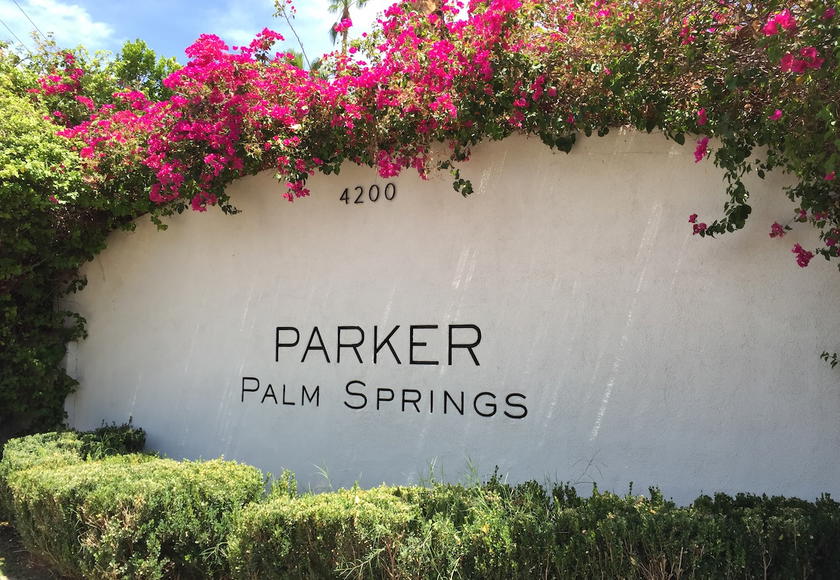
Perhaps the most public version of this case goes back to 2013, when Starwood sued Le Parker Meridien Palm Springs for fraudulent award reimbursement, as the hotel was accused of receiving over $1 million in fraudulent reimbursements, by falsifying records.
Both Le Parker Meridien New York and Palm Springs ended up leaving Starwood in 2017, in part due to the bad blood over this — Parker Palm Springs remains fully independent, while the New York property turned into the Thompson.
Quite honestly, I’m surprised that the major hotel groups don’t have more sophisticated systems to investigate this. After all, it seems easy enough to figure out which hotels just barely pass the 95% occupancy threshold regularly, and then see a lot of last minute bookings with folios that show a zero dollar rate.
It’s worth mentioning that reimbursement for award stays is a point of contention between hotel owners and the larger hotel groups nowadays, given the other ways that loyalty programs are centrally being monetized. The frustration is that points are no longer just issued as a reward for hotel stays, but increasingly, they’re being sold to banks and more. The hotel loyalty programs get the upside of that, while the individual hotels are stuck accommodating guests with very low reimbursement rates a majority of the time.
Bottom line
Reimbursement for hotel award stays is an interesting topic, since the amount that hotels are reimbursed differs widely based on occupancy levels. Hotels that have a large percentage of rooms booked with points have a huge incentive to get occupancy numbers higher, so they reach the maximum reimbursement thresholds.
There are legitimate ways hotels can increase occupancy at the last minute, like lowering rates or selling some rooms through online travel agencies at a steep discount. But then there are the illegitimate ways that’s sometimes done, like checking in fake guests. One Hilton employee is claiming that this is going on at their property, and they’re wondering if they should report that to Hilton corporate.
What do you make of this hotel award reimbursement occupancy threshold, and the games some hotels play?


Membership is free and takes no more information than commenting as a guest. Earn status points for good contributions, and see fewer ads as your status grows.