
In all my years of following the airline industry, this is the first time I ever recall seeing something like this.
Korean Air backtracks on Boeing 777 retrofit plans
In early August 2025, I covered how Korean Air announced plans to reconfigure 11 of its Boeing 777-300ERs, as part of a $216 million cabin overhaul program. With this, we were supposed to see major changes across cabins.
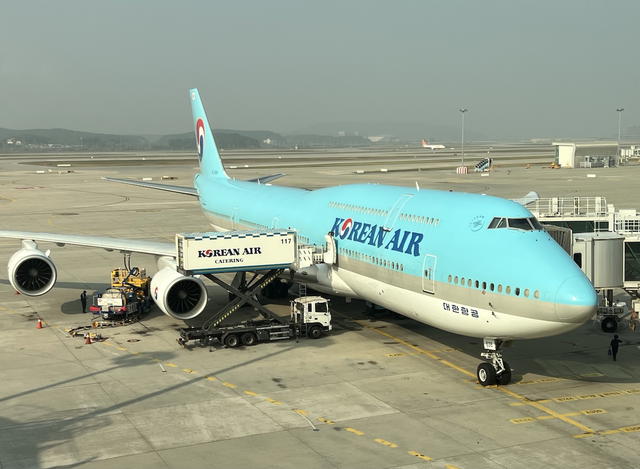
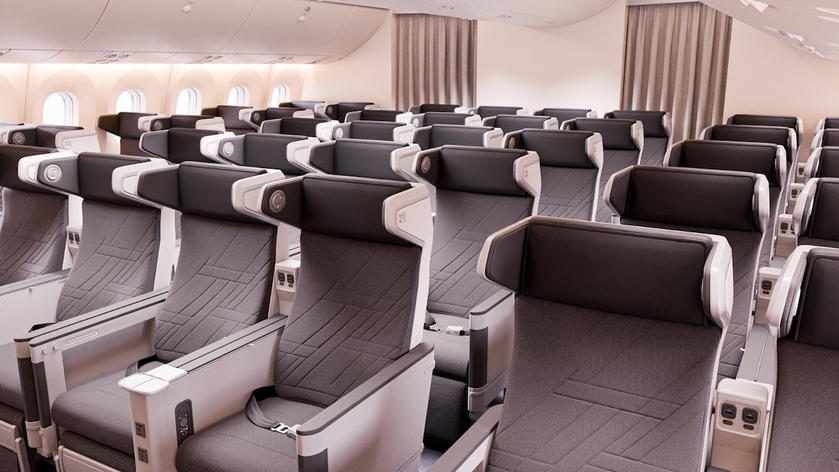
Korean Air was planning to remove the first class cabin, introduce a new business class product, add premium economy seats for the first time, and introduce a denser economy product. When it comes to economy, the plan was to go from a 3-3-3 configuration, to a 3-4-3 configuration (with the latter being the industry standard nowadays, and the former being exceptionally generous).
Korean Air has already retrofitted its first 777, but has now decided to scrap the economy retrofit for the rest of the fleet. The reason? Well, the airline received a lot of criticism from consumers for wanting to move to a tighter economy product.
It’s not just consumers who criticized the airline, though. Keep in mind that Korean Air recently completed its acquisition of Asiana, and the deal faced a lot of regulatory scrutiny. Korea’s government wanted to ensure that competition in the aviation sector remained strong, with one of the two full service global carriers in the country eliminated.
Korea’s Fair Trade Commission (FTC) warned that plans to introduce tighter seats in economy could violate conditions tied to Korean Air’s merger with Asiana, which included limits on fare increases, seat reductions, and changes to the frequent flyer program, in order to protect service quality. According to FTC Chair nominee Ju Biung-ghi:
“We will look not only at reduced seat dimensions, but also at broader concerns affecting consumer welfare. Should any breach of the corrective conditions be identified, a strong regulatory response will be necessary.”
So Korean Air has decided to maintain the 3-4-3 layout in economy on the one plane that has already been reconfigured, but then plans to retain the 3-3-3 layout on the remaining 10 planes that were supposed to be reconfigured. However, those planes will still be getting the remaining cabin overhauls, including new premium economy and business class.
I’m not even sure what to make of this reversal?
First of all, what a messy situation this is for Korean Air. New airplane seats have to be ordered a long time in advance, and presumably many of the tighter seats the airline was supposed to install have already been manufactured. What happens with those now? Can they be used on a different aircraft, can they be resold to another airline, or what?
Next, I’m confused whether moving to a tighter economy product actually violates the conditions the airline agreed to, or if Korean Air just wants to avoid bad press and scrutiny, given that the merger was just recently approved.
Korean Air has agreed to maintain its service quality through 2034, though specifically on 40 key routes where competition was a concern. Korean Air was going to then deploy these reconfigured 777s specifically on routes other than those 40, for this exact reason. In early August, a Korean Air spokesperson shared the following:
“We will comply with the corrective measures imposed by the Fair Trade Commission upon the merger. We are considering deploying the renewed aircraft on routes other than those subject to corrective measures among a total of 96 routes.”
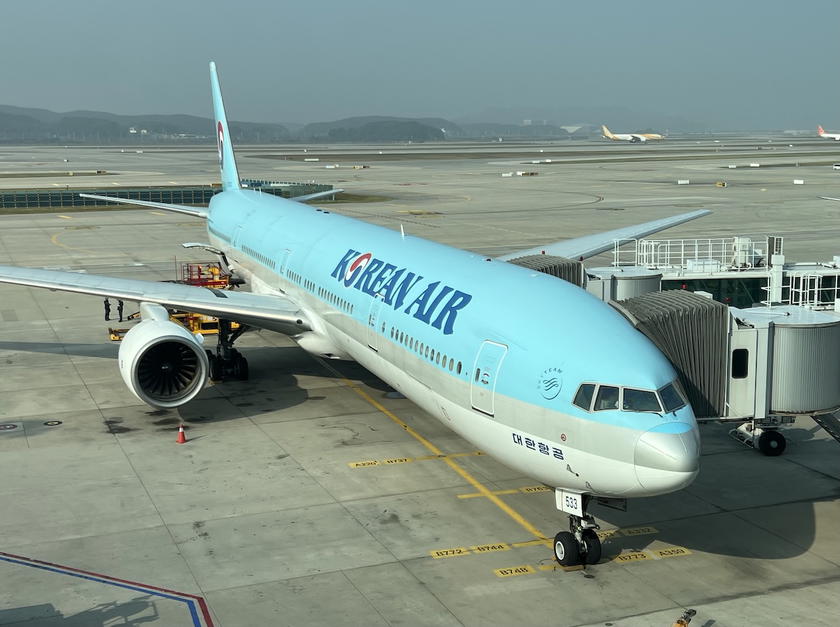
So yeah, I’m not sure why exactly the change of heart now? Korean Air has always been one of the more egalitarian Asian carriers out there. The carrier’s first and business class have been uncompetitive compared to the region’s top carriers, while its economy product has been superior. The 777s currently have a 3-3-3 configuration and 33″ of pitch, which is basically unheard of. I guess this is ultimately great news for consumers, unusual of a development as this may be.
Bottom line
Korean Air was planning on introducing tighter economy seats on a subfleet of its Boeing 777s, as part of a larger cabin overhaul project. The airline received quite a bit of backlash over these planned changes, and I guess the company ultimately gave in.
While the first plane has already been reconfigured, Korean Air has now scrapped plans to reconfigure its remaining 777s with tighter economy seats. Korean Air had to make quite a few concessions as part of its takeover of Asiana, but it seemed like these changes wouldn’t have violated that… but now there’s concern that they would’ve?
What do you make of Delta’s A350-1000s, the strength of the Seoul Incheon hub, and Delta’s superior revenue performance? What do you make of Korean Air backtracking on its Boeing 777 retrofit plans?


Membership is free and takes no more information than commenting as a guest. Earn status points for good contributions, and see fewer ads as your status grows.