
The United States Federal Aviation Administration (FAA) has just published an update to a very outdated rule, which actually had some implications for an airline recently, as flagged by PYOK.
Aircraft “no smoking” signs no longer need to turn off
Regulators have very strict guidelines that they require airlines to follow, and that’s for good reason — it contributes to how safe aviation is. However, sometimes the rules are outdated at best, and ridiculous at worst.
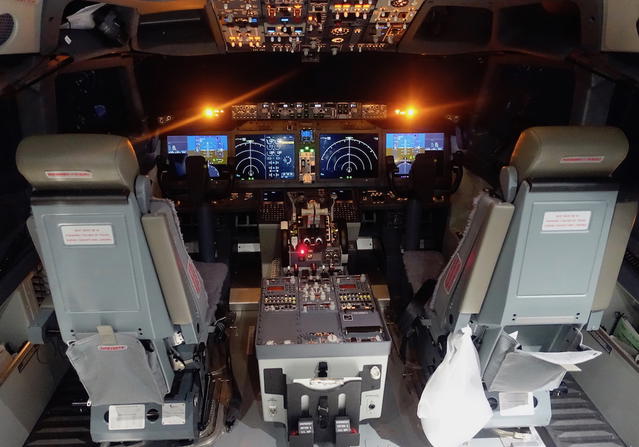
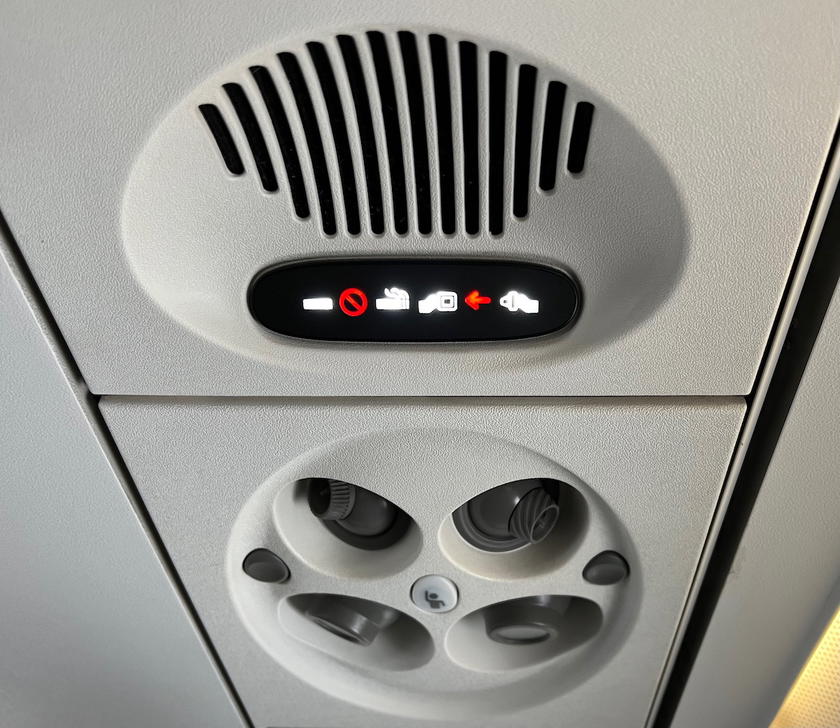
As an example, smoking hasn’t been allowed on US airlines for decades, but airlines continue to be required to have “no smoking” signs in the overhead console, by the seatbelt sign. That’s fair enough, but here’s the wild part — up until now, regulations have required that pilots be able to manually turn the “no smoking” sign on and off. That’s despite the fact that there’s absolutely no situation in which pilots would need to turn that off.
The FAA is now amending this regulation, allowing aircraft to operate with “no smoking” signs continuously illuminated, so that the functionality of them being turned off is no longer needed.
The FAA acknowledges that this rule change was overdue, and that the old regulations were drafted at a time when smoking was at times permitted on commercial flights. So these amendments bring FAA regulations into alignment with current practice for manufacturing and operations.
What’s interesting is that for almost 30 years, the FAA has addressed the silliness of this rule by issuing regulatory exemptions, whereby aircraft operators could request to be exempt from the requirement to turn the “no smoking” sign on and off. But now the FAA will be making everyone’s life a bit easier, by no longer requiring an exemption.
The inefficiency of all of that is kind of mind-boggling. The FAA has for decades taken the time to issue exemptions for something that wasn’t even needed, rather than just changing the rule.
United Airlines learned this lesson the hard way
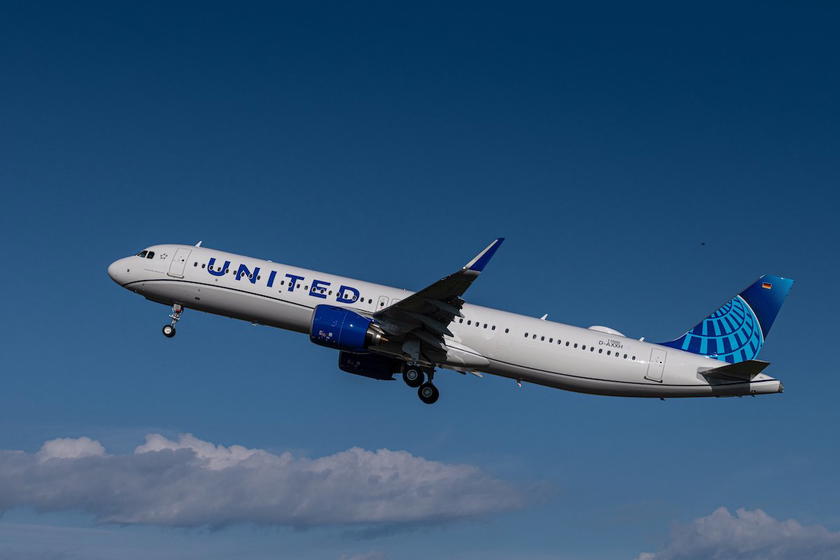
The timing of the FAA changing its rules surrounding the “no smoking” sign is no coincidence. In late 2023, United Airlines started flying the Airbus A321neo. A couple of months after commencing operations, United had to ground its A321neo fleet.
The reason? The “no smoking” signs on the aircraft couldn’t be turned off, and United hadn’t requested an exemption from that requirement. Clearly the airline forgot, or something. So the airline had to ground the fleet until it could get an exemption from the FAA.
I’m happy to see the FAA now avoiding this silliness altogether, so that exemptions no longer have to be issued.
Bottom line
The FAA has updated its rules regarding the “no smoking” sign on aircraft. Historically, the FAA required that pilots be able to manually turn the “no smoking” sign on and off. This rule was created back when smoking was still allowed on some commercial flights, which hasn’t been the case in decades.
Since then, airlines have been able to seek exemptions to this rule on a case-by-case basis, but that seemed like an unnecessarily complicated process. With this latest ruling, it’s fine if the “no smoking” sign is just constantly on, with no ability to turn it off.
What do you make of this FAA update regarding the “no smoking” sign?


Membership is free and takes no more information than commenting as a guest. Earn status points for good contributions, and see fewer ads as your status grows.