
Over the past few years, Porter Airlines has been undergoing a major expansion. While the airline has historically operated De Havilland Dash 8-400 turboprops out of Billy Bishop Toronto City Airport (YTZ), the airline is also currently taking delivery of 75 Embraer E195-E2s, which are being used to expand across Canada, as well as to other points in the Americas.
One of the challenges with trying to grow is that it can be tough to secure gate space at major international airports, all while creating a pleasant passenger experience. Porter has done a great job with that at its Billy Bishop Airport hub, but as you’d expect, it’s more challenging at other airports.
In 2023, the airline made a creative announcement, that it would invest in building a new terminal at a different airport in Canada’s second most populous city. There’s now an exciting update, as this is now in the process of opening (thanks to Avishai for the reminder).
Porter expanding to a second Montreal Airport
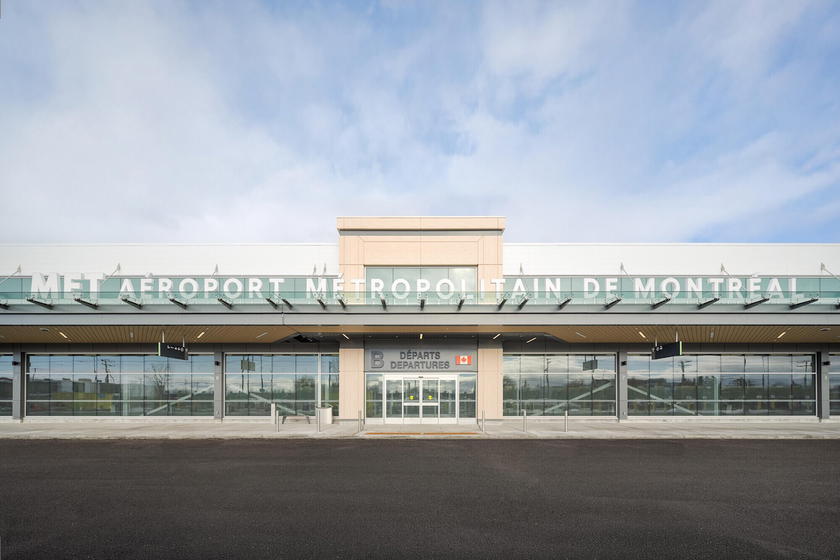
Over the past few years, Porter has been developing a modern passenger terminal at Montreal Metropolitan Airport. That’s the airport’s new name, as previously it was known as Montreal Saint-Hubert Airport. The airport is maintaining its code of YHU, though airport officials are marketing the airport as MET.
While the terminal was first supposed to open in late 2024, as you’d expect, delays with these kinds of projects are common. The expectation is that the new terminal will now welcome its first passengers starting in about a month, as of June 15, 2026.
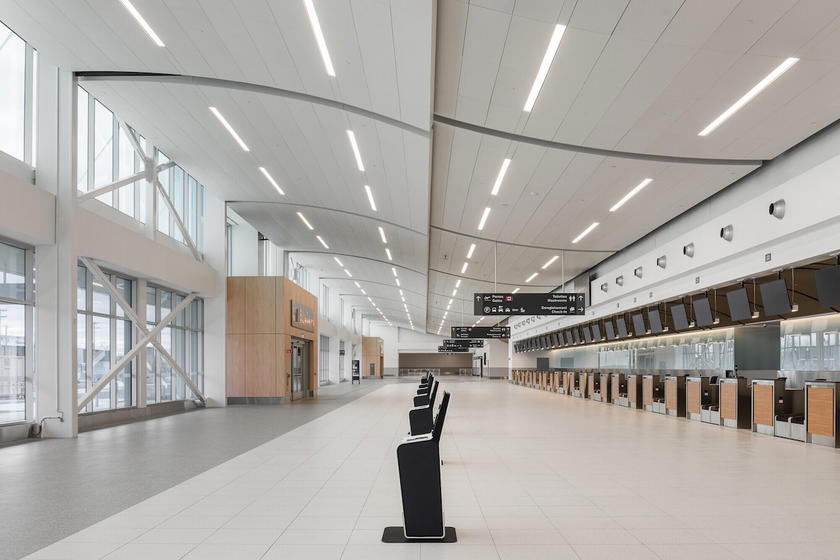
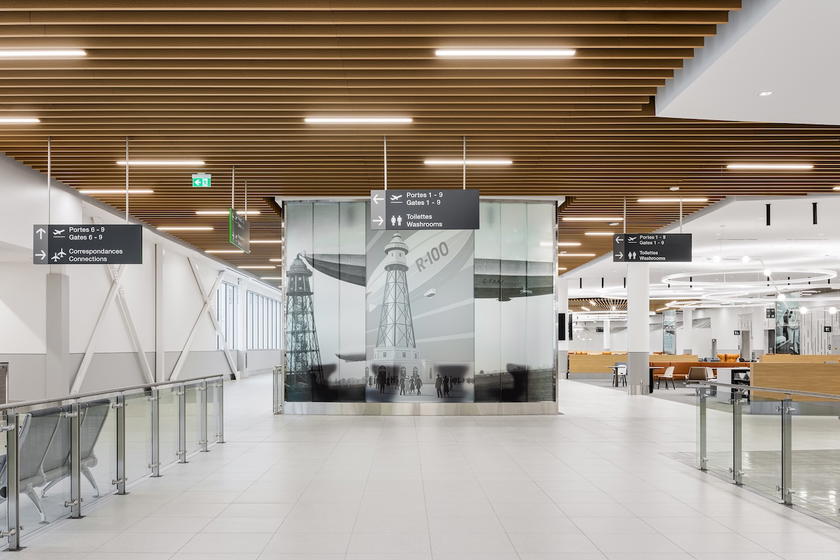
The new terminal is capable of serving over four million passengers annually. It’s roughly 21,000 square meters (225,000 square feet), and features nine jet bridges, with lounge-style seating for all passengers, as well as food and beverage concessions and retail vendors. Porter explains that the new terminal is modeled after the revitalization of Billy Bishop Airport, which Porter has been part of for around 20 years.
Below you can see some pictures of the new terminal at Montreal Metropolitan Airport.
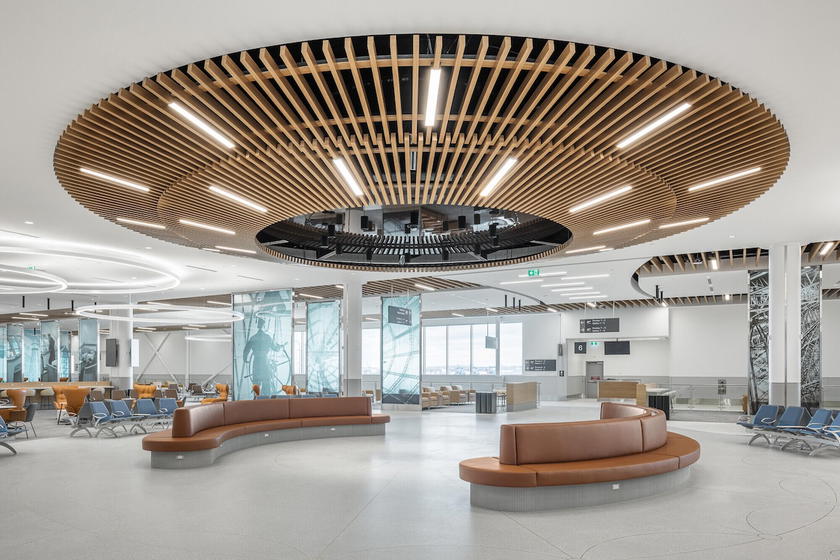
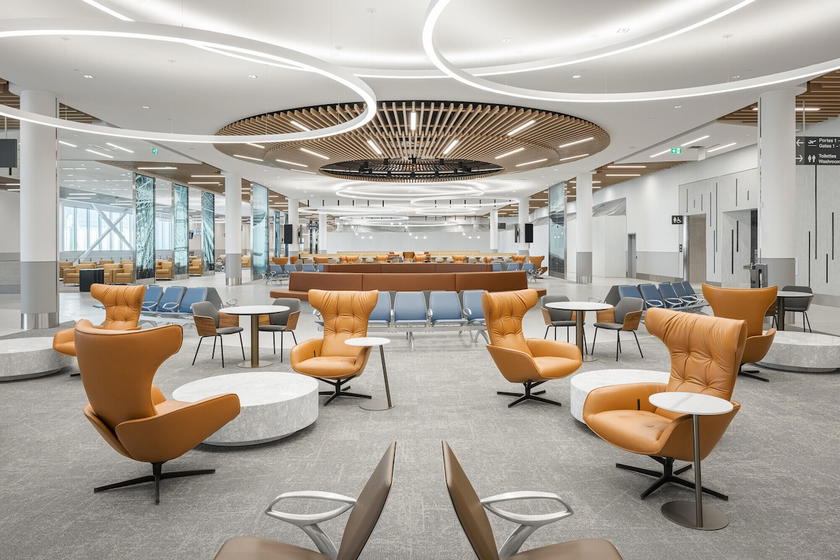
Porter already flies to Montreal Trudeau Airport (YUL), and plans to continue to maintain its presence there, while also building a Canada-wide network at Montreal Metropolitan Airport.
The new terminal is also being made available to other airlines, including Pascan Aviation, which is the only airline otherwise serving the airport. Pascan Aviation operates regional flights across Quebec from the airport. There are also plans for Pascan Aviation and Porter Airlines to codeshare, creating more connectivity throughout Quebec.
Porter has already announced plans to launch a dozen routes from the airport, including flying to both of its hubs in Toronto, and also flying both of its aircraft types from the airport.

Below you can see a chart with the routes that will be served, along with the starting dates and frequencies (the asterisks denote seasonal service).
| New routes from MET* | Start date | Frequency |
| Quebec City (YQB) | June 15 | 7x weekly |
| St. John’s (YYT) ** | June 15 | 7x weekly |
| Toronto City (YTZ) | June 15 | 27x weekly |
| Toronto Pearson (YYZ) | June 15 | 20x weekly |
| Vancouver (YVR) | June 15 | 14x weekly |
| Edmonton (YEG) | June 16 | 7x weekly |
| Calgary (YYC) | June 17 | 7x weekly |
| Halifax (YHZ) | June 17 | 14x weekly |
| Charlottetown (YYG) ** | June 18 | 7x weekly |
| Winnipeg (YWG) ** | June 18 | 7x weekly |
| Moncton (YQM) ** | June 19 | 7x weekly |
| Hamilton (YHM) | June 22 | 14x weekly |
Will Porter succeed with a new airport in Montreal?
Porter is certainly thinking outside the box with its plans to expand in Montreal.
On the one hand, I imagine Porter’s costs for using the airport will be pretty good, since that’s usually the case at smaller airports, especially with incentives. Furthermore, it’s nice that Porter can offer a great passenger experience here, in terms of the terminal seating, as well as the ease of using the airport, given its small size. People will probably like that.
On the other hand, it can be really hard to make a new commercial airport “catch on.” People are creatures of habit. Just look at how Paine Field (PAE) has kind of struggled to grow, as I’d consider that to be a largely similar concept.
Porter has often compared Montreal Metropolitan Airport to Billy Bishop Toronto City Airport. The major difference is that Billy Bishop Airport is actually very convenient if traveling to & from Toronto, while Montreal Metropolitan Airport is roughly an equal distance from the city as the existing airport.
Admittedly you have a lot of people living around cities, and Porter also points out that the new airport has a convenient location for a significant portion of the local market. Will that be enough to make this concept succeed?
The other challenge is that when you’re trying to compete with a major airline like Air Canada, it’s important to have a huge network and lots of frequencies out of a given airport. By splitting operations between two airports, Porter is limiting its ability to scale its network in terms of connection opportunities, easy rebooking, etc.
Ultimately it’s hard to measure Porter’s success more broadly, given that the airline isn’t publicly traded. There are all kinds of rumors about the carrier’s (lack of) profitability, but public information is limited.
Bottom line
In the coming weeks, Porter Airlines will be commencing operations at Montreal Metropolitan Airport, formerly known as Montreal Saint-Hubert Airport. This is all thanks to a new passenger terminal that Porter invested in, which is capable of handling over four million passengers per year.
The new terminal looks great, and this should be a very pleasant passenger experience, especially with its smaller size. How easy will the airline be able to change passenger behavior, though?
What do you make of the new Montreal Metropolitan Airport passenger terminal, and Porter’s plans?




Membership is free and takes no more information than commenting as a guest. Earn status points for good contributions, and see fewer ads as your status grows.