Hong Kong Criminalizes Not Sharing Passwords With Police, Even At Airport

If you’re traveling to or even through Hong Kong, this is at least something to be aware of (thanks to @istrakhov for flagging this)…

Hong Kong implements strict new electronics search law

The United States Department of State has warned Americans about new rules that have just been implemented in Hong Kong, related to the National Security Law. Specifically, it’s now a criminal offense to refuse to give Hong Kong police the passwords or decryption assistance to access all personal electronic devices, including mobile phones and laptops.
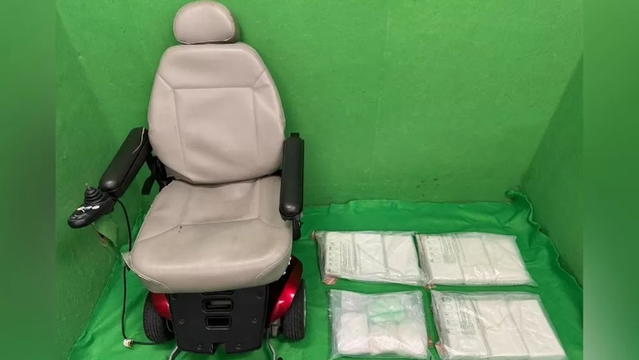
This legal change applies to everyone in Hong Kong, including those arriving at or even just transiting Hong Kong International Airport (HKG). Furthermore, the Hong Kong government also has more authority to take and keep any personal devices, as evidence, that they claim are linked to national security offenses.

China has increasingly restricted freedom of speech in Hong Kong in recent years, with things really changing in 2019. Odds are that this would only be used in very targeted ways, and only for those that the government of China may view as problematic. But still, it’s something to be aware of, especially in the context of a global airline hub.

I think the wildest aspect of this policy is that it even applies to those in transit. So that means even if you don’t actually enter Hong Kong, you could still be forced to share the passwords of your devices, or face legal consequences.
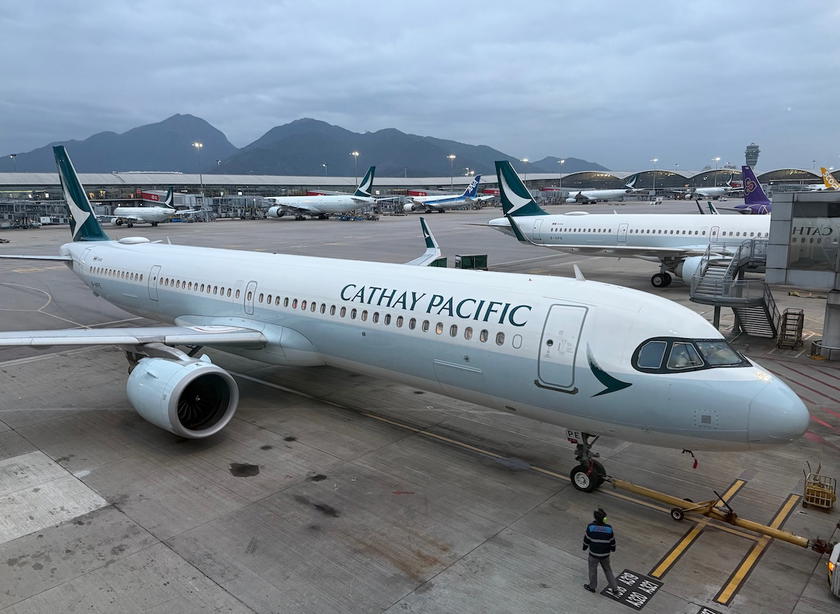
Even transit passengers could be subject to this new law

How does this compare to the law in the United States?

Many people are pointing out that there’s a certain irony to the Department of State under the current administration warning of the possibility of invasive searches of electronics, given what we’ve seen at our own borders, and beyond.

However, there’s a bit more nuance to this in the United States. Yes, we’ve seen an increase in the number of electronics being searched at the border, and United States Customs and Border Protection (CBP) can request passwords for electronics from arriving passengers.

If you refuse to cooperate, though, you’re not going to potentially go to jail for that:

  • If you’re a foreigner, you can be denied entry to the United States for refusing to share log-in details for your electronics
  • If you’re a United States citizen, you won’t be denied entry to the United States based on CBP’s inability to search your devices, though the devices may be subject to exclusion or detention

So that’s still a bit different than potentially facing prosecution for not providing the passwords for your electronics.
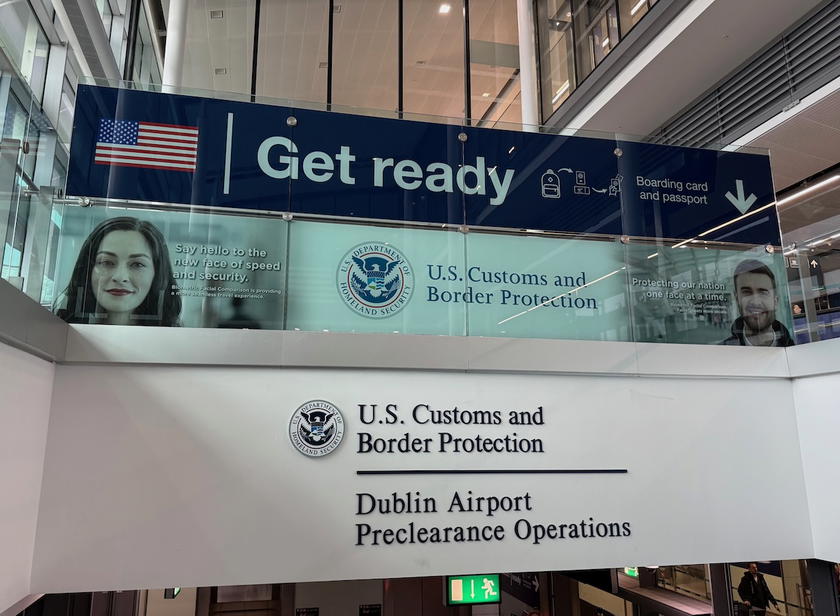
This is still quite different than the law in the United States

Bottom line

Hong Kong’s National Security Law has been updated, and it’s now a legal requirement to provide police with access to all electronics, including passwords. This includes transit passengers at Hong Kong Airport, and refusing to do so could result in prosecution.

This is one of the more extreme policies you’ll find out there, and I imagine this will only be used in a very targeted way.

Would this new rule impact your willingness to travel to or through Hong Kong?

Conversations (48)
The comments on this page have not been provided, reviewed, approved or otherwise endorsed by any advertiser, and it is not an advertiser's responsibility to ensure posts and/or questions are answered.
Comment as a member

Membership is free and takes no more information than commenting as a guest. Earn status points for good contributions, and see fewer ads as your status grows.

Type your response here.

If you'd like to participate in the discussion, please adhere to our commenting guidelines. Anyone can comment, and your email address will not be published. Register to save your unique username and earn special OMAAT reputation perks!

  1. Loading comments…
Recent Comments
The latest from the OMAAT community.

The comments on this page have not been provided, reviewed, approved or otherwise endorsed by any advertiser, and it is not an advertiser's responsibility to ensure posts and/or questions are answered.

USUKHKflyer Member

It's incredible that Ben is surprised a law applies to people in international transit. That is the case for laws that don't have to do with border control in every airport in the world - what law did you think applies in them? None? As for the law itself as others have pointed out it requires a warrant and beyond that it only applies to investigations for national security offenses - in other words, this isn't being applied to random travelers. The nuance has been completely lost on the US government though that wants to cast stones living in a glass house of its own ridiculous and expanding powers - as well as on the media that blindly follow its spin on things.

0
‼ 0
omarsidd Diamond

"If you’re a foreigner, you can be denied entry to the United States for refusing to share log-in details for your electronics" Not exactly / only. We've seen examples and know it's CBP policy to use punitive detention (and for Americans unaware, many US jail policies and procedures are considered torture in the free world). You might just get denied entry, Ben, but you might get put in the terrible no-regulations private-profit holding facility for a few days AND then deported and possibly go on the list of folks who need a visa to try again (no longer eligible for ESTA). The maga DHS is not known for its even-handedness. If you're not-white, good chance the HKG border police are more fair to you than the US version.

0
‼ 0
nsg Member

HK is being assimilated into the PRC - sad, but not unexpected. That said, as many pointed out, similar laws exist in Europe. US as of today.. don't get me started. So the concern here is the application of the law, rather than the law itself. The laws themselves are very troubling, whether in the UK, US, Australia or in China, but that's a separate conversation. As far as application of the law - I don't think an average traveller to HK has anything to worry about. The probability of the HK police getting interested in you is less than the probability of your plane crashing - or being shot down - on the way to HK. People who may be of interest to Chinese government know that - and shouldn't enter Chinese airspace, period. Back in the 70s, prominent defectors from the Soviet Union knew not to take flights that went through the Soviet airspace - same here. Not great, not new, not a significant travel issue.

0
‼ 0
1990 Guest

I applaud our fearless leaders on their bold stance protecting our security… (now, please let me connect to my onward destination…)

0
‼ 0
AeroB13a Guest

Stories like this only serve to cause the uneducated, ostrich like flying proletariat to burry their heads deeper into the sand Ben. More will only choose to fly U.S. domestic airlines, within the domestic sphere of influence and allow the real world to pass them by untroubled.

0
‼ 0

Save posts to read later

Saving posts is a member feature. Become an OMAAT member to build a reading list you can come back to from any device.

Become a member
Meet Ben Schlappig, OMAAT Founder
5,883,136 Miles Traveled

43,914,800 Words Written

47,187 Posts Published

Keep Exploring OMAAT