
It has been a rather rough week for many airlines in Europe, as dozens of flights have been diverted, canceled, or delayed, due to bomb threats. There’s obviously some sort of a coordinated effort here, but it’s hard to know what exactly is going on, beyond just the desire to create chaos (thanks to 1990_ for flagging this)…
Fake bomb threats hit European airlines hard
The concept of bomb threats being called in on flights is nothing new. Sometimes people are dumb enough to call in a bomb threat because they’re running late for a flight, and think that’s the best way not to miss it. Other times people will call in bomb threats as a prank.

Rarely is a bomb threat actually called in on a flight where there’s a bomb. That comes down to two reasons — it’s exceedingly rare for flights to be bombed (thank goodness), and if someone actually wants to take down a plane, they wouldn’t issue a warning, since that kind of defeats the purpose.
So that brings us to what has gone on in Europe this week, particularly on Tuesday, Thursday, and again today (Friday). Dozens of flights across airlines have had bomb threats called in on them, and airlines generally have to take these seriously. This has now happened to over 50 flights, departing from roughly a dozen countries.
In some cases the bomb threats were called in before takeoff, so passengers could be deplaned, allowing a search to happen before departure. In other cases, the threats came in mid-flight, leading to diversions, and even fighter jet escorts, in some situations.
In no case were any credible threats found, though. It goes without saying that this is incredibly frustrating for all parties. This is a massive waste of time and resources, given that these kinds of threats are consistently fake. At the same time, governments and airlines have to take these threats seriously, because imagine what would happen if a threat were proven to be real, and it was ignored (personally I think they should just be ignored, but that’s neither here nor there).

Who is behind these European airline bomb threats?
It’s not known for sure who is behind this attack, or just how centrally coordinated it is, rather than there being a copycat element to this.
Some emails taking credit for these attacks were signed as being from “the fighters of the Male State,” referencing a Russian far right, ultra nationalist movement that was founded in 2016. However, in a Telegram post today, the group’s founder denied involvement in this, and said the group hasn’t even existed since 2021.
Another email sent to media outlets regarding these attacks said that “this is only the beginning,” and threatened further attacks (or at least threats of attacks) across European transport.
The timing of this is likely not a coincidence, as Ukrainian president Volodymyr Zelensky is currently visiting Europe for a series of meetings regarding the war with Russia.
It goes without saying that this could get messy. If this is really coming out of Russia, it’ll be hard for European authorities to hold them accountable. And it’s also easy enough for the culprits to try to mask where their threats come from.
If the threats keep coming, then one wonders how this will be handled — will this all just continue, or will the threats be ignored at some point?
Bottom line
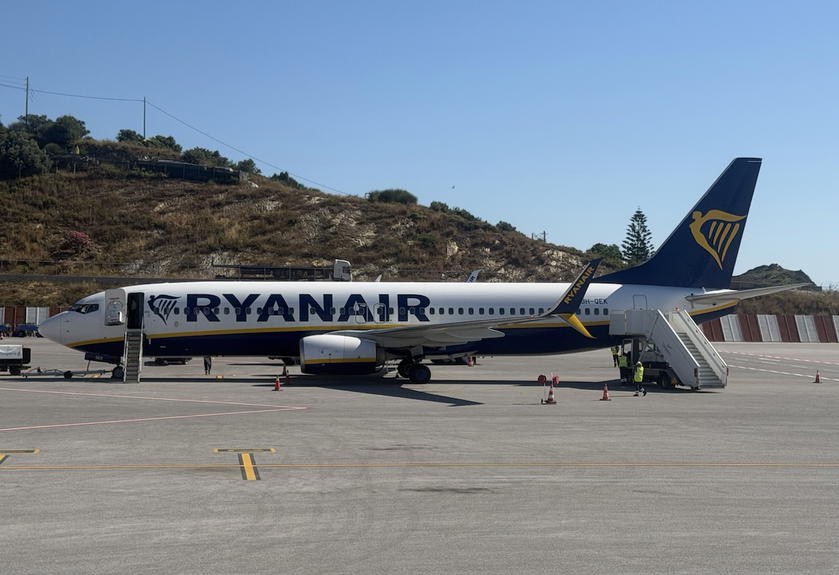
Dozens of flights across Europe have been impacted by bomb threats this week, which is obviously incredibly frustrating. None were found to be credible, but they’ve all been taken seriously, with everything from aircraft evacuations, to diversions, to fighter jet escorts.
It can be hard to track down the source of these threats, especially if it’s some tech-savvy, foreign operation. An email claiming to be associated with the group behind these threats suggest that this is only the beginning. Only time will tell how this plays out, because if the threats continue and authorities have no way to take action against the foreign culprits, their options might be limited.
What do you make of this Europe airplane bomb threat situation?


Membership is free and takes no more information than commenting as a guest. Earn status points for good contributions, and see fewer ads as your status grows.