
On January 5, 2024, an Alaska Airlines Boeing 737 MAX 9 had a deactivated emergency exit blow out inflight, leading to a rapid decompression, and making headlines globally. After all, it’s kind of terrifying to think that you could be sitting in a window seat on a plane, and suddenly part of the fuselage is just sucked out. The silver lining is that no one was seriously injured.
In the hours after this incident, I think many people assumed (or wanted to believe) that this was just some sort of a freak accident that didn’t have bigger implications for the jet. Well, that doesn’t appear to be the case, unfortunately…
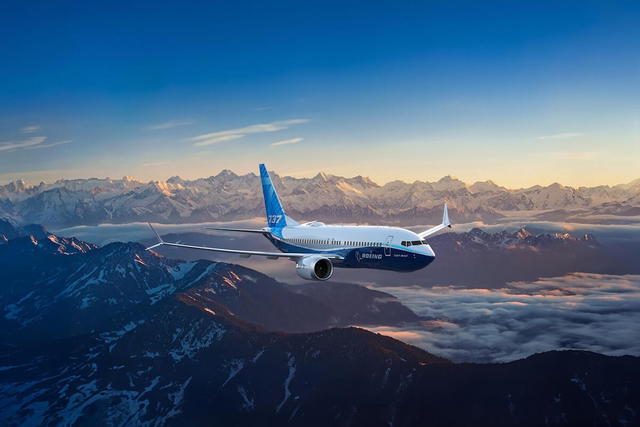
This situation just keeps getting worse for Boeing
The United States Federal Aviation Administration (FAA) grounded the Boeing 737 MAX 9 following this incident. During this grounding, airlines had to perform inspections on these jets, to make sure the same problems didn’t exist with deactivated exits on other planes.
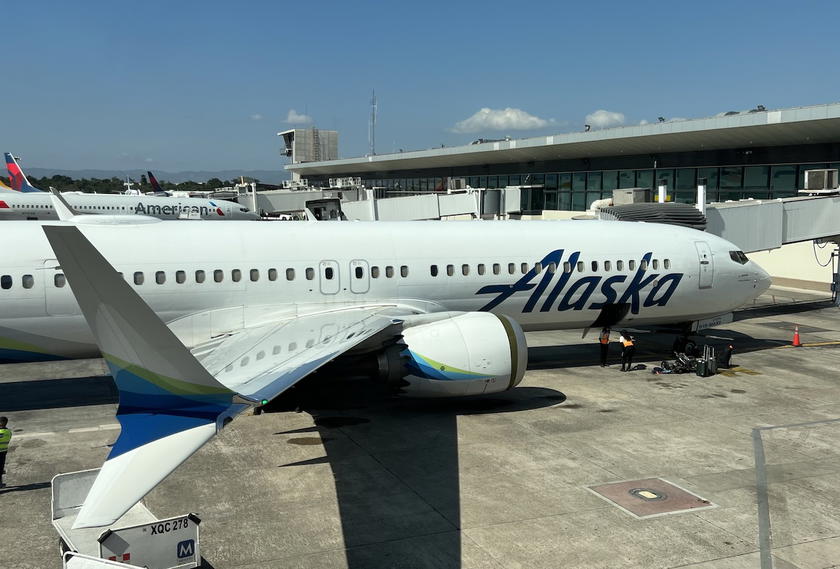
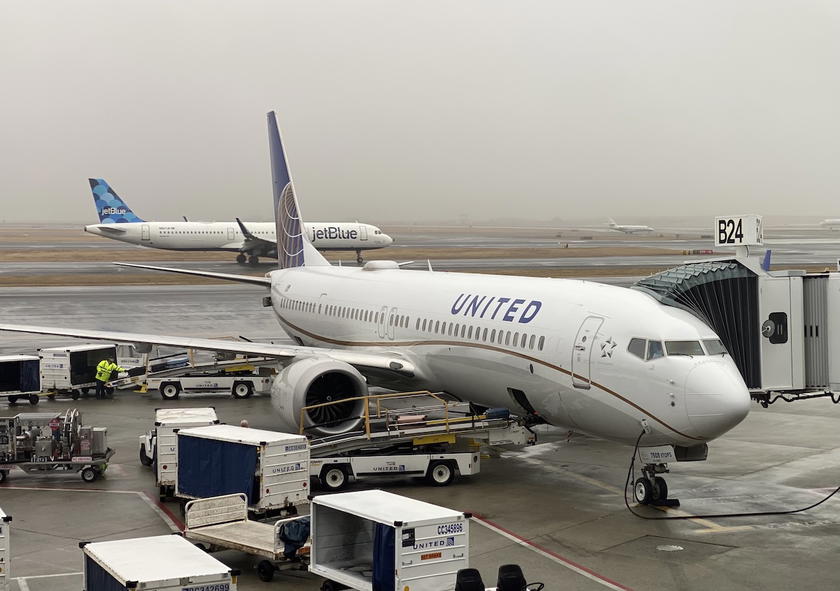
As it turns out, other planes have similar issues. Alaska and United are the two US carriers to fly the 737 MAX 9, and both have confirmed that they found issues related to the exit in question on some planes.
Here’s a statement that Alaska released:
“As our maintenance technicians began preparing our 737-9 MAX fleet for inspections, they accessed the area in question. Initial reports from our technicians indicate some loose hardware was visible on some aircraft.”
Here’s a statement that United released:
“Since we began preliminary inspections on Saturday, we have found instances that appear to relate to installation issues in the door plug — for example, bolts that needed additional tightening.”
At this point the FAA is working on creating inspection guidelines for these jets, to ensure that they’re safe to fly. It’s anyone’s guess how that plays out, given that the same issue has been found on other aircraft.
Unfortunately this isn’t the only issue for Boeing. As it turns out, during the rapid decompression, the Boeing 737 MAX 9’s cockpit door opened. That’s actually intentional, and I can understand the logic for that. There’s only one small problem — the National Transportation Safety Board (NTSB) as well as pilots weren’t aware of this “feature.” Boeing has promised to make changes to how that’s communicated to airlines.
Good thing Boeing doesn’t have a history of not disclosing certain aircraft “features” to regulators and airlines…. oh wait!
Is this a major problem for Boeing, or a small mishap?
This situation sure feels like déjà vu, given the Boeing 737 MAX’s history. On the plus side, at least in this case it didn’t take two crashes with over 300 fatalities for regulators, the aircraft manufacturer, or airlines, to take action.
I’m sure I’m not the only one who is wondering if this current fiasco will be something that leads to these planes being grounded for just a few days, or if this could look similar to what happened in 2019 and 2020, when the 737 MAX was grounded for nearly two years.
The outcome of this obviously has major implications for Boeing, and for airlines like Alaska, which rely heavily on the 737 MAX 9 to operate their network. A few thoughts:
- The good news is that it seems like it’s not too complicated to frequently inspect these jets, and at least there was a warning in advance about pressurization issues (which were… sort of ignored), so hopefully these issues don’t lead to any fatalities
- Regulators are incentivized to err on the side of caution, given how the 737 MAX disaster played out the first time around, and how bad that looked for the FAA
- The fact that Boeing once again failed to disclose important safety features of the aircraft looks very bad for Boeing; then again, given all we know, it’s not like anyone thinks Boeing is an ethical company anymore
- Even once the 737 MAX 9 returns to the skies, I have to imagine a sizable number of people won’t be comfortable sitting near this deactivated emergency exit, so I have to wonder if airlines might have to block off these seats for some amount of time, or something
- This issue seems very bad for the Boeing 737 MAX 10 finally getting approved by regulators, as that’s supposed to be imminent; never mind Boeing 777X certification, which has been delayed by about five years
- I have to imagine that foreign regulators might be even more cautious than the FAA, especially regulators from countries that might have political motives for doing so (like China)
I think it’s too early to know for sure how this plays out. As of now, I’m more in the camp of thinking that this is going to be a huge deal for Boeing, and isn’t something that’s going to be resolved in the coming days, and which Boeing will quickly recover from.
I wouldn’t be surprised to see the jet grounded for an extended period of time, and for this to lead to delays when it comes to the certification of other Boeing jets.
Bottom line
The Boeing 737 MAX is making headlines again for all the wrong reasons. A deactivated emergency exit blew out on a jet inflight, leading the FAA to temporarily ground these planes. Now it has been discovered that several other planes had loose screws at the exit too, and that Boeing also hasn’t been sharing all correct procedures with regulators and airlines.
I’m very curious to see how all of this plays out. Regulators have an incentive to be exceptionally cautious here, and that could have major implications for Boeing and airlines, not just for the 737 MAX 9, but also for the certification of the 737 MAX 10 and 777X.
I’d say I’m disappointed in Boeing, but it’s not 2018 anymore, so there’s not much respect left to lose…
How do you see this situation playing out for the Boeing 737 MAX?


Membership is free and takes no more information than commenting as a guest. Earn status points for good contributions, and see fewer ads as your status grows.