
It goes without saying that Boeing has had a rather rough several years when it comes to getting new aircraft certified. Up until recently, the aerospace giant hadn’t yet received certification for the 737 MAX 7, 737 MAX 10, or 777X.
Fortunately the tides at Boeing are slowly turning. Recently, the Federal Aviation Administration (FAA) certified the 737 MAX 7, which is exciting for Southwest (basically the only airline with the plane on order). Now there’s another exciting update, as Boeing has also just received FAA certification for the 737 MAX 10. Last month we learned that this was imminent, but it’s now official.
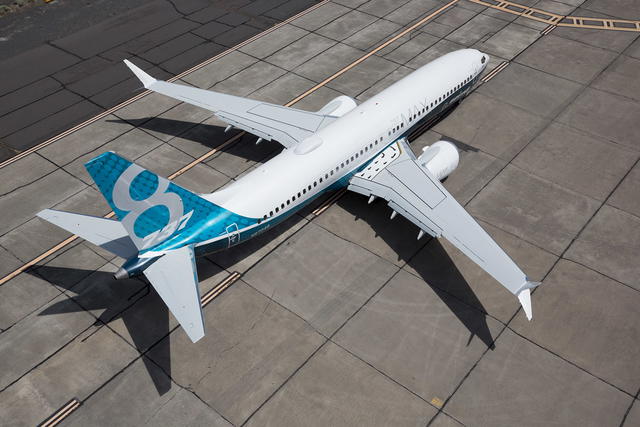
Boeing 737 MAX 10 certified, will fly in spring 2027
The FAA has announced that following years of extensive review, the agency has issued the certification for the Boeing 737 MAX 10. With production approved, the aircraft can be delivered to domestic and foreign carriers.
FAA Administrator Bryan Bedford emphasizes that the agency “will continue to hold Boeing to the highest safety standards as the company begins production of the 737 MAX-10.” In late September 2026, we learned how Alaska Airlines anticipated certification of the aircraft within weeks, so it’s nice to see this become a reality.
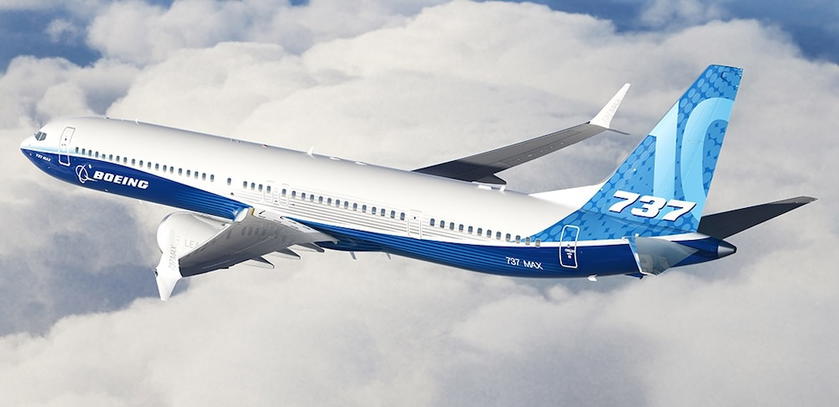
It’s worth noting that even with the plane certified, it’ll still take some time for it to actually enter service. For example, Alaska is one of the first airlines that will take delivery of the plane, and even with the plane as such certified, certification work is still needed related to the heads-up display used by pilots, and that process could take a few months. For the Seattle-based oneworld carrier, the current goal is for the first plane to be in service in April or May of 2027.
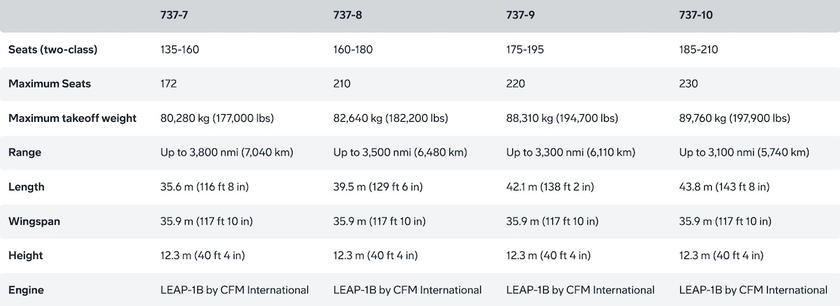
As a reminder, the 737 MAX 10 is the highest capacity but shortest range version of the 737 family. Obviously there’s a compromise between size and range, given that all variants use the same types of engines. The 737 MAX 10 will have the best per-seat economics of any Boeing narrow body plane in history.
The Boeing 737 MAX 10 has major implications for airlines
The recent Boeing 737 MAX 7 certification has huge implications for Southwest, which has hundreds of these planes on order, while virtually no other airline has placed a meaningful order for the aircraft type. The 737 MAX 10 is a totally different story.
There are nearly 1,500 firm orders for the 737 MAX 10. Here in the United States, Alaska, American, Delta, and United, each have 100 or more of these planes on order. You’ll find similarly large orders at Ryanair, WestJet, Pegasus Airlines, Akasa Air, and more. So this plane has proven super popular with airlines.
What makes the 737 MAX 10 attractive is obvious — the plane has amazing per-seat economics, so if you don’t need the incremental range of the smaller variants (which most airlines don’t, since they’re not looking to cross oceans), then it’s pretty obvious to choose the largest variant, so you get more seats with only very small incremental operating costs.
Now, this is also a bit of a trap. Seats are only worth anything if you can actually fill them. Flying a larger variant with theoretically better per-seat economics doesn’t exactly help you if the plane isn’t close to full:
- This “concern” is the exact reason that Southwest has been very conservative, focusing on the 737 MAX 7 and 737 MAX 8, with no 737 MAX 9 or 737 MAX 10 aircraft on order (I feel like that’s the wrong decision, especially with the airline introducing extra legroom seating and eventually probably first class, but that’s besides the point)
- Arguably switching to larger aircraft has also been a real issue for ultra low cost carriers in the US, as they loved the sound of a low cost per air seat mile, but then struggled to actually fill those seats
For passengers in the United States, the 737 MAX 10 should be a great plane. I suspect airlines won’t be using the extra space to necessarily cram in a ton more seats, but instead, I imagine we’ll see even more premium seating.
We know that American and Delta each plan to install at least 24 first class seats on these planes, more than they’ve otherwise had across any narrow body fleet type (United, meanwhile, still has a problem to solve).
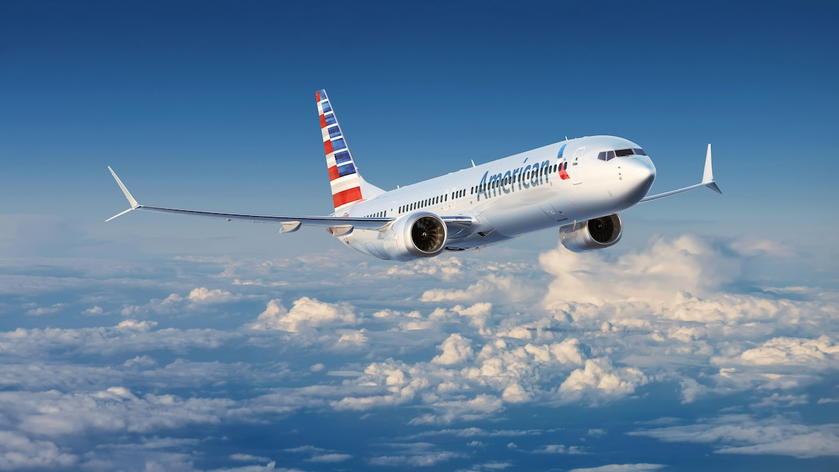
Alaska even has some really special plans for a subfleet of these planes, and intends to install flat beds and premium economy on narrow bodies for the first time.
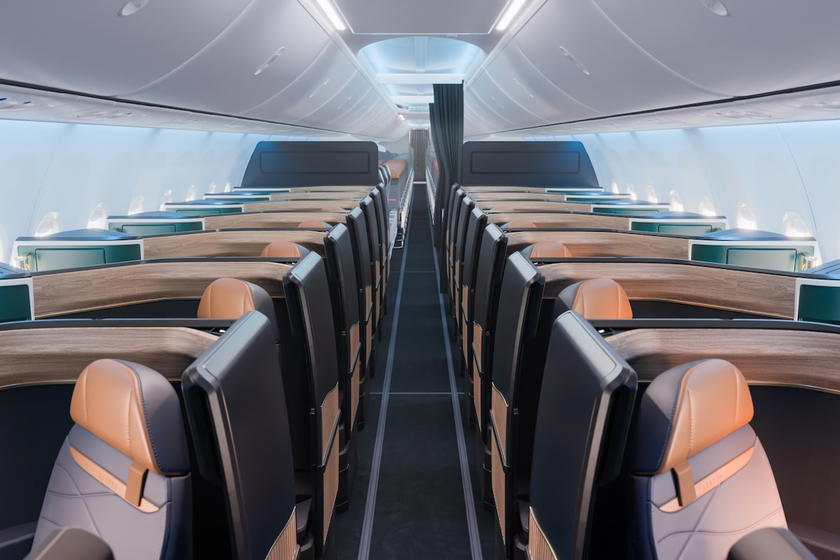
I’d expect a lot of extra legroom seats across airlines as well. I imagine US airlines will be staying well under the 200-seat number, so that they don’t have to staff these planes with more than four flight attendants.
Bottom line
The Boeing 737 MAX 10 has now been certified, just weeks after the 737 MAX 7 received a similar nod from the FAA. Even with the FAA giving the 737 MAX 10 the green light, expect it’ll be the spring of 2027 before the plane actually enters service.
The 737 MAX 10 has the best per-seat economics of any Boeing narrow body plane, and that’s why there are nearly 1,500 of these on order. We’ll eventually see hundreds of these 737 MAXs flying in the US, including for Alaska, American, Delta, and United. Expect very premium layouts, given the extra space that airlines have to play with.
What do you make of the 737 MAX 10 certification?


Membership is free and takes no more information than commenting as a guest. Earn status points for good contributions, and see fewer ads as your status grows.