
Did you know that many flight attendants and pilots don’t have to clear security at US airports? Maybe you did, or maybe you didn’t, but I thought it would be an interesting topic to discuss, especially in light of some recent incidents that we’ve seen.
What is the TSA Known Crewmember program?
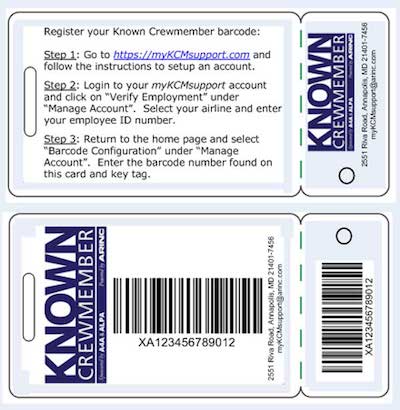
The Known Crewmember program (often abbreviated KCM) allows select airline pilots and flight attendants to enter the sterile area of the airport without going through the standard security screening process.
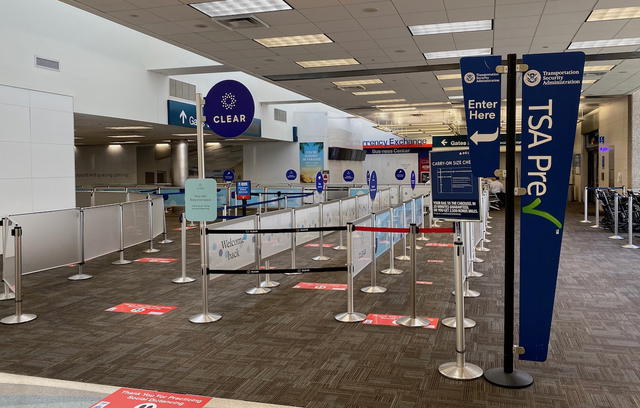
The current iteration of the KCM program has been around since 2011. The program is a joint initiative between the Transportation Security Administration (TSA), airline lobbying group Airlines for America (A4A), and the Air Line Pilots Association (ALPA).
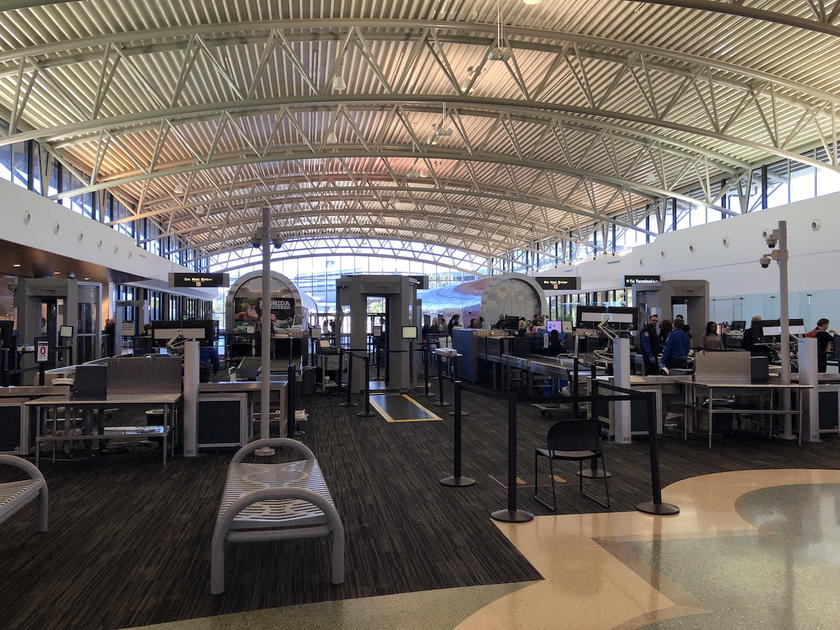
You might see a Known Crewmember checkpoint near the exit to the TSA checkpoint, as those who are registered just have to present their airline ID and government issued ID, and then can walk right into the terminal through the exit. You might also notice that pilots and flight attendants have little badges that they often wear, which identify them as such.
A few further things to note about TSA’s Known Crewmember program:
- Pilots and flight attendants at eligible US airlines have to specifically opt-in to this program, so this isn’t something that airline employees automatically get
- Pilots and flight attendants don’t have to be traveling for work to use the checkpoints
- Pilots and flight attendants don’t have to be in uniform to use these checkpoints, but if they’re not in uniform, extra ID is required
- There are Unpredictable Screening Procedures (USP) in place, whereby those using the Known Crewmember checkpoint may be subject to a random security screening; however, this only happens a very small percentage of the time
- The logic of the program is that airline employees should be trusted, and that it alleviates crowding at security checkpoints otherwise; as long as an employee’s identity can be verified, that’s what’s most important with this process
Should airline employees have to go through security?
It’s interesting to see how different people react to knowing that pilots and flight attendants don’t have to go through security at airports. I see both sides of the argument.
On the one hand, pilots and flight attendants keep the air transportation system running, so we should be able to trust that they’ll make the right choice with what they bring onboard. Furthermore, tests have shown how ineffective the TSA is at stopping weapons, and airport security screening is ultimately about risk assessment. Presumably Known Crewmembers are among the lowest risk people passing through airports.
On the other hand, we’ve seen a number of incidents over time where employees abused the Known Crewmember concept. We’ve even seen some recent stories of off-duty flight attendants working as drug smugglers, and using their Known Crewmember credentials to avoid security.
Keep in mind these cases only arise in the small percent of situations where an airline employee is randomly chosen for a screening. I can’t even imagine how many people get away with it. Forget weapons and everything else, but I suspect there’s a not-insignificant number of airline employees smuggling drugs through Known Crewmember checkpoints.
Admittedly the TSA is about making sure weapons don’t get on planes, and not about drugs. At the same time, the current system seems to almost be an open invitation for smuggling, and I’d imagine that’s something other government organizations would be concerned about.
Is it time for some Known Crewmember restrictions?
If there were changes to be made to the Known Crewmember program, then it seems like there are two different directions one could go.
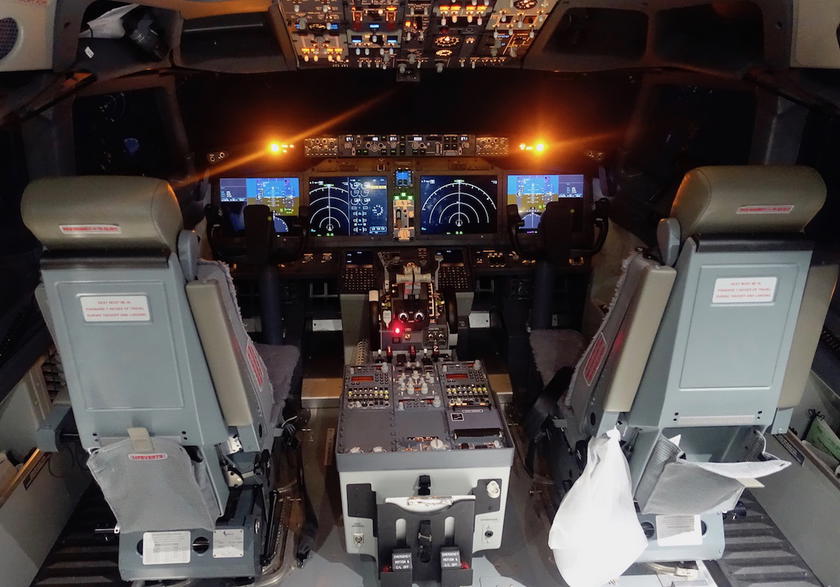
One direction would be to continue to allow pilots to use Known Crewmember checkpoints, but not flight attendants. This isn’t at all intended to be negative toward flight attendants, but the reality is that pilots have a lot more to lose than flight attendants.
Pilots spend years and potentially hundreds of thousands of dollars in order to land their job, and are very well paid. They work on a seniority system, and if they were ever caught with anything, they would have their license revoked, and their flying career would be over. They wouldn’t just be able to get a comparable job in another industry.
There are of course lots of career flight attendants out there, but there are also new flight attendants with no experience, who aren’t very well paid, and who just want a fun job for a couple of years. If they lose their job as a flight attendant, there are all kinds of other jobs out there that pay similarly.
I think the second direction could be to restrict the Known Crewmember program to those who have been at an airline for a certain number of years. For example, if you’ve been at an airline for a decade, you’ve shown your commitment to your career, and that you’re not just there temporarily.
I’m just throwing these things out here, and not suggesting any of these should be implemented. But with several recent stories of flight attendants trying to smuggle drugs, it seems like it’s at least worth considering some sort of restrictions.
Bottom line
Many people are surprised to learn that pilots and flight attendants can bypass security checkpoints at airports, thanks to the Known Crewmember program. I don’t have a strong opinion on this one way or another, though it does seem like there are an increasing number of stories of flight attendants being caught smuggling drugs.
The Known Crewmember checkpoint is the perfect way to do this, as you don’t have to go through security screening. A small percentage of the time passengers will be selected for additional screening, but that’s rare, and it’s why people take the risk.
What’s your take on the TSA’s Known Crewmember program? Should airline employees have to clear security?


Membership is free and takes no more information than commenting as a guest. Earn status points for good contributions, and see fewer ads as your status grows.