
Often when I write about hotels, I’ll mention how many “keys” a particular property has. I can’t count the number of times that OMAAT readers comment on my use of that term. For example, Glenn just asked why I use this term, and said that it’s “one thing that truly bothers [him],” and “it’s beyond irritating.”
I of course respect that take, but let me at least try to explain. And if y’all really decide you hate the term that much, let me know, and I’ll stop using it…
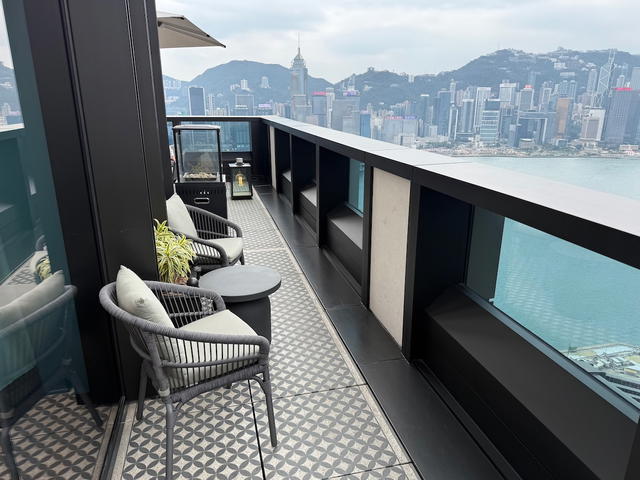
The simple reason hotel rooms are referred to as “keys”
In the hotel industry, you’ll often often hear properties referred to by their number of “keys.” Yes, “keys” is a different term for rooms, but there’s an important distinction. I use the term out of a desire to be accurate, rather than because I think it sounds fancy, or anything like that.
The idea is that the term “key” refers to accommodations at a hotel or resort, whether it’s a room, a suite, or a villa. In other words, how many different accommodations does a hotel have. The inspiration behind the term “key” is that it’s an accommodation that can be opened with a key, and therefore counts as one, whether it’s a small guest room, or a six-bedroom villa.
For example, which sounds better?
- It’s a 200-key property, with 150 rooms, 25 suites, and 25 villas
- It’s a 200-room property, with 150 rooms, 25 suites, and 25 villas
The whole point of the term “key” is to avoid the confusing double-take people may make when reading the second description. Does the hotel have 200 rooms or have 150 rooms?
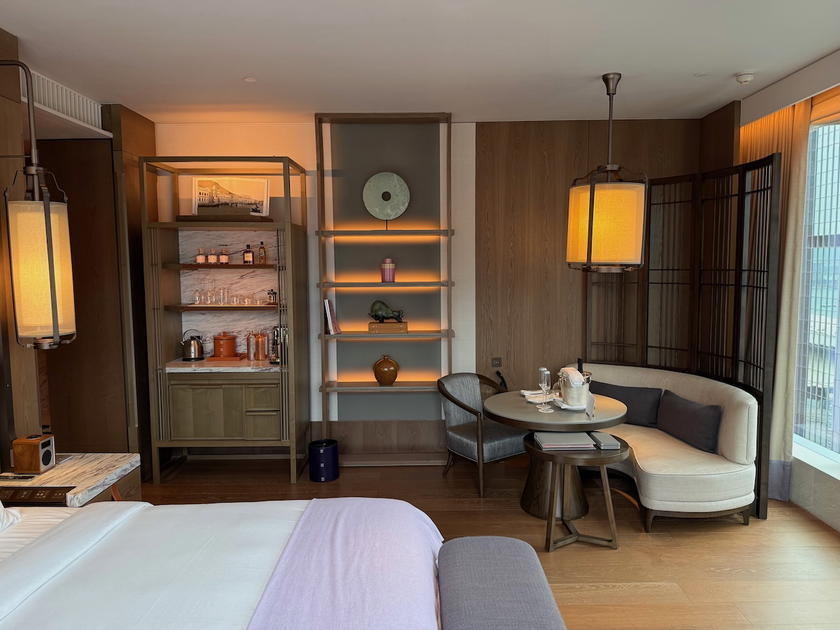
Is that an unreasonable distinction to make?
The people who comment that this term is more widely used in recent times are probably correct. I can understand how some people might think the term is intended to sound pretentious, or something, but that’s at least not my intention with using it. I’m just trying to be accurate, and when I see a new term that can improve my accuracy with trying to describe something, I try to use it.
Some might ask “well why does it matter how many accommodations are rooms vs. suites?” Well, if you’re staying at a points hotel where you have elite status, you might be eligible for complimentary suite upgrades.
If you’re anything like me, you might specifically seek out properties that have a high proportion of suites, since you have better odds of an upgrade. If I’m a World of Hyatt Globalist member, I’d rather stay at a 200-key property with 120 rooms and 80 suites, rather than at a 200-key property with 190 rooms and 10 suites.
And again, to get back to the original point, it would be a little weird if I described this as a 200-room hotel with 120 rooms and 80 suites, right? 😉
I’m open to feedback, and if others disagree, I respect that. However, I figure an explanation is at least useful. “Keys” is a term that is widely used among people in the hotel industry, though admittedly it’s not necessarily a term the average traveler might otherwise know about or come up with. But that doesn’t mean it’s not a useful descriptor that serves a purpose.
Bottom line
In the hotel industry, it’s common to hear people refer to a property’s room count based on the number of “keys.” The idea is that each individual accommodation is a “key,” whether it’s a room, a suite, or a villa.
At least to me, it seems more logical to talk about a 200-key property with 180 rooms and 20 suites, rather than a 200-room property with 180 rooms and 20 suites. If OMAAT readers really hate my use of the term, I’ll stop using it. Though at least I figured an explanation was in order, since maybe some people just don’t know the backstory.
I suppose one could also use the term “accommodations,” But talking about an 80-accommodation property also sounds sort of awkward.
Where do you stand on use of the word “keys?”


Membership is free and takes no more information than commenting as a guest. Earn status points for good contributions, and see fewer ads as your status grows.