
It’s official — the Boeing 737 MAX can once again return to the European skies. The 737 MAX was first grounded globally in March 2019, following two fatal crashes. Since then, Boeing has been making fixes to get the plane certified again.
We recently saw the US Federal Aviation Administration (FAA) “unground” the 737 MAX, and today European regulators have done the same.
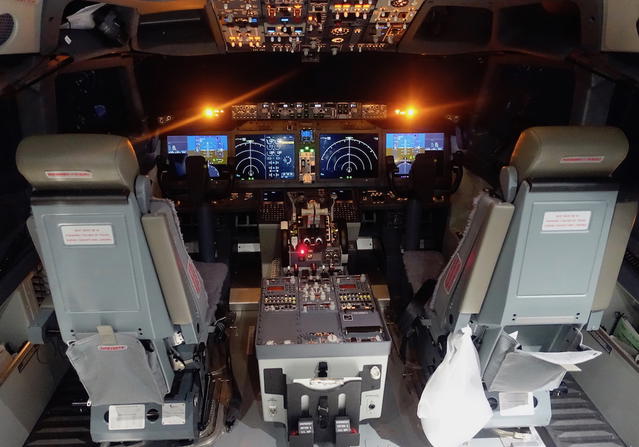
EASA signs off on Boeing 737 MAX
Back in October 2020, Patrick Ky, Executive Director of the European Union Aviation Safety Agency (EASA), stated that he was satisfied with the changes that Boeing has made to the 737 MAX.
Then in November 2020, the EASA published a Proposed Airworthiness Directive for the 737 MAX returning to service. There was still a 28-day public consultation period, but that has now been wrapped up.
The EASA has today given its approval for the 737 MAX to return to the skies.
As the Executive Director of the EASA describes this development:
“We have reached a significant milestone on a long road. Following extensive analysis by EASA, we have determined that the 737 MAX can safely return to service. This assessment was carried out in full independence of Boeing or the Federal Aviation Administration and without any economic or political pressure – we asked difficult questions until we got answers and pushed for solutions which satisfied our exacting safety requirements. We carried out our own flight tests and simulator sessions and did not rely on others to do this for us.
Let me be quite clear that this journey does not end here. We have every confidence that the aircraft is safe, which is the precondition for giving our approval. But we will continue to monitor 737 MAX operations closely as the aircraft resumes service. In parallel, and at our insistence, Boeing has also committed to work to enhance the aircraft still further in the medium term, in order to reach an even higher level of safety.”
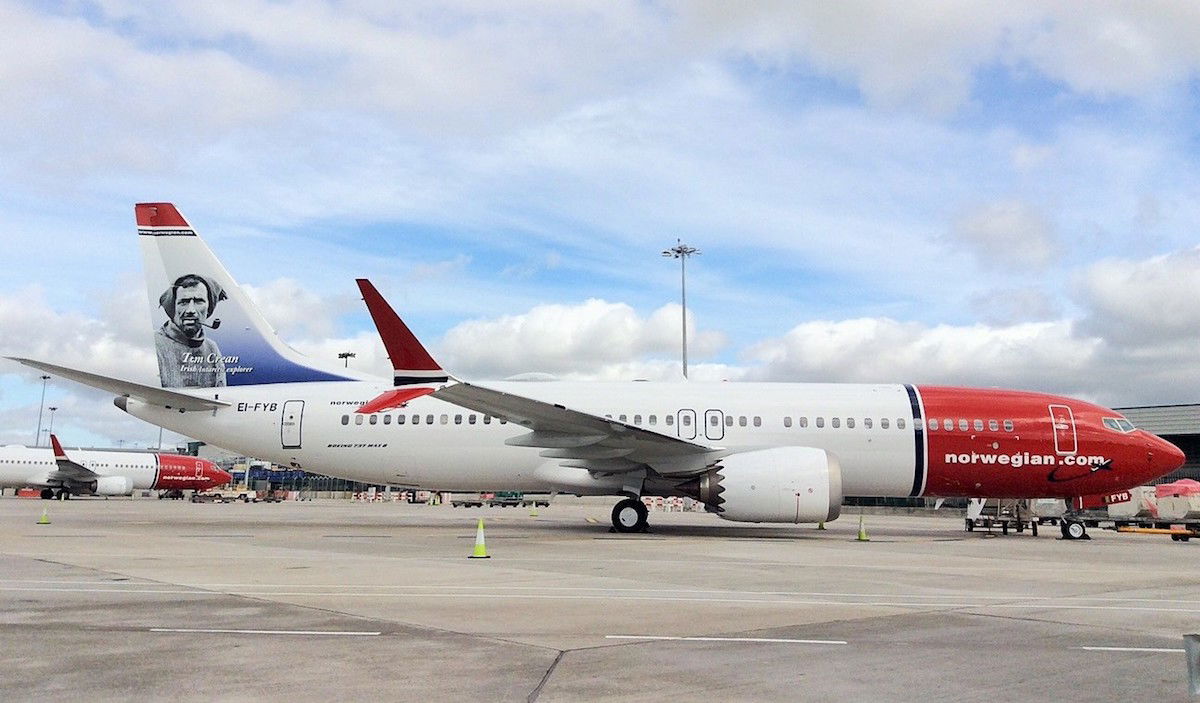 The 737 MAX can return to the European skies
EASA mandates 737 MAX changes
The EASA is mandating several changes to the 737 MAX, including the following:
- Software updates for the flight control computer, including the MCAS
- Software updates to display an alert in case of disagreement between the two angle of attack sensors
- Physical separation of wires routed from the cockpit to the stabilizer trim motor
- Updates to flight manuals: operational limitations and improved procedures to equip pilots to understand and manage all relevant failure scenarios
- Mandatory training for all 737 MAX pilots before they fly the plane again, and updates of the initial and recurrent training of pilots on the MAX
- Tests of systems including the angle of attack sensor system
- An operational readiness flight, without passengers, before commercial usage of each aircraft to ensure that all design changes have been correctly implemented and the aircraft successfully and safely brought out of its long period of storage
It’s interesting to note that even though the FAA and EASA worked fairly closely together and are going off the same information, the two organizations have mandated somewhat different changes.
 Existing 737 MAXs will need software updates, and more
Support from foreign regulators is significant
The 737 MAX certification process and investigation has brought a lot of things to light, both regarding Boeing’s corporate culture, and also regarding its relationship with the FAA.
As the 737 MAX has undergone the certification process, one major question has been whether foreign regulators would follow the FAA’s lead. It’s certainly a good sign for Boeing that approval is coming from so many foreign regulators.
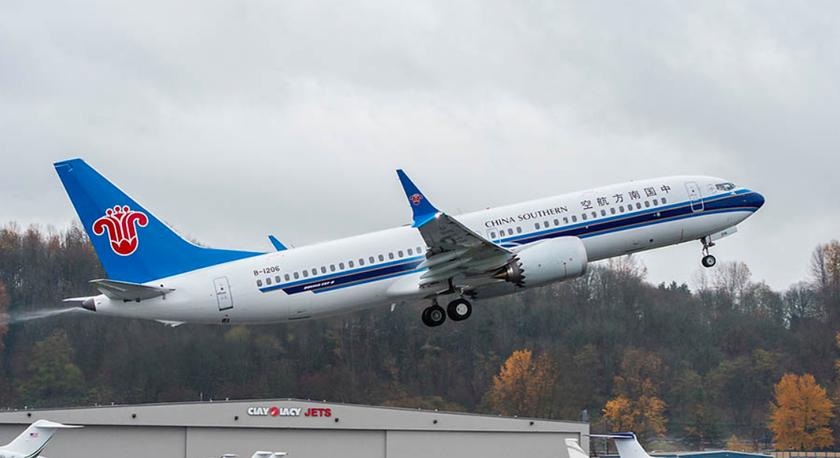 Will other regulators follow the lead of the FAA & EASA?
We’ll see how passengers respond
I’ll be very curious to see how the public responds to the 737 MAX returning to the skies:
- So many people have said “I’ll never fly that plane,” but only time will tell if that’s just empty talk, or if people follow through on that; it could be like people who threaten to never fly an airline again, and then the next time when that airline is a dollar cheaper than the competitor, they book it
- We’ve seen some airlines say they’ll let people rebook if they are scheduled to be on a 737 MAX, so I’m curious to see just how many airlines have a policy like this; perhaps it’s a moot point for now, as airlines are waiving change fees in general
- Boeing is quietly rebranding the 737 MAX — for example, the Boeing 737 MAX 8 is now being branded as the 737-8, so clearly Boeing is hoping that people forget the “MAX” name
Would I be comfortable flying the 737 MAX? Well:
- Have I lost a lot of respect for both Boeing and the FAA throughout this process? Absolutely
- But personally I’d be happy to fly the 737 MAX again
Ironically airlines might be just as unhappy as passengers about the 737 MAX being cleared to fly again, because they’ll be on the hook for paying for these planes, and won’t be getting compensation from Boeing anymore.
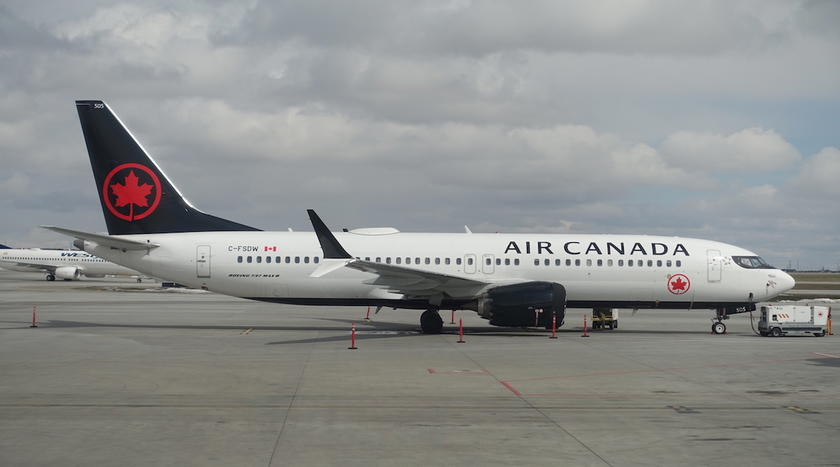 Will passengers really not fly the 737 MAX?
Bottom line
The EASA has issued a final approval for the 737 MAX to return to the skies, and the plane should be flying again in Europe shortly. The EASA does have some requirements for the plane, which aren’t identical to the FAA’s requirements, interestingly enough.
Key regulators around the world have now signed off the plane, so I’ll be curious to see if other regulators follow. Perhaps most significant is what the Civil Aviation Administration of China, will do, given the political implications.


Membership is free and takes no more information than commenting as a guest. Earn status points for good contributions, and see fewer ads as your status grows.