
Inflight connectivity has come a long way over time. Going back just a few years, Viasat was considered the gold standard of inflight connectivity, while nowadays Starlink is stealing the show.
The issue with Viasat is twofold — not only have expectations of internet speeds evolved, but on top of that, there’s only so much total bandwidth, and as more and more airlines add the service (and as other airlines make it free for passengers, increasing usage), it slows things down for everyone.
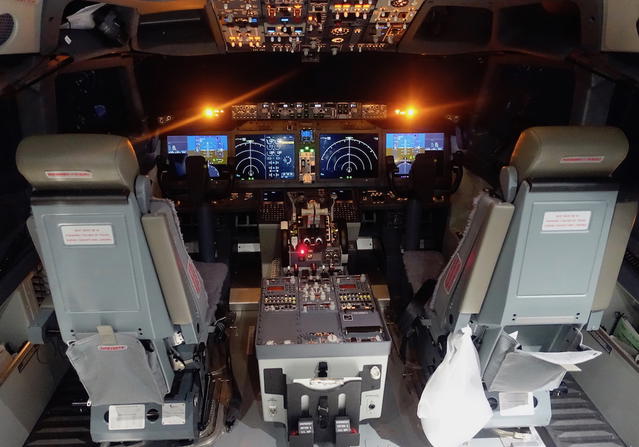
Several weeks ago, I covered how we were just weeks away from the biggest boost to Viasat Wi-Fi that we’ve seen in years, which has major implications for passengers on American, Delta, and JetBlue, among others. Well, the wait is finally over, as Viasat’s new satellite is now in service.
Viasat’s new F2 satellite enters service in Americas
The new Viasat-3 Ka-band geostationary satellites have just gone “live,” and airline passengers should soon notice. Viasat-3 Flight 2 launched in November 2025, while Flight 3 launched in April 2026, and as you’d expect, there’s quite a bit that had to happen before these could go live, including getting regulatory approval.
The wait is over, though, as that work has been completed. Viasat-3 Flight 2 covers the Americas, while Flight 3 covers Asia-Pacific. We can expect network capacity to more than double with these upgrades, adding over one terabit per second of capacity in the Americas alone.
So while the maximum speeds won’t necessarily improve, you can expect that during busy periods, users will now be able to more reliably get decent speeds. Here’s how Mark Dankberg, CEO of Viasat, describes these updates:
“With the VS3 constellation now fully operational, we have substantially expanded our ability to deliver high-quality connectivity where demand is growing fastest and introduced new forms of resilience for our government and commercial customers. This is a major milestone for Viasat and our customers and positions us well to deliver differentiated experiences and support our highest-value markets around the world.”
“We believe that the VS3 satellites are the most advanced commercial satellites in the world in terms of adaptive beam forming for cost efficiencies, user performance improvements that offer higher speeds on both forward and return links, and resilience to interference. We also believe VS3 technology sets new commercial standards for solar power generation and thermal dissipation – both critical technology challenges for developing economical data centers in space.”
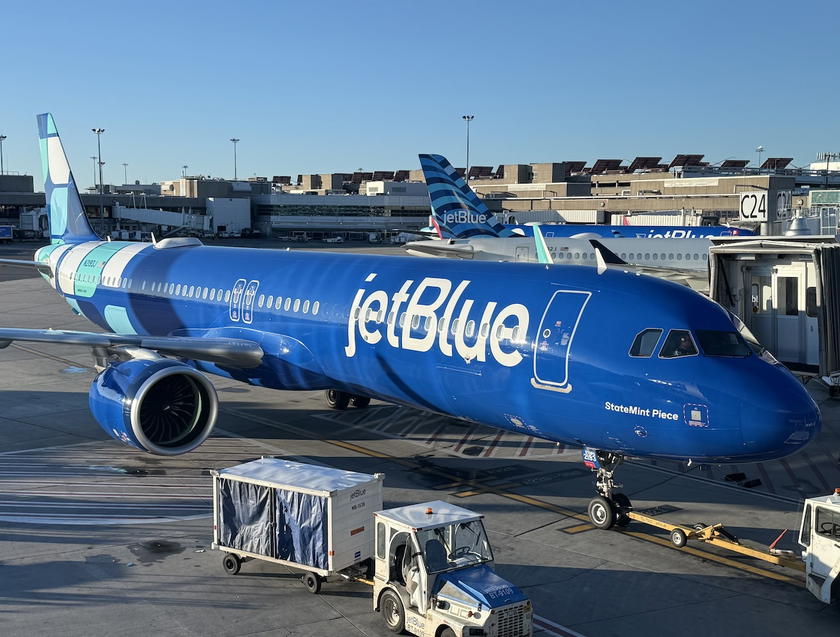
This is great news for American, Delta, and JetBlue
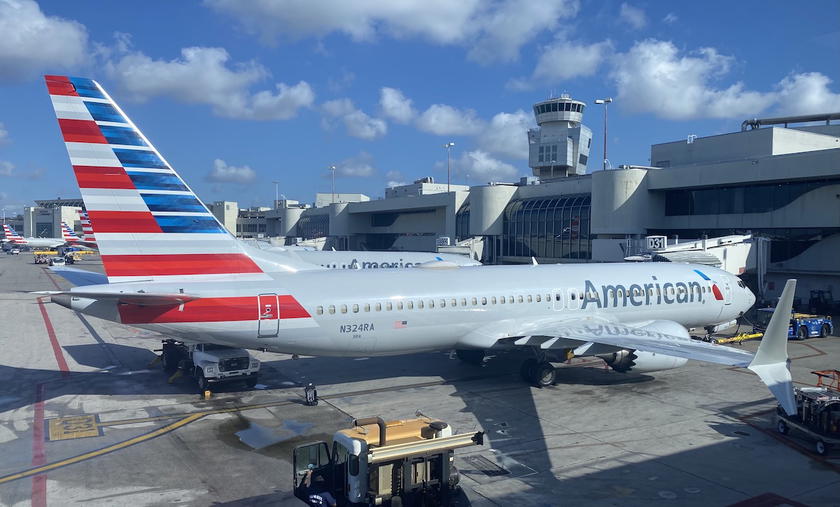
American, Delta, and JetBlue, are the three US carriers that have the largest number of aircraft with Viasat Wi-Fi. All three airlines offer free Wi-Fi on Viasat aircraft, so to cover the basics:
- American has Viasat Wi-Fi on a vast majority of its narrow body aircraft; the airline plans to introduce Starlink as of 2027, but “only” on 500 aircraft
- Delta has Viasat Wi-Fi on most of its aircraft (including some narrow body and wide body planes); the airline plans to introduce Amazon Leo as of 2028, if/when that is certified
- JetBlue has Viasat Wi-Fi on all of its aircraft; the airline plans to introduce Amazon Leo as of 2028, if/when that is certified
- United has Viasat Wi-Fi on select narrow body aircraft; however, the airline is quickly replacing that with Starlink Wi-Fi, so the value to United in this is limited in the long run
So yeah, this is great news for American, Delta, and United. Will Viasat’s upgraded Wi-Fi be as good as Starlink? Absolutely not. But it should help in those situations where the connectivity is just excruciatingly slow, which is becoming increasingly common, unfortunately.
Bottom line
Viasat is finally getting a significant bump in network capacity, which will be especially noticeable in the United States, given the number of aircraft using Viasat. Viasat used to be super fast, but as use of the service has increased, speeds have worsened considerably. That should finally be reversed again effective immediately (or at least in the very near future), with the entry into service of the Viasat-3 Flight 2 satellite.
What do you make of this Viasat development?


Membership is free and takes no more information than commenting as a guest. Earn status points for good contributions, and see fewer ads as your status grows.