

Flights can be delayed or canceled for all kinds of reasons, though this is definitely one of the more unpleasant ones, from a passenger experience standpoint…
Bed bug infestation grounds Qantas Dreamliner in Rome
This incident happened on Friday, October 9, 2026, and involves Qantas flight QF5 from Perth (PER) to Rome (FCO). At 8,298 miles, this is one of Qantas’ longest flights, and it was operated by a Boeing 787-9 with the registration code VH-ZNI.
Long story short, during the flight, several passengers in the forward section of the economy cabin complained of being bitten by bed bugs. Passengers were then given antihistamines to help ease the itch of the bites, but supplies of that ran out.
After landing in Rome at 7:33AM on Saturday, October 10, 2026, the plane underwent a “deep clean.” Because of this, the return flight, QF6, which was scheduled to depart at 10:45AM, was canceled. The airline emphasizes how all passengers were provided accommodation and rebooked on alternative flights within 48 hours of their original departure.
Per a spokesperson for the airline, “we sincerely apologise to customers for the cancellation of Saturday’s Rome to Perth service, which allowed our engineers and maintenance teams to carry out a deep clean of the aircraft after an issue was identified on a small number of economy seats.”
Ordinarily if you find bed bugs in something like a home or hotel, you’d fumigate the space, to ensure that they’re gone. However, that’s not typically possible on aircraft, because fumigation could damage the electrical wiring found throughout the cabin.
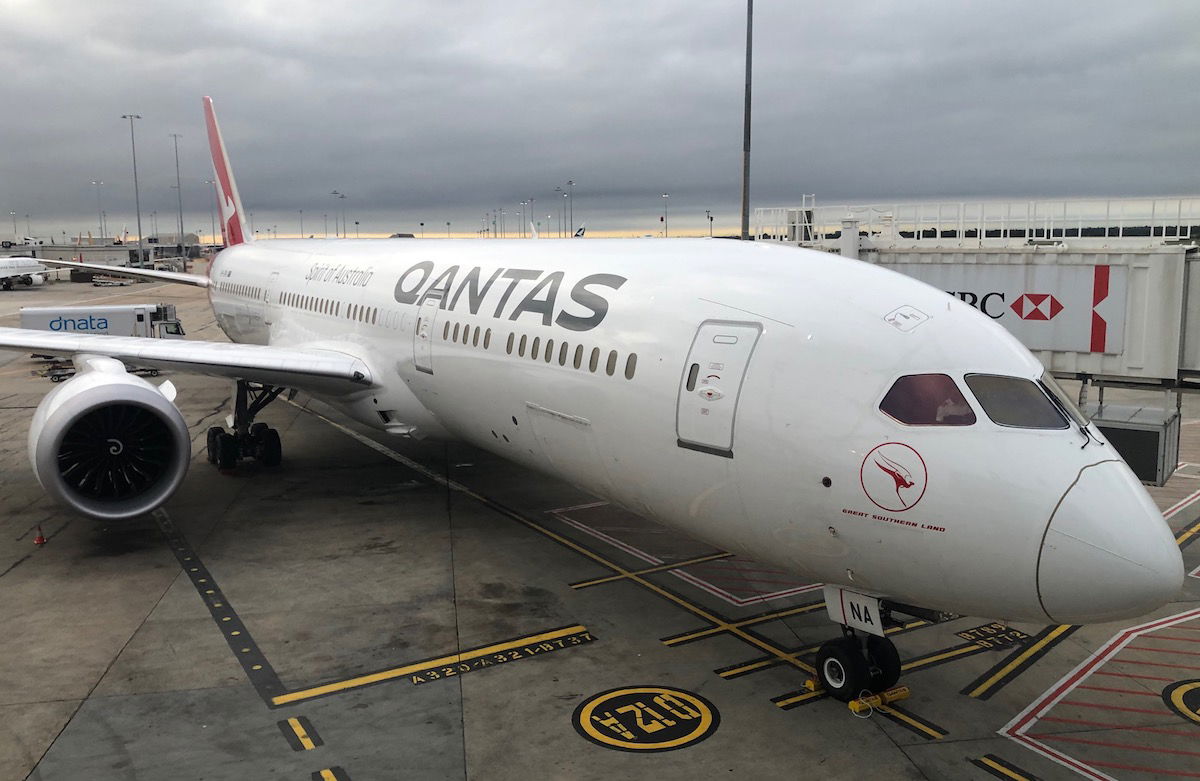
This bed bug infestation ended up being costly for the airline
Qantas deserves credit for how it handled this situation, including taking the plane out of service. Not only are there massive costs associated with a plane not flying (planes don’t make money on the ground!), but this was also a flight departing the European Union, meaning passengers were potentially entitled to EC261 compensation.
So in addition to a duty of care (hotels, meals, etc.), each passenger who requests it is entitled to 600 Euro in cash compensation, assuming they made it to their final destination at least four hours late (which presumably almost everyone did). Qantas Dreamliners have 236 seats, so that could be up to 141,600 Euro in cash compensation alone.
One thing I find interesting is that the plane did fly back to Australia just hours later, with flight number QF7006 and QF6007. It’s interesting that Qantas canceled the initial flight rather than just delaying it. Did the airline really just ferry this plane back to Australia empty, or were there passengers on these? Perhaps the deep clean only happened in Australia, so that’s why the plane was ferried?
The plane did end up departing Rome at 2:02PM on Saturday, compared to the initially scheduled time of 10:45AM. However, after the stopover in Perth, the plane only landed in Sydney (SYD) at 10:34PM, over six hours after the scheduled 4:25PM arrival.

Bottom line
Passengers traveling on Qantas between Perth and Rome were in for a bit of an unpleasant surprise, when several people in the forward section of economy reported being bitten by bed bugs. While the crew offered antihistamines, they ran out.
Qantas ended up having to cancel the return flight, and rebooked passengers on other flights within 48 hours, so that the plane could undergo a deep clean. Talk about a really unpleasant reality, though kudos to Qantas for taking this seriously, and not simply trying to sweep it under the rug (not that this would’ve ended well either).
What do you make of this Qantas bed bug situation?




Tim Dunn would say if this was A350-1000.
The premium bed bugs would still be profitable and due to bed bugs the plane would be used on TPAC instead.
Masterclass.