
In late May 2025, JetBlue and United announced plans to launch a partnership, which they’re branding as “Blue Sky.” While I don’t think this should come as much of a surprise, the deal has been cleared by regulators.
Blue Sky partnership clears regulatory review
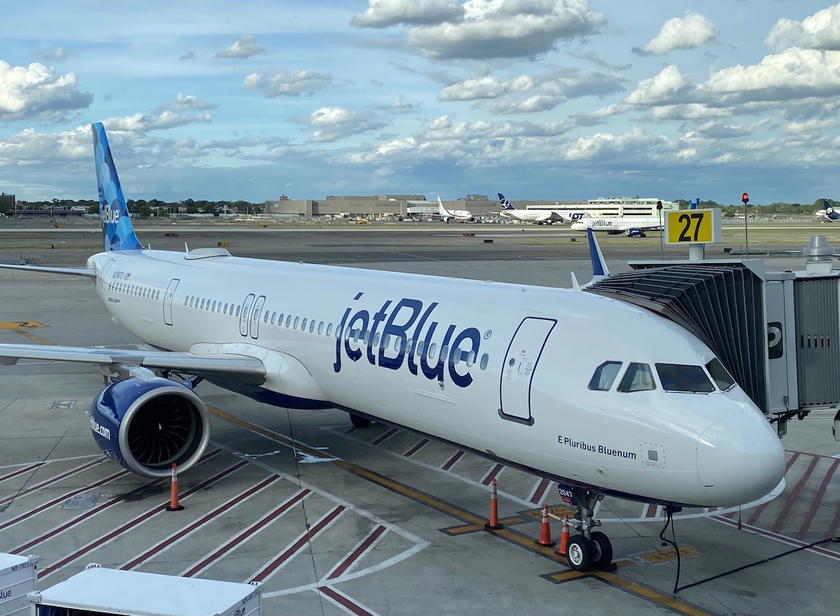
JetBlue and United have cleared the Department of Transportation (DOT) review period for their new partnership without objection. This means they can continue with implementing their collaboration, which should go live this fall.
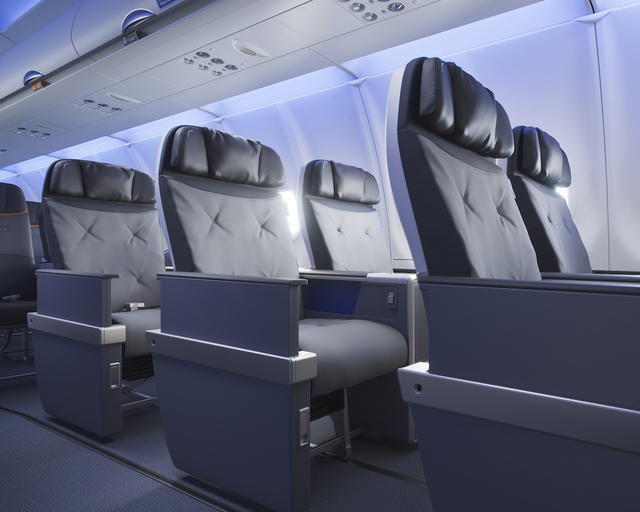
Once live, the expectation is that the airlines will offer reciprocal points earning and redemption opportunities, an interline agreement, and we’ll also see more cooperation when it comes to technology, including JetBlue’s Paisly platform.
Eventually — in 2027 and beyond — this partnership includes some fairly minor slot swaps at New York Kennedy (JFK) and Newark (EWR), since we know that United desperately wants to return to JFK. The thing is, what they’re requesting permission for is so minor that regulators have no reason to be concerned (of course if they try to extend the scope of that in the future, it would be a different story).
During the Q2 2025 earnings results, JetBlue President Marty St. George indicated that he expected the partnership to have even more financial benefit than initially planned, sharing the following:
“We believe Blue Sky will enable each airline to offer its customers access to hundreds of new flights and destinations through a traditional interline agreement, with the opportunity to earn and redeem loyalty points and miles across each other’s networks. United has agreed to transition its distribution of non-flight ancillaries such as hotels, rental cars, and more to our travel products subsidiary Paisly – turbocharging Paisly’s high-margin growth.”
“Blue Sky is expected to contribute $50 million more in incremental EBIT than we had initially planned for a partnership – accelerating JetForward. We are recalibrating the total program range and now anticipate $850 to $950 million in EBIT benefit by the end of 2027, up from $800 to $900 million previously.”
I wouldn’t read too much into this DOT approval
One would certainly hope that this deal isn’t something that regulators would object to. Many people will remember that the American and JetBlue Northeast Alliance was blocked by regulators, but that wasn’t due to the loyalty program collaboration.
Instead, that was due to the way in which the airlines coordinated schedules and fares on a widespread basis, which regulators found to be anti-competitive.
With the JetBlue and United partnership, the two airlines don’t plan on doing that, aside from a limited number of New York area slots in the future, which won’t tip the scale in a way that’s concerning to regulators.
My point is simply to say that I wouldn’t read much into what has happened here so far. I would’ve been absolutely shocked if regulators objected to an arrangement like this.
Now, I remain curious to see how this will all play out. We know United’s long term play here involves a much bigger presence in New York, and I struggle to see how starting to look into that two years down the road fits into United CEO Scott Kirby’s vision of airline dominance.
We know that Kirby is a competitive guy, and we know he thinks being at JFK is important. Seven daily slot pairs can’t actually be his end goal…
Bottom line
The JetBlue and United partnership is closer to becoming a reality, now that we know regulators won’t object. It’s expected to launch in the fall, with an interline agreement, loyalty perks, and more. There’s no reason this should’ve had any regulatory issues. I’m curious what this looks like 12 months down the road, though…
What do you make of the DOT giving JetBlue and United its blessing?


Membership is free and takes no more information than commenting as a guest. Earn status points for good contributions, and see fewer ads as your status grows.