
In recent years, we’ve seen EL AL report record profits, and the company is even facing a class action lawsuit, and is being accused of wartime price gouging. EL AL’s ticket prices have been through the roof, so a new competitor wants to enter the market, and establish a base there.
Competition is typically good for consumers, though EL AL is trying to block this initiative, with some pretty questionable logic, if you ask me.
EL AL lobbies Israeli government to block Wizz Air
Hungarian ultra low cost carrier Wizz Air wants to set up a base in Tel Aviv, Israel (TLV), to help lower fares there. We know the airline is trying to find new profitable bases out of which to launch operations, and frankly, this seems like a logical enough place to grow.
However, Israeli national carrier EL AL is trying to block this growth, with CEO Dina Ben Tal Ganancia sending a letter to Israeli authorities.
The letter argues that the plan to let Wizz Air grow in Tel Aviv “entails a risk of substantial harm to Israeli airlines in particular and to the State of Israel in general,” and that “it could lead to negative consequences for national resilience and the safety of the Israeli public on flights from and to Israel.”
EL AL also argues that Israeli airlines “serve as an air bridge between Israel and the nations of the world and play a vital role in maintaining the State of Israel’s resilience,” and that “this step adds to other measures that hurt Israeli aviation and creates competitive inequality.”
EL AL argues that this could be a “dangerous precedent that leads to granting similar rights to additional foreign airlines, pushing Israeli carriers out of the local market,” and that “while foreign airlines abandoned operations in Israel during times of emergency, Israeli carriers maintained the air bridge to the world.”
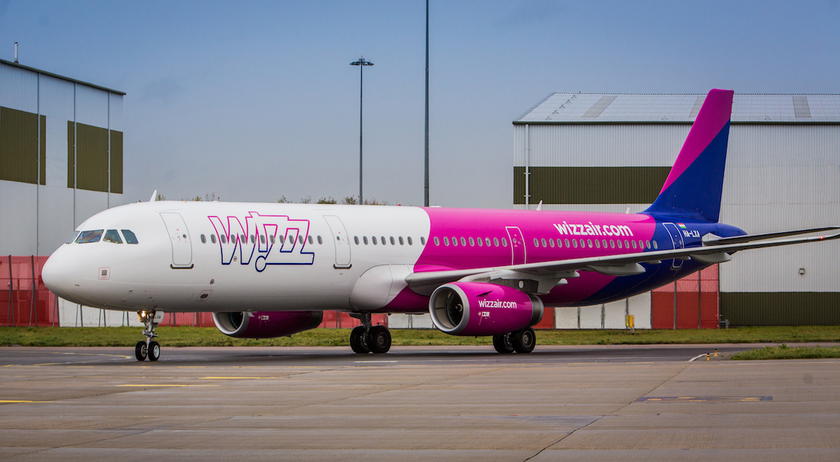
Is there merit to EL AL’s complaint about Wizz Air?
There’s simply no denying that Tel Aviv is a market with high fares, and EL AL has really been able to use the current situation to maximize its profitability. For example, in 2024, EL AL saw a 94%(!!!!) average load factor, and revenue per available seat mile increased by 24% year-over-year. That’s a dream situation for an airline to be in.
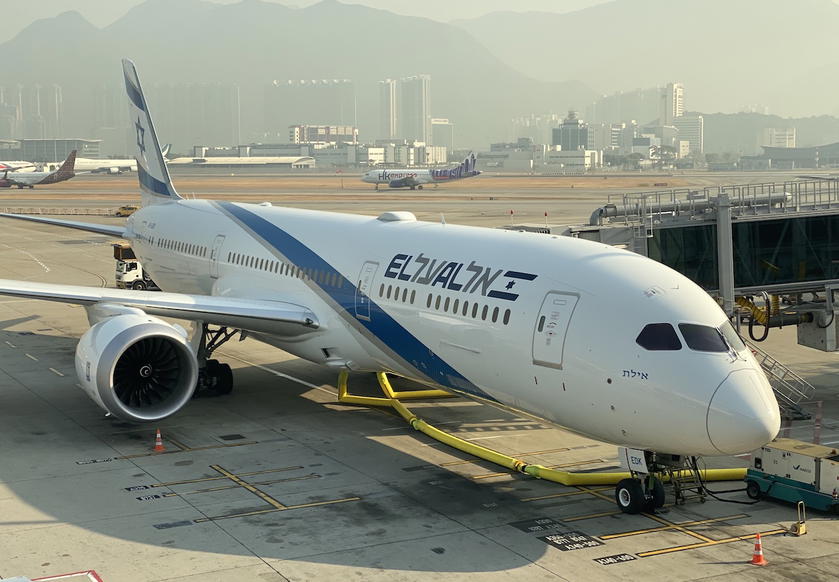
While it’s normal for all passengers flying from Israel to be subject to extra security screening, EL AL of course takes that to the next level, and the airline has been the only one operating consistently since October 2023. That’s possible for a variety of reasons — EL AL aircraft have missile defense systems, added security onboard, etc. For that matter, since EL AL is based in Israel, the airline doesn’t really have anywhere else it can fly planes.
Let me also emphasize that EL AL doesn’t fly on the Sabbath, so the carrier’s fleet is grounded one day per week. That’s based on religion rather than safety, but it obviously hurts the carrier’s cost structure, since it chooses to ground planes, and has to work its global schedule around that.
Should all of this be a basis for blocking other airlines, though? For example, foreign airlines operate to and from Israel without many of EL AL’s security features, and that’s allowed without too much pushback.
Essentially, EL AL’s argument is that “if you allow too much competition we won’t be able to compete, and if that happens, there’s not an airline that will serve Israel during times of war, and/or with planes that have extra security systems.”
Should Israel’s government be in support of that, or should consumers be allowed to decide what type of airline they prefer? If you ask me, travelers should be able to choose whether they prefer the lowest cost flight possible, or whether they want to pay a premium for what EL AL offers.
Essentially, the question boils down to whether EL AL is an extension of the Israeli government, or a for-profit, publicly traded company.
Bottom line
Wizz Air wants to open a base in Israel, but EL AL is trying to block it. EL AL’s argument boils down to how the airline can’t compete on price due to all the extra security features its planes have, plus its assurance that it will fly even during times of war.
So the concern is that Wizz Air will price tickets in a way where EL AL can’t compete, and in the long term, this could cause major issues for EL AL, threatening Israeli national security, etc.
I’ve gotta say, this is one of the more unusual arguments I’ve seen used to try to stop a competitor. Then again, Israel is a unique country in that regard.
What do you make of EL AL trying to block Wizz Air’s expansion?


Membership is free and takes no more information than commenting as a guest. Earn status points for good contributions, and see fewer ads as your status grows.