
In the past couple of weeks, we’ve seen two catastrophic accidents involving US-based airlines. Obviously our political climate is incredibly polarizing nowadays, and DEI has become a big topic. In the aftermath of both of these accidents, many people immediately suggested that DEI (diversity, equity, and inclusion) practices might be to blame.
If you look on social media, it’s clear that some people think that airlines are hiring pilots with little to no experience, simply because of the color of their skin or their gender. So in this post, I want to talk a bit about that. Look, obviously I have my own political beliefs, but I’m genuinely trying to come at this in as balanced of a way as possible, and if you read what I actually write, I think you’ll recognize that.
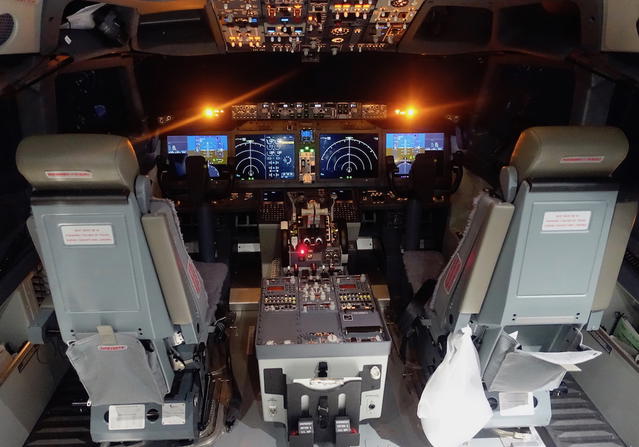
The requirements to become an airline pilot are steep
Do you take issue with airlines hiring inexperienced pilots simply because they are a minority of some sort? So do I! But that’s also not what’s going on at airlines.
In the United States, we have the highest requirements of anywhere in the world to become a commercial pilot. It takes a lot of time, and costs a lot of money. While people land airline jobs through a variety of means (some attend a flight training academy, some join the military, some become flight instructors, etc.), the requirements are steep.
For one, to get your Airline Transport Pilot (ATP) certification, you need at least 1,500 flight hours. That’s a lot of flying, and is a multiple of the requirement in much of the rest of the world. So you not only gain experience, but you have to complete all kinds of tests, with objective standards used to pass them. To be clear, there’s no DEI fast track to becoming a pilot. You need to meet the requirements, and that’s that.
The above are the minimum requirements to becoming an airline pilot, but obviously not all airline pilots have the same amount of experience. Like any profession, experience matters, and of course you’d probably rather fly with a senior pilot who has 20,000+ hours, than someone who freshly earned their ATP certificate.
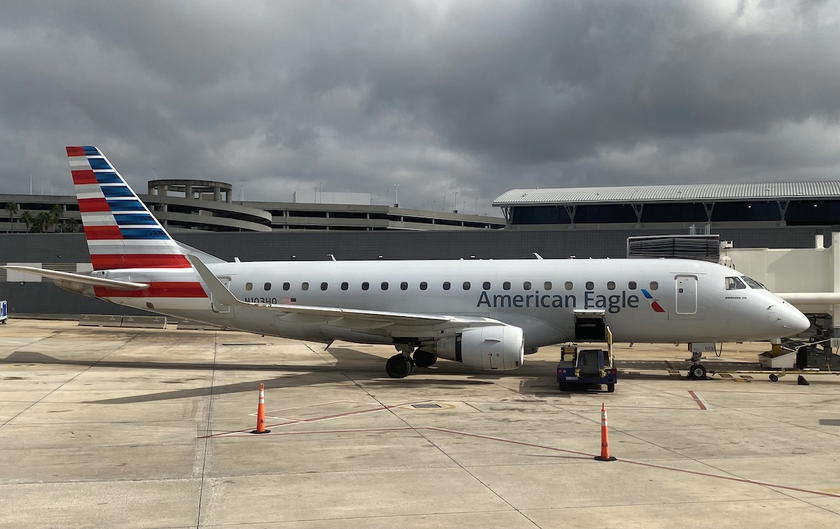
The pilot shortage has reduced flight deck experience
Factually, the average pilot in the flight deck of an airliner doesn’t have as much experience as they did 10 years ago. That’s not due to DEI, but rather, due to the pilot shortage that originated during the pandemic.
At the start of the pandemic, many senior pilots took early retirement packages, given that the demand for travel completely cratered. Airlines had way more pilots than they needed, and due to the CARES Act, airlines couldn’t lay off pilots, but could instead offer early retirement packages, so that’s what airlines did.
Travel demand ended up recovering faster than most people expected, and airlines quickly added back capacity. This also caused a huge pilot hiring spree. For some time, we had a significant pilot shortage. Because the requirements to become an airline pilot are so high, the industry suddenly found itself in a situation where there just weren’t enough pilots, given the number of experienced pilots who had retired.
In the United States, the way it generally works is that once pilots get their ATP certificate, they start off at a regional airline to gain experience. Then once they rack up more hours, they eventually move to their “forever airline,” which would typically be a carrier like American, Delta, Southwest, United, etc.
Then they work their way through the ranks, since seniority is what determines where you can be based, what kind of a schedule you can get, whether you’re first officer or captain, etc.
Once air travel demand started recovering after the pandemic, we saw a few things happening:
- Mainline carriers started hiring pilots with fewer hours than they may have in the past; this wasn’t due to any DEI practices, but just because there weren’t enough pilots
- People were promoted from first officer to captain with a lot less experience than pre-pandemic, simply because there was a shortage of captains (so many retired); nowadays there are some wide body captains at the “big three” US carriers in their 20s, which would’ve been unheard of 10 years ago
- The pilot shortage was so bad that many regional airlines had to ground planes altogether, because they didn’t have enough pilots to fly them
The point is that basically anyone who had all the certifications required to be a pilot could land a job at an airline. It doesn’t matter the gender or race or anything else. Airlines weren’t like “well, since we can only hire white dudes, let’s just ground these planes until we can find more minorities.”
Pilots are currently less experienced than they were 10 years ago, and that’s due to the number of retirements we saw at the start of the pandemic, rather than due to any DEI initiatives.
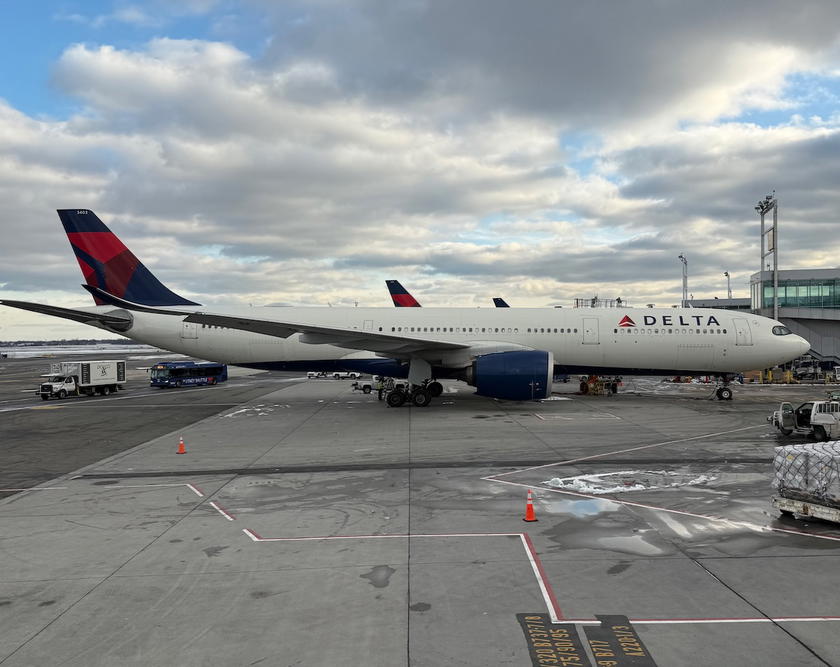
Where airlines do use controversial DEI practices
As I said above, I’m trying to be unbiased here, so it’s important to address this. If you’re going to make an argument about DEI being used for pilots, there’s one area where it absolutely is used — that’s with pilot training academies.
We’re starting to see some airlines set up subsidiaries that are essentially pilot training academies. Airlines haven’t historically had to do this, but the hope is that this gets a more consistent pipeline of pilots coming into the industry.
For example, there’s United Aviate, which is a pilot career development academy. This is an academy that trains people with no flying experience to become airline pilots. It in no way lowers the requirements to get your certifications and become a pilot, and it also doesn’t guarantee you a job at the airline. Furthermore, this is only one of many pathways to becoming an airline pilot, as there are endless other ways to do so as well.
Yes, United Aviate uses DEI, and promotes how it hopes to have a certain percentage of minority cadets, who historically might not have had the opportunity to become pilots.
Now, some people will argue that “I want the best pilots, regardless of the color of their skin.” I hear you, and I completely agree. What that misses is that these academies aren’t hiring pilots, they’re accepting people who want to train to become pilots.
If you’re starting from scratch, what are the metrics by which we should judge who is “best?” Should an IQ test be performed? Should it be the person who has the most traditional schooling, with an MBA preferred? Should it be the oldest person? The youngest person?
This is of course where we can get into a discussion about DEI, but I don’t think it’s relevant to the core of peoples’ concerns about the impact of DEI on the existing safety infrastructure in the industry.
The reason it’s not relevant is because these people still have to complete all certifications (with the highest requirements in the world) before they’re actually in the cockpit of an airliner. If we get to the point where white guys with 5,000 flight hours aren’t landing jobs at airlines while others are landing jobs with 1,500 flight hours, then I’ll be right there with you, in expressing my concerns, and calling that out. But it just doesn’t reflect the current reality.
Bottom line
In light of recent accidents, there’s a lot of misinformation about how DEI is used in the airline industry when it comes to hiring pilots. The current lack of experience we see in flight decks (compared to a decade ago) is ultimately a “juniority” problem, that originated due to senior pilots retiring at the start of the pandemic.
I’m not saying that this has been the cause of any accidents, but rather, my point is that there has been such a pilot shortage that basically anyone who has had the proper certifications has been able to land a job at an airline over the past several years. Fortunately the US has very high standards when it comes to requirements to become an airline pilot.


Membership is free and takes no more information than commenting as a guest. Earn status points for good contributions, and see fewer ads as your status grows.