
Rewards cards in the U.S. can be extremely lucrative, particularly in the travel sector. But what are your options if you’re still building your credit, or otherwise don’t have those Very Good to Excellent credit scores that you need to be approved for the most rewarding credit cards?
We’ve written in the past about the best ways to start obtaining credit as a college student, and many of those tips apply for people who aren’t necessarily students.

I received dozens of questions from folks at the Chicago Seminars last weekend about how to help build credit for immigrant spouses, adult children, those who just don’t have quite the score they need, and similar circumstances, so thought it would be helpful to go through some of the options for improving and diversifying your credit portfolio.
As always, if you’ve gone through these processes yourself please share your experiences in the comments!
Secured credit cards
While a pre-paid card can be convenient, it won’t help build your credit. As long as you have enough credit established to open a bank account (with a co-signer, if necessary), and haven’t a bankruptcy in the past two years, you can probably get a secured line of credit.
Secured credit cards work by requiring you to deposit $x in a specific account, which then is used as collateral against the credit limit. You can use your secured card just like a normal card, and then pay your bill as normal. The idea is that should you not pay your bill, the bank hasn’t really lost anything — they can just claim your deposit money.
But obviously, you want to pay your bill on time, as that’s what is going to help build your credit.
Secured cards generally start with a low limit, that is typically roughly equal to the deposit required. Over time, as you show that you can responsibly use your credit line and make timely payments, these limits can be increased.
In the interim, a good secured card will report to the credit bureaus each month. A full 35% of your credit score is based on your on-time payment history, so showing these reliable payments can make a big impact if you don’t have much credit history.
Here is an option for a secured card: The Visa® Platinum Secured Credit Card from Digital Federal Credit Union.
Many local banks and credit unions offer some variation of a secured card, so if you have an institution you already like working with, you can check there as well. Just make sure the account you’re opening reports to all three of the major U.S. credit bureaus every month (and that you pay on time!), and that you’re working with a reliable and legitimate financial institution.
Installment loans
While the types of credit you have only accounts for 10% of your score, it’s still an area where you can improve your score by being strategic.
Credit cards are considered “revolving” lines of credit — you charge some, you pay some, you charge some, you pay some, etc. Money is always moving in and out.
“Installment” loans are those that have a starting balance, and that you pay over time. So things like mortgages, car loans, and so forth would fall into this category.
For those of us who have a lot of credit cards, adding an installment loan can improve your credit profile by diversifying the types of credit you have. If you are adding lots of revolving credit accounts, in a short period of time, it can look a bit risky to banks (and their credit analysts) compared to a more balanced portfolio.
And again, on-time payments has such a huge impact on your score, and in addition to bringing diversity to your credit, an installment loan will also report your payment frequency, so there’s a bit of a double-dip.
So if you’re considering purchasing a car, for example, it can make sense to take out a bit of a loan even if you were planning on paying cash. Even a very small installment loan will show favorably on your credit.
If you don’t have a need for home or car loans, you can still get an installment loan, using similar tactics as you’d use to get a secured card. Again, you want to work with a reputable financial institution here, not a payday loan place or something.
An alternative to installment loans
Another tactic that I’ve heard people have success with is Self Lender.
While this reports on your credit as an installment loan, you aren’t actually borrowing the money upfront. Instead, you commit to saving/depositing a certain amount each month, and then get the funds (minus the Self Lender fees) at the end of the term:
Unlike a traditional loan, a credit builder account does not allow you to immediately withdraw the money upfront. Instead, your 12-month or 24-month loan is immediately placed into a FDIC-insured, 12-month or 24-month certificate of deposit (“CD”) account. The CD account is held in your name at Sunrise Banks, N.A. or Lead Bank. These funds are locked and not available for withdrawal until the loan is paid in full.
For example, if you have a $1,000 credit builder account that started on today with a 12-month term. Your CD would mature on 12 months from today with $1,001.00.
It’s a pretty cool program, and worth checking out if you’re building or repairing your credit.
Become an authorized user
Another 15% of your score is your credit history or age of credit, so obviously if you don’t have much-established credit that can significantly impact your score.
One thing that can help is becoming an authorized user on an account of someone who has a lengthy credit history. For both Ben and I, for example, we were authorized users on our respective parents’ American Express Platinum Card® as teenagers, which helped bolster our credit scores, because they’d had their cards for so long.
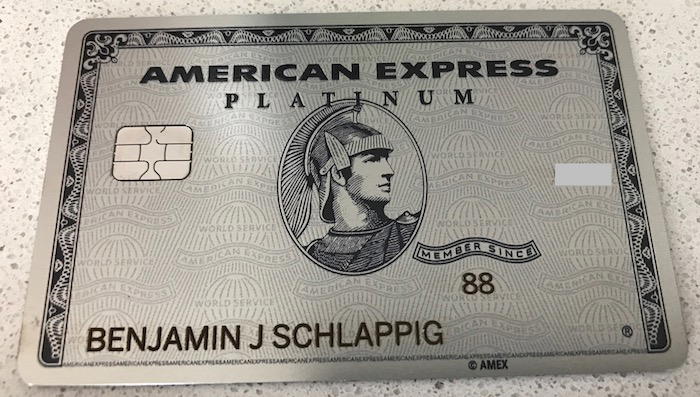
So if you are trying to help a family member build credit, consider adding them as an authorized user to one of your older accounts. You don’t even need to give them the physical card — as long as you continue to manage your credit responsibly they’ll reap some of the reporting benefits.
Bottom line
Overall, demonstrating financial responsibility over a long period of time is the best way to improve and build your credit score. But there are a few tactics you can use to accelerate that timeline, or diversify your overall credit portfolio if you have too many revolving accounts.
Have you helped someone build or improve their credit in the U.S.? What did you do?


Membership is free and takes no more information than commenting as a guest. Earn status points for good contributions, and see fewer ads as your status grows.