
Air India is going through a massive transformation at the moment. In late 2021, the airline was privatized, with Tata Group, the company that founded Air India, once again being in control of the national carrier, and trying to bring it back to its former glory.
As you’d expect, this is no small task, given how much worse the airline became over the decades. In early 2023, Air India placed a record-breaking aircraft order, picking up 470 jets from Airbus and Boeing. The airline has now disclosed that it has increased this order by an additional 100 jets, bringing Air India’s order total to 570 jets.
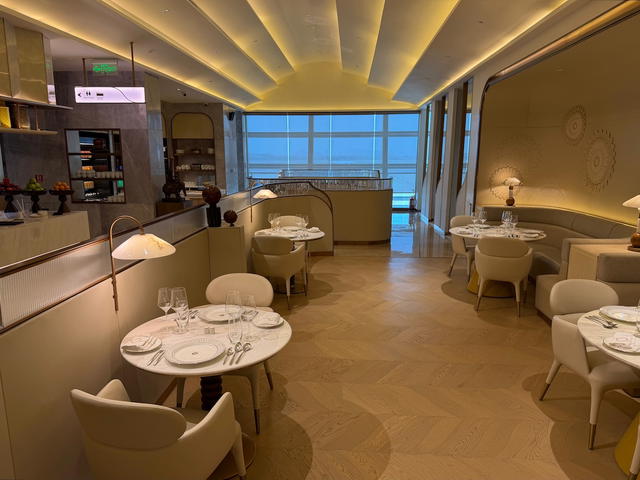
Air India picks up more A320s & A350s
In early 2023, Air India placed the following aircraft order with Airbus and Boeing:
- Air India announced plans to purchase 250 Airbus jets, including 140 A320neos, 70 A321neos, six A350-900s, and 34 A350-1000s
- Air India announced plans to purchase 220 Boeing jets, including 190 737 MAXs (including the -8 and -10 series), 20 787-9s, and 10 777-9s
Air India’s Airbus order has evolved quite a bit, including switching around the variants of aircraft it ordered, plus increasing the total number of planes on order. Air India’s Airbus order is now comprised of 350 jets, including 105 Airbus A320neos, 195 A321neos, 25 A350-900s, and 25 A350-1000s
The evolution of this order is quite interesting:
- When it comes to narrow body aircraft, Air India has heavily modified its A320neo-family order to be more focused on the larger A321neo variant than the smaller A320neo variant
- When it comes to wide body aircraft, Air India was initially all-in on the larger A350-1000 variant, but ultimately decided to significantly increase its A350-900 order as well
Note that six of the A350-900s that were ordered have already been delivered, as these are the jets that were intended for Aeroflot, but couldn’t be delivered due to sanctions.
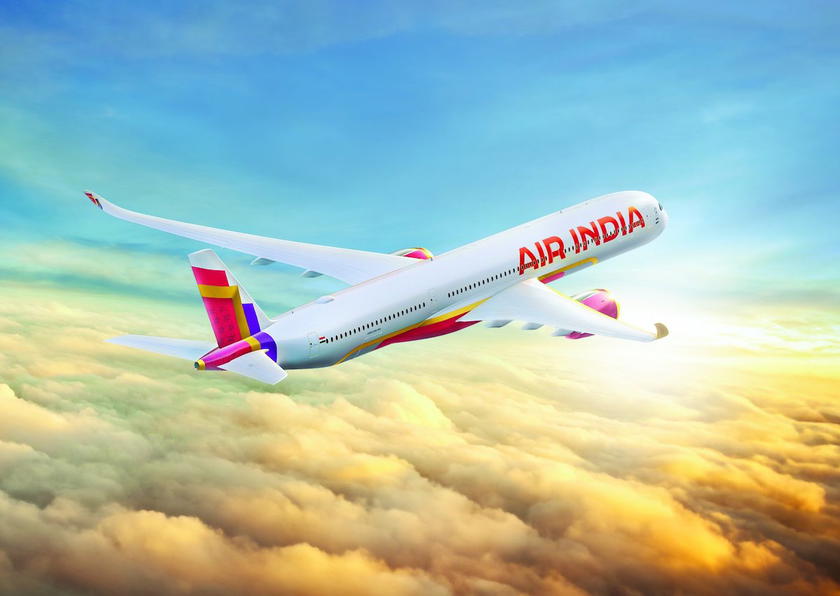
My take on Air India’s evolving Airbus order
With Air India’s updated Airbus order, I find it interesting how the airline has become more focused on the larger aircraft variant for narrow body jets, while it has become more focused on the smaller aircraft variant for wide body jets.
Obviously larger aircraft variants have lower per-seat costs — both the A321neo and A350-1000 have incredibly good economics, since they only have incrementally higher fuel burn than the smaller variants.
The question, of course, is if airlines can fly larger aircraft variants without it impacting yields. Those incremental seats are only worth something if you can fill them, and in particular, if you can do so without having to charge lower fares.
I see both sides here. On the one hand, India is an aviation market growing at an incredibly fast pace, and as Indian carriers try to reclaim market share from Gulf carriers, you’d think there would be no end to demand. On the other hand, even in markets where demand is increasing significantly, airlines do consistently struggle with filling larger aircraft variants.
Air India’s Airbus order is definitely now more “balanced” than it was back when it was first placed, as initially the only A350-900 jets were going to be the ones that were intended for Aeroflot.
Bottom line
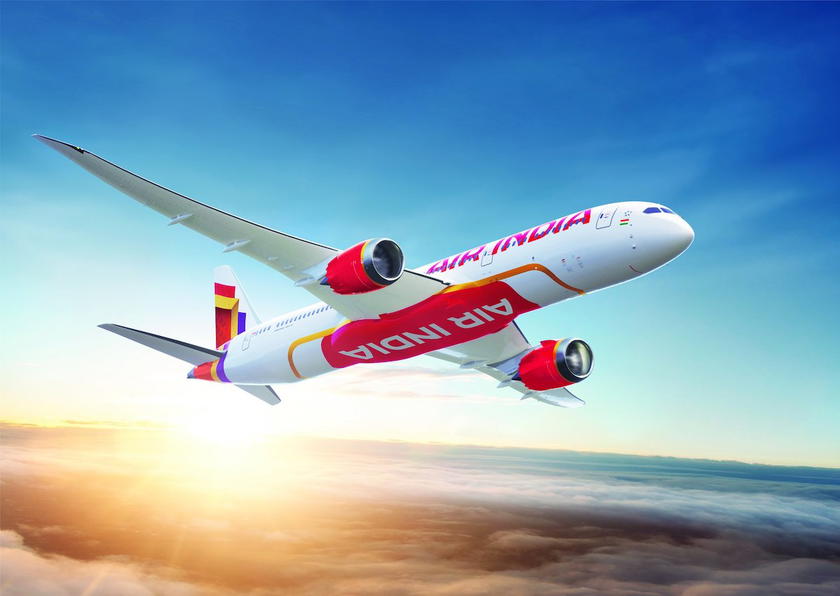
Air India has increased its order for Airbus jets. The airline has boosted the order from 350 jets to 450 jets, and has also changed up the variants on order. Air India is now more focused on the A321neo (rather than the A320neo), while the airline has also boosted its A350-900 order (while decreasing its A350-1000 order).
What do you make of Air India’s incremental Airbus order?


Membership is free and takes no more information than commenting as a guest. Earn status points for good contributions, and see fewer ads as your status grows.