
As we see airlines continue to retire four engine planes, it’s pretty clear that the future of long haul aviation involves planes with two engines. In that sense, the two planes that are really revolutionizing long haul air travel are the Airbus A350 and Boeing 787 (maybe the Boeing 777X will also eventually do that, but it’s not yet certified).
What makes these planes so incredible is their fuel efficiency, range capabilities, low operating costs, and relatively low capacity (at least compared to planes like the Airbus A380 or Boeing 747), which is a great combination for airlines to maximize revenue.
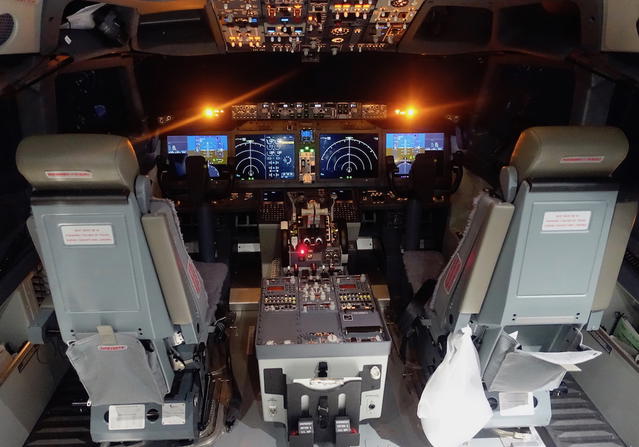
This has made all kinds of routes economically feasible that may not have previously been. It has also opened all kinds of new ultra long haul flights.
While flying both the A350 and 787 is a joy, I do have a preference between the planes, and in this post wanted to go into a bit more detail as to why. I’d also love to hear from OMAAT readers as to which plane you prefer.
Airbus A350 vs. Boeing 787: which plane is better?
Personally I prefer the Airbus A350 to the Boeing 787, so let me talk a bit about why. I’m coming at this mostly from a passenger experience and avgeek perspective, but will also talk a bit about the plane’s capabilities. Obviously I’m not approaching this from an engineering or finance perspective, in terms of which planes airlines should use for their fleet renewal.
Before discussing the differences, let me hit on a couple of key things that I love about both the Airbus A350 and Boeing 787, which are roughly comparable:
- Both jets are really quiet, which can make a big difference in terms of getting comfortable; Airbus claims that the A350 is five decibels quieter than the 787, but honestly, I can’t say that I notice a huge difference there
- Both planes have cabin pressure altitudes that are way lower than on other jets, meaning the air generally isn’t as dry; apparently the A350 has cabin pressure equivalent to an altitude of 5,500 feet, while the 787 has cabin pressure equivalent to 6,000 feet
As you can see, the differences there are very minor, and I think the biggest takeaway is that these are both areas where the two jets excel.
Why I prefer the Airbus A350
The Airbus A350 is superior to the Boeing 787, in my opinion. While the differences might be minor to the average consumer, these are things I notice as an avgeek.
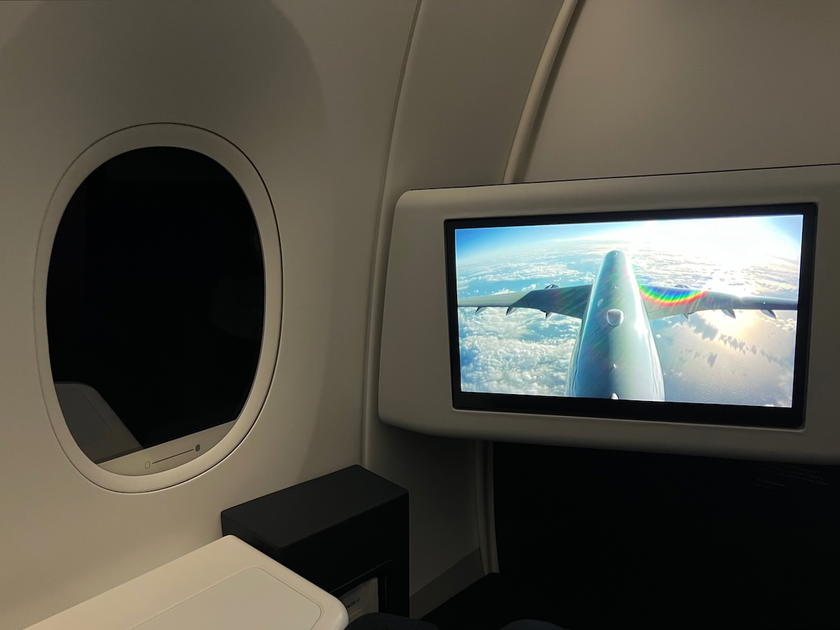
For one, the A350 comes with the option of airlines installing a tail camera, so it’s common among A350 operators, while you won’t find that on any 787 operator. Tail cameras are literally my favorite inflight entertainment on any airline, period.

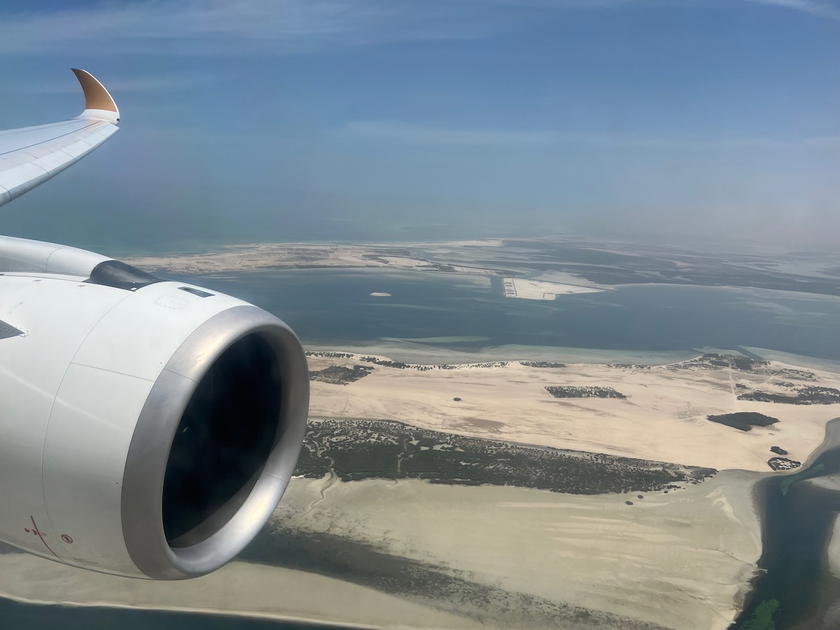
Also, I just find the A350 to be such a sexy plane, more so than the 787. I love the “raccoon” mask, plus the blended wingtips… swoon.
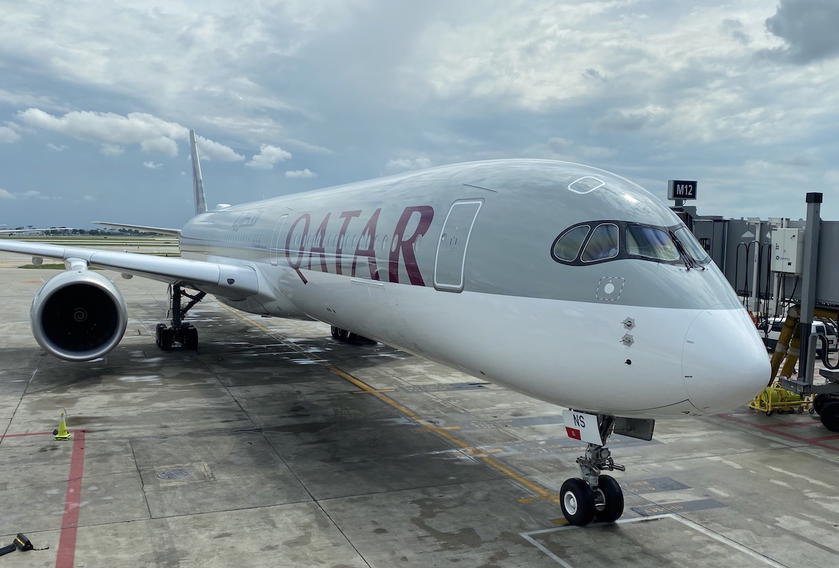
While the 787 has huge windows, I’m not a fan of the dimming technology used in them, in place of traditional window blinds. Instead, the windows just dim at the push of a button. That sounds great in theory, except in practice, these dimmers don’t do a great job blocking out the light, especially if the sun is on your side of the plane. I also don’t like when crews override this system, and choose the window shade setting for everyone.
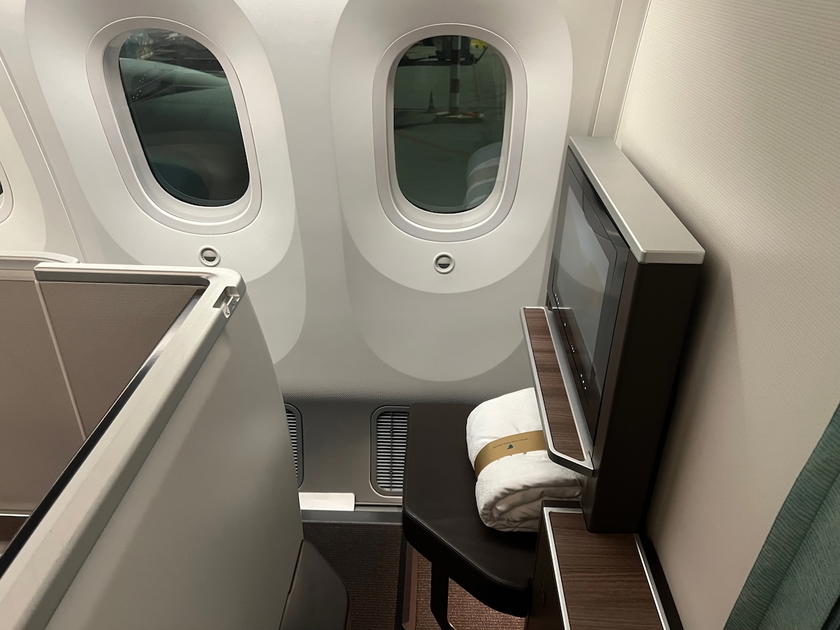
Historically, A350s have had the standard window shades, which you can lower and raise. Personally I prefer that. However, the newest A350s, known as “new production standard,” do have the option of dimmable window shades. I find these to be higher quality than the 787 equivalents, and they also do a better job of blocking out light.
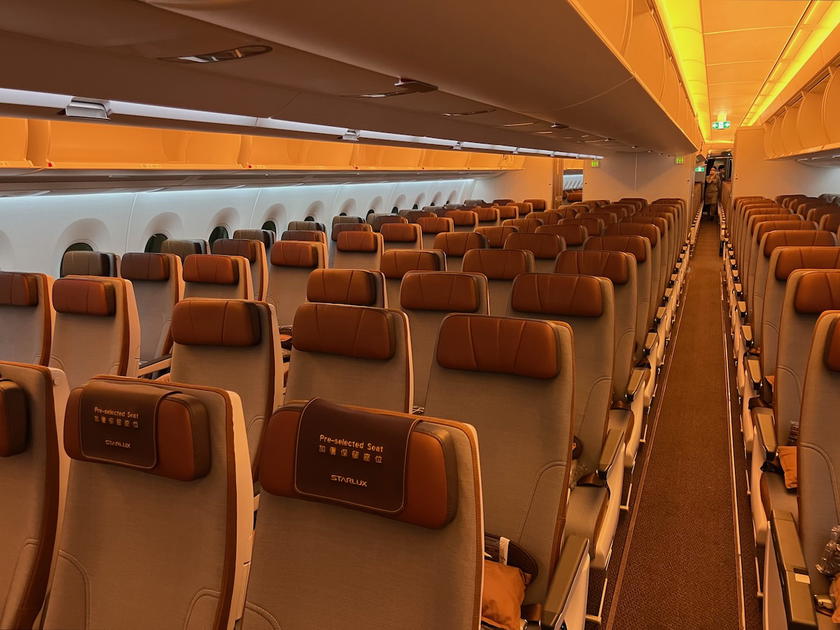
The A350 cabin is also marginally wider than the 787 cabin, especially the “new production standard” version of the aircraft. While the difference is marginal, you might feel it in economy, where every fraction of an inch counts.
Now, while the standard is for both jets to have nine seats per row in economy, a very limited number of operators have eight seats per row on the 787, and 10 seats per row on the A350.
Last but not least, you can’t help but respect what an incredible jet the A350-1000 is, in terms of its capabilities. It’s higher capacity than any version of the 787, and it also has the potential to be the longest range. Qantas is using the A350-1000 (with additional fuel tanks) for its Project Sunrise flights, which will connect Sydney and Melbourne to New York and London, in some cases operating 20+ hour journeys.
Where I see merit to the Boeing 787
To be balanced, there are also some areas where the Boeing 787 is superior to the Airbus A350. I do have to acknowledge that Boeing has a bigger product range, as it has three Dreamliner variants — the 787-8, 787-9, and 787-10. Meanwhile Airbus only has two variants — the A350-900 and A350-1000.
The 787-8 is unique in offering a fairly low capacity but an incredibly long range, and Airbus doesn’t have a direct competitor to that. In terms of size, the 787-8 is most comparable to the A330-900neo, except that jet doesn’t have the range of the 787.
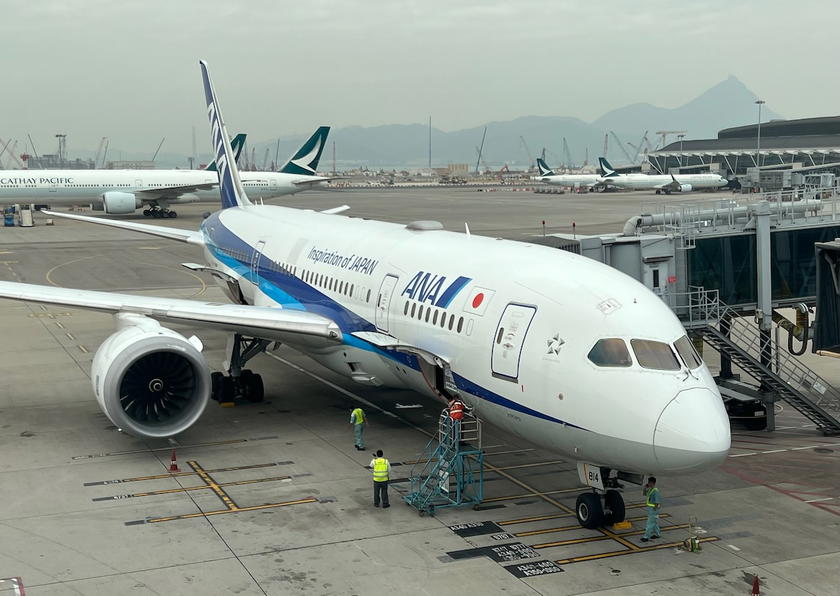
One other potential advantage of the 787 over the A350 is that the former has a no-bleed air system, while the latter has a bleed air system. The engine bleed system is standard on most planes, and it essentially means that air in the cabin flows through the engines. From a passenger experience standpoint, it means you’re more likely to deal with fumes (like during deicing) on the A350.

Bottom line
Both the Airbus A350 and Boeing 787 are revolutionary in terms of the opportunities they’ve opened up for new routes to be economically viable. As we see airlines retire larger planes, it’s increasingly clear that these wide body jets represent the future of long haul travel.
While I’m always happy to fly either the A350 or 787, I do have a preference for the A350. As an avgeek, I love the plane’s tail camera, design, superior windows, and more comfortable cabin. Like I said, though, both planes are great…
Do you prefer the Airbus A350 or Boeing 787?


Membership is free and takes no more information than commenting as a guest. Earn status points for good contributions, and see fewer ads as your status grows.