

For a few years now, regulators in the United States have been proposing a common sense change that would make it easier to investigate aircraft incidents and accidents (and in turn, make flying safer). While there has been quite a bit of pushback from pilots, there’s some good news, as this change will finally be implemented.
In this post:
Cockpit voice recorder will start recording 12.5x longer
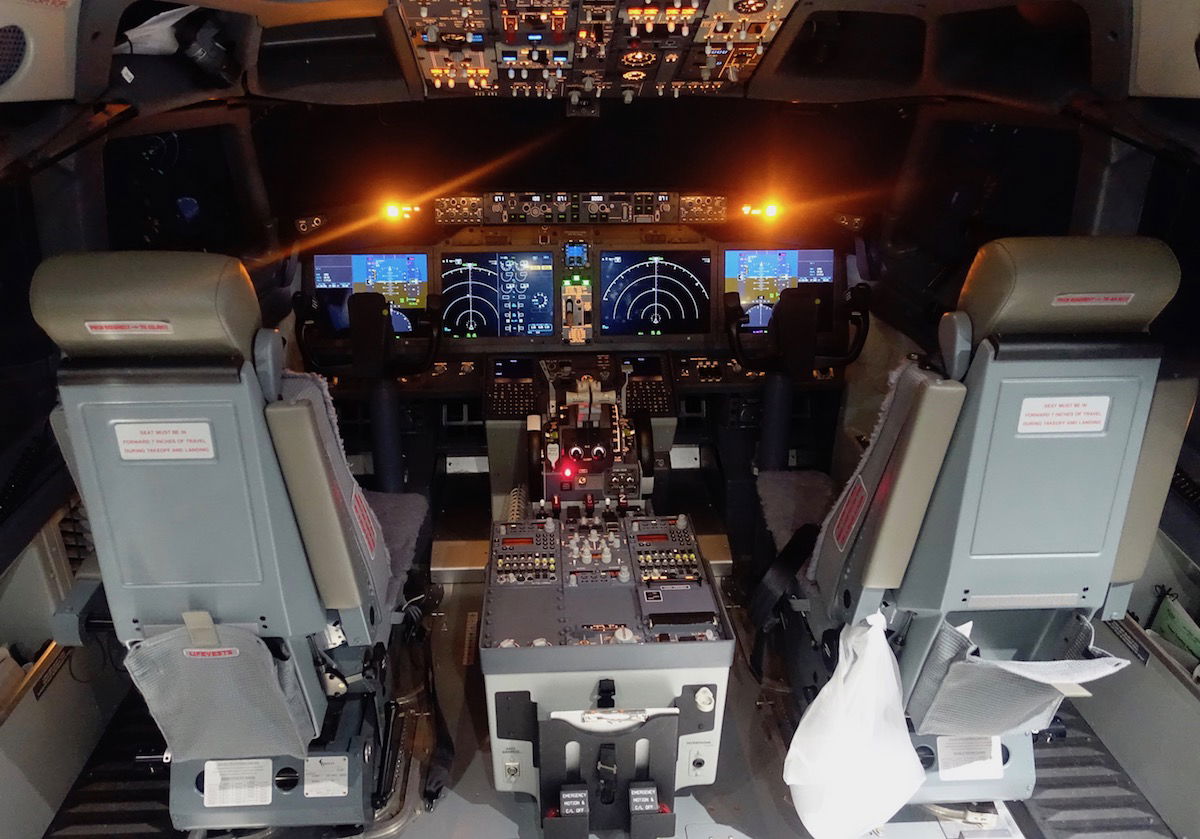
One of the reasons that aviation is so safe is because we learn so much from every incident, to prevent something similar from happening in the future. This is largely thanks to flight data recorders (which paint a picture of the aircraft’s performance prior to an incident) and cockpit voice recorders (so that investigators can hear what the communication was like in the cockpit prior to an incident).
One major challenge with cockpit voice recorders is that they only record for two hours. If you have an accident and the plane can’t fly again, then you have the last two hours of communication. Meanwhile if an incident occurs but the plane can still fly, that data will pretty quickly disappear.
Back in 2023, the Federal Aviation Administration (FAA) proposed extending the cockpit voice recording requirement to 25 hours. The FAA had pledged to take action on this issue following the Safety Summit in March 2023, during which more than 200 safety leaders met to discuss ways to enhance flight safety.
As it was described by former FAA Administrator Mike Whitaker, “this rule will give us substantially more data to identify the causes of incidents and help prevent them in the future.” Regulators say that there have been over a dozen incidents since 2003 where investigators would have benefited from being able to hear recordings, but couldn’t, due to the two-hour limit.
After a drawn out process, a rule has finally been issued on this, and the requirement will be implemented. This aligns regulations in the United States with regulations set by the International Civil Aviation Organization (ICAO) and European Union Aviation Safety Agency (EASA).
The new 25-hour cockpit voice recorder requirement applies to all newly manufactured aircraft as of 2027, and also has to be retrofitted on existing passenger aircraft by 2030.
Pilots have broadly been opposed to this change
To me this seems like a common sense change. If we agree that a cockpit voice recorder contains useful information, then isn’t it more useful to be able to hear what happened for a longer period of time? Many incidents aren’t reported immediately, or happen at the beginning of the flight, so the data never gets recovered.
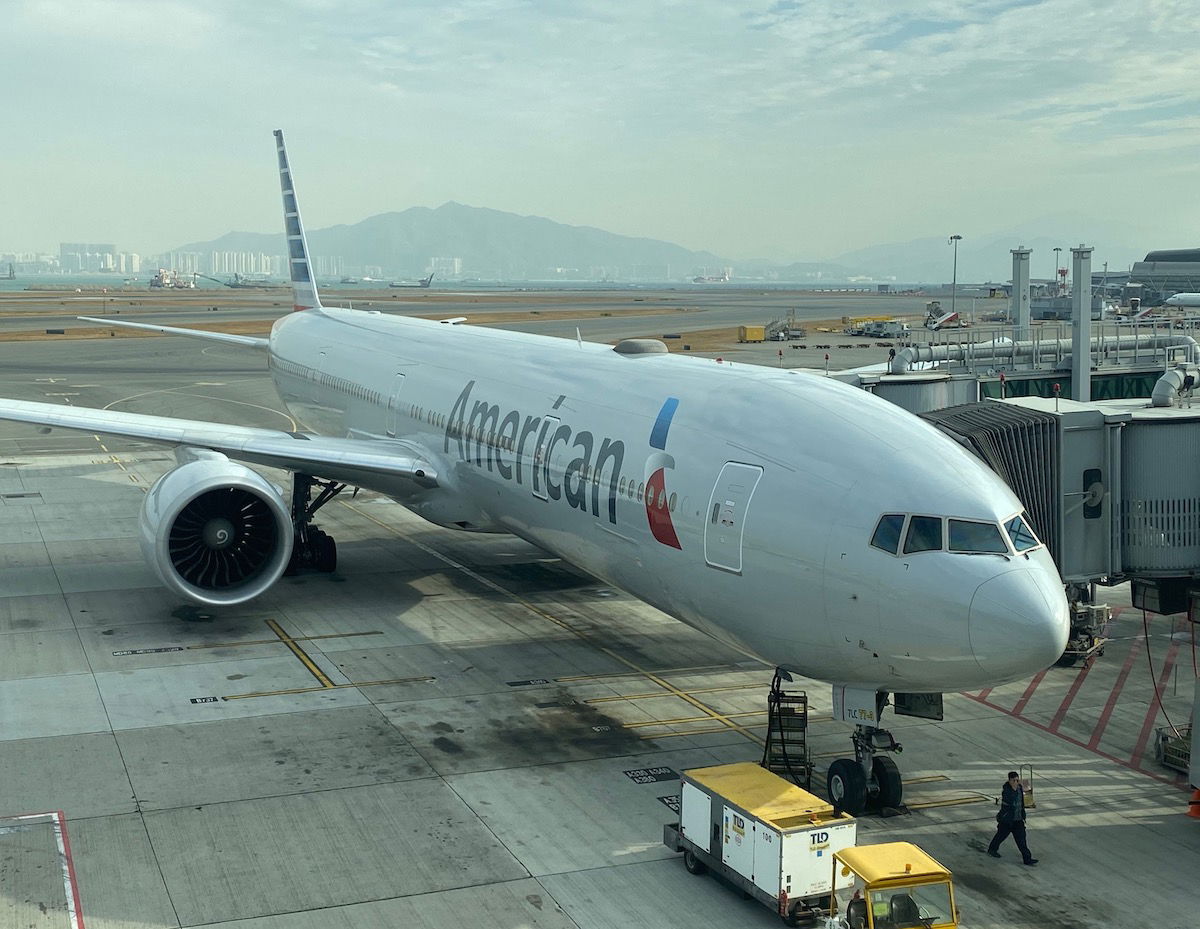
For example, in 2023, when an American 777 taxied onto an active runway at JFK and caused a near disaster, the conversation in the cockpit couldn’t be recovered, since the aircraft continued its flight. Furthermore, the pilots weren’t exactly being cooperative in complying with what regulators had asked. After all, pilots are typically looking out for themselves and their careers.
This change got some pushback from unions representing pilots, specifically surrounding privacy. For example, the Air Line Pilots Association (ALPA), the largest union representing pilots, had expressed the following concerns when this was proposed:
“Current law requires the NTSB to protect the privacy of the data contained on the flight deck voice recordings, but does not prevent airlines or others from disclosing that information, and additional safeguards need to be put into place to keep them from doing so. The pilot community does have concerns about whether the information could be publicly released.”
I find this argument to be a little strange:
- Why would an airline release the transcripts of cockpit voice recorders publicly, beyond what’s vital to an investigation?
- Pilots are very well paid professionals flying aircraft worth $100+ million, with hundreds of lives in their hands, and they have specific procedures to follow; just as police officers have body cameras, it’s useful to be able to get a full picture of what happened when things do go wrong
- I see some pilots essentially arguing that aviation in the United States is so safe, and we don’t need any changes to these procedures; pilots also often argue that we need changes to crew rest rules surrounding fatigue, so should we dismiss those concerns because flying is already so safe, and there’s no need to improve?
Honestly, I think it’s pretty clear why some pilots object to this — if things do go wrong, they don’t want investigators being able to listen to what they were saying leading up to the incident. While most pilots are professionals and do a great job keeping us safe, transcripts from cockpit voice recorders often have some shocking conversations.
But understanding the mindset of what pilots were talking about and how their communication was throughout a flight can also help improve aviation safety when things do go wrong.
On a related note, we really also need cockpit video recorders, which is something that the National Transportation Safety Board (NTSB) has been calling for, but which the pilot community has opposed. I don’t think the need for these has ever been clearer than now, following last year’s mysterious crash of Air India flight AI171, which lost all power after takeoff.
It’s widely believed that the captain intentionally cut all power to the engines moments after takeoff, while others argue it was a catastrophic failure. You know what settle this in a split second? A cockpit video recorder…
Bottom line
After talking about it for years, the FAA has finalized a rule to increase the recording period for cockpit voice recorders from two hours to 25 hours. This follows a series of incidents where being able to analyze the cockpit voice recorder would have been useful.
It’s nice to see this finally become a reality, because there’s simply no reason that investigators shouldn’t get as much information as they can when something goes wrong. I hope they also move forward with their cockpit video recorder concept, as I’d love to see anyone make a case against that in light of the AI171 incident.
What do you make of the recording period for the cockpit voice recorder being extended?




Two hours is already overkill. When voice reorders were proposed in the mid 60's and became required in 1967 they only recorded 30 minutes which was all that's needed. We were promised it was for accident investigation only and would never be released to the public. Now it's in the news the next day. Pilots are entitled to private conversations in the workplace same as anybody else. No crew is going to be in the...
Two hours is already overkill. When voice reorders were proposed in the mid 60's and became required in 1967 they only recorded 30 minutes which was all that's needed. We were promised it was for accident investigation only and would never be released to the public. Now it's in the news the next day. Pilots are entitled to private conversations in the workplace same as anybody else. No crew is going to be in the same cockpit for 25 hours. 25 hours would include multiple crews. How is recording the conversation of crews that flew the airplane two or three days ago going to help an investigation? Police have body cams but they only turn them on when needed. Their every word in the workplace is not recorded. Two hours is more than adequate for any accident. When you have a hammer in your hand everything looks like a nail! Stick with two hours!
Is it just me or me or do we get another datapoint on why pilot and police unions should be outlawed every week or so.
If US pilots are so upset they should just go fly for European or ME carriers, whose pilots they’ve blocked from flying here.
If you are employed, how would you like having all of your conversations recorded while you are at work? I would bet that you would be screaming about your rights being violated.
As usual the blogger and almost everyone on this thread is wrong as to the why the unions do not want changes to the rules. The problem is most the people on this blog are not aviation nor legal professionals or have dealt with accidents. Unfortunately you view things thru a lens of an US based amateur aviation enthusiast except for Tim who thinks he’s an expert in all matters, which he is not. The...
As usual the blogger and almost everyone on this thread is wrong as to the why the unions do not want changes to the rules. The problem is most the people on this blog are not aviation nor legal professionals or have dealt with accidents. Unfortunately you view things thru a lens of an US based amateur aviation enthusiast except for Tim who thinks he’s an expert in all matters, which he is not. The issue is most pilots and their unions are worried about the release of the “actual recording” , they do not want their families hearing their death on a recording because the accident occurs in another country where the laws are not like the USA and pilots are guilty until proven innocent. The foreign country will use the recording on their behalf to make the pilots look bad and their own country to be seen in a better light by the world. The longer the recording the more data to smear the pilots in the eyes of the public, it has happened before and it will happen again. There is the truth.
What if a pilot decides to join the mile high club with one of the stewardess? The pilots don't want the FAA to hear all that ?? The 25 hr recorder just isn't fair !!
Once the aircraft is on autopilot, conversations about what they did over the weekend is no one's business except the one you share it with. With that being said, if its inappropriate about where someone went and what they did, you wouldn't be telling about it anyway. As professionals, it should always be kept professional. Pilots are still in their office environment until the leg is thru. Its the same concept as using the computer;...
Once the aircraft is on autopilot, conversations about what they did over the weekend is no one's business except the one you share it with. With that being said, if its inappropriate about where someone went and what they did, you wouldn't be telling about it anyway. As professionals, it should always be kept professional. Pilots are still in their office environment until the leg is thru. Its the same concept as using the computer; If you dont want anyone to know something, stay off the computer! If you want to keep something private, dont tell anyone!
Many of you are missing the point of the privacy argument. Pilots spend many hours in cruise with a low workload. Conversations happen, and sometimes those conversations are deeply personal (i.e. talking about their divorce, their kids' drug problem, etc.).
Pilots aren't concerned about hiding what was said by a crew during an accident flight. But a twenty-five-hour recording could cover numerous flights flown by different crews. An accident or company investigation could publicly reveal...
Many of you are missing the point of the privacy argument. Pilots spend many hours in cruise with a low workload. Conversations happen, and sometimes those conversations are deeply personal (i.e. talking about their divorce, their kids' drug problem, etc.).
Pilots aren't concerned about hiding what was said by a crew during an accident flight. But a twenty-five-hour recording could cover numerous flights flown by different crews. An accident or company investigation could publicly reveal personal conversations from crews who weren't even involved in the accident.
Imagine this: we put audio recorders in the bathrooms at your workplace. You go to the bathroom and chat with your friend about an embarrassing personal problem. The next day, a coworker is injured in the bathroom and the company pulls the audio tapes. Your personal conversation from the day before is now available to the company investigators, even though you weren't involved. Worst case, your conversation becomes public during the investigation and litigation, and everyone in the world knows about your embarrassing problem.
That's one side of the privacy argument, and the FAA and airlines have done nothing to address it. Neither of those entities are trustworthy.
Some pilots fear that if they make a mistake their family will suffer.
Somehow my opposite take is that "sometimes shit happens" and in cases where there is a lack of proof (AI171?) there may be a false or no outcome which might be just as bad. Or might assign pilot error as nothing else can be proved.
Better to have all the truth, audio and video, live to the CLOUD
100x for this. As we were boarding a plane and seated the pilot announced we had a staff shortage and had to disembark; ground staff gaslit us and claimed the weather. MAKE. THEM. PAY.
Fwiw, it's entirely possible BOTH were the true answer. There's so much going on "behind the scenes" in scheduled flying, that most don't realize or will ever see. Weather on the other side of the country, can affect staffing on your flight 1000's of miles away.....crews and airplanes are constantly being shuffled around, to be in position for the next flight.
Cockpit voice recorders should be mandatory for 1 & 1/2 times the scheduled flight. Along with all the other information recorded..PERIOD.
People / the public should also demand on flights longer than 3 1/2 hrs or be international ,have a 3rd person in pilot cabin. And that there always be 3 people in pilots cabin in flight every minute; even if 1 pilot takes a piss. For privacy concerns there should be a standard...
Cockpit voice recorders should be mandatory for 1 & 1/2 times the scheduled flight. Along with all the other information recorded..PERIOD.
People / the public should also demand on flights longer than 3 1/2 hrs or be international ,have a 3rd person in pilot cabin. And that there always be 3 people in pilots cabin in flight every minute; even if 1 pilot takes a piss. For privacy concerns there should be a standard on the type of incident to check on the nuance of every conversation
So how many people here would appreciate a recorder at their desk? Or, perhaps, a piece of software monitoring their computer usage. After all, we are all professionals and not supposed to shop Amazon during work hours, right?
Yes, CVRs and especially video recorders can provide extremely valuable information in the event of incident.
But it can also be used (not by every airline by far - but by some) to conduct...
So how many people here would appreciate a recorder at their desk? Or, perhaps, a piece of software monitoring their computer usage. After all, we are all professionals and not supposed to shop Amazon during work hours, right?
Yes, CVRs and especially video recorders can provide extremely valuable information in the event of incident.
But it can also be used (not by every airline by far - but by some) to conduct "random spot checks" - has the FO worn the uniform in compliance with company guidelines? Or used by-the-book language to notify captain he needs toilet break?
Or used by cockpit crew members in the event of personal conflict (was the joke told by FO been really unappropriate?)
So double edged - increased opportunity of evidence collection at the expense of pilots having to worry about carefully watching their language in addition to concentratng on flying the plane
Welcome to 2025... Because that's already a thing for a lot of people. Like, almost all businesses today that have any significant amount of computers use an MDM, such as intune. Those MDM systems now log anything the business tells it to log and records anything the business tells the device to record. Generally that's pretty much unlimited on desktop systems. Phones are even more commonly handled in an MDM, but they're more limited there,...
Welcome to 2025... Because that's already a thing for a lot of people. Like, almost all businesses today that have any significant amount of computers use an MDM, such as intune. Those MDM systems now log anything the business tells it to log and records anything the business tells the device to record. Generally that's pretty much unlimited on desktop systems. Phones are even more commonly handled in an MDM, but they're more limited there, though still a lot can be logged and sent to IT... Or HR.
And here's the thing. While businesses absolutely CAN activate both microphone and camera on these devices to find out what you're doing... They don't. Not only because if they do, no one wants to work for them anymore. But also because that would cost money to hire people for the sole purpose of listening to this stuff for no reason... Businesses want to make money, not spend it on people listening in on break room like conversations all day... Like really, if they wanted to, they could hire people to just sit in the break room all day listening to those concersations, but they don't for the same exact reasons.
The sky is a public place for all to enjoy and use responsibly. Pilots are a group privileged to frequent this space. Cockpit voice or video recorders are merely means to ensure to all,including pilots themselves, that only responsible persons and fit machinery are working in this space. Planes are fast moving devices and a longer cockpit recording will capture more information on-board. It's an added layer of safety and not for intruding into privacy.
I agree. Your a professional Pilot, on the job and flying a company plane. What "right to privacy" do they think they should have!
Apply your "logic" to yourself in your workplace and see how ridiculous your post is.
The obvious solution is to simultaneously change the length to 25 hours and also bar anyone from using the data without a warrant.
Glad its being extended. Don't really care what pilots think about it. If they aren't doing/saying inappropriate things on the flightdeck then there is zero reason for concern. Pilots on the major airlines get paid a lot of money and are supposed to be professionals. There is no reason for this to be opposed.
I have a ex gf who had some fun in the cockpit when one of the pilots went to the bathroom... The other pilot knew about it and stayed out talking to the other fa. This was back in the 1900's...
Would this be a reason why the pilots don't want longer recordings? Maybe they don't want to people to hear what is going on up in the cockpit?
I couldn’t agree more that cockpit video recorders are a logical next step, but that’s probably 15 years down the road.
Newly built locomotives in the US and Canada have had inward and outward facing cameras for about a decade (and have had data recorders since 1995). Though in-cab audio is optional to my knowledge all railroads have opted to include it. It’s now finally going to be required on most locomotives by 2030, with...
I couldn’t agree more that cockpit video recorders are a logical next step, but that’s probably 15 years down the road.
Newly built locomotives in the US and Canada have had inward and outward facing cameras for about a decade (and have had data recorders since 1995). Though in-cab audio is optional to my knowledge all railroads have opted to include it. It’s now finally going to be required on most locomotives by 2030, with a 12-hour memory. Every system I’ve interacted with thus far has a much longer memory, in the 72-100 hour range. Some newer equipment even supports OTA downloads, and automatically uploads a 30-second clip if an incident is detected and power is available.
Given the much higher stakes involved in aviation it’s surprising to me cockpit cameras still aren’t standard and shows just how much power pilots have. It’s simple - the footage/audio is going to exonerate or condemn you and if you’re doing what you’re supposed to, you have nothing to fear.
I'm honestly fed up with pilots having much say in this at all. We're not even talking about cockpit video which is something that should've been implemented.
Pilots working on the flight deck should have zero expectation of privacy, for public safety reasons. End of discussion.
Exactly its not like they are sitting in their living room. They are at work for gods sake.
Any pilot who is fearful that the CVR could be used as evidence against his actions is mentally unfit to fly!
It's odd pilots would be against a useful tool that could provide exculpatory evidence, and clear rumors that result when speculation is rampant.
This is an absolutely necessary step now that planes can fly for up to 20 hours.
this would have also helped to understand what would have happened with the UA 777 that nearly ditched in the Pacific on the way from Hawaii to the mainland; the pilots there continued to the mainland, overwriting the cockpit conversations.
It would also be worthwhile for you, Ben, to discuss the preliminary NTSB report on the Cessna Citation crash...
This is an absolutely necessary step now that planes can fly for up to 20 hours.
this would have also helped to understand what would have happened with the UA 777 that nearly ditched in the Pacific on the way from Hawaii to the mainland; the pilots there continued to the mainland, overwriting the cockpit conversations.
It would also be worthwhile for you, Ben, to discuss the preliminary NTSB report on the Cessna Citation crash in Statesville NC a month ago. While it is preliminary, there are all kinds of red flags that will likely become part of the final report. and that plane did have CVR but did not need or have a data recorder
“It would also be worthwhile for you, Ben, to discuss the preliminary NTSB report on the Cessna Citation crash in Statesville NC a month ago.”
Great suggestion, though the readers will wait with bated breath for you to conduct that discussion in the next piece about Delta One cabins or UA quarterly financials.
you have it backwards.
I will discuss Delta financials (and throw in comparisons to the entire industry too) about everything that is NOT about them. :-)
It's Saturday - laugh a little.
I’m pumped to hear more, Tim! Whether it’s here, Cranky, VFTW, LALF or elsewhere. Do you do Reddit too? You a r/delta guy?
So the author quotes this:
"The pilot community does have concerns about whether the information could be publicly released.”
Then writes this:
"I find this argument to be a little strange:
Why would an airline release the transcripts of cockpit voice recorders publicly, beyond what’s vital to an investigation?"
Then he writes:
"Honestly, I think it’s pretty clear why some pilots object to this — if things do go wrong, they don’t...
So the author quotes this:
"The pilot community does have concerns about whether the information could be publicly released.”
Then writes this:
"I find this argument to be a little strange:
Why would an airline release the transcripts of cockpit voice recorders publicly, beyond what’s vital to an investigation?"
Then he writes:
"Honestly, I think it’s pretty clear why some pilots object to this — if things do go wrong, they don’t want investigators being able to listen to what they were saying leading up to the incident. While most pilots are professionals and do a great job keeping us safe, transcripts from cockpit voice recorders often have some shocking conversations."
And then links to an actual release of "shocking conversations," the very thing that he believes pilots should not be concerned about:
"An American Airlines Pilot Almost Crashed A Plane, And The Transcript Is Shocking"
https://onemileatatime.com/news/american-airlines-pilot-almost-crashed-plane/
Mr. Schlappig just proved those pilots' concerns to be valid. Thank you.
and if they had continued to LAX, the recording would not have been available.
The pilots might not have wanted that conversation to be published but, because it was, I suspect that someone got some much needed additional training.
AA has had multiple incidents at JFK for some reason.
“Mr. Schlappig just proved those pilots' concerns to be valid. Thank you.”
That is not the Q.E.D. you seem to think it is.
The recording you cite from 3 1/2 years ago was completely relevant to safety; the cockpit discussions from the time of the incident to after the incident speak to the pilots’ states of mind. All of that has to do with safety during an a near catastrophe, and has investigatory relevance about which the public has a legitimate interest.
And the audio and video needs to be recorded remotely! It’s unreal that we still rely on a black box, as if this were the 50s.
Excellent flight safety move for all concerned.
Hopefully real Aero agrees, too.
…. and why would he not do so?
After all he campaigned for years about the CH-47 Boeing software challenge in the 90’s.
Just checkin’ *wink*
Goodnees. Union pilots are largely a bunch of overprotected, overpaid babies.
^Good news. Autocorrect just won’t stop.
…. and Mr Apple’s iOS 26.2.1 does not help much either! …. :-)
It is a shame that we do not have an ‘edit button’ option after posting.
The ability to edit comments or block comments is key. Ben’s reasons for not moving to Disqus are lame. “But I might want to re-read a comment from 15 years ago!”
IOS 26.2.1 = Liquid Ass
No, this isn't pilots-bad or unions-bad; the new rules seem to be a necessary, positive change for safety and to prevent future accidents, but it doesn't mean 'open season' to trash flight crews. We all want the same thing: greater safety in commercial aviation. It's not always easy to get there.
Quite!
Pilots who have genuine concerns about inflight safety should welcome this news. U.S. Military aviators should understand that they may no longer have a ‘get out of jail’ card due to unrecorded flight deck chatter.
We can thank President Trump for this change. Greatest President EVER.
Unions in general lead to nonsense like this