
Austin is an interesting market for airlines. Southwest has the largest presence at the airport, but it’s also a place where the “big three” US carriers have tried their luck at expansion, despite limited gate space.
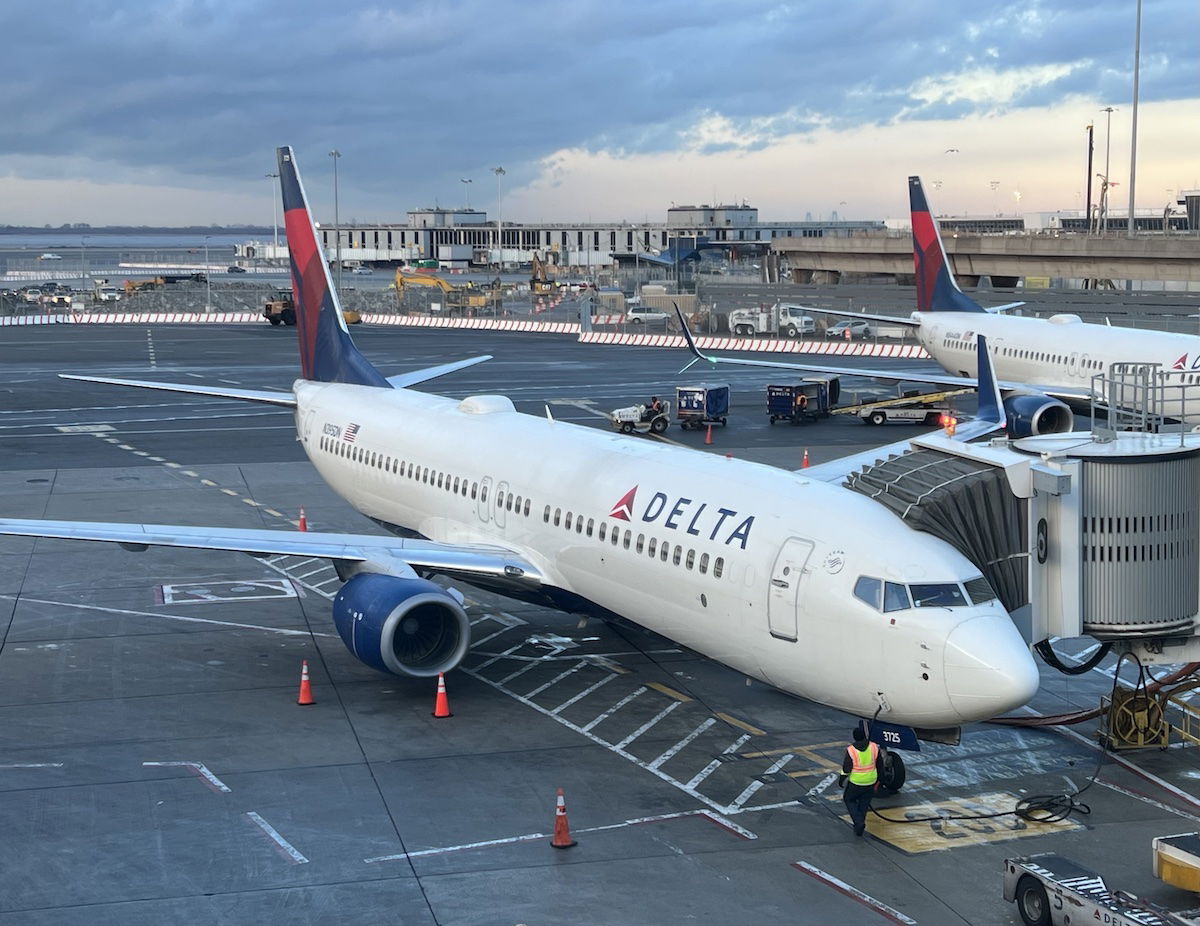
A few years ago, we saw American make a big push there, only to retreat. For well over a year now, Delta has been expanding significantly in Austin. The airline has just announced its latest route additions there, and I’m curious to see how this plays out in the long run.

Delta adds new routes & flights from Austin
In the coming months, Delta will be adding three new routes out of Austin-Bergstrom International Airport (AUS). The airline will fly to Columbus (CMH), Denver (DEN), and Kansas City (MCI), in addition to increasing frequencies to Indianapolis (IND) and San Francisco (SFO).
With this latest expansion, Delta will serve nearly 30 destinations from the airport, “reinforcing its role as Austin’s leading global carrier” (in other words, not Southwest).
Beyond these latest additions, Delta flies to Austin from all of its hubs — Atlanta (ATL), Boston (BOS), Detroit (DTW), Los Angeles (LAX), Minneapolis (MSP), New York (JFK), Salt Lake City (SLC), and Seattle (SEA).
Delta also serves Austin year-round from Cincinnati (CVG), Indianapolis (IND), Jacksonville (JAX), Las Vegas (LAS), McAllen (MFE), Memphis (MEM), Midland/Odessa (MAF), Nashville (BNA), New Orleans (MSY), Orlando (MCO), Panama City (ECP), Raleigh-Durham (RDU), San Francisco (SFO), and Tampa (TPA). Then there are seasonal routes from Cancun (CUN), Palm Springs (PSP), and San Jose del Cabo (SJD).
What’s also interesting is that we’re increasingly seeing Delta position Austin as a key access point to facilitate connections to its entire network. Going back a year, Delta exclusively approached Austin as a point-to-point market.
Will Delta’s Austin expansion succeed?
The airline industry is a funny business. Airlines expand into markets for all kinds of reasons, even if the service isn’t necessarily directly profitable:
- Sometimes airlines expand for competitive reasons, to keep other airlines out of a market, and view it as part of a larger network strategy
- Sometimes airlines are also willing to lose money in a market for an extended period of time, thinking that once they reach a critical mass of service, it will become profitable
- Sometimes airlines expand largely as a loyalty program play, where they believe having a dominant position in a market will pay off in terms of credit card and other loyalty revenue
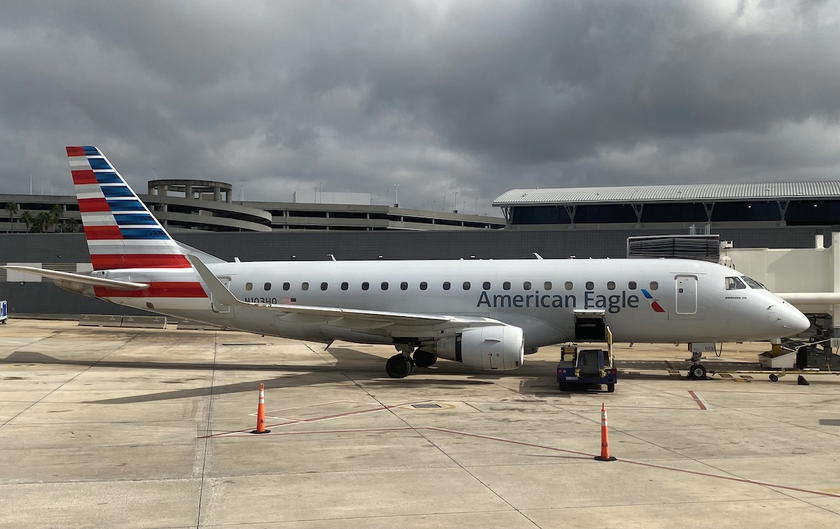
For a couple of years, American massively tried to expand its presence in Austin, operating flights to over three dozen airports. Then the airline totally undid that growth, and now Austin is a market where American almost exclusively just flies to other hubs. American had reportedly been losing money on that expansion all along.
So, how will this play out for Delta? First of all, it’s worth acknowledging that Delta has more of a strategic benefit to growing in Austin, since the airline doesn’t otherwise have a hub in the region, unlike American in Dallas (DFW), and United in Houston (IAH), both of which are under 200 miles away. The geography makes a lot of sense for Delta.
I could see merit to Delta growing in Austin in the long run, though the challenge is that the airport doesn’t currently have much space to grow, and is highly congested. So it’ll never become a mega hub, like what American and United have in Texas.
So I’m not sure what to think about how this will play out. My guess is that Delta will continue slowly but surely expanding in Austin, and that it could be a market the airline is increasingly focused on, just due to the geography.
But whether or not the market becomes profitable for the airline remains to be seen. Delta is willing to stick things out for a long time, as long as the airline views it as part of a larger strategy. And I do think that Delta views this as an important strategic interest.
That being said, Delta is also most successful in its fortress hubs, and rarely performs that well (relatively) in markets where it doesn’t have a first place position. In Austin, Delta is second to Southwest by a long shot, and I can’t think of any other Delta focus city where it trails Southwest by such a margin.
Bottom line
Delta is continuing to expand in Austin, with three new routes, which will mean the carrier serves nearly 30 destinations from the airport. It’s interesting to see Delta’s continued expansion in Austin, following American’s retreat.
Admittedly Delta has more strategic benefit from Austin, given it doesn’t otherwise have a hub in Texas, unlike American and United. Whether Delta can profitably go up against Southwest remains to be seen, though…
What do you make of Delta’s Austin expansion?


Membership is free and takes no more information than commenting as a guest. Earn status points for good contributions, and see fewer ads as your status grows.