
In late 2023, Javier Milei was elected president of Argentina, and he’s without a doubt among the most unusual people to be elected leader of a country in quite some time (and there’s a pretty high bar for that nowadays!).
Argentina’s economy wasn’t in a good place, and it seems like Argentinians voted for Milei because he couldn’t be further from the status quo in the country, and many assumed the situation couldn’t get worse.

Milei is an ultra-libertarian, and wants the state to stay out of most things, including the country’s struggling national airline. Shortly after being elected, he committed to privatizing Aerolineas Argentinas. While nothing has been finalized yet, the situation keeps getting more contentious, and airline unions are now basically at war with the president.
Milei demands Aerolineas Argentinas be privatized
Milei wants the government to no longer be involved with Aerolineas Argentinas, the country’s national carrier, which also controls two-thirds of the domestic market.
This past week, Milei issued a decree declaring that Aerolineas Argentinas is “subject to privatization,” which is intended to speed up the effort to sell the airline. This requires congressional approval, and it remains to be seen what will happen there.
As Transport Secretary Franco Mogetta explains, “this company has cost the state billions of dollars, which have come out of the pockets of all Argentines, including many who have never stepped foot on a plane,” and “we insist it must be privatised.”
Of course the challenge is figuring out which private entity would want to take control of an airline that has been losing billions of dollars for years, especially in a market like Argentina, which isn’t exactly stable.
When Milei was first elected, his plan was to hand over control of the airline to “the workers” (which in this case means the unions), and at the same time encourage competition to enter the market, by allowing foreign airlines to operate domestic flights within Argentina.
As he explained at the time, “our idea is to hand it over to the employees and for them to do the purification themselves and begin to compete in an open skies policy,” and that “airline personnel are very qualified personnel, the problem lies in political contamination.”
For context, the state took over control of Aerolineas Argentinas in 2008, and since then, the airline has lost more than $8 billion. For 16 consecutive years, the airline has lost money. Heck, even in the 18 years leading up to the government taking control of Aerolineas Argentinas, the company still wasn’t making any money.
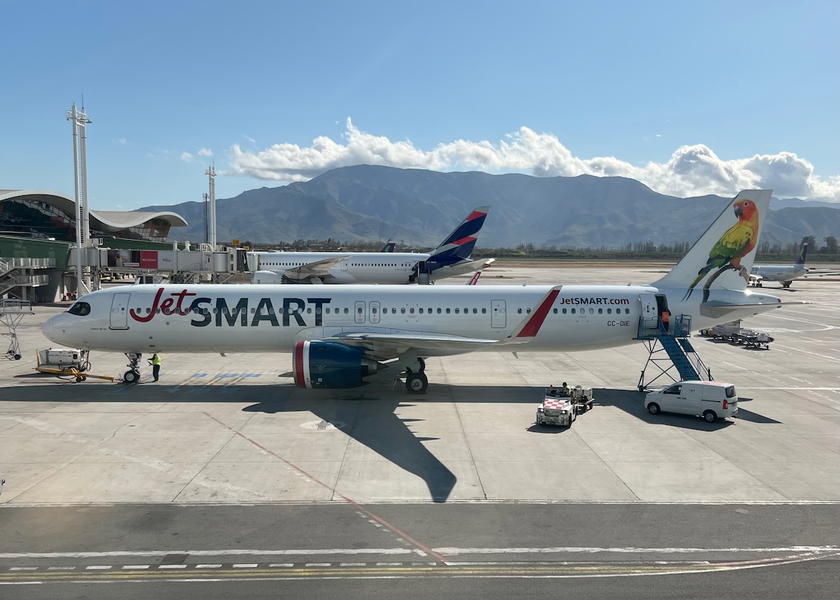
Milei tries to ban airline staff from striking
In recent weeks, we’ve seen tensions escalate between Milei and the unions representing Aerolineas Argentinas employees. Labor unions at the airline have been requesting pay increases, given that Argentina has seen triple digit inflation.
In mid-September 2024 there was a strike that saw all Aerolineas Argentinas flights canceled for 24 hours. Milei and his government have reportedly refused to engage in any dialogue with labor unions. Instead, Milei has fired some pilots for going on strike, and has also tried to declare air travel an essential service, which would prevent strikes from being allowed. However, a court overruled that plan.
There’s no resolution here, as employees at Aerolineas Argentinas are planning more strikes, which the government is continuing to try and block.
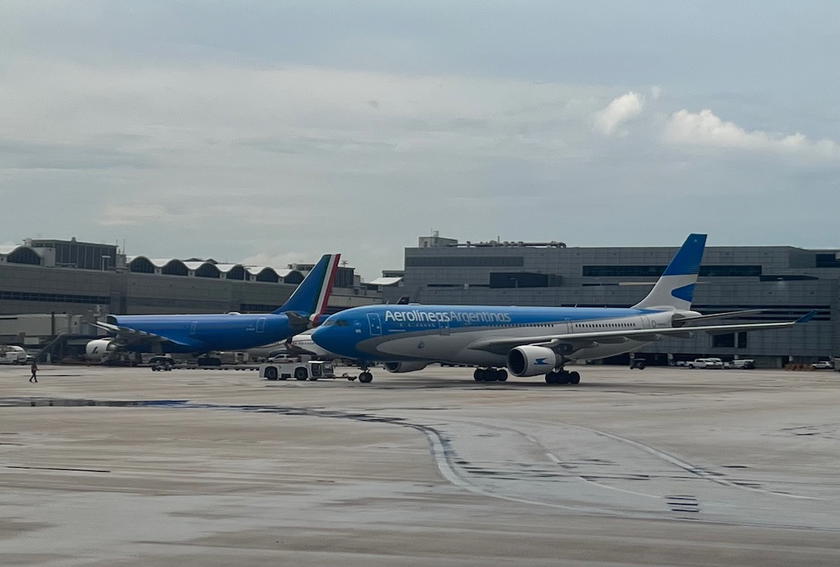
I’m curious to see how this plays out
Aerolineas Argentinas has some major structural issues. Like many government owned airlines, Aerolineas Argentinas is such a bloated and inefficient company. The state has provided enough support to keep the airline alive, but not enough support to actually turn it around.
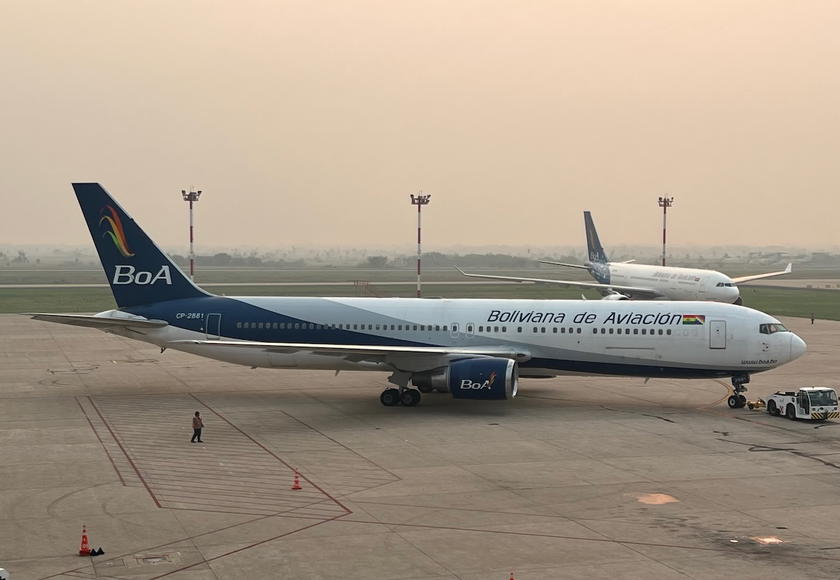
At this point, Aerolineas Argentinas is one of the few national airlines in South America that’s government owned, with the others being in Bolivia and Venezuela (yay Boliviana de Aviaicion, though, am I right?!).
Furthermore, the airline has been dealing with many factors outside of its own control, like the massive inflation of the country’s currency, which makes it hard to run an international airline.
Given the state of Argentina’s economy, and with so much of the country living in poverty, maybe the airline isn’t worth keeping alive. It’s hard to battle inflation if the government doesn’t cut back on spending. Conversely, there is major economic benefit to having good air connectivity, and it’s something that needs to be weighed.
But it’s also not unreasonable to hope that if Aerolineas Argentinas collapses, other airlines may increase service to the country. Domestically, Argentina has some successful competitors, there just wouldn’t be a national long haul airline in Argentina.
Reasonable people can disagree about whether Aerolineas Argentinas is worth saving. However, what I do take issues with is Milei’s approach toward labor. On the one hand, he wants the airline to be privatized, and to not be the government’s responsibility. But on the other hand, he wants to be able to declare that workers can’t go on strike, because they’re essential. It seems like those two things would be at odds with one another, at least to some extent.
Bottom line
In late 2023, Argentina elected an ultra-libertarian president. Part of his agenda involves privatizing many industries in which the government is currently involved. Argentinian national carrier Aerolineas Argentinas has been losing billions of dollars, and is one of the president’s primary targets.
While he has been talking about these plans for nearly a year, he has issued a decree in the past week to expedite this, so we’ll see how it plays out.
As you’d expect, employees of the airline aren’t happy about this, and are continuing to request pay increases, to help offset the country’s wild inflation. The government is responding by firing employees for striking, and trying (unsuccessfully) to declare them as essential employees who can’t strike.
This situation is messy….
How do you see this situation playing out for Aerolineas Argentinas?


Membership is free and takes no more information than commenting as a guest. Earn status points for good contributions, and see fewer ads as your status grows.