

The aviation industry at large does an incredible job focusing on safety. An endless amount of resources are poured into learning from every accident or potential risk, in hopes of avoiding a similar situation in the future. However, as I see it, there’s one glaring exception, and that’s in relation to the two person cockpit rule, and the inconsistent use of this across the globe.
I’ve mentioned this in passing many times before, but I think it’s worth a dedicated post, because I’d love to understand what I’m missing.
The concept behind the two person cockpit rule
Commercial flights generally have at least two pilots. As you’d expect, pilots sometimes need to go to the bathroom or stretch their legs, and that requires them to leave the cockpit. The policies around that differ around the world.
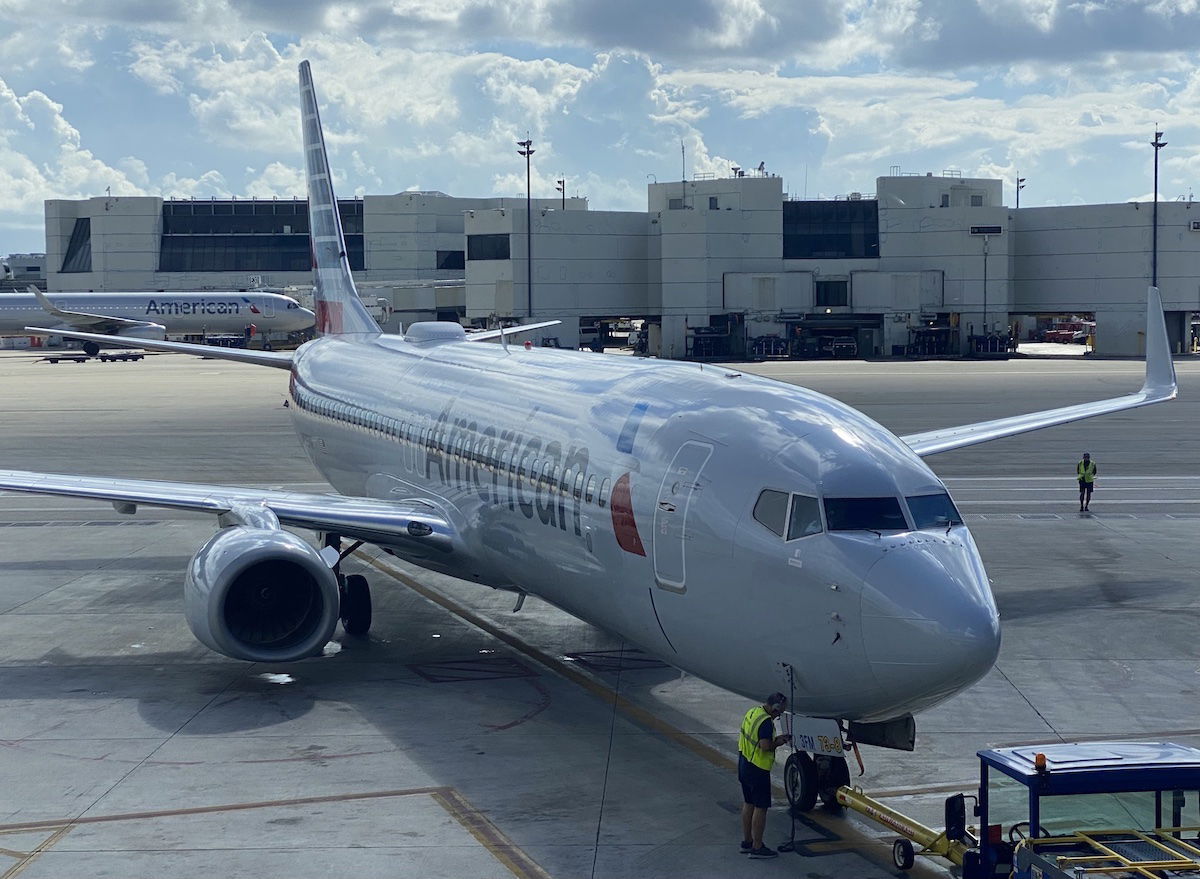
In the United States, for example, there’s a rule whereby there always need to be two people in the cockpit. So if there are only two pilots and one needs to leave momentarily, a flight attendant will step into the cockpit, so that there are never fewer than two people in the cockpit.
However, this isn’t the policy globally. Quite to the contrary, in a vast majority of countries and at most airlines, there’s no such rule, meaning that pilots are frequently left in the cockpit alone. I’ve gotta be honest — I’m not at all scared of flying, but perhaps the single thing that makes me most uneasy as a passenger is when a pilot is alone in the flight deck.
The issue isn’t really about pilots becoming incapacitated while alone in the cockpit. After all, there’s a code to enter the cockpit, and if it’s not rejected by the pilot in the cockpit within a certain number of seconds, the door is unlocked. That solves the incapacitation issue.
The problem has to do with pilot mental health more broadly, when they want to keep someone out of the cockpit:
- Pilots with mental health issues often have a hard time actually getting treated for their conditions and have to lie, since they can have their license revoked if they’re found to have any sorts of issues
- It horrifies me to even think this, but if you’re carrying out a suicide and/or murder plot, I imagine it’s mentally much easier to process that if you don’t have to look directly at the people you are impacting with your actions
- I think subconsciously some pilots probably feel like there’s more theoretical plausible deniability if the cockpit voice recorder doesn’t record a conversation between two people, and there’s no physical struggle between two people
Why do regulators ignore the facts about accidents?
Aviation has become incredibly safe, and so many factors that previously caused a large percentage of fatalities have been addressed. As I see it, pilot mental health is the exception.
Let’s just look at aviation safety over the past 15 years, and accidents that are specifically believed to be because there was only one person in the cockpit:
- On November 29, 2013, a LAM Mozambique Embraer E190 was deliberately crashed by the captain, after he locked the first officer out of the cockpit
- On March 8, 2014, a Malaysia Airlines Boeing 777 went missing, and to this day we don’t know what happened; however, all signs point toward the captain having locked the first officer out of the cockpit, and then flying the plane into the middle of the ocean, never to be seen again
- On March 24, 2015, a Germanwings Airbus A320 was deliberately crashed by the first officer, after he locked the captain out of the cockpit
Following the Germanwings crash, for example, the European Aviation Safety Agency (EASA) issued a safety bulletin, recommending that airlines always have at least two people in the cockpit, whenever possible. This was specifically intended to reduce the risk of a pilot deliberately locking the other pilot out.
However, a little over a year later, the EASA updated its recommendation, suggesting airlines assess their own risks in deciding whether to implement this policy. It’s wild to me how even Lufthansa Group — which Germanwings was part of — completely reversed this policy.
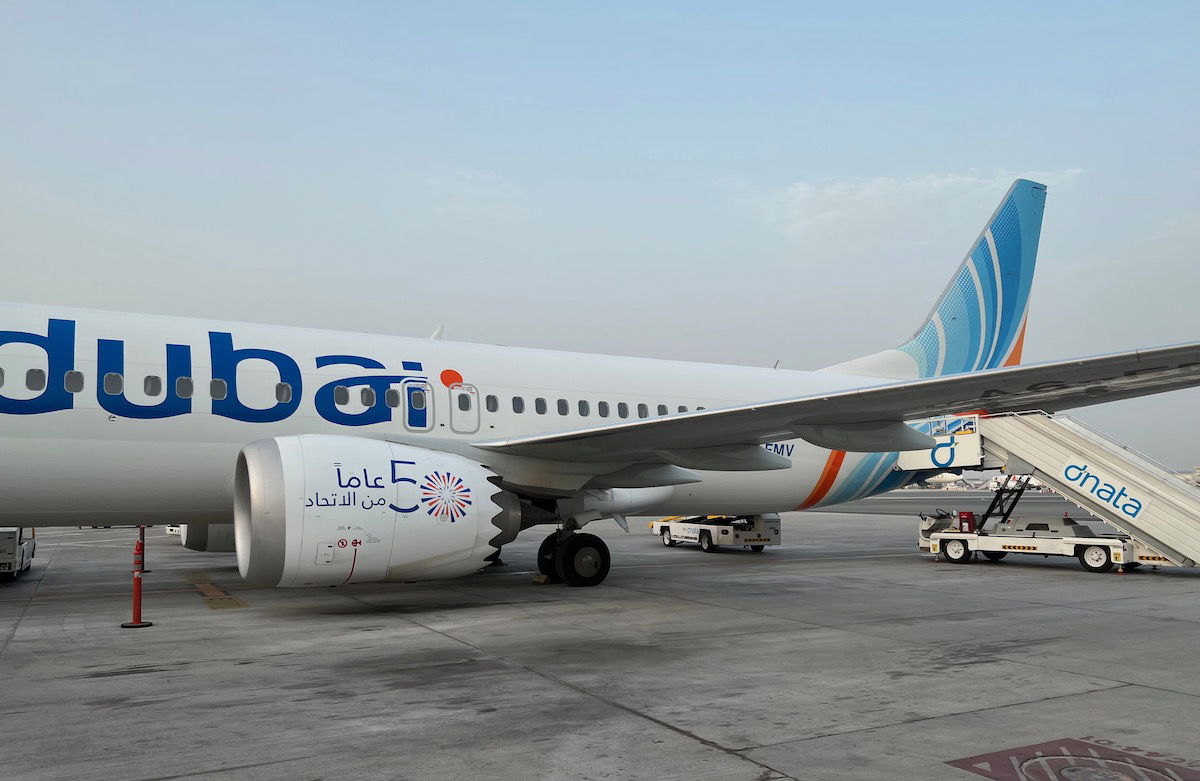
This week we’re seeing the horrors that unfolded on a flydubai Boeing 737. My first takeaway is that thank goodness there were two pilots in the cockpit, and that even after being attacked, the captain was able to just barely open the door and let others in.
The carrier doesn’t have a two person cockpit rule, so while I’m so happy this is how it ended, I can’t believe the first officer directly attacked the captain, rather than just trying to lock him out of the cockpit, and then being able to use the plane as a weapon, in any way he wanted.
I’d love if someone could help me understand what I’m missing. Do some people just deny that having one person in the cockpit has been a contributing factor to some accidents? Or do they just think several hundred deaths is a fair price to pay for saving flight attendants a little bit of time?
Bottom line
Pilot mental health, and intentional acts on behalf of pilots, has represented an increasingly large percentage of accidents over the years. That’s partly thanks to how safe aviation has otherwise become. It just seems to me like it’s hard to ignore that one of the leading methods that pilots use to be “bad actors” is to lock the other pilot out of the cockpit, and then have control of the plane all to themselves. At times, reinforced cockpit doors seem like a double edged sword.
That obvious concern is the reason we have the two person cockpit rule in the United States. Some airlines temporarily implemented this policy following the Germanwings crash, only to then reverse course. Thank goodness that in the case of flydubai’s pilot terror attack earlier this week, there was a second pilot in the cockpit, who managed to open the door, so that others could intervene.
This just strikes me as being a best practice, and it confuses me how not all regulators feel that way.
Where do you stand on the two person cockpit rule?




Royal Hawaiian Air Service had Cessnas , one pilot , and a passenger in co-pilot's seat . Even Charles Lindbergh was in the co-pilot's seat on his way home to near Hana , Maui .
Everyone knows that nothing matters more than money for corporations. There's no exception for the lives.
The comments about a pilot not having much problem overwhelming or stabbing a flight attendant remind me of the (deep breath) anti-mask argument. They aren't 100% preventative so whats the point?!
Perfect is the enemy of the good or something along those lines. If we have 10 pilot incidents in the next 5 years but only in 6 of them could a flight attendant get the door open does that mean we shouldn't have the 2 person policy??
Yes, but (really not trying to revisit masking) one argument of concern in the masking issue is that it could/did put people with very low quality masks in proximity with the thought they were protected. Ditto, some may have avoided the jab thinking their flimsy mask protected them. These concerns have no clear parallel to this issue I can see.
Politicians' logic, something bad happened, we need to do something, this is something, so we need to do this.
Similar chain of thought
All cats have four legs, my dog has four legs, ergo my dog is a cat.
Don't disagree, but easy to imagine a pilot overwhelming a flight attendant
I assume the FA is standing and the pilot remains seated. There's no reason (and probably rules/laws against) for the pilot to get up. So, at least the FA is somewhat forewarned.
This is the type of question that’s heavily discussed on the interwebs. Ai can summarize and give all points for and against it easily. It mainly comes down to additional distraction of a non pilot in the cockpit, technical and staffing restrictions like some aircraft can’t have two people or airlines just don’t have the staff to do so.
In addition, for this particular case, if a flight attendant was stabbed, they would have much harder time to get the door open.